BMW S55B30A 317 kW Engine: Applications and Buying Guide
Introduction to the BMW S55B30A engine
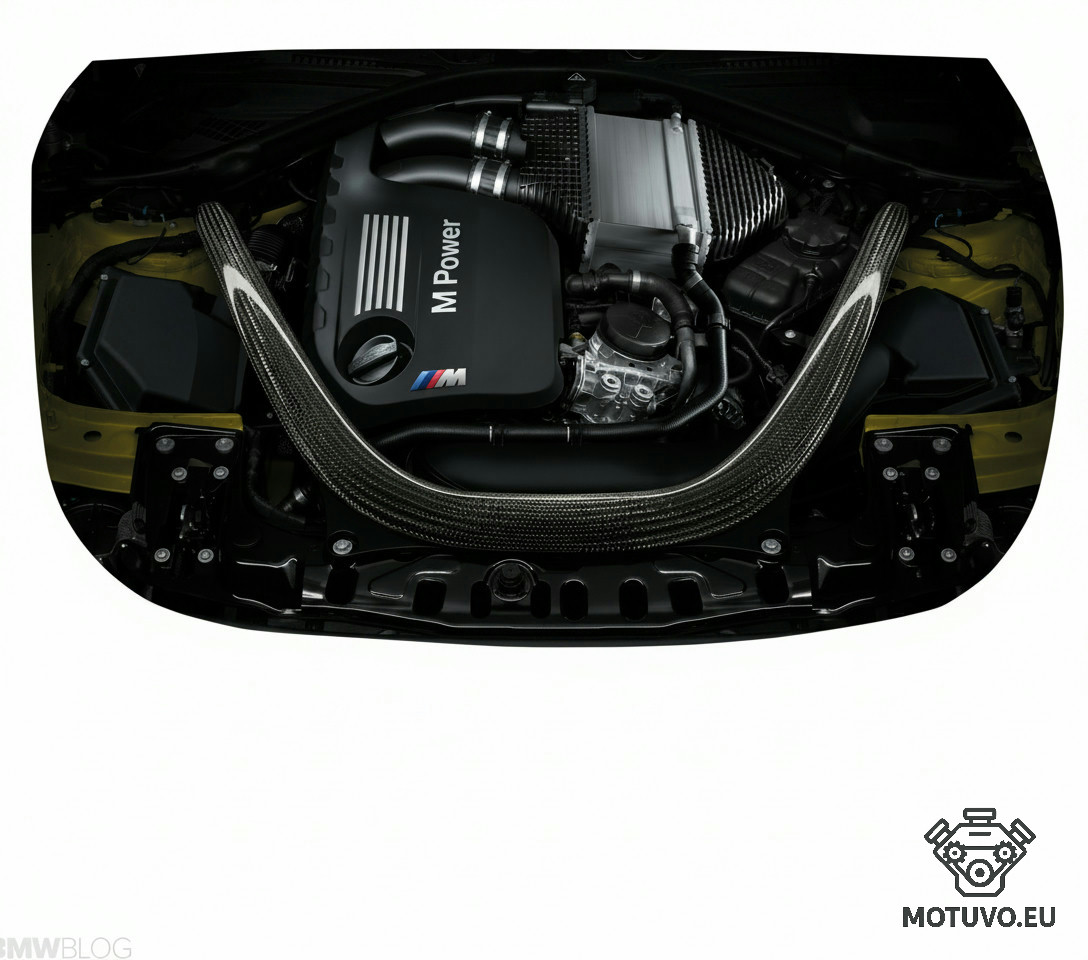
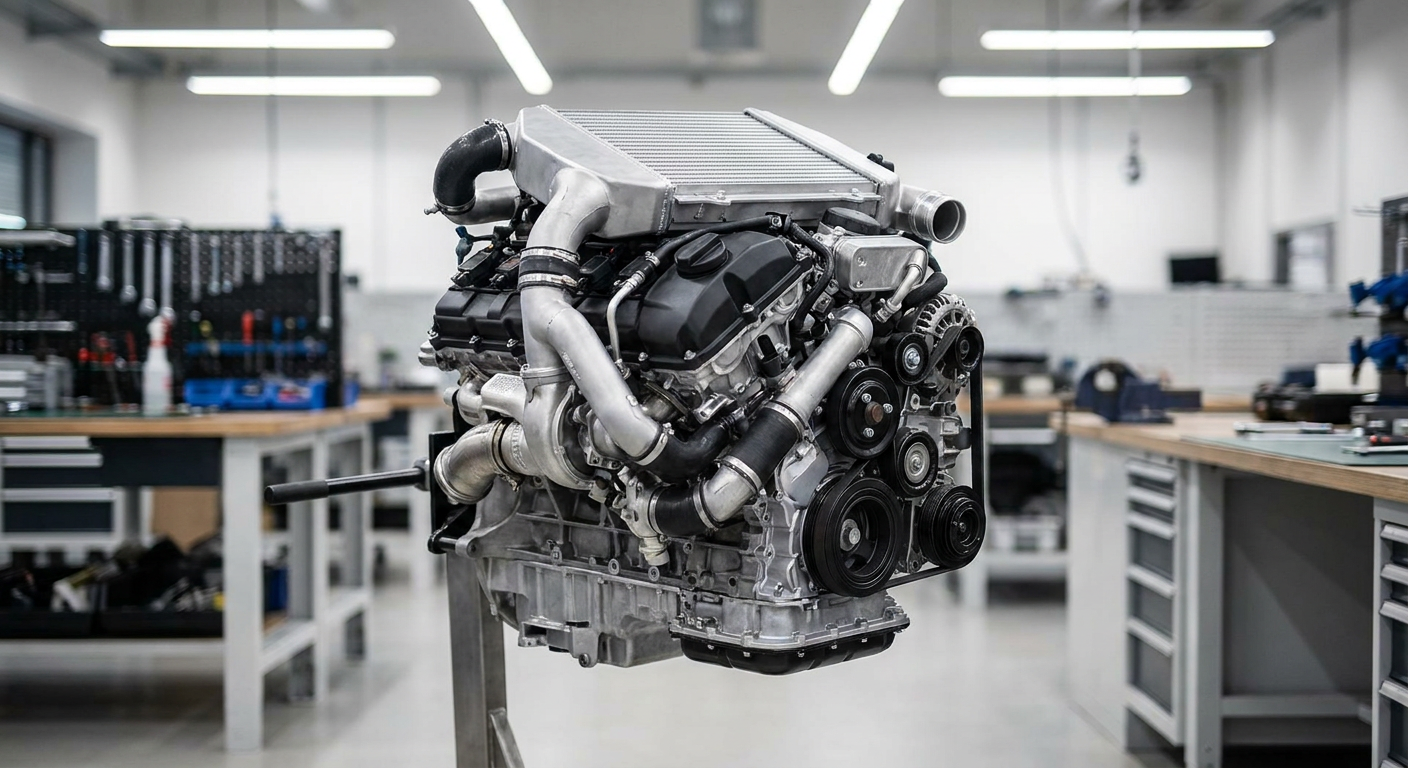
The S55B30A is a 3.0-litre turbocharged petrol engine associated with BMW’s F-generation M3 and M4. The Motuvo.eu catalogue entry specifies 317 kW, equivalent to approximately 431 metric horsepower. It is a performance-focused straight-six designed to deliver strong mid-range torque while retaining the high-speed response expected from a BMW M engine.
The S55 family uses two turbochargers, direct fuel injection, variable camshaft timing and variable intake valve lift. Its closed-deck cylinder block and performance-oriented cooling and lubrication systems distinguish it from an ordinary road-car six-cylinder. For a replacement purchase, however, the engine code alone is not enough: the vehicle specification, supplied components and installation requirements must also match.
How popular and widely used is the S55B30A?
The S55 is well established in the performance-car market because of its role in the F80 M3 and F82/F83 M4. It is not a general-purpose engine fitted throughout the BMW 3 Series and 4 Series ranges. Its use is concentrated in high-performance M models, which makes correct identification particularly important when searching by model name.
These cars have an active ownership, tuning and motorsport community, so independent workshop knowledge and aftermarket support are extensive. That familiarity is helpful when maintaining or replacing an engine, but it also means used units can have very different histories. A standard road-driven engine and a heavily tuned engine used regularly on track may look similar externally while having experienced very different mechanical loads.
Other part numbers and engine variants
S55B30A is an engine designation, not a universal ordering reference for every associated component. Complete engine assemblies, cylinder heads, turbochargers, wiring looms and ancillary equipment can carry separate BMW part numbers. Manufacturing revisions and market specifications can also affect which parts are suitable for a particular vehicle.
The wider S55 family includes different factory power calibrations. Consequently, an advertisement describing only an “S55 engine” does not establish that its hardware, electronics or supplied accessories match this 317 kW listing. Confirm the donor specification and actual package contents rather than relying on a family name or claimed output.
The catalogue also includes B58B30M1 and S58B30T0 engines. Although these are other BMW 3.0-litre petrol engine designations, neither is a direct substitute for an S55B30A. Other listed petrol engines, including DCKA / DCJA, DKKA / DKKB, CGWC, DLZA / CWGD, DCHA, DKCA / DKCB and XFX, should likewise not be treated as interchangeable merely because of displacement or power. Replacement compatibility must be established independently.
Model applications listed in the catalogue
The supplied catalogue identifies the following applications for this engine:
- BMW F80 M3, 2014–2018: the M-specific application within the BMW 3 Series.
- BMW F82 M4, 2014–2020: the coupé application within the BMW 4 Series.
- BMW F83 M4, 2014–2020: the convertible application within the BMW 4 Series.
These dates describe the catalogue coverage, not an assurance that every engine assembly within those years is identical. Check the vehicle identification number, production date, original engine identification and relevant component numbers before ordering. Ordinary non-M 3 Series and 4 Series models are not included in this application list.
Strong points of the S55B30A
Performance-focused architecture
The S55 combines a rigid closed-deck block with a turbocharged inline-six layout. Its two turbochargers provide substantial torque across a broad operating range, making the engine effective for both everyday acceleration and sustained performance driving. The naturally balanced straight-six configuration also provides smooth operation when the engine and its supporting systems are healthy.
Charge-air cooling and engine management
The S55 uses liquid-cooled charge-air cooling to help control intake temperatures under boost. Direct injection, variable camshaft timing and variable valve lift allow precise control of combustion and airflow. Together, these systems support responsive power delivery, although their benefits depend on sound sensors, correct fuel supply and properly functioning cooling circuits.
Strong specialist support
Another practical advantage is the availability of experienced BMW M specialists. Diagnostic procedures, servicing requirements and common trouble areas are widely understood. A documented, correctly maintained engine can therefore be assessed more meaningfully than one sold with no operating history or test information.
Weak points and common failures
Crank hub and timing concerns
The crank hub arrangement is a widely discussed S55 concern. Movement within the crankshaft timing-drive interface can disturb valve timing and, in severe cases, result in internal damage. However, public discussion does not establish a reliable failure rate, and it is inaccurate to imply that every S55 will suffer this problem. Investigate timing-related fault codes, previous repairs and any aftermarket hub work, including who performed it.
Oil leaks and crankcase ventilation
With age and heat exposure, seals and gaskets can deteriorate. Inspect the cam cover area, oil filter housing region and sump for leakage. Crankcase ventilation faults can contribute to rough running, unusual whistling or abnormal oil consumption. These symptoms require diagnosis rather than an automatic assumption that the complete engine is worn out.
Cooling-system and charge-cooler problems
Loss of coolant, damaged hoses or poor circulation can compromise temperature control. An internal charge-cooler leak can introduce coolant into the intake path, so unexplained coolant loss warrants careful investigation. Pressure-test the relevant circuits and assess the charge cooler rather than simply topping up the reservoir repeatedly.
Ignition, injection and turbocharger condition
Misfires under load may involve worn spark plugs, ignition coils, fuel delivery or injector faults. Turbocharger wear, actuator problems and boost leaks can cause reduced performance or fault codes. Modified software can increase thermal and mechanical demands, so tuning history matters when evaluating a used engine. Scan results, compression readings and leak-down testing provide more useful evidence than a clean exterior alone.
What to consider when replacing an S55B30A
First establish why the original engine failed. Oil starvation, overheating, fuel-system faults or contamination in external components can damage a replacement if the underlying cause remains unresolved. Inspect the oil and cooling systems, intake tract and turbochargers as appropriate to the failure.
- Confirm compatibility: compare the VIN, engine designation, production details and assembly references.
- Define the supply scope: establish whether the offer is a bare assembly, long engine or a package with turbochargers, injection equipment and ancillaries.
- Request condition evidence: ask about mileage, donor history, available testing and any recorded repairs.
- Check electronic requirements: determine which original control modules, harnesses and sensors must be retained and whether adaptations or coding are required.
- Plan installation servicing: use suitable oil, coolant, filters, seals and specified replacement fasteners.
- Review purchase terms: confirm warranty coverage, installation conditions and any exchange-engine requirements before payment.
Installation should follow the applicable BMW procedures, including lubrication preparation, cooling-system filling and bleeding, and diagnostic checks. After initial start-up, verify oil pressure as specified, inspect for leaks and monitor temperatures and fault memory before applying significant load.
Buy your S55B30A engine at Motuvo.eu
For a replacement matching the catalogue’s 3.0-litre petrol, 317 kW specification, visit the S55B30A engine product page at Motuvo.eu. Before buying, provide your VIN and confirm the engine’s condition, included equipment, compatibility and current purchase terms. Clear identification and a properly planned installation are essential to getting your M3 or M4 back into service.