BMW N73B60 6.0L V12 Engine: Specs, Problems and Replacement
Introduction to the BMW N73B60 engine
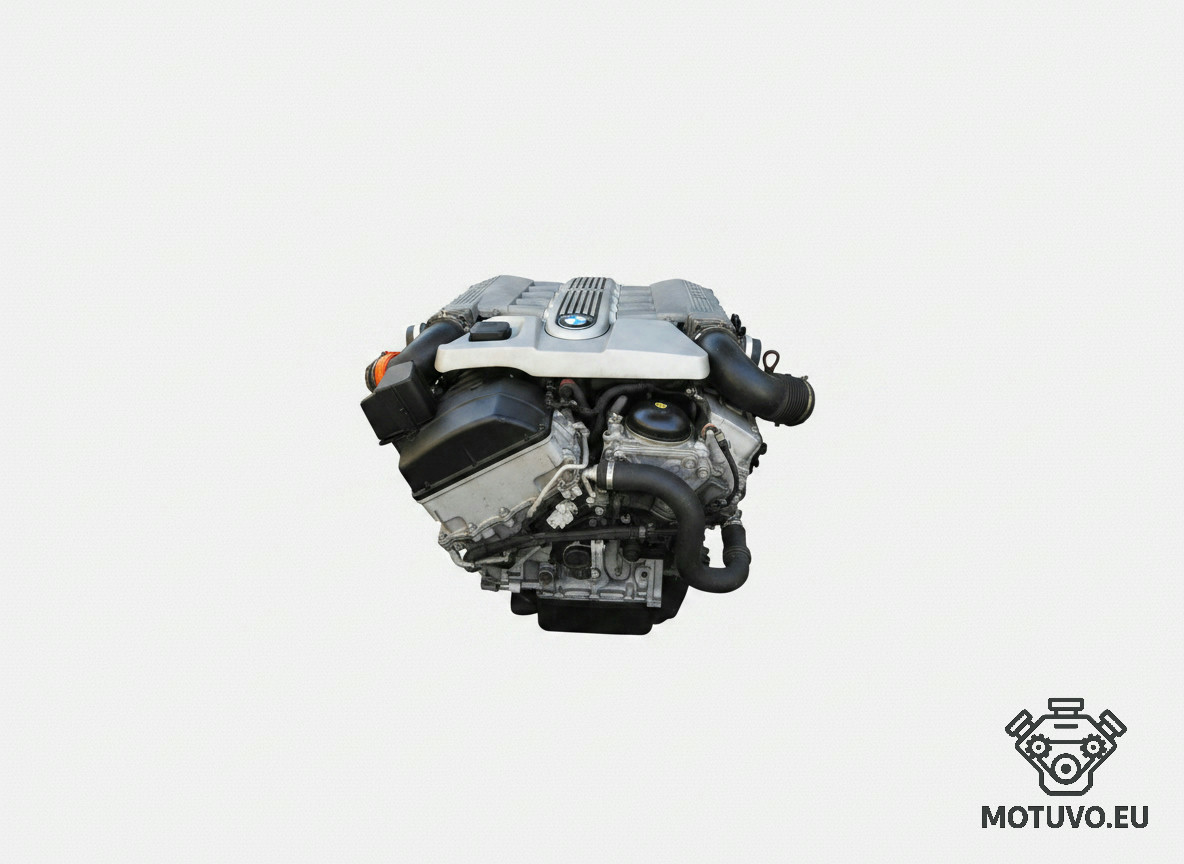
The BMW N73B60 is a 6.0-litre petrol V12 associated with the flagship versions of the E65/E66 BMW 7 Series. The Motuvo.eu catalogue lists this engine at 327 kW, with an application description covering the 2003–2008 760i and 760Li. It is a naturally aspirated engine designed to deliver smooth, substantial performance rather than the boost-dependent character of a turbocharged unit.
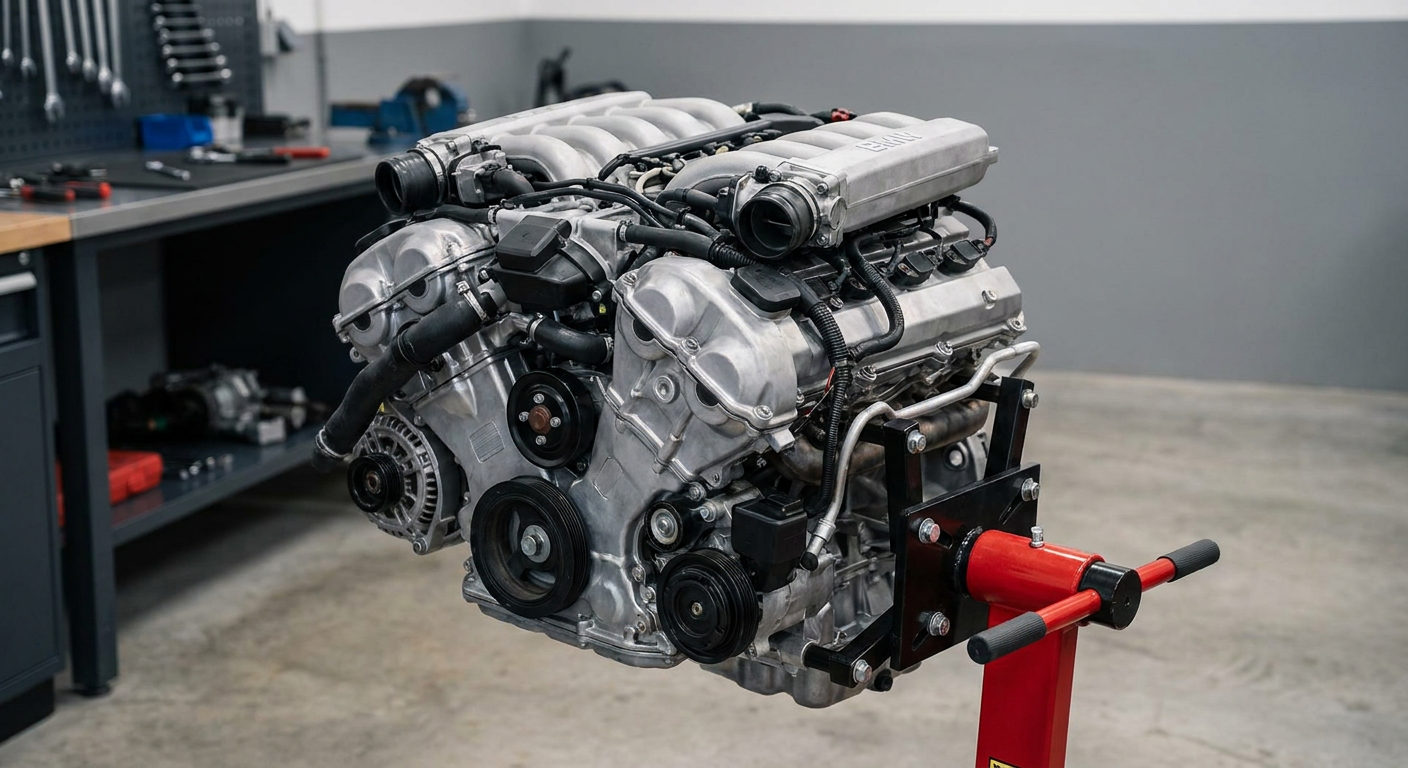
Technically, the N73 combines direct petrol injection, Valvetronic variable intake-valve lift and double-VANOS variable camshaft timing. Its aluminium construction helps control weight, although the complete V12 installation remains physically large and mechanically complex. For anyone buying a replacement, the engine code is the starting point: donor specification, included equipment and compatibility with the receiving vehicle matter just as much.
How popular and widely used is the N73B60?
The N73B60 was a specialist flagship engine, not a high-volume powerplant used throughout BMW's range. Within the supplied catalogue information, its application is confined to the BMW 7 Series, specifically the E65/E66 760i and 760Li. These cars occupied a comparatively exclusive position above the more widely encountered six-cylinder and V8 versions.
That limited market presence affects ownership today. Used engines and V12-specific components can be less readily available than parts for mainstream BMW engines, and fewer workshops have extensive hands-on experience with the complete installation. A replacement therefore deserves careful planning rather than a purchase based solely on displacement or appearance.
The engine remains appealing because of its refinement and engineering. However, its reputation as a flagship V12 should not replace evidence of condition. Maintenance history, diagnostic results and the quality of previous repairs are more useful buying criteria than a general claim that a donor engine ran well.
Other part numbers and engine variants
N73B60 is an engine designation, not a universal ordering number for every complete engine assembly. BMW service part numbers, production revisions and the specifications of attached components may differ. A replacement should be checked against the vehicle identification number, production date and any identifiable assembly or component numbers.
The wider N73 family includes different specifications, but family membership alone does not establish interchangeability. Differences in displacement, management systems, ancillary equipment and installation details can make an apparently similar engine unsuitable as a straightforward replacement. Even another N73B60 requires verification before purchase.
The BEB entry in the catalogue
The supplied catalogue also lists BEB, a 6.0-litre petrol engine rated at 412 kW, as a related engine. That listing does not establish it as a BMW N73 variant or a compatible substitute. Matching capacity and fuel type are insufficient: the mechanical interfaces, electronics, transmission connection and vehicle installation must all match. For an N73B60 replacement, focus on verified N73B60 compatibility rather than related catalogue suggestions.
BMW N73B60 model applications
The applications supported by the supplied catalogue are:
- BMW 7 Series 760i, E65: listed within the 2003–2008 catalogue application period.
- BMW 7 Series 760Li, E66: listed within the same 2003–2008 period.
The E65 identifies the standard-wheelbase body, while the E66 identifies the long-wheelbase version. These application details help narrow the search, but they are not a substitute for a VIN-based compatibility check. Registration year can differ from production date, and previously replaced components can complicate identification. Confirm the installed engine and its supporting equipment before ordering.
Strong points of the N73B60
V12 smoothness and naturally aspirated response
A major strength is the inherently smooth character of the V12 layout. Closely spaced firing events and favourable engine balance suit the refinement expected from a flagship saloon. Natural aspiration also provides progressive accelerator response without relying on turbocharger boost to build output.
Advanced combustion and valve control
Direct injection delivers fuel into the combustion chambers, while Valvetronic controls intake-valve lift to regulate air delivery and reduce throttling losses in relevant operating conditions. Double-VANOS adjusts camshaft timing to suit load and speed. Together, these systems give the engine a sophisticated operating range, although their benefits depend on correct mechanical and electronic operation.
No turbocharger hardware to maintain
The N73B60 does not carry the additional service requirements of turbochargers, wastegates or a turbocharged charge-air circuit. This removes one category of potential repair expense. It does not make the engine simple, however: two cylinder banks, twelve cylinders and extensive control hardware still demand specialist maintenance.
Weak points and common failure checks
Direct-injection fuel-system faults
The high-pressure fuel system is an important diagnostic area. Injector problems or inadequate high-pressure fuel delivery can produce rough running, misfires, difficult starting and reduced performance. These symptoms also overlap with ignition and mechanical faults. Diagnosis should compare fault codes, fuel-pressure readings and cylinder behaviour rather than treating every misfire as proof of a failed injector.
Oil consumption, seals and ventilation
Age-related oil leaks, crankcase ventilation problems and valve-stem seal deterioration deserve attention. Blue exhaust smoke after idling or during changes in engine load can justify investigating oil entry into the combustion chambers, but smoke alone does not identify the failed component. Check measured oil consumption, spark-plug condition, external leakage and crankcase ventilation before committing to major internal repairs.
Cooling-system deterioration
An ageing cooling system can undermine an otherwise serviceable engine. Inspect hoses, seals, radiator connections, the water pump and thermostat, and investigate any unexplained coolant loss. Leakage in difficult-to-access areas may require significant dismantling. Evidence of overheating is especially important when assessing a donor, because damaged sealing surfaces or internal components may not be apparent from a brief start-up.
Valve control, ignition and intake deposits
Valvetronic and VANOS faults can affect idle quality, response and power delivery. Wiring, actuators, sensors, oil supply and mechanical condition should be assessed systematically. Ignition coils and spark plugs remain basic checks on a misfiring engine. Direct injection also means fuel does not wash the intake valves, so deposits are a possible contributor to poor running rather than an automatic diagnosis.
What to consider when replacing an N73B60
Establish why the original engine failed before installing its replacement. An unresolved cooling fault, fuelling problem or lubrication issue can damage the next engine as well. Use a workshop familiar with BMW V12 systems and equipped for manufacturer-level diagnostics.
- Verify identity: match the N73B60 designation, donor details and relevant component numbers to the receiving vehicle.
- Define the supply scope: confirm whether the purchase includes intake assemblies, injectors, fuel pumps, wiring, sensors and accessories, or only the core engine assembly.
- Request condition evidence: ask about mileage documentation, running tests, diagnostic results and compression or leak-down testing where available.
- Plan electronics integration: establish which original modules and wiring must remain, and whether coding, adaptations or component-specific procedures are required.
- Inspect accessible service items: assess seals, hoses, mounts and other difficult-to-reach components while the engine is out.
- Confirm purchase terms: understand warranty conditions, installation requirements, delivery arrangements and any exchange-engine obligations.
After installation, follow the applicable BMW procedures for lubrication preparation, cooling-system filling and bleeding, diagnostic checks and adaptations. Verify stable operating temperature, fuel pressure, leak-free operation and smooth running before sustained road use.
Buy an N73B60 engine at Motuvo.eu
If your BMW 760i or 760Li needs a replacement V12, start with the correct specification and documented compatibility. Buy your N73B60 6.0L 327 kW petrol engine at Motuvo.eu by visiting the N73B60 engine product page. Confirm current availability, condition, included components and warranty terms before ordering, and provide your vehicle details to help establish the right match.