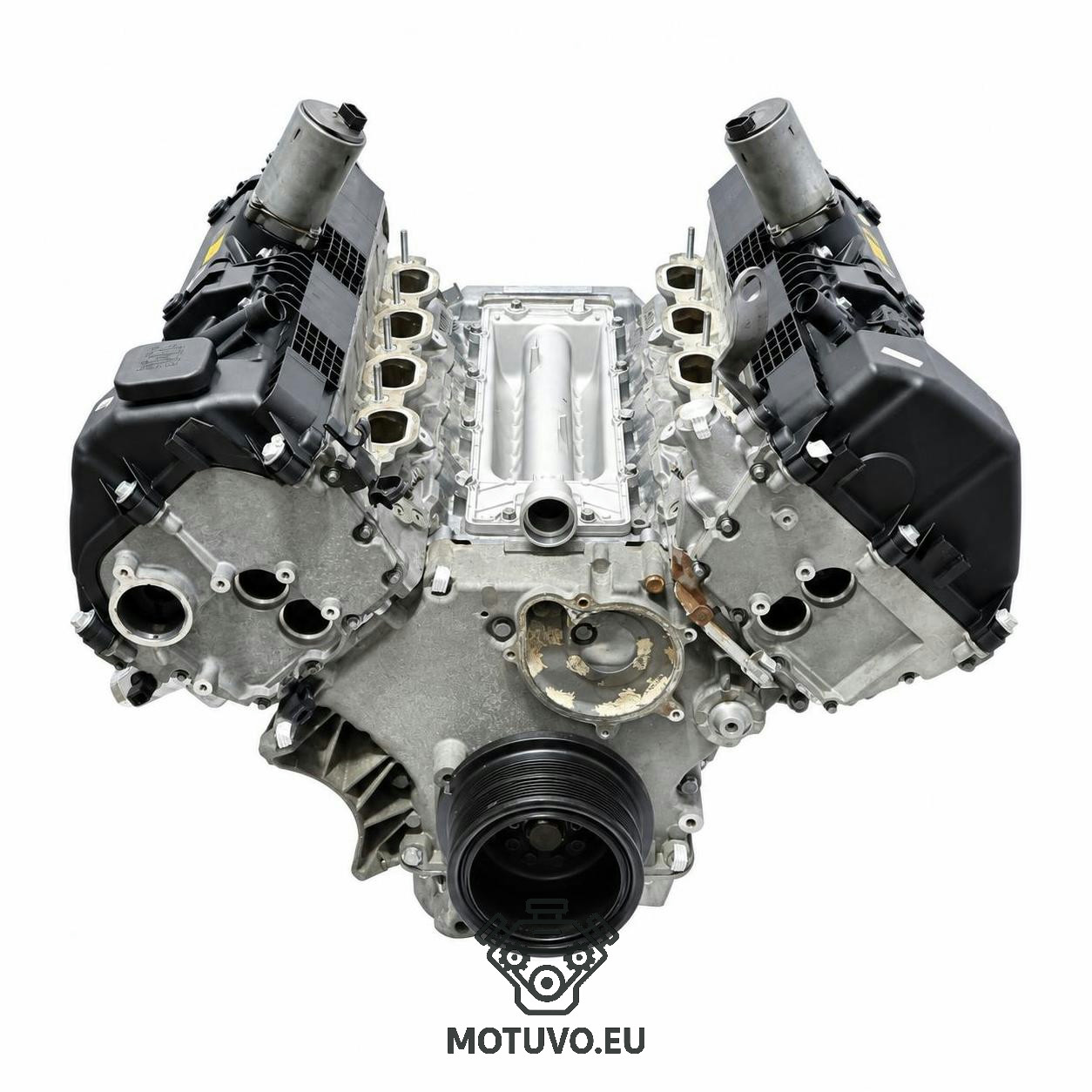
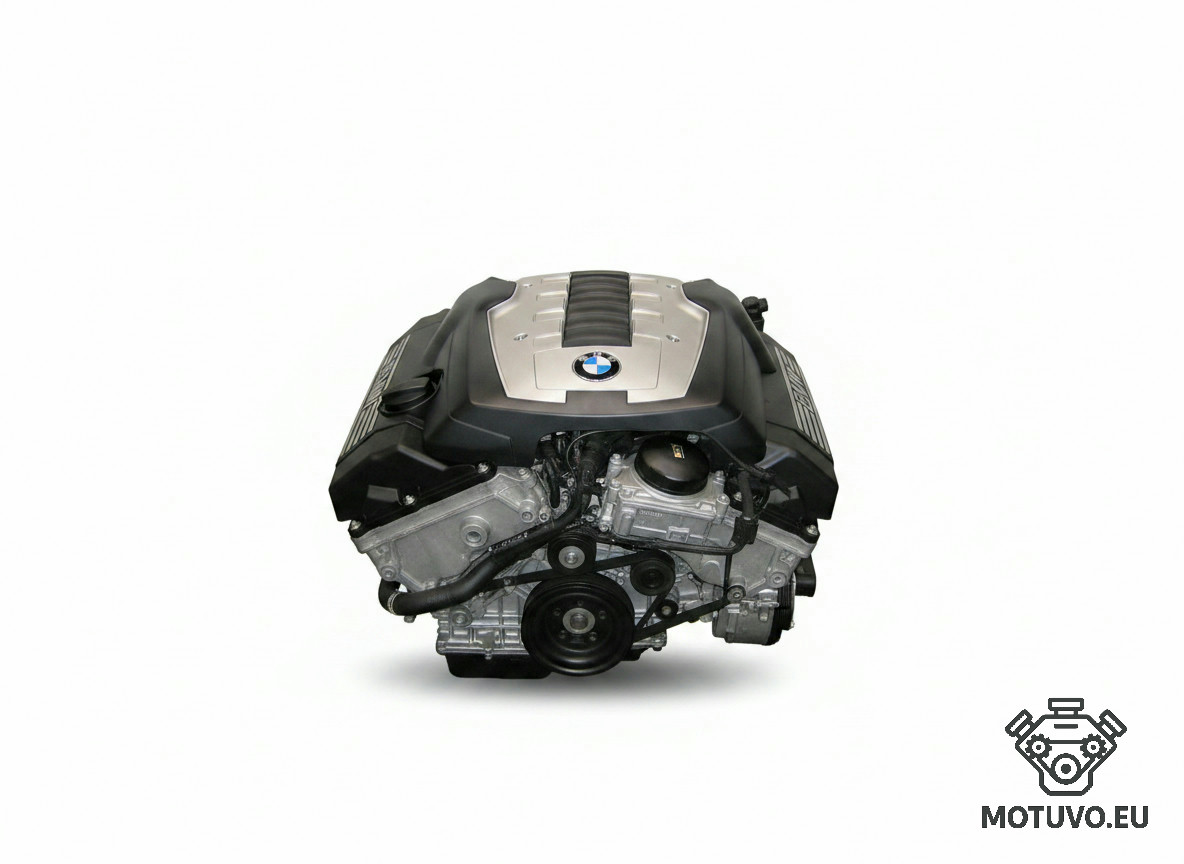
BMW N62B48 Engine: 4.8L V8 Applications and Buying Guide
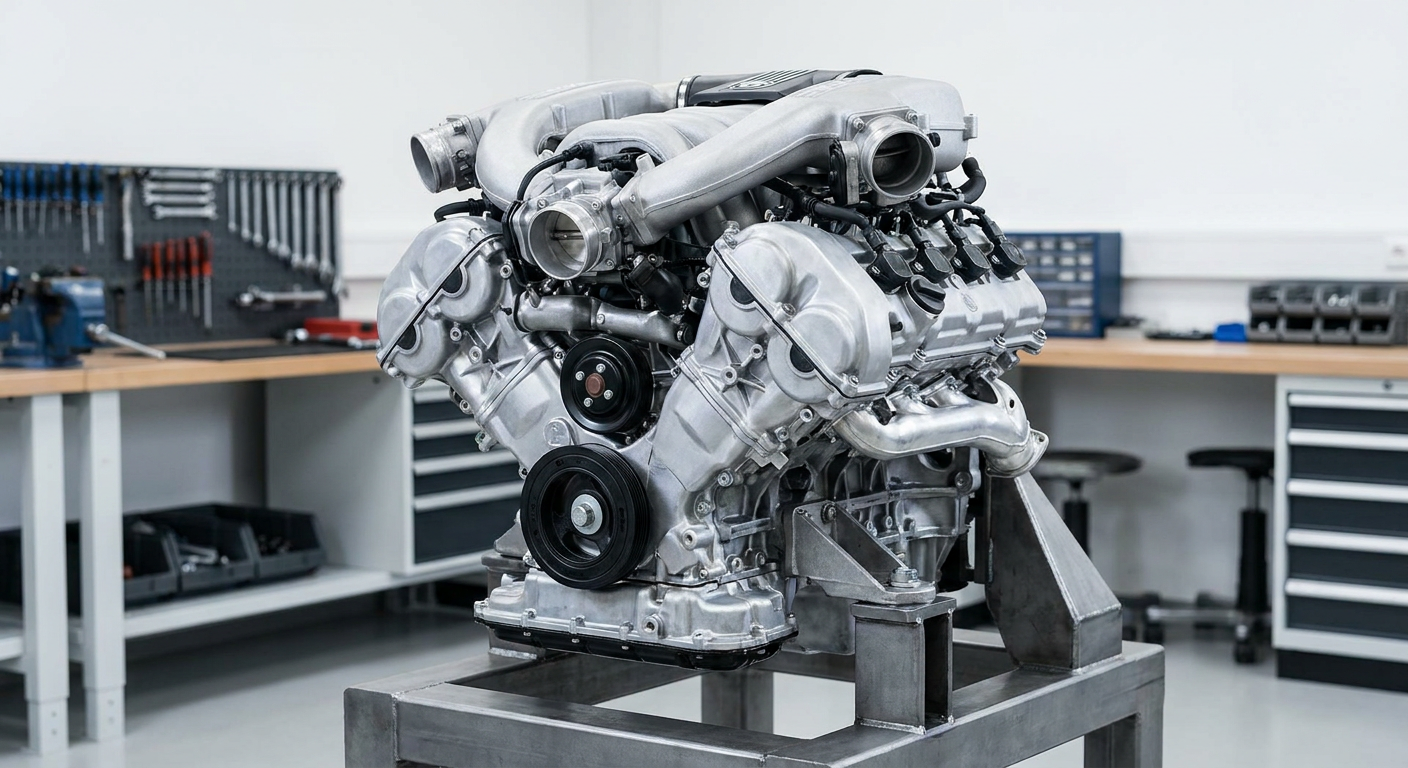
Introduction to the BMW N62B48 Engine
The N62B48, listed in this catalogue as N62B48A, is a 4.8-litre petrol V8 with a stated output of 270 kW. It belongs to BMW’s naturally aspirated N62 engine family and combines substantial displacement with sophisticated valve control. For buyers replacing a failed engine, identifying the correct version matters just as much as choosing a mechanically sound unit.
The N62 architecture uses an aluminium block and cylinder heads, four valves per cylinder, double overhead camshafts, Valvetronic variable intake valve lift and Double VANOS variable camshaft timing. Unlike BMW’s later turbocharged V8 designs, it delivers its performance without forced induction. Its port fuel injection also distinguishes it from later direct-injection engines.
How Popular and Widely Used Is the N62B48?
The N62B48 served several of BMW’s larger, higher-performance vehicles during the second half of the 2000s. The supplied catalogue covers executive saloons, an estate, grand touring models and an SUV. This breadth makes it a relevant replacement engine for owners maintaining older premium BMWs.
It was not a mass-market engine on the scale of BMW’s smaller petrol and diesel units. Nevertheless, its use across several vehicle families means the N62 is familiar to many independent BMW specialists. Diagnostic knowledge and repair procedures are well established, particularly for its characteristic oil leakage, valve stem seal and cooling-system issues.
Wide use does not mean universal interchangeability. Engines sharing the same displacement and basic architecture can differ in installation hardware, ancillary equipment and electronic requirements.
Other Part Numbers and Variants
The catalogue identifies this product with the part number N62B48 and engine name N62B48A. These are engine designations rather than a complete vehicle-specific BMW service assembly number. Confirm the donor engine identification and the recipient vehicle’s VIN before treating any listing as a direct replacement.
- N62B48 / N62B48A: the engine offered here, listed as 4.8L petrol and 270 kW.
- N62B48B, 270 kW: another designation appearing in the supplied catalogue; matching capacity and power alone do not establish compatibility.
- N62B48B, 261 kW: a further catalogue entry with a different stated output, requiring separate application verification.
The catalogue also contains M48.02, M48.51, M48.70, M48.20 / .40 and M48.01 engines. These belong to Porsche’s M48 family, not BMW’s N62 family. Their shared 4.8-litre capacity does not make them alternative part numbers or replacement options for this BMW engine.
Model Applications Listed in the Catalogue
The following applications reproduce the supplied catalogue coverage. Production dates, market specifications and engine equipment should still be checked against the individual vehicle.
- BMW 5 Series: 2005–2010 E60/E61 550i.
- BMW 6 Series: 2005–2010 E63/E64 650i.
- BMW 7 Series: 2005–2008 E65/E66 750i/750Li.
- BMW X5: 2007–2010 E70 X5 4.8i SAV.
These applications share the N62 4.8-litre platform, but a replacement should not be selected solely by the badge on the boot. In particular, SUV and passenger-car installations can require different sump arrangements, mounting components and ancillary configurations. The listed 270 kW describes this product; it should not be used to infer identical specifications for every vehicle in the application list.
Strong Points of the N62B48
Smooth, Naturally Aspirated Performance
The large-displacement V8 offers progressive power delivery and the refinement expected in BMW’s larger models. With no turbochargers, there are no turbo bearings, wastegates or boost-pressure plumbing to maintain. However, the engine remains mechanically and electronically complex.
Advanced Valve Control
Valvetronic regulates engine load largely through intake valve lift, reducing reliance on conventional throttle restriction under many operating conditions. Double VANOS adjusts camshaft timing to suit speed and load. When operating correctly, these systems help combine responsiveness, usable torque and part-load efficiency.
Established Specialist Support
The engine’s known failure patterns help experienced workshops plan inspections and repairs. A sound, correctly matched replacement can be a practical route to keeping the original vehicle in service, particularly where its transmission, body and other major systems remain in good condition.
Weak Points and Common Failures
Valve Stem Seal Wear
Age-hardened or worn valve stem seals are a recognised N62 problem. Symptoms can include increased oil consumption and blue exhaust smoke, especially after prolonged idling followed by acceleration. Smoke alone is not conclusive: crankcase ventilation faults and internal wear can produce similar symptoms. Compression readings may remain acceptable even when valve stem seals leak.
Internal Coolant Transfer Pipe Leakage
The coolant transfer pipe running through the engine’s valley is another established concern. Deteriorating seals can cause coolant loss, sometimes evident at the engine’s front drainage or weep opening. Diagnosis should distinguish this from external hose, water pump and other cooling-system leaks. Repair effort depends on the method and components used.
Oil Leaks
Valve cover gaskets, upper timing cover seals and the alternator bracket gasket are common inspection points. Some leaks require substantial dismantling despite involving relatively inexpensive seals. Oil contamination around the engine should be traced to its source rather than assumed to indicate a failed main seal or worn engine internals.
Crankcase Ventilation and Valve-Control Faults
Crankcase ventilation problems can cause abnormal vacuum, rough running and oil consumption. Valvetronic and VANOS faults may produce uneven idle, reduced performance or warning lights. Electrical checks, fault-code interpretation and live-data testing are important before condemning actuators or internal components.
Cooling-system neglect is also consequential. Any history of overheating warrants closer investigation because severe thermal stress can damage sealing surfaces and compromise an otherwise serviceable engine.
What to Consider When Replacing It
Verify Compatibility and Supply Scope
Give the supplier the VIN, production date, existing engine identification and transmission details. Ask which original components must be transferred, including the sump, mounts, intake, exhaust-related equipment, sensors and wiring. Confirm whether the purchase is a bare engine, a long block or an assembly supplied with ancillaries; photographs alone do not define the supply scope.
Assess Condition and Evidence
For a used engine, request available mileage documentation, running-test information and inspection results. Compression or leak-down testing can help assess cylinder sealing, but neither proves that valve stem seals or coolant pipe seals are healthy. For a rebuilt engine, ask exactly which parts were renewed, which measurements were taken and what testing was completed.
- Check available evidence of oil pressure, coolant integrity and previous overheating.
- Inspect accessible gaskets, seals, hoses and ventilation components before installation.
- Confirm warranty terms and required installation procedures in writing.
- Budget for fluids, filters, transferred components and diagnostic commissioning.
The cause of the original failure must also be corrected. Reusing a faulty cooling component or contaminated supporting system can damage the replacement. After installation, follow BMW procedures for filling, bleeding and diagnostic checks, including any required valve-control adaptations. Retain or correctly integrate the vehicle’s engine management and immobiliser systems rather than assuming donor electronics will work unchanged.
Buy Your N62B48 Engine at Motuvo.eu
Looking for a replacement BMW N62B48 / N62B48A 4.8L 270 kW petrol engine? Buy the N62B48 engine at Motuvo.eu after confirming compatibility, current availability, supplied equipment and warranty terms. Provide your VIN and existing engine details to help select the correct unit and avoid installation delays.