BMW N62B44 Engine: 4.4L V8 Specifications and Buying Guide
Introduction to the BMW N62B44 Engine
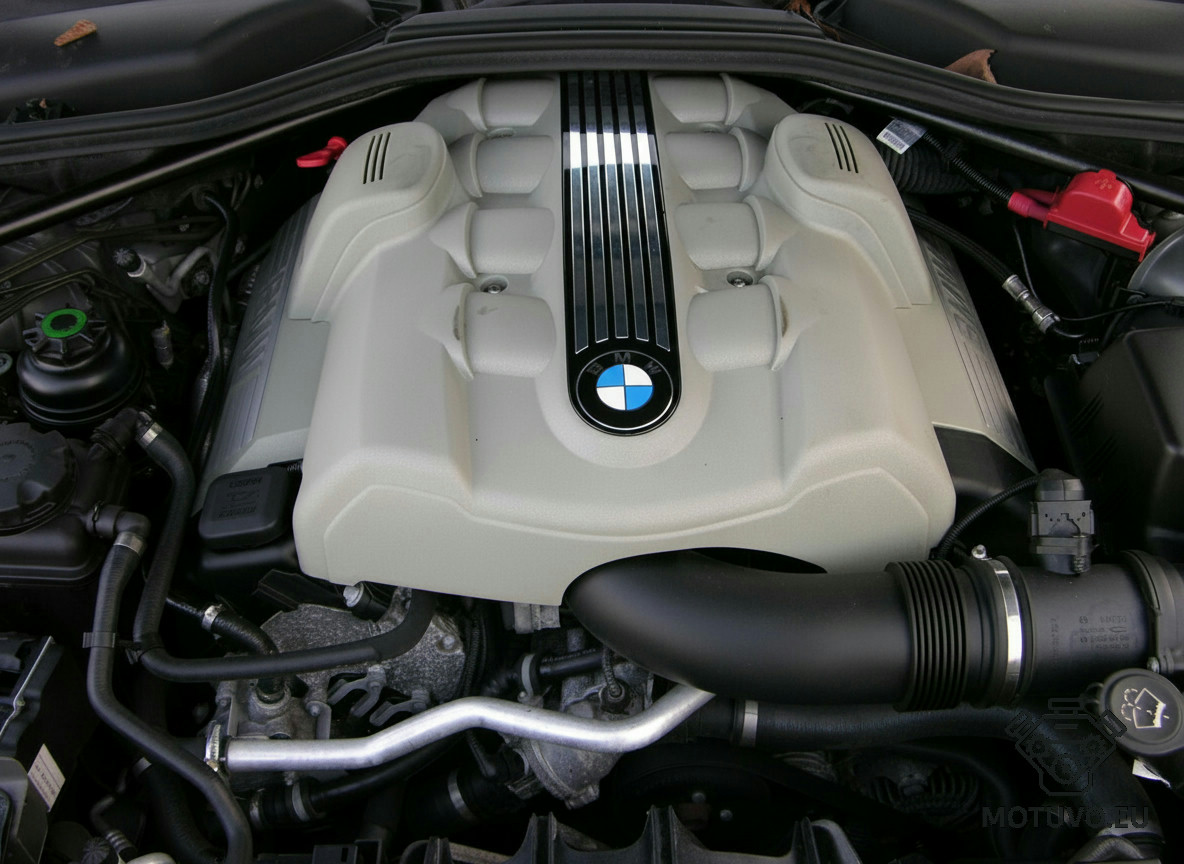
The N62B44, listed in the Motuvo.eu catalogue as N62B44A, is a 4.4-litre petrol V8 producing 245 kW. It belongs to BMW’s naturally aspirated N62 engine family, which brought variable valve lift and sophisticated valve timing to the manufacturer’s larger petrol engines. It combines the smoothness expected of a luxury V8 with strong performance across a broad operating range.
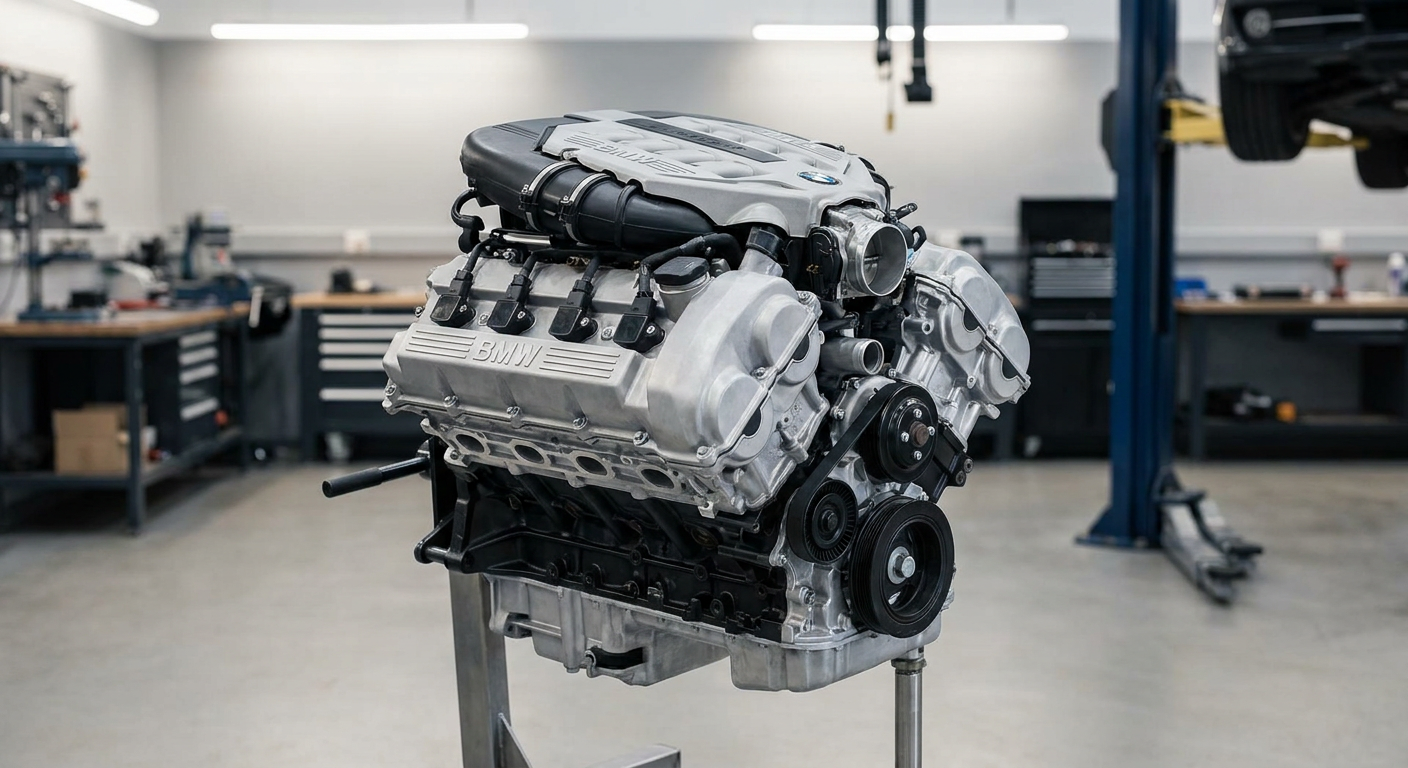
Its construction includes an aluminium crankcase, two cylinder heads with four valves per cylinder, chain-driven camshafts, Valvetronic variable intake valve lift and Double VANOS variable camshaft timing. These features make it technically more complex than a basic petrol engine. For anyone buying a replacement, mechanical condition, maintenance history and compatibility matter more than the engine designation alone.
How Popular and Widely Used Is the N62B44?
The N62B44 served several important BMW model lines during the early and mid-2000s. The supplied catalogue covers luxury saloons, an SUV, executive cars and grand tourers. That spread makes it a relevant replacement engine for owners maintaining older premium BMWs, although it was never as common as the smaller engines fitted to those ranges.
Its use across different vehicle platforms also means that apparently similar engines can have different installation equipment. A unit removed from an X5 should not automatically be treated as a complete, ready-to-install replacement for a saloon or coupé. The shared basic engine architecture is only the starting point for a compatibility assessment.
Other Part Numbers and Engine Variants
N62B44 is the catalogue part number, while N62B44A is the listed engine name. These designations help identify the engine, but neither replaces a VIN-based check of the original vehicle’s configuration. Confirm the identification on the actual replacement unit and compare its supplied components with the engine being removed.
The catalogue also contains other BMW 4.4-litre petrol engines. They are related choices within BMW’s V8 history, not alternative part numbers for this N62:
- M62B44, 210 kW: an earlier naturally aspirated V8 from a different engine family.
- N63B44O1, 331 kW: a later turbocharged V8 with substantially different induction, fuel and control systems.
- N63B44T3, 390 kW: another later N63 version, not a direct N62 replacement.
- S63B44T4, 441 kW: a high-performance turbocharged V8 with major mechanical and electronic differences.
Matching displacement does not establish interchangeability. Substituting one of these families would involve a conversion rather than a straightforward engine replacement. Even another N62 variant requires careful checking of its specification, electronics and external equipment.
Model Applications Listed in the Catalogue
Motuvo.eu lists the N62B44 245 kW engine for the following applications:
- BMW 7 Series: 2001–2005 E65/E66 745i and 745Li.
- BMW X5: 2003–2006 E53 X5 4.4i.
- BMW 5 Series: 2003–2005 E60/E61 545i.
- BMW 6 Series: 2003–2005 E63/E64 645Ci.
These are the catalogue’s application ranges, not a guarantee that every vehicle registered during those years has an identical engine installation. Production date, market specification and previous repairs can affect identification. Use the VIN, original engine details and relevant component references before ordering.
Strong Points of the N62B44
Smooth Naturally Aspirated Performance
The N62B44 delivers the progressive response associated with a naturally aspirated V8. Its 245 kW output suits both relaxed cruising and stronger acceleration, without relying on turbochargers. That avoids turbocharger hardware and its associated boost-control systems, although the engine still has demanding lubrication and cooling requirements.
Advanced Valve Control
Valvetronic regulates engine load largely through intake valve lift, reducing the need to control airflow solely with the throttle. Double VANOS adjusts intake and exhaust camshaft timing to suit operating conditions. Together, these systems support flexible performance and reduced pumping losses, provided their mechanical parts, oil supply and electronic controls remain healthy.
A Well-Understood Specialist Engine
Experienced BMW specialists are familiar with the N62’s diagnostic requirements and recurring repair areas. This helps buyers plan inspections and preventative work. A sound engine with documented servicing can remain a worthwhile foundation for preserving a vehicle, but its V8 layout and packaging mean labour-intensive repairs should be budgeted realistically.
Weak Points and Common Failures
Valve Stem Seal Wear and Oil Consumption
Hardened or worn valve stem seals are a recognised N62 problem. Symptoms can include increased oil consumption and blue exhaust smoke, particularly after extended idling or when accelerating afterwards. These signs are not conclusive by themselves: crankcase ventilation faults and internal cylinder wear can also contribute. Compression readings alone do not establish valve stem seal condition.
Coolant Transfer Pipe and Cooling-System Leaks
Seals around the coolant transfer pipe in the engine valley are another known concern. Leakage can require substantial work, although repair methods vary. Inspect the wider cooling system as well, including the water pump, thermostat, hoses and expansion tank. Any evidence of overheating warrants deeper investigation before the engine is accepted for installation.
Oil Leaks and Crankcase Ventilation Problems
Age-related oil leaks commonly involve valve cover gaskets, upper timing cover seals and the alternator bracket gasket. Access can make seemingly inexpensive seals costly to replace. Faulty crankcase ventilation can cause abnormal crankcase pressure or vacuum, rough running and increased oil consumption. Diagnose the source rather than assuming every oil-related symptom requires a complete engine.
Valve-Control and Timing-System Faults
Valvetronic motors, sensors and associated mechanisms can develop faults, while VANOS operation depends on correct oil pressure and clean oil passages. Poor running, reduced power or timing-related fault codes require structured diagnosis. Persistent chain noise also deserves investigation, but noise or a stored code alone is not proof that the entire timing assembly has failed.
What to Consider When Replacing the Engine
Establish why the original engine failed before fitting its replacement. A defective cooling system, lubrication problem or unresolved control fault can damage the next unit. Inspect related systems and remove contamination where necessary rather than treating the engine change as an isolated repair.
- Confirm compatibility: compare the VIN, engine identification, sump, mounting arrangements, intake, exhaust connections, sensors and wiring.
- Check the supply scope: establish whether the purchase is a bare engine, long block or assembly with accessories. Do not assume that pictured components are included.
- Request condition evidence: ask about documented mileage, running tests, compression or leak-down results, and any recorded overheating or oil-consumption history.
- Clarify rebuilt-engine work: if buying a rebuilt unit, request the actual machining, measurements and replaced-parts list rather than relying on the label alone.
- Plan accessible maintenance: inspect seals, coolant connections and service items while access is good, replacing parts according to condition and repair guidance.
- Confirm purchase terms: check warranty conditions, installation requirements and any exchange-engine obligations before ordering.
Installation should follow BMW repair procedures, including lubrication preparation, correct fluids, cooling-system bleeding and any required diagnostic adaptations. Complete the job with leak checks, a fault-code scan and monitored road testing. Retaining the vehicle’s original electronics may still require configuration checks; a replacement engine is not automatically an electronic plug-and-play assembly.
Buy Your N62B44 Engine at Motuvo.eu
Looking for a replacement BMW N62B44A 4.4L 245 kW petrol engine? Visit the N62B44 engine product page at Motuvo.eu to review the listing and enquire about purchasing. Provide your VIN and original engine details so compatibility, available condition and the exact supply scope can be confirmed before you buy.