BMW N54B30 250 kW Engine: Applications and Buying Guide
Introducing the BMW N54B30 250 kW Engine
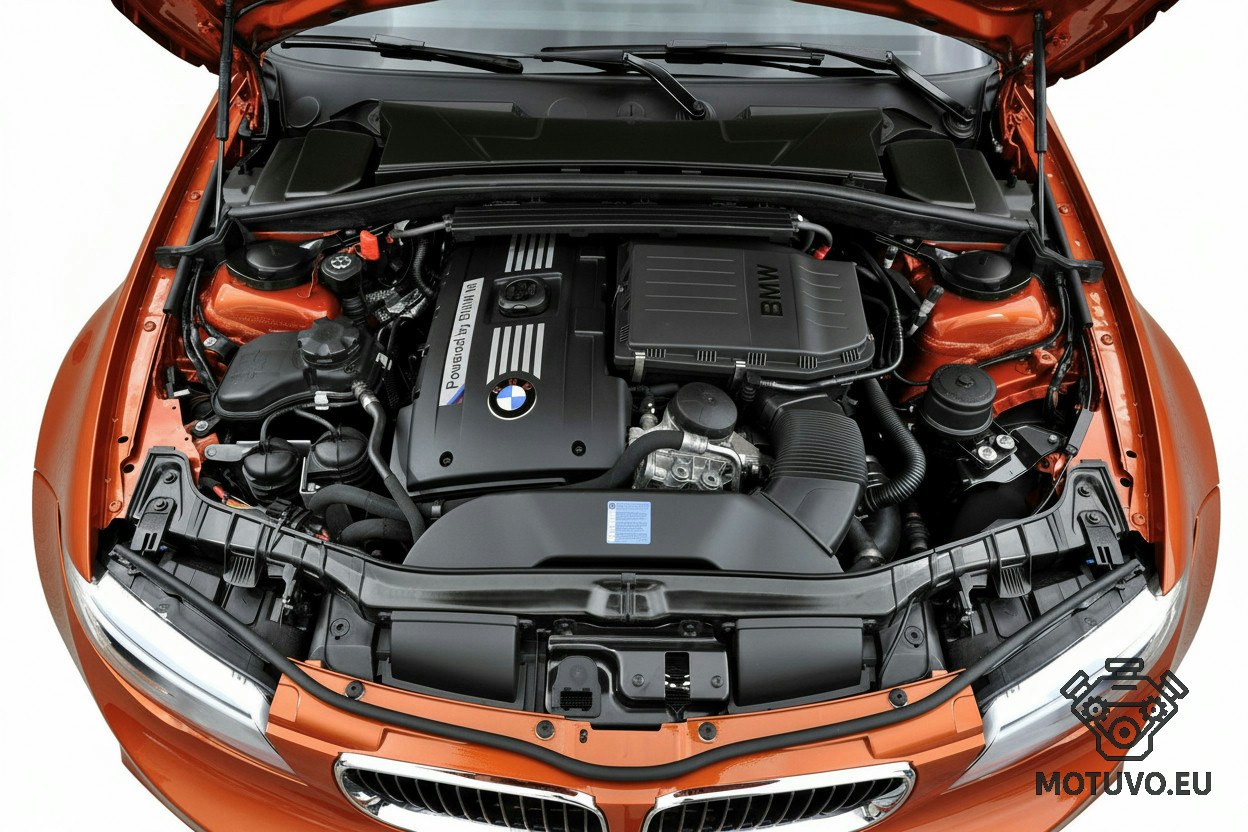
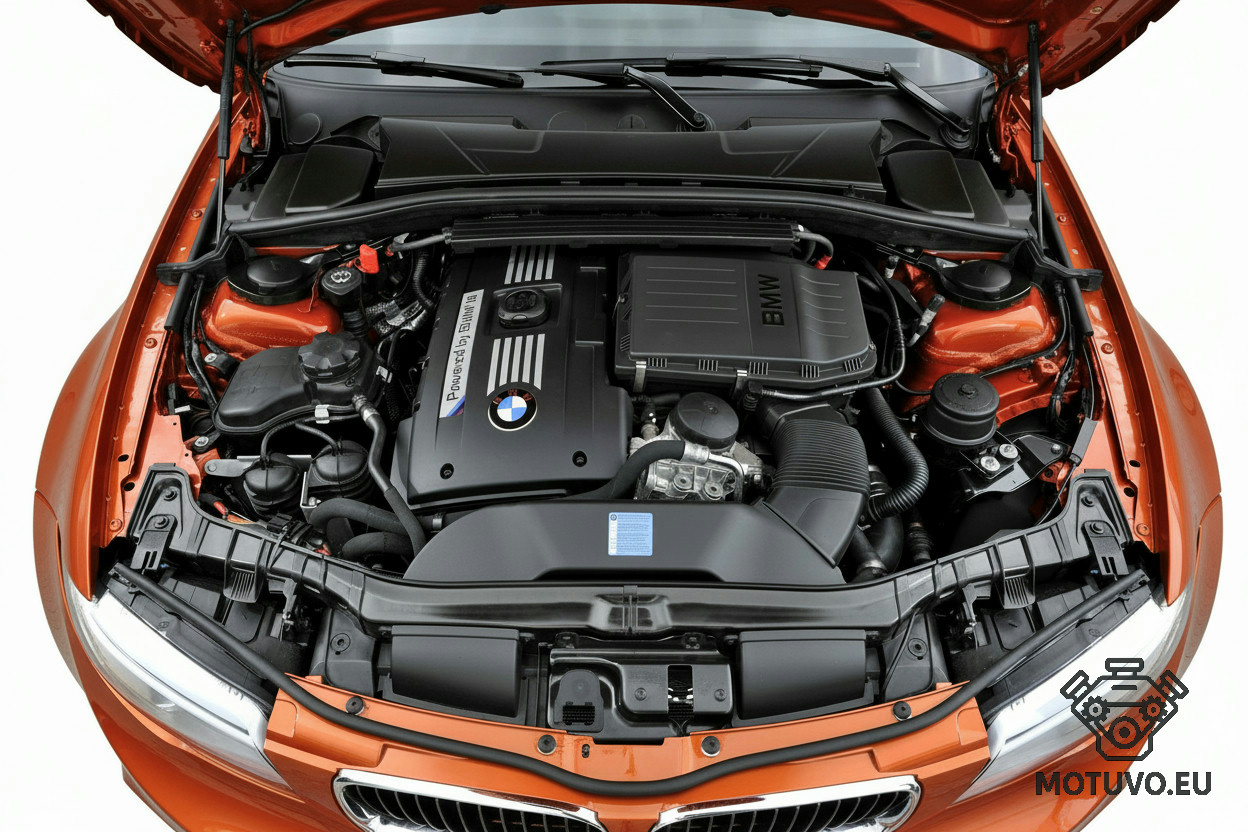
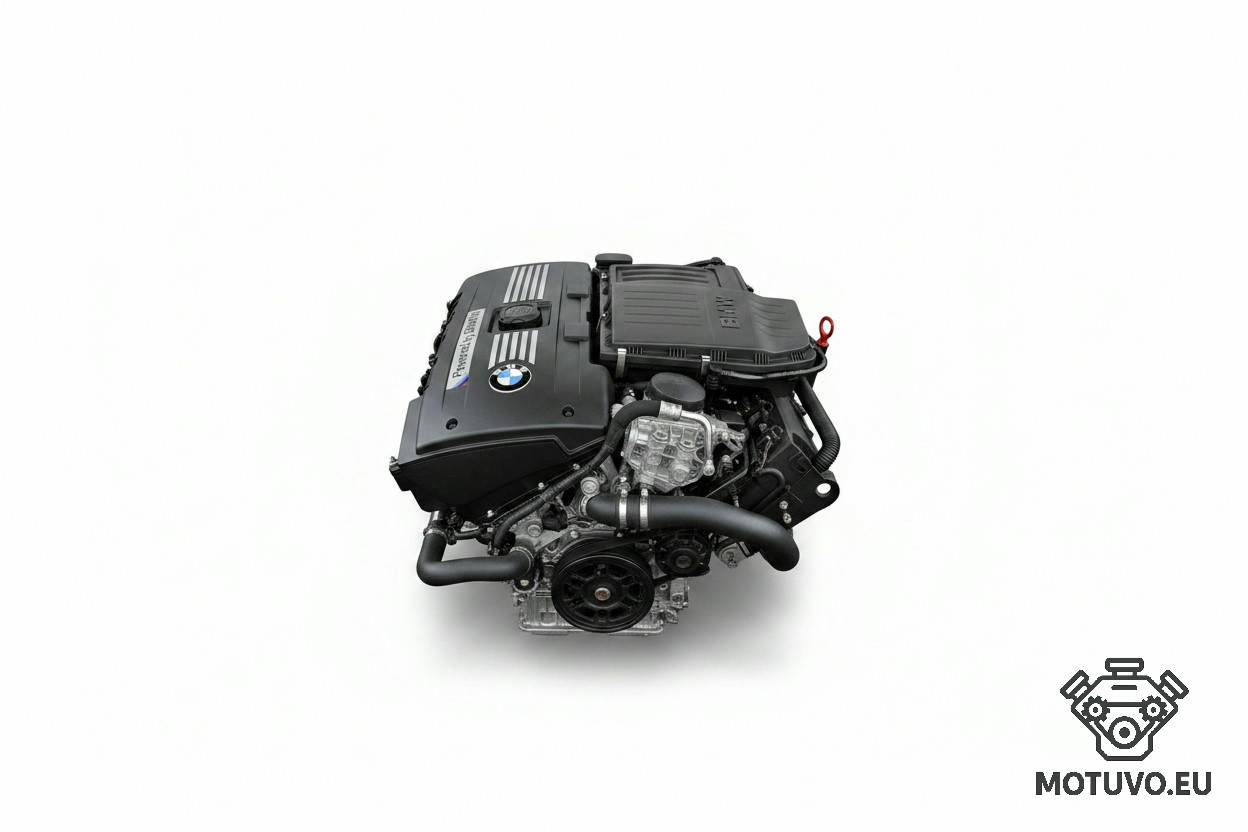
The N54B30 is a 3.0-litre BMW petrol engine from the N54 family of twin-turbocharged inline-six engines. The Motuvo.eu catalogue entry covered here specifies 250 kW, equivalent to approximately 340 metric horsepower. It is associated with the E82 1 Series M Coupe and E89 Z4 sDrive35is applications detailed below.
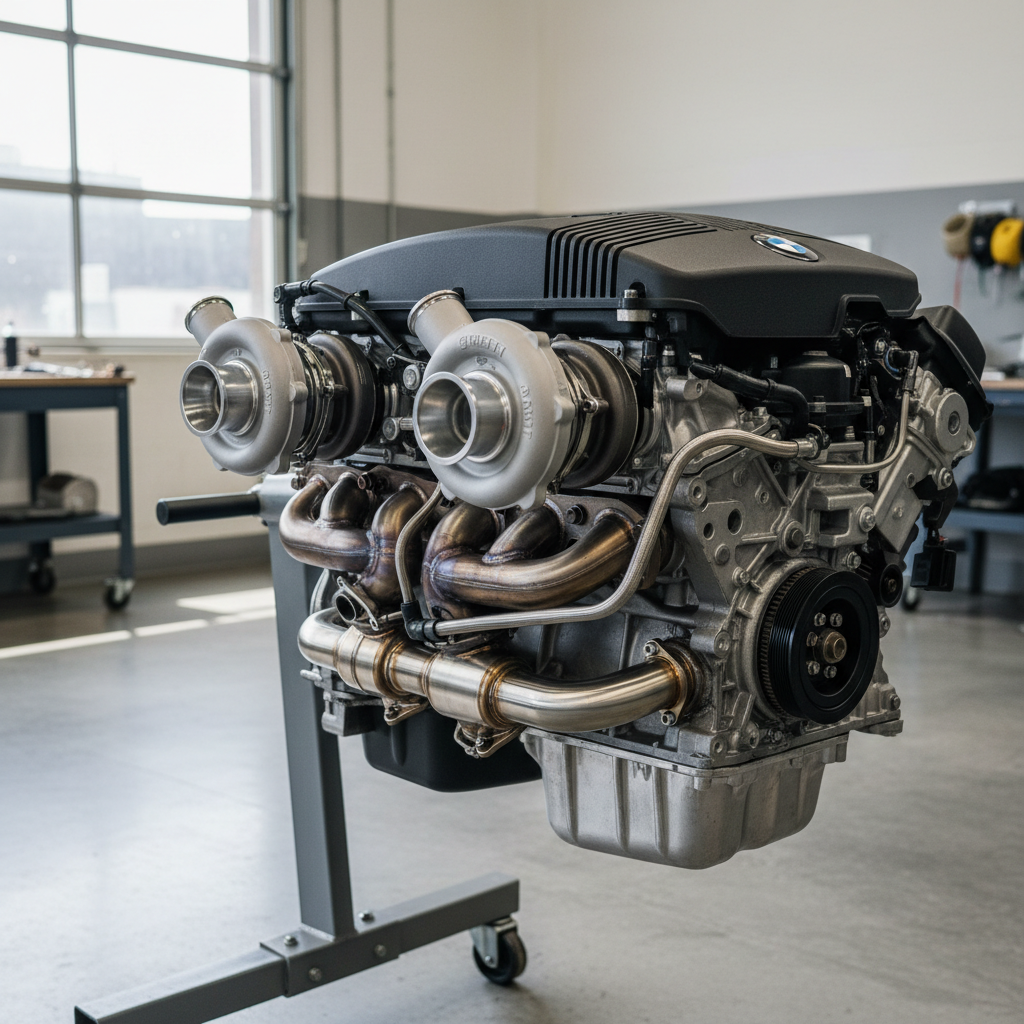
The N54 combines direct petrol injection, two turbochargers and an aluminium engine structure. Each turbocharger serves three cylinders, helping deliver strong mid-range torque without relying on a single large turbocharger. Its smooth six-cylinder layout and broad power delivery make it appealing, but buying a replacement requires more than matching displacement and engine-family code.
How Popular and Widely Used Is the N54?
The N54 is a well-established BMW performance engine family with a substantial independent repair and enthusiast community. Its popularity has supported extensive diagnostic knowledge, aftermarket components and specialist rebuilding services. That support is useful when assessing a used engine or planning preventative maintenance.
However, the wider popularity of the N54 family does not make every N54 assembly interchangeable. Different output versions and vehicle installations can have different ancillary equipment, software requirements and installation hardware. The 250 kW configuration listed here should therefore be treated as a specific purchasing requirement rather than a generic replacement for any BMW 3.0-litre petrol engine.
Many surviving engines have also experienced modifications or demanding use. Documented maintenance, operating condition and evidence of previous repairs matter more than the engine family's reputation alone.
Other Part Numbers and Variants
N54B30 is an engine designation, not a complete vehicle-specific BMW replacement part number. Although it identifies the engine family and displacement class, it does not by itself establish the exact assembly specification, supplied accessories or compatibility with a particular chassis.
The N54 family includes different factory output configurations. A lower-output donor should not be assumed to become a correct 250 kW replacement simply by changing software. Confirm the donor's identification, relevant BMW assembly references and hardware against the receiving vehicle's VIN.
The catalogue also lists the B58B30M1, S58B30T0, M156B, DCKA / DCJA, DKKA / DKKB, CGWC, DLZA / CWGD, DCHA, DKCA and XFX as related engines. These are catalogue alternatives, not N54B30 cross-reference numbers or confirmed substitutes. In particular, the B58 and S58 belong to different BMW engine families. Similar displacement or power does not establish mechanical or electronic compatibility.
Catalogue Model Applications
The supplied catalogue associates this 3.0-litre, 250 kW N54B30 with the following specific applications:
- 2011 BMW E82 1 Series M Coupe.
- 2011–2016 BMW E89 Z4 sDrive35is.
The broader catalogue categories are BMW 1 Series and BMW Z4. They should not be interpreted as covering every engine option within those model ranges. Other trims, production dates and power ratings require separate verification.
Before ordering, compare the vehicle VIN, existing engine identification, transmission arrangement and donor specification. Even where the basic engine architecture matches, external parts and installation details may need to be transferred from the original engine.
Strong Points of the N54B30
Smooth Performance and Strong Torque
The inline-six layout provides inherently good mechanical balance, while twin turbocharging delivers a substantial spread of torque. In standard specification, this combination supports responsive acceleration without requiring constant high engine speeds.
Established Repair Knowledge
The N54's long service history means experienced specialists are familiar with its fuel system, boost control and cooling requirements. Common symptoms can often be investigated through structured testing rather than speculative parts replacement. Access to BMW-capable diagnostics is especially valuable.
Potential for Continued Service
A mechanically sound N54 with effective cooling, correct lubrication and properly functioning fuel delivery can remain a useful performance engine. Its tuning reputation is well known, but increased output places additional demands on the engine and supporting systems. For a replacement purchase, verified standard-condition operation is generally more informative than claimed tuning capability.
Weak Points and Common Failures
High-Pressure Fuel Pump and Injectors
The N54's direct-injection system deserves close attention. High-pressure fuel pump problems can cause extended cranking, reduced-power operation and fuel-pressure faults. Injector leakage or poor spray performance can produce rough cold starts, misfires and fuel dilution of the oil. Diagnosis should include pressure measurements and injector assessment rather than assuming every misfire is an ignition fault.
Replacement injectors must follow the applicable compatibility and calibration requirements. Injector index information and calibration values matter; arbitrary mixing or installation without the necessary diagnostic procedures can create further running problems.
Turbocharger Wear and Boost Leaks
Wastegate linkage wear can cause rattling and difficulty maintaining requested boost. Turbocharger bearing or sealing problems may also occur, although smoke alone does not prove turbocharger failure. Check crankcase ventilation, oil condition and other possible causes before condemning the turbos. Split charge pipes, damaged hoses and vacuum-control faults can also cause low boost.
Cooling System and Oil Leaks
The electric coolant pump and thermostat are important inspection points. Pump failure can lead to overheating, so cooling faults should never be dismissed. Common oil-leak areas include the valve cover, oil filter housing gasket and sump gasket. Oil reaching the auxiliary drive belt is particularly concerning: a damaged or displaced belt can create serious secondary engine damage.
Intake Deposits and Crankcase Ventilation
Because fuel is injected directly into the cylinders, it does not wash the backs of the intake valves. Deposits can accumulate and contribute to rough running or reduced airflow. Specialist intake-valve cleaning may be appropriate after inspection. Crankcase ventilation faults can also affect idle quality, oil consumption and smoke, while ageing spark plugs and ignition coils remain routine misfire checks.
What to Consider When Replacing an N54B30
Start by establishing why the original engine failed. An unresolved cooling fault, leaking injector, lubrication problem or contaminated supporting system can damage the replacement. Engine installation should address the underlying cause, not just exchange the main assembly.
- Verify identity: Match the VIN, engine markings, donor details and applicable assembly references.
- Confirm the supply scope: Ask whether the offer includes turbochargers, injectors, fuel pump, manifolds, wiring and other accessories. Do not assume a complete dressed engine is supplied.
- Request condition evidence: Seek available service records, mileage documentation, running-test results and compression or leak-down measurements.
- Inspect before installation: Check for overheating evidence, oil contamination, abnormal deposits, damaged connectors and excessive turbocharger play.
- Plan installation work: Assess accessible seals, cooling components, belts and mounts, replacing items according to condition and service requirements.
- Confirm commercial terms: Establish whether the unit is used, rebuilt or new, and obtain the written warranty, installation conditions and any exchange requirements.
After installation, follow the correct lubrication priming and cooling-system bleeding procedures. Complete any required injector calibration, adaptations and electronic checks. Verify oil pressure, fuel pressure, coolant temperature, misfire data and boost operation before sustained load testing.
Buy an N54B30 Engine at Motuvo.eu
Looking for a replacement for a listed 1 Series M Coupe or Z4 sDrive35is application? Buy the N54B30 250 kW engine at Motuvo.eu. Before ordering, confirm current availability, exact supplied components, condition and warranty terms. Provide your VIN and existing engine details so compatibility can be checked against the offered unit.