BMW N54B30 229 kW Engine: Applications and Buying Guide
Introduction to the BMW N54B30 Engine
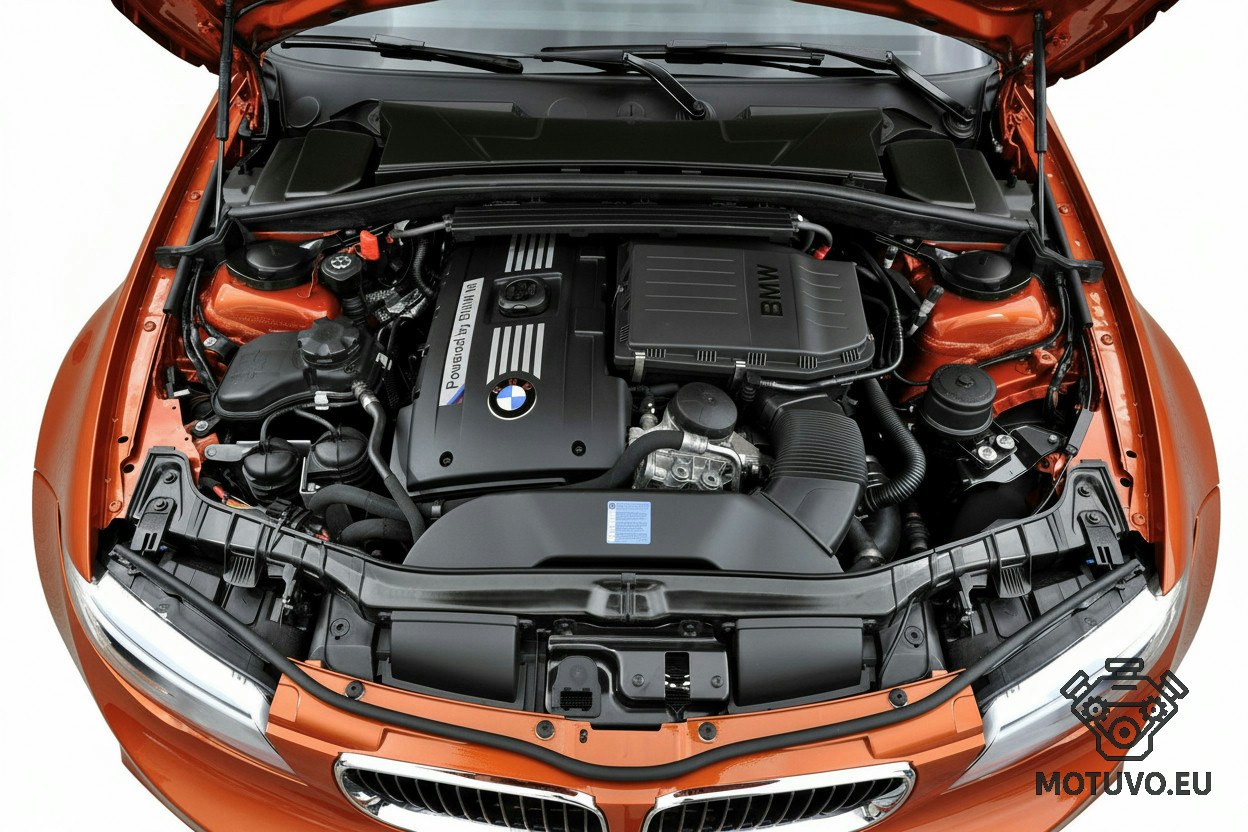
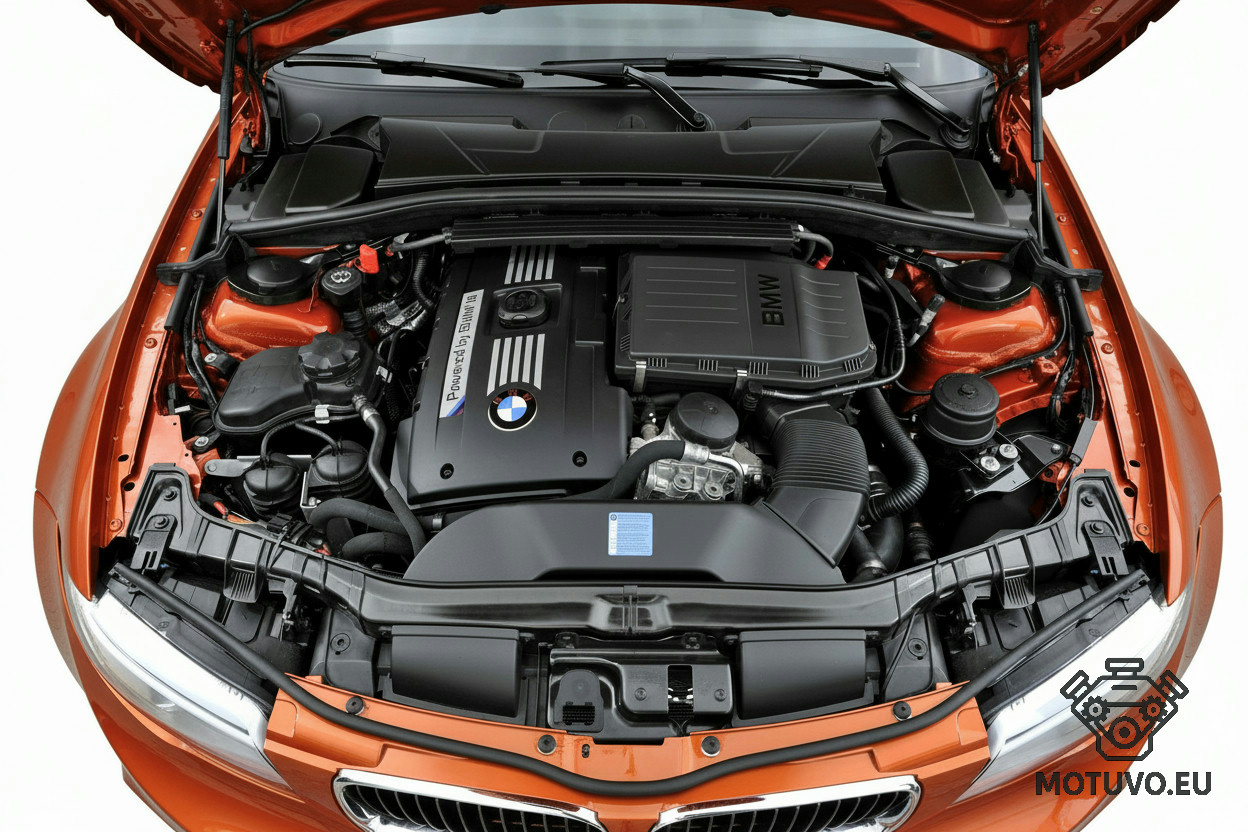
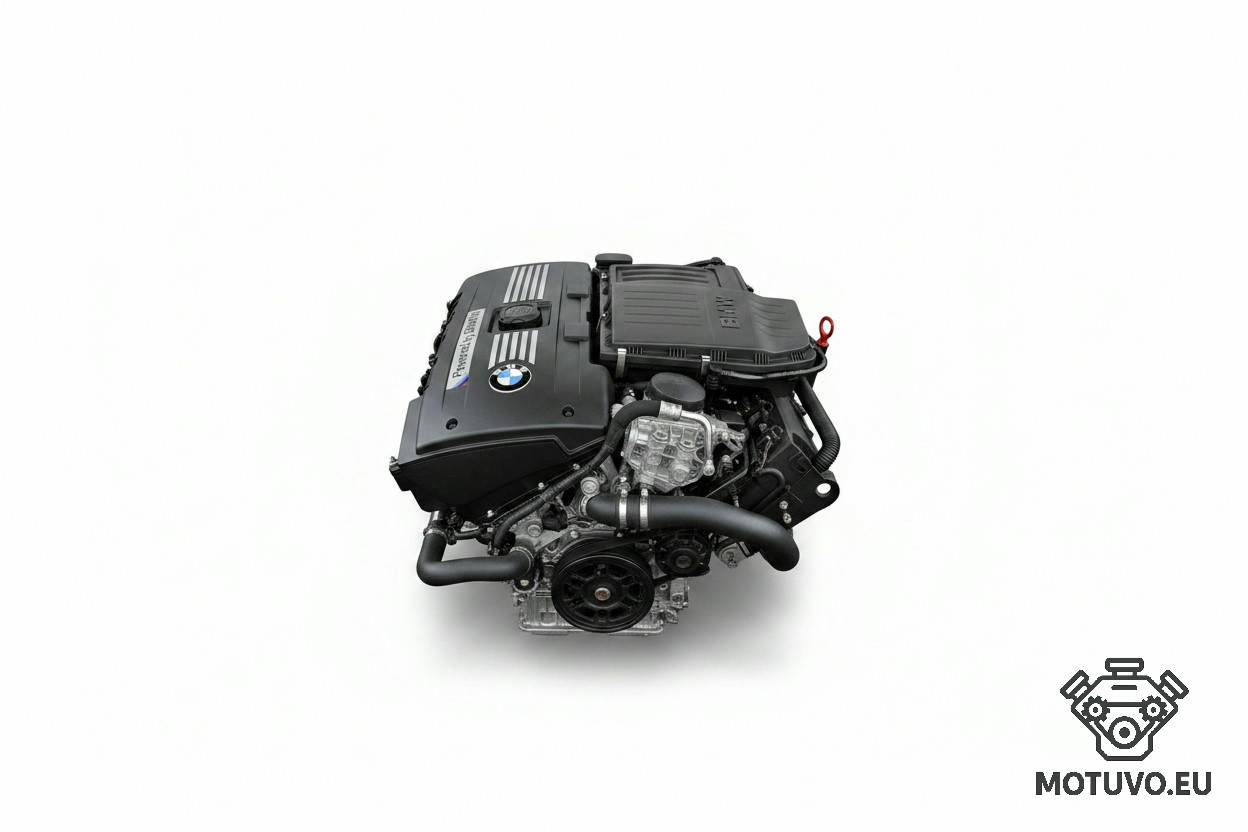
The N54B30 is a 3.0-litre BMW petrol engine from the N54 family, known for its straight-six layout, direct fuel injection and twin turbochargers. Motuvo.eu lists this engine at 229 kW. It combines the smooth running characteristics of an inline-six with strong turbocharged torque, making it an appealing replacement option for an appropriately matched BMW.
However, the engine designation alone is not enough to confirm compatibility. The catalogue references the F01 740i and E92/E93 335is, but those applications are commonly associated with factory ratings of 240 kW. The listed 229 kW figure should therefore be checked against the donor engine specification and the recipient vehicle. Treat the catalogue entry as a starting point for identification, not proof that every N54B30 installation is identical.
How Popular and Widely Used Is the N54B30?
The N54 is one of BMW's best-known modern turbocharged petrol engine families. Its combination of a 3.0-litre capacity, responsive torque delivery and substantial tuning interest has created a large independent servicing and replacement-parts market. Specialists are generally familiar with its fuel system, turbocharger controls and recurring maintenance requirements.
That popularity is useful when maintaining an original car or sourcing a replacement engine: diagnostic knowledge and service components are widely available. It also means that used examples may have experienced modified boost settings, non-standard software or demanding use. A documented, correctly identified engine is more valuable than one selected simply because the N54 name has a strong performance reputation.
Other Part Numbers and Variants
N54B30 is an engine designation rather than a universal replacement assembly part number. Engines within the family can differ in output specification, production details and attached equipment. BMW replacement assembly numbers and component revisions should be established through a VIN-based parts lookup, supported by the donor engine's identifying marks.
Do not assume that a seller's description of “N54 3.0” establishes the correct turbochargers, sump, wiring, fuel-system components or accessory arrangement. The engine management calibration and supplied hardware must suit the intended installation.
The Motuvo.eu catalogue also contains B58B30M1 and S58B30T0 engines, alongside other 3.0-litre petrol listings. These are separate engine families, not alternative part numbers for the N54B30. A matching displacement or similar power output does not make an engine interchangeable. Replacing an N54 with a different family would be a conversion project, not a straightforward engine replacement.
Model Applications Listed in the Catalogue
The supplied catalogue identifies the following applications:
- BMW 7 Series: 2008–2012 F01 740i.
- BMW 3 Series: 2011–2013 E92/E93 335is.
These are the model references supplied for this product; they should not be expanded into a blanket compatibility claim for all BMW 3 Series or 7 Series vehicles. Registration year, production date and market specification can differ, so the vehicle badge and year alone are insufficient.
For either listed application, confirm the VIN, original engine identification and required output specification before ordering. In particular, resolve the difference between the product's 229 kW rating and the commonly published ratings for the named vehicles. Request donor details and photographs where available rather than assuming the discrepancy is merely a labelling issue.
Strong Points of the N54B30
Smooth Six-Cylinder Operation
The inline-six configuration provides inherently good primary and secondary balance. In sound condition, the N54 delivers refined operation and a broad spread of usable performance. Its aluminium crankcase also helps limit weight compared with an equivalent cast-iron design.
Effective Twin-Turbo Performance
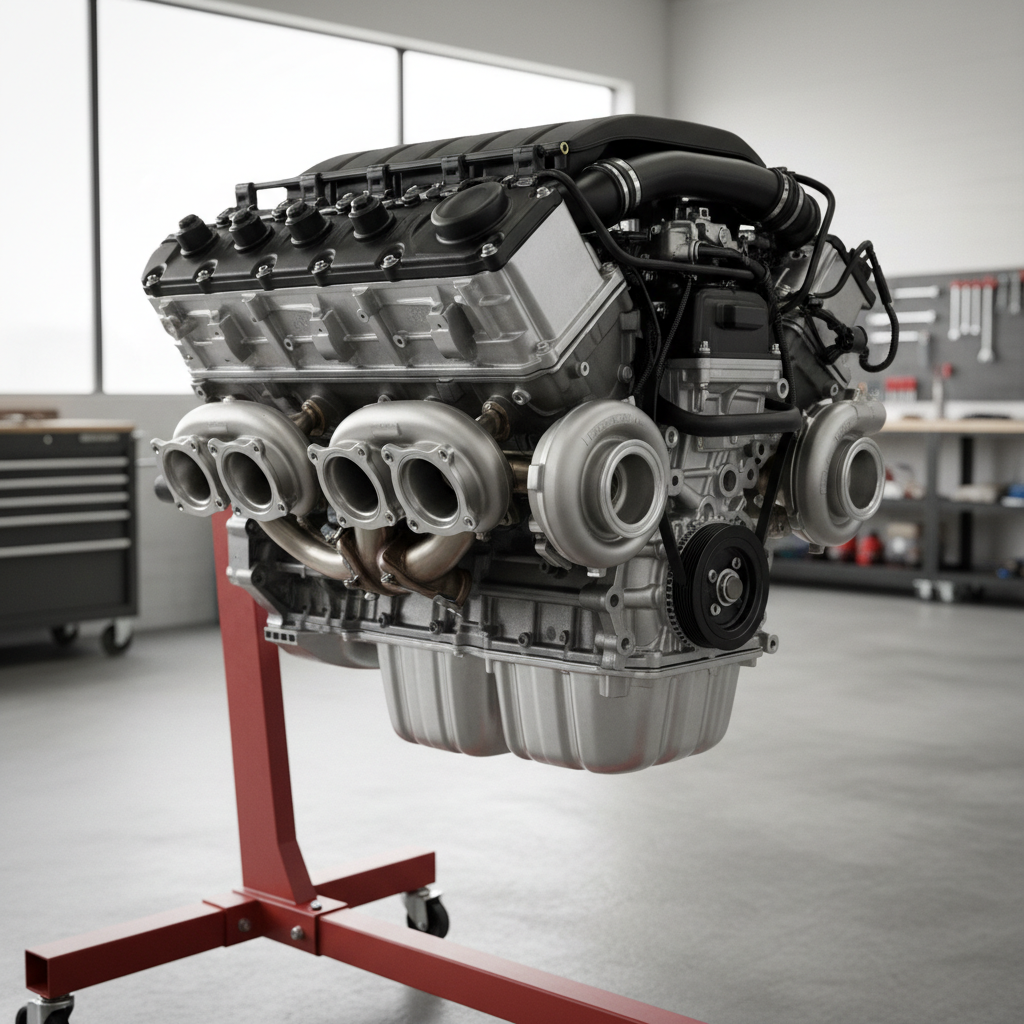
The N54 uses two relatively small turbochargers, each supplied by three cylinders. This arrangement supports strong low- and mid-range torque without relying on a single large turbocharger. Direct injection and double-VANOS variable camshaft timing contribute to the engine's performance characteristics.
Established Specialist Support
Extensive workshop experience with the N54 makes systematic fault diagnosis practical. A healthy engine can provide an excellent driving experience, but its reputation for tuning potential should not be confused with immunity to wear. Standard calibration, verified maintenance and a sound cooling system are sensible priorities for a replacement installation.
Weak Points and Common Failures
High-Pressure Fuel Pump and Injectors
The high-pressure fuel pump is a recognised N54 trouble area. Long cranking, reduced-power operation and fuel-pressure faults can indicate a problem, although testing must also consider the low-pressure supply. Direct injectors can develop leakage or poor spray behaviour, causing rough running, misfires and fuel-contaminated oil. Injector revisions, compatibility and calibration values must be handled correctly; replacing injectors is not simply a mechanical swap.
Turbochargers, Wastegates and Boost Leaks
Wastegate mechanism wear can produce rattling and contribute to boost-control problems. Turbocharger wear may cause smoke or oil consumption, but crankcase ventilation and oil drainage should also be checked before condemning the turbos. Split charge pipes, leaking connections, vacuum faults and control components can produce similar underboost symptoms.
Cooling-System and Oil-Leak Problems
The electric coolant pump and thermostat deserve particular attention. Pump failure can lead to rapid overheating, making warning messages and stored faults important evidence when assessing a used engine. Common oil-leak locations include the valve cover, oil filter housing gasket and oil pan gasket. Oil contamination around the auxiliary belt needs prompt attention because belt damage can escalate into serious mechanical trouble.
Intake Deposits and Ignition Faults
Because fuel is injected directly into the cylinders, it does not wash the intake valves. Deposits can accumulate and contribute to uneven idle or reduced performance; specialist intake cleaning may be required. Worn spark plugs and failing ignition coils are also common misfire causes. Persistent faults should be investigated with compression or leak-down testing rather than repeated parts replacement.
What to Consider When Replacing an N54B30
Start by establishing why the original engine failed. Overheating, lubrication problems, leaking injectors or debris in the intake system can damage a replacement if the underlying cause remains. Inspect the supporting systems before fitting another long block.
- Confirm identity: match the vehicle VIN, engine markings, donor information and applicable BMW assembly references.
- Clarify supply scope: establish whether the engine includes turbochargers, injectors, fuel pump, manifolds, wiring and accessories.
- Request condition evidence: ask for mileage documentation, test results and running footage where available. Check rebuilt-engine work scope separately.
- Check installation hardware: compare the sump, mounts, brackets, pipework and electrical connections with the original assembly.
- Plan preventive work: inspect accessible seals, cooling components, belts and hoses while access is straightforward.
- Review purchase terms: confirm warranty conditions, fitting requirements, delivery arrangements and any exchange-engine obligation.
Installation should include appropriate fresh fluids and filters, correct lubrication-system preparation and the specified cooling-system bleeding procedure. Injector calibration entry, diagnostic adaptations or other programming may be necessary depending on the components transferred. Finish with fault-code checks, leak inspection and monitored operation under progressively increasing load.
Buy Your N54B30 Engine at Motuvo.eu
If you need a replacement for one of the listed BMW applications, explore the N54B30 229 kW engine at Motuvo.eu. Before buying, provide your VIN and original engine details, and confirm the power specification, included components and current availability. A carefully matched engine and properly prepared installation offer the best foundation for dependable service.