BMW N54B30 225 kW Engine: Applications and Buying Guide
Introduction to the BMW N54B30 Engine
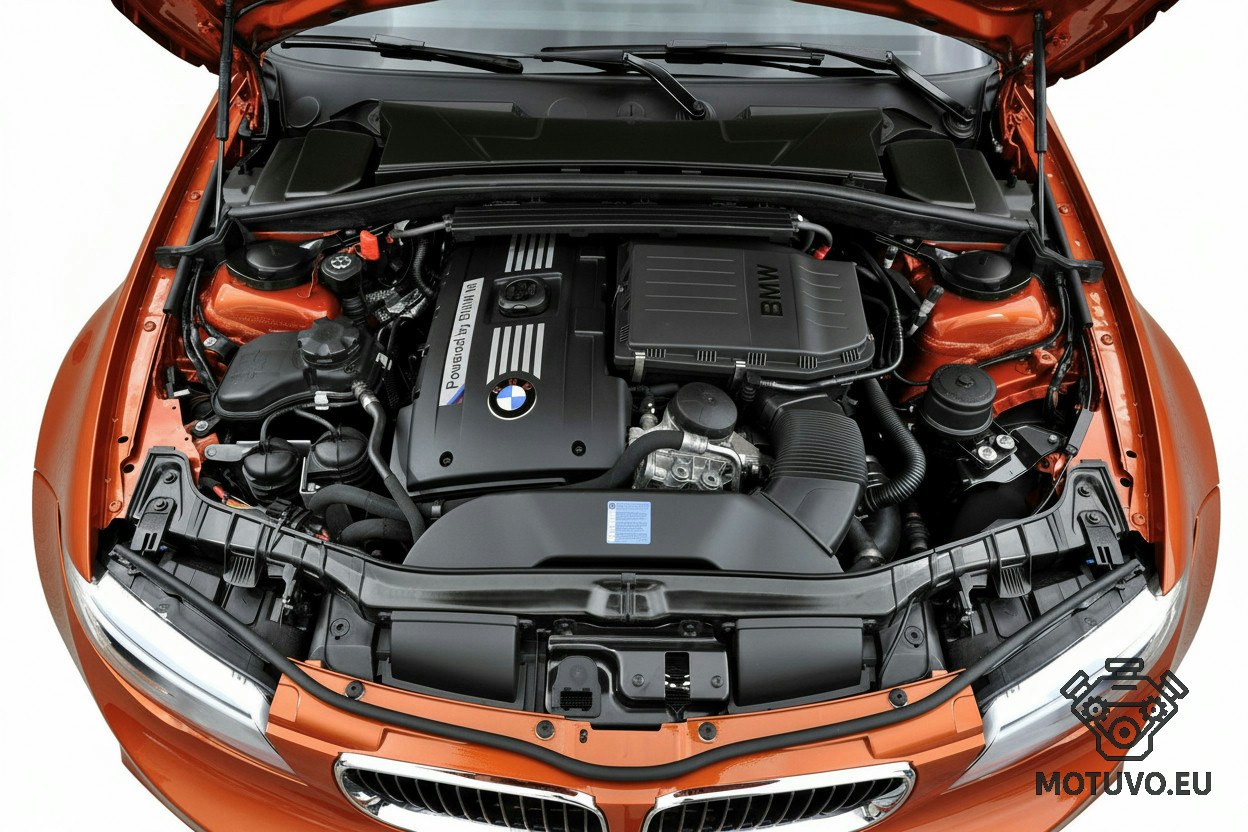
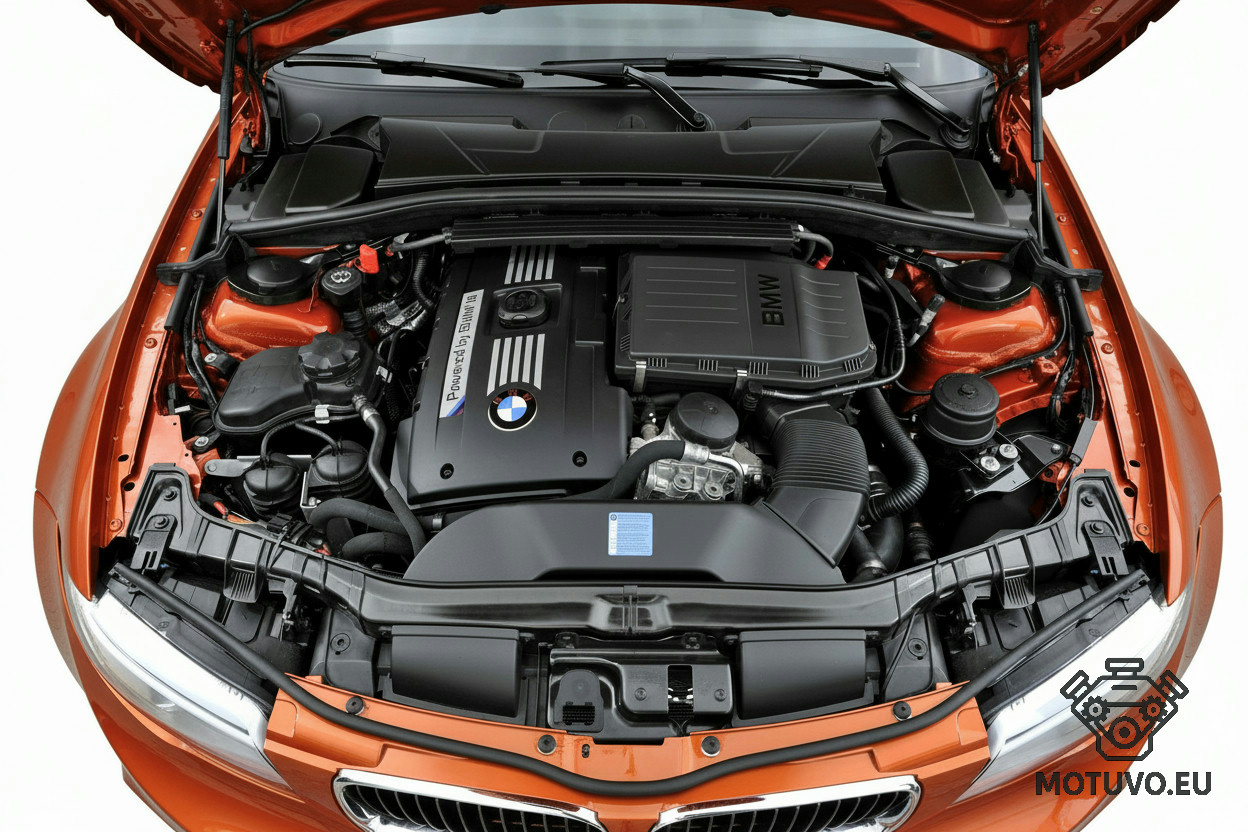
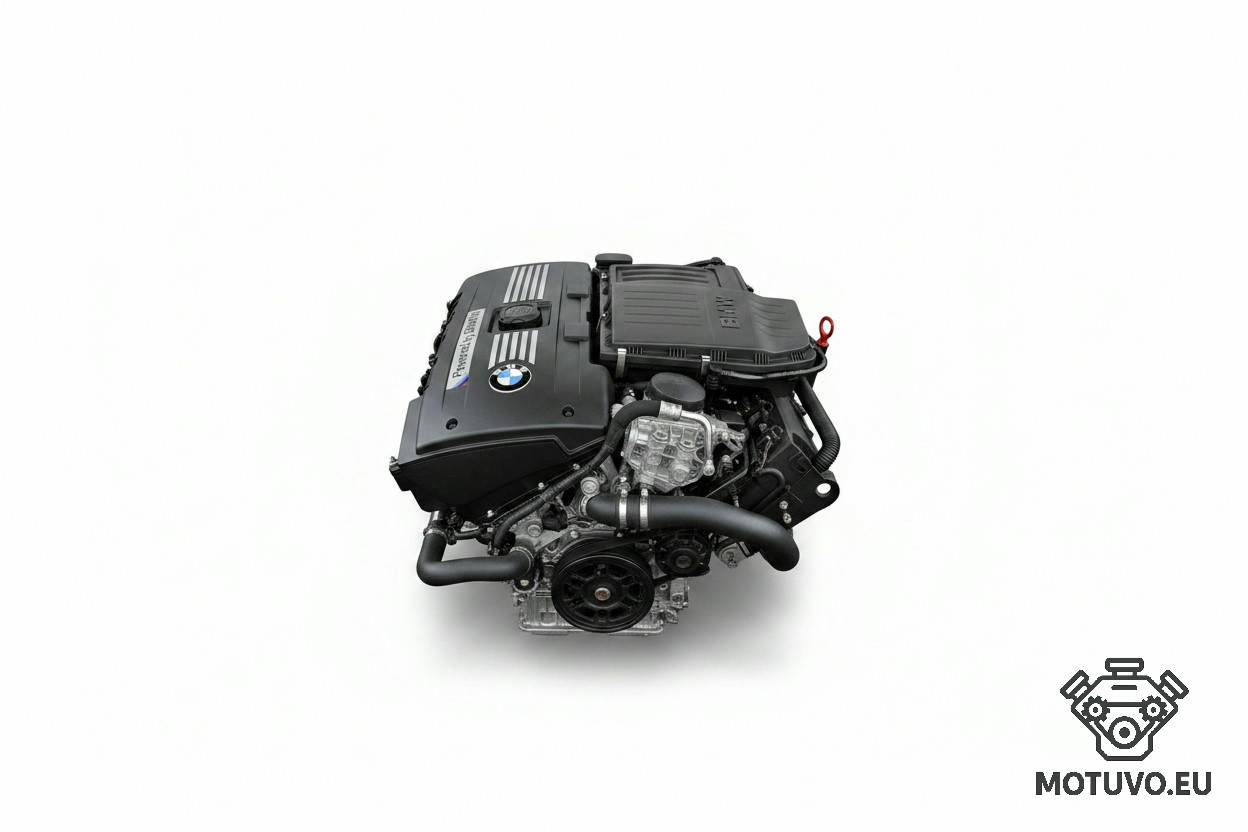
The BMW N54B30 is a 3.0-litre, turbocharged, inline-six petrol engine. The engine listed here produces 225 kW, equivalent to approximately 306 metric horsepower. It belongs to BMW’s N54 family, which combines direct petrol injection with two turbochargers to deliver strong mid-range torque and smooth power delivery.
Unlike later BMW six-cylinder engines that use a single twin-scroll turbocharger, the N54 uses two separate turbochargers, each serving three cylinders. Its aluminium crankcase, double overhead camshafts and variable camshaft timing make it a sophisticated engine, but successful ownership depends on careful maintenance. For replacement buyers, the engine code is a starting point rather than a complete compatibility guarantee.
How Popular and Widely Used Is the N54B30?
The N54 became an important engine in BMW’s transition towards turbocharged petrol performance. Its broad torque delivery suited compact performance cars, executive models, roadsters and larger vehicles. The catalogue applications cover five BMW model ranges, demonstrating how widely the engine was used across different vehicle layouts and operating requirements.
Its popularity also created a substantial independent repair and aftermarket support network. Many workshops are familiar with N54 diagnostics, intake-valve cleaning, injector issues and turbocharger repairs. This experience can make fault-finding more straightforward, although specialist labour and correctly matched components remain important.
The engine is also well known among tuning enthusiasts. That makes service history particularly valuable when purchasing a used unit: an engine previously exposed to increased boost pressure may have experienced greater thermal and mechanical loads than a standard example.
Other Part Numbers and Engine Variants
N54B30 is an engine designation, not a universal BMW ordering number for every complete engine assembly. BMW service part numbers can vary by vehicle, production date, market and the scope of the supplied assembly. A bare engine, a replacement long block and an engine supplied with ancillary equipment are not necessarily interchangeable packages.
The N54 family includes different output versions and application-specific configurations. A matching basic engine code does not establish that the sump, mounts, turbocharger plumbing, wiring or ancillary brackets match the recipient vehicle. Confirm the donor specification and relevant BMW part references against the vehicle identification number before ordering.
The catalogue also lists engines such as the B58B30M1 and S58B30T0. These belong to different BMW engine families and are not direct N54B30 substitutes. Similarly, other 3.0-litre petrol engines in the catalogue should not be treated as alternatives merely because displacement or output is comparable. A like-for-like replacement is normally the most practical route.
Catalogue Model Applications
The supplied catalogue identifies the following applications for this N54B30 listing. These dates describe the catalogue coverage; verify the original engine and vehicle specification, particularly around production changeovers.
- BMW 3 Series: 2006–2010 E90, E91, E92 and E93 335i.
- BMW 5 Series: 2007–2010 E60 and E61 535i.
- BMW 1 Series: 2007–2010 E82 and E88 135i.
- BMW X6: 2008–2010 E71 X6 xDrive35i.
- BMW Z4: 2009–2016 E89 Z4 sDrive35i.
Badging alone is insufficient for identification. Production changes, market differences and previous engine replacements can affect what is actually installed. Check the VIN, engine identification and existing component arrangement rather than relying only on the registration year or model name.
Strong Points of the N54B30
Smooth Performance and Broad Torque Delivery
The inline-six layout provides excellent inherent balance, while the twin-turbo system delivers useful torque without requiring high engine speeds. In standard form, the 225 kW specification offers a strong combination of everyday flexibility and performance. Direct injection supports precise fuel delivery, while variable camshaft timing helps manage breathing across the operating range.
Capable Core Engine Architecture
The N54 has a well-regarded core structure, including a forged crankshaft. A healthy, correctly maintained engine can provide durable service at its intended output. However, this reputation should not be confused with immunity to lubrication problems, overheating or excessive cylinder pressures from unsuitable tuning.
Established Repair Knowledge
Another practical advantage is the depth of available diagnostic experience. Familiar fault patterns allow a knowledgeable workshop to distinguish internal engine damage from fuel-system, ignition, cooling or boost-control problems. That distinction matters because poor running does not automatically justify replacing the entire engine.
Weak Points and Common Failures
High-Pressure Fuel Pump and Injectors
High-pressure fuel pump faults can cause extended cranking, reduced power and fuel-pressure errors. Direct injectors may develop leakage or poor spray patterns, producing rough starts and misfires. Diagnosis should include pressure measurements and injector assessment rather than indiscriminate replacement. Injector compatibility, revision requirements and calibration entry must be checked during repairs.
Intake-Valve Carbon Deposits
Because fuel is injected directly into the cylinders, it does not wash the backs of the intake valves. Oil vapour and other deposits can accumulate there, affecting idle quality and airflow. Mechanical cleaning, commonly walnut-shell blasting with the valves closed, is an established remedy when inspection confirms significant buildup.
Turbochargers, Wastegates and Boost Leaks
Wastegate wear can produce rattling and boost-control faults. Turbocharger wear may also cause oil consumption or smoke, although crankcase ventilation and other causes must be ruled out. Leaking charge pipes, connections and vacuum lines can create similar performance complaints. Pressure testing and control-system checks should precede a turbocharger replacement decision.
Cooling, Oil Leaks and Ignition Faults
The electric coolant pump and thermostat require attention when cooling faults appear. Continued driving with overheating can damage an otherwise repairable engine. Valve-cover and oil-filter-housing leaks are also familiar concerns. Oil contamination around the auxiliary belt deserves prompt action because belt deterioration and displacement can have serious consequences. Spark plugs and ignition coils are further checks when investigating load-related misfires.
What to Consider When Replacing an N54B30
Establish why the original engine failed before installing another unit. Cooling failure, fuel delivery faults, contaminated oil or damaged turbochargers can compromise a replacement if left unresolved. A documented diagnosis helps determine which external components can safely be reused.
- Confirm compatibility: compare the VIN, production date, engine identification, sump, mounts and ancillary arrangement.
- Clarify supply scope: establish whether turbochargers, injectors, fuel pump, manifolds, wiring and accessories are included.
- Request condition evidence: ask about mileage documentation, test results, inspection records and rebuild details where applicable.
- Check purchase terms: confirm warranty conditions, installation requirements and any exchange-unit obligations.
- Plan installation consumables: budget for appropriate fluids, filters, seals and any fasteners specified as single-use.
For a rebuilt unit, ask which components were measured, machined or renewed; the term alone does not define the work performed. During installation, follow BMW procedures for lubrication preparation, cooling-system bleeding and any required coding or adaptations. Finish with leak checks, diagnostic monitoring and a controlled road test.
Buy Your N54B30 Engine at Motuvo.eu
Looking for a replacement BMW N54B30 3.0L petrol engine with 225 kW? Visit the N54B30 engine product page at Motuvo.eu to buy this engine and confirm current availability, condition and supply scope. Provide your VIN and original engine details before ordering so compatibility and installation requirements can be checked.