BMW N53B30A 200 kW Engine: Applications and Buying Guide
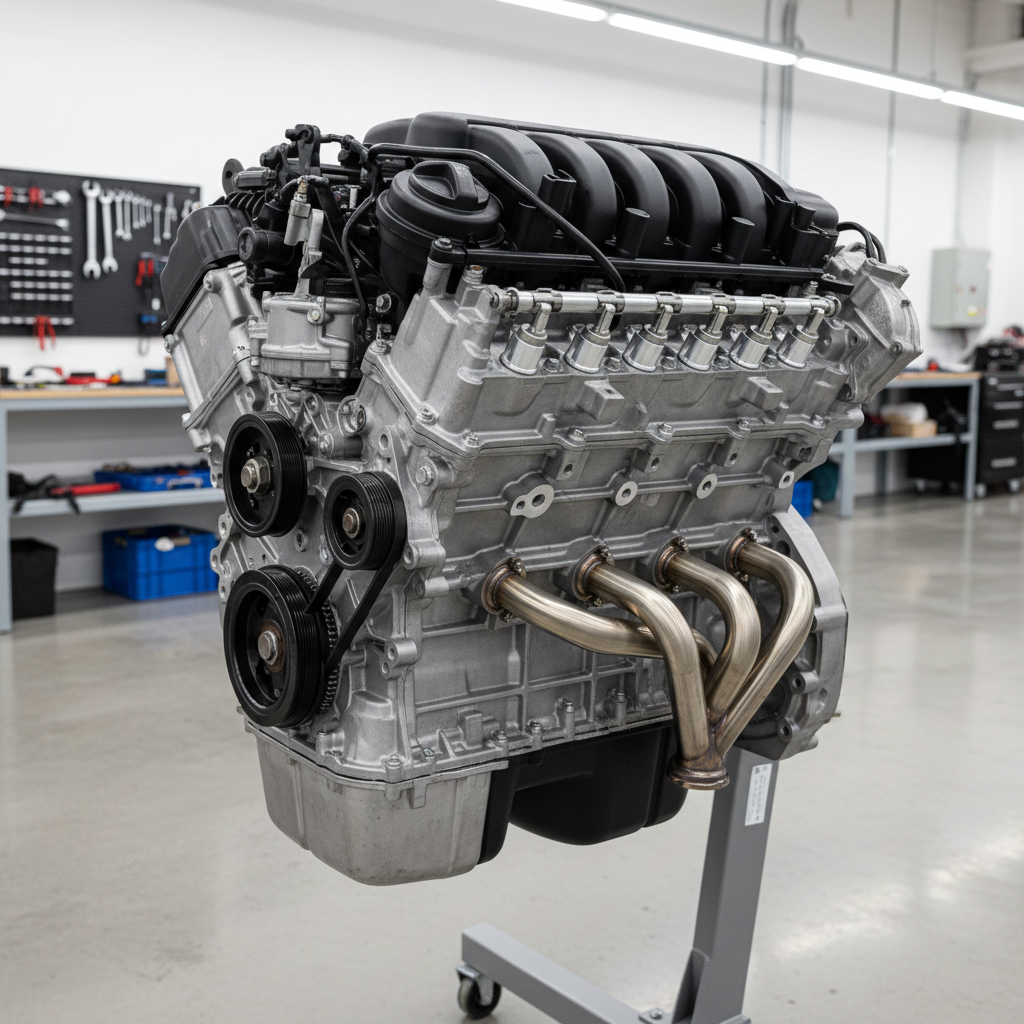
Introduction to the BMW N53B30A Engine
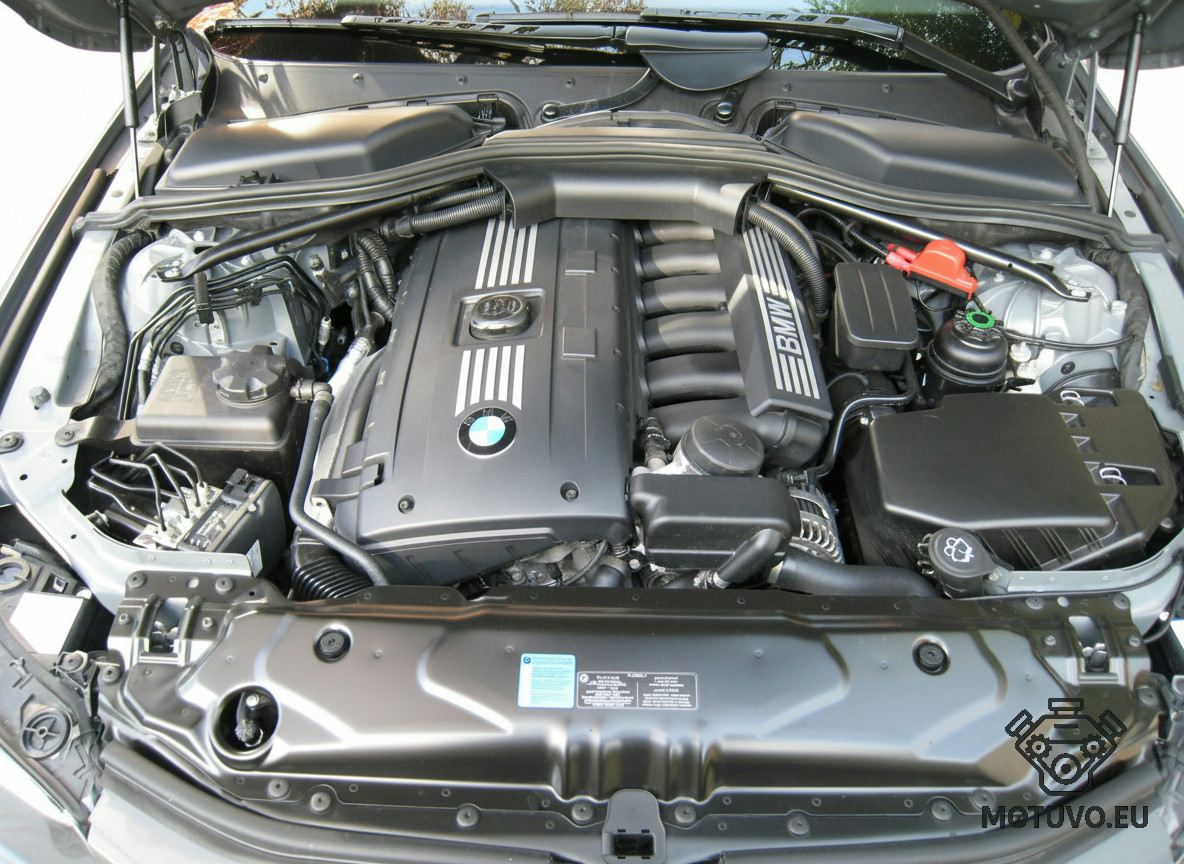
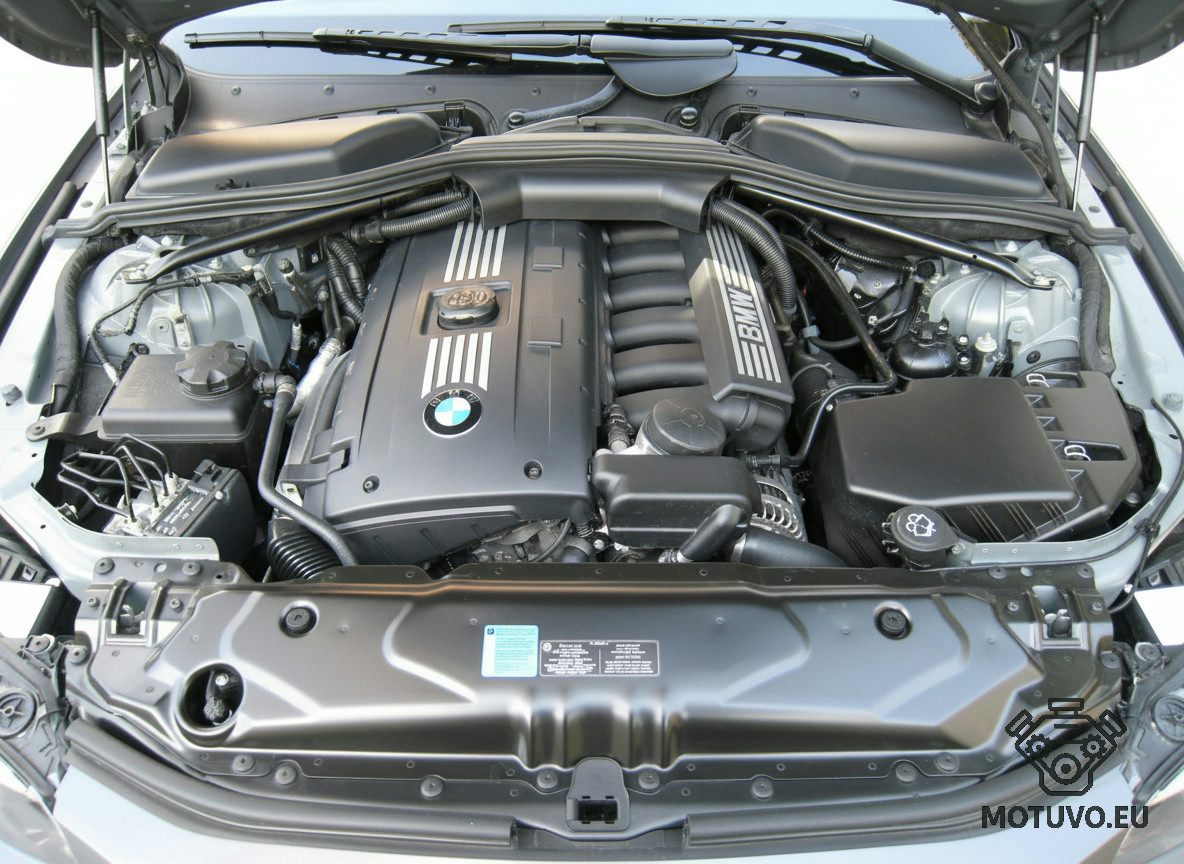
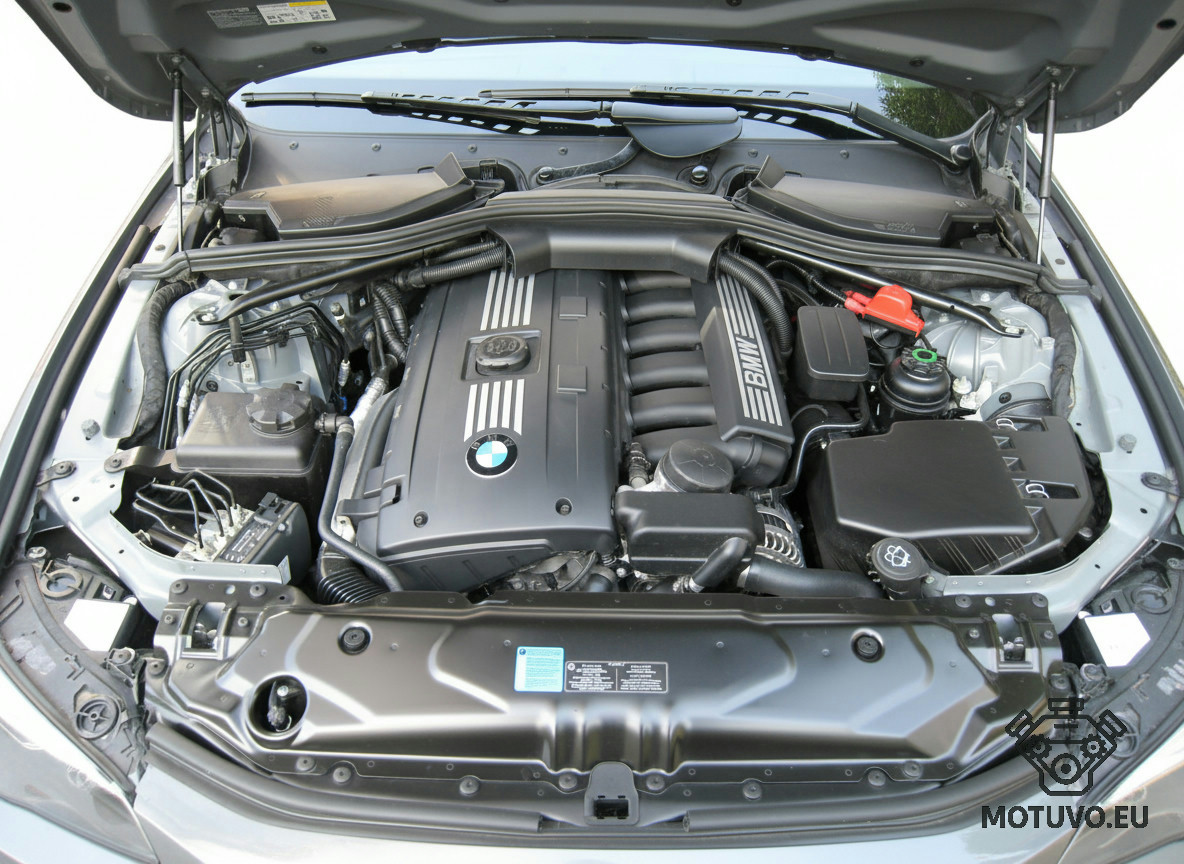
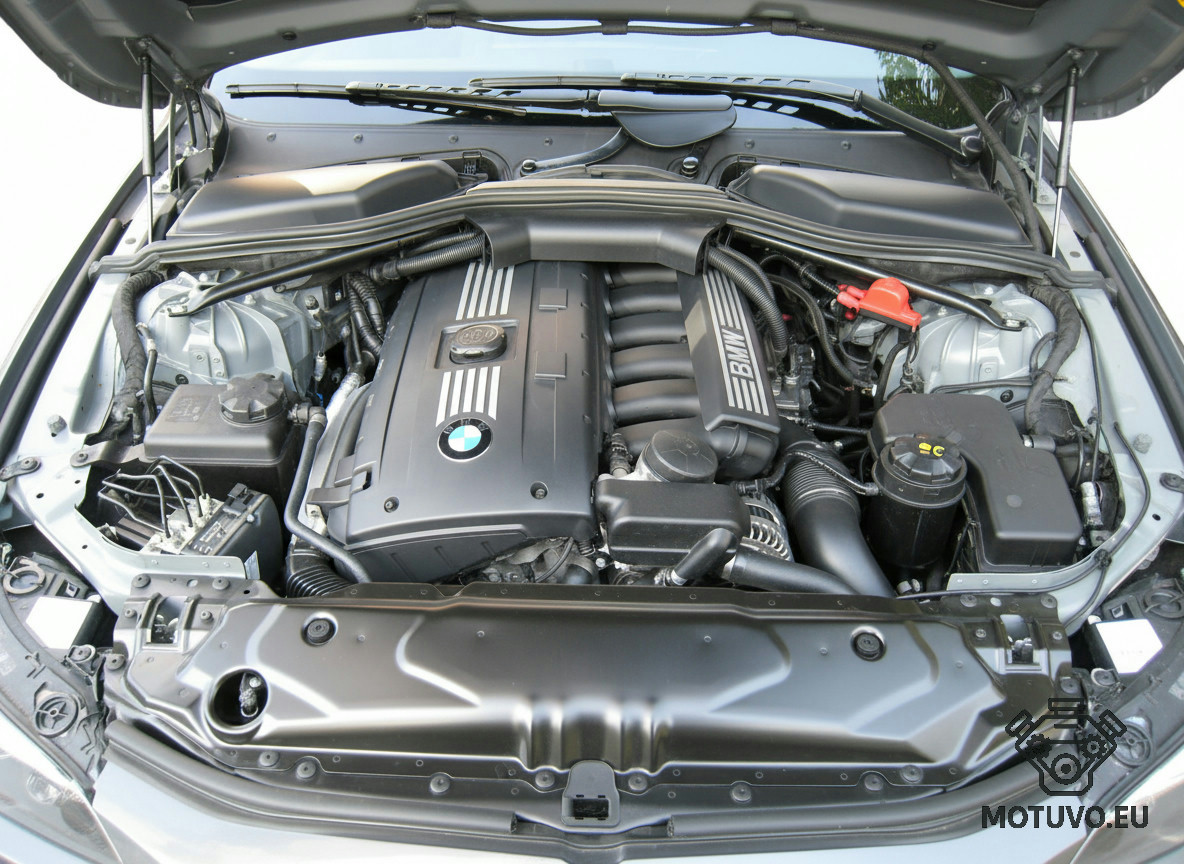
The N53B30A is a BMW 3.0-litre, naturally aspirated, inline-six petrol engine. This Motuvo.eu listing specifies 200 kW, equivalent to approximately 272 metric horsepower. It belongs to the N53 family, which combined BMW’s traditional straight-six layout with high-pressure direct petrol injection.
For owners considering a replacement engine, the N53B30A designation is an important starting point, but it is not a complete compatibility guarantee. Vehicle specification, production date, ancillary equipment and engine management must also match. Understanding both the engine’s strengths and its fuel-system requirements helps buyers choose a suitable unit and avoid transferring unresolved faults into a replacement installation.
How Popular and Widely Used Is the N53B30A?
The N53 powered several BMW petrol models during the late 2000s and early 2010s, particularly in European markets. It occupied an important position between earlier port-injected BMW six-cylinder engines and the turbocharged engines that increasingly followed. Its availability varied by country, partly because its lean-burn emissions technology required suitable low-sulphur petrol.
Consequently, a model badge alone does not identify an N53-equipped vehicle. Cars with the same badge can have different engine families depending on their market and build date. For replacement purposes, the vehicle identification number and the original engine identification should take priority over assumptions based on registration year.
Its presence across the supplied 3 Series, 5 Series and 6 Series applications makes the N53B30A relevant to independent BMW workshops and owners maintaining older executive and performance-oriented cars. Specialist diagnostic knowledge remains especially valuable because fuel-injection and emissions faults can resemble mechanical engine damage.
Other Part Numbers and Variants
N53B30A is an engine designation, not a universal BMW service part number for every complete assembly. Replacement assembly numbers, casting references and component numbers can differ. The wider N53 family also includes different displacement and output specifications, so a shared family name does not establish interchangeability.
Even another 3.0-litre N53 should not be treated as a direct replacement solely because its basic architecture is similar. Intake equipment, calibration, emissions hardware and vehicle-specific installation parts need checking. Any proposed substitution should be confirmed using BMW parts information and the recipient vehicle’s VIN.
The catalogue also contains B58B30M1 and S58B30T0 engines, alongside other 3.0-litre petrol listings. These are separate products, not alternative part numbers for the N53B30A. In particular, the turbocharged B58 and S58 families are not straightforward replacements for this naturally aspirated engine. Matching displacement alone is never sufficient.
BMW Model Applications Listed in the Catalogue
Motuvo.eu supplies the following application references for this N53B30A listing:
- BMW 5 Series E60/E61 530i: 2007–2010.
- BMW 6 Series E63 630i: 2007–2010.
- BMW 3 Series E90/E91/E92/E93 330i: 2007–2013.
- BMW 5 Series F10 530i: 2011–2013.
These are catalogue application ranges, rather than a guarantee that every vehicle carrying those badges uses an identical engine assembly. Confirm the original engine type, market specification and production month before ordering. Output specifications and attached equipment should also be verified for the individual vehicle rather than inferred from this listing’s 200 kW rating.
Strong Points of the N53B30A
Smooth Inline-Six Operation
The inline-six configuration provides excellent inherent primary and secondary balance. In good condition, the N53 delivers the refinement and progressive power delivery associated with BMW’s naturally aspirated six-cylinder engines. Its lack of turbocharging also means there is no turbocharger, boost-control system or charge-air cooling circuit to maintain.
Direct Injection and Efficient Combustion
The N53 uses high-pressure direct injection with piezoelectric injectors. In suitable operating conditions, its lean-burn strategy can reduce fuel consumption. Double-VANOS variable camshaft timing helps manage engine breathing across different speeds and loads. Unlike the related N52, the N53 does not use Valvetronic variable valve lift.
A Useful Balance of Performance and Refinement
With 3.0 litres of displacement and the listed 200 kW output, this specification offers substantial naturally aspirated performance. However, its driving quality depends on accurate fuelling, functioning emissions equipment and a healthy cooling system. A sound base engine with correctly operating peripherals is more valuable than an apparently inexpensive assembly with uncertain supporting components.
Weak Points and Common Failures
Injectors and Fuel Pressure
Piezoelectric injector faults are a recognised N53 concern. Symptoms can include rough cold starts, misfires, excessive fuel consumption and petrol contamination of the oil. Leaking injectors can compromise cylinder lubrication, so persistent symptoms deserve prompt diagnosis. Injector revision compatibility, seals and individual calibration values must be handled according to BMW repair information.
High-pressure fuel pump problems can cause extended cranking, reduced performance or fuel-pressure faults. Similar symptoms can originate in the low-pressure supply, ignition system or electrical controls. Compare commanded and actual fuel pressures before condemning the pump or the engine itself.
NOx Sensor and Emissions System
The lean-burn system relies on NOx monitoring and appropriate exhaust aftertreatment. A faulty NOx sensor or degraded NOx storage catalyst can interfere with lean operation and increase consumption. These faults do not automatically mean the mechanical engine needs replacement, but unresolved problems can remain after an engine swap.
Ignition, Deposits and Oil Leaks
Worn spark plugs and failing ignition coils can produce misfires that resemble injector problems. Because fuel is injected directly into the cylinders, it does not wash the intake valves, allowing deposits to develop. Investigate deposits where symptoms and inspection justify it rather than assuming every rough-running engine needs cleaning.
Oil leaks can occur around the valve cover and oil filter housing. Crankcase ventilation faults can also affect idle quality and oil consumption. Inspect these areas carefully on any used assembly, particularly where leaked oil could contaminate nearby components.
Cooling-System Condition
The electric coolant pump and thermostat are important inspection points. A cooling-system failure can lead to overheating and serious engine damage. Evidence of previous overheating, coolant contamination or unexplained coolant loss warrants further testing before purchase or installation.
What to Consider When Replacing the Engine
Establish why the original engine failed before installing another one. A leaking injector, cooling fault or lubrication problem can damage a replacement if the defective component is reused. Where practical, obtain compression or leak-down results, oil-pressure findings and diagnostic records to distinguish internal damage from peripheral faults.
- Verify identity: compare the engine designation, VIN-based specification and donor details.
- Confirm supply scope: ask whether injectors, fuel pumps, intake equipment, wiring and accessories are included.
- Check installation parts: compare the sump, brackets, mounts, sensors and transmission interface.
- Request condition evidence: ask about mileage documentation, testing, storage and any rebuild work.
- Review purchase terms: confirm warranty conditions, installation requirements and any exchange arrangements before payment.
Use the installation opportunity to address accessible leaks, inspect cooling components and renew service items as appropriate. Follow BMW procedures for injector installation, high-pressure fuel connections, cooling-system bleeding and required diagnostic adaptations. Retaining the vehicle’s existing control system does not remove the need to check component compatibility and injector calibration data.
Buy Your N53B30A Engine at Motuvo.eu
Looking for a replacement BMW N53B30A 3.0L 200 kW petrol engine? Visit the N53B30A engine product page at Motuvo.eu to enquire and buy. Provide your VIN and original engine details, and confirm availability, condition and included components before ordering the right replacement for your BMW.