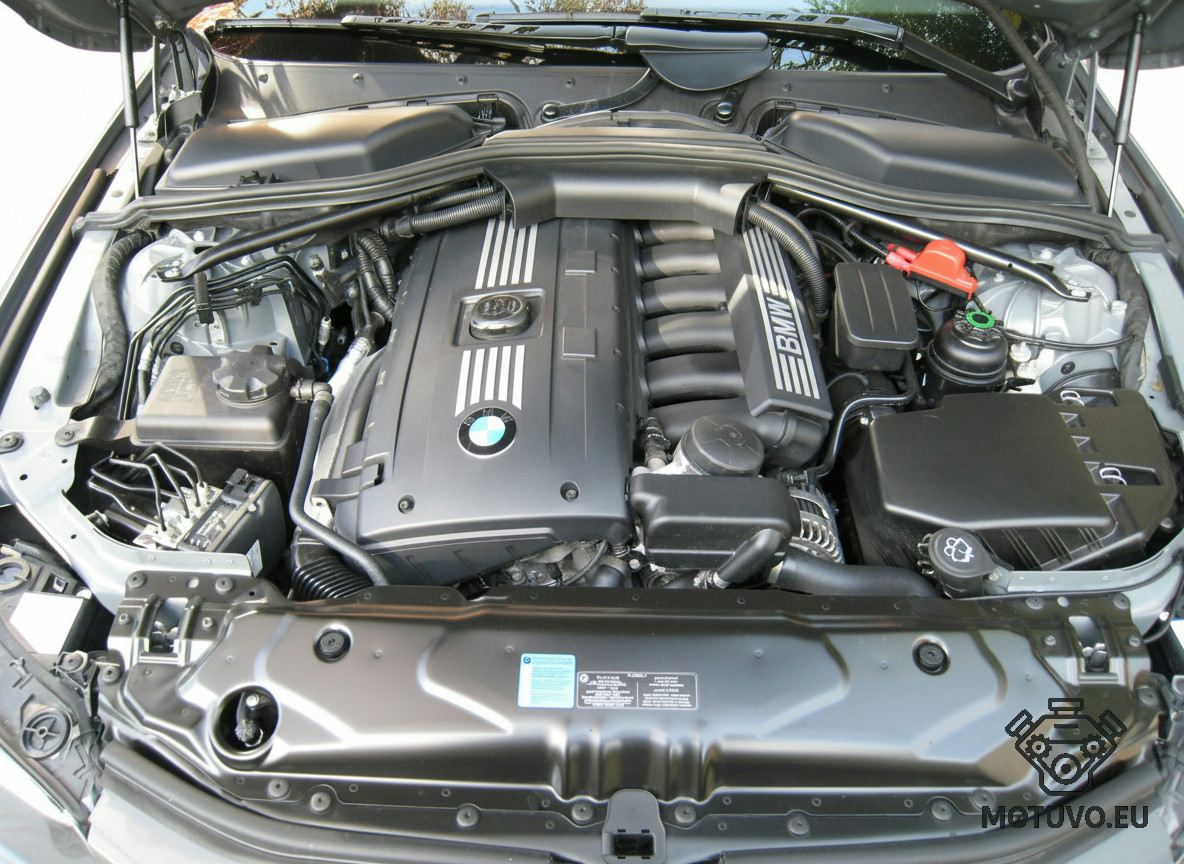
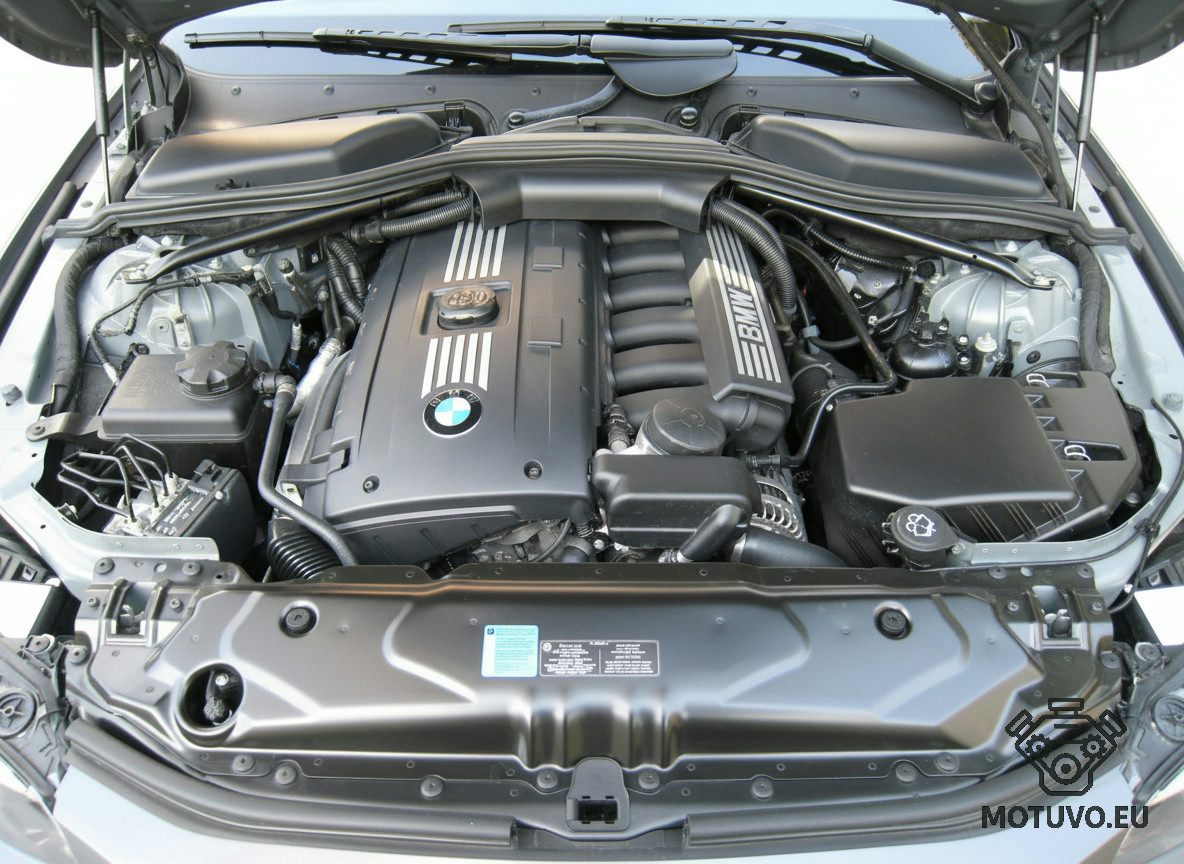
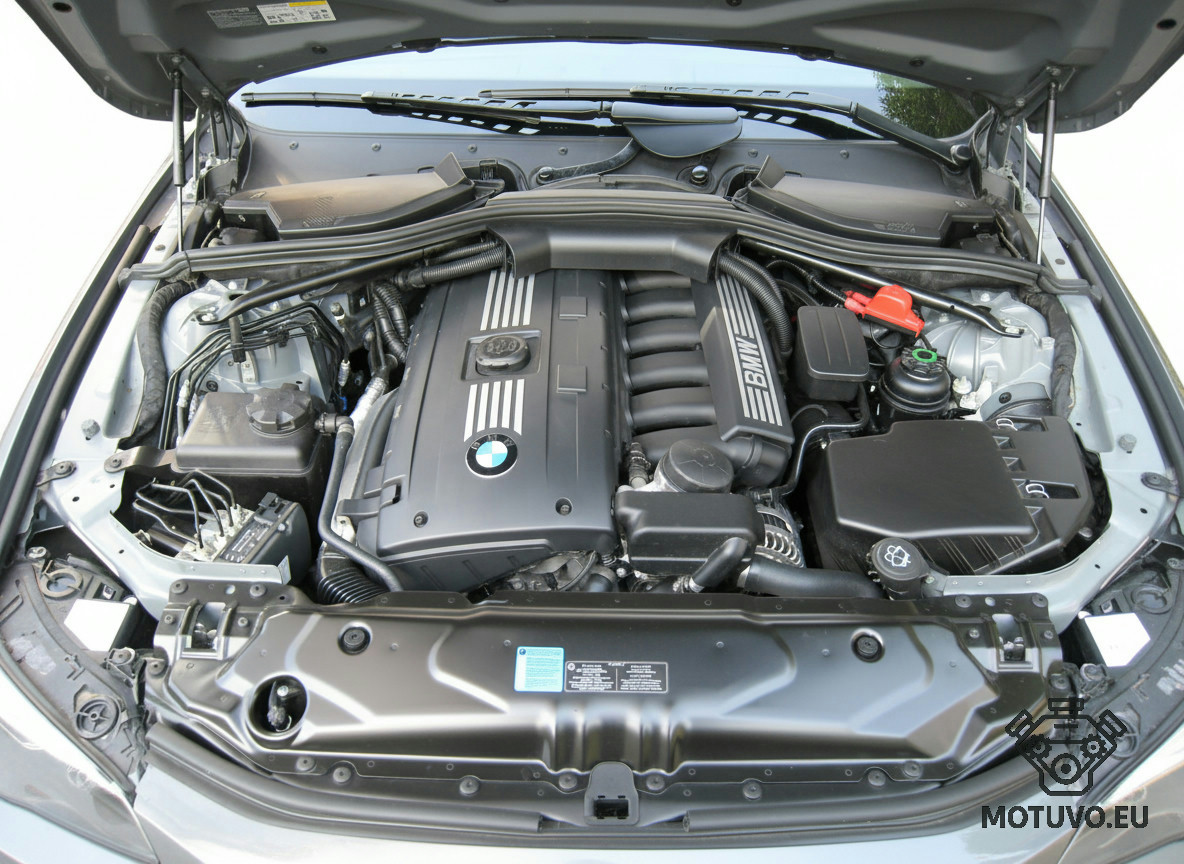
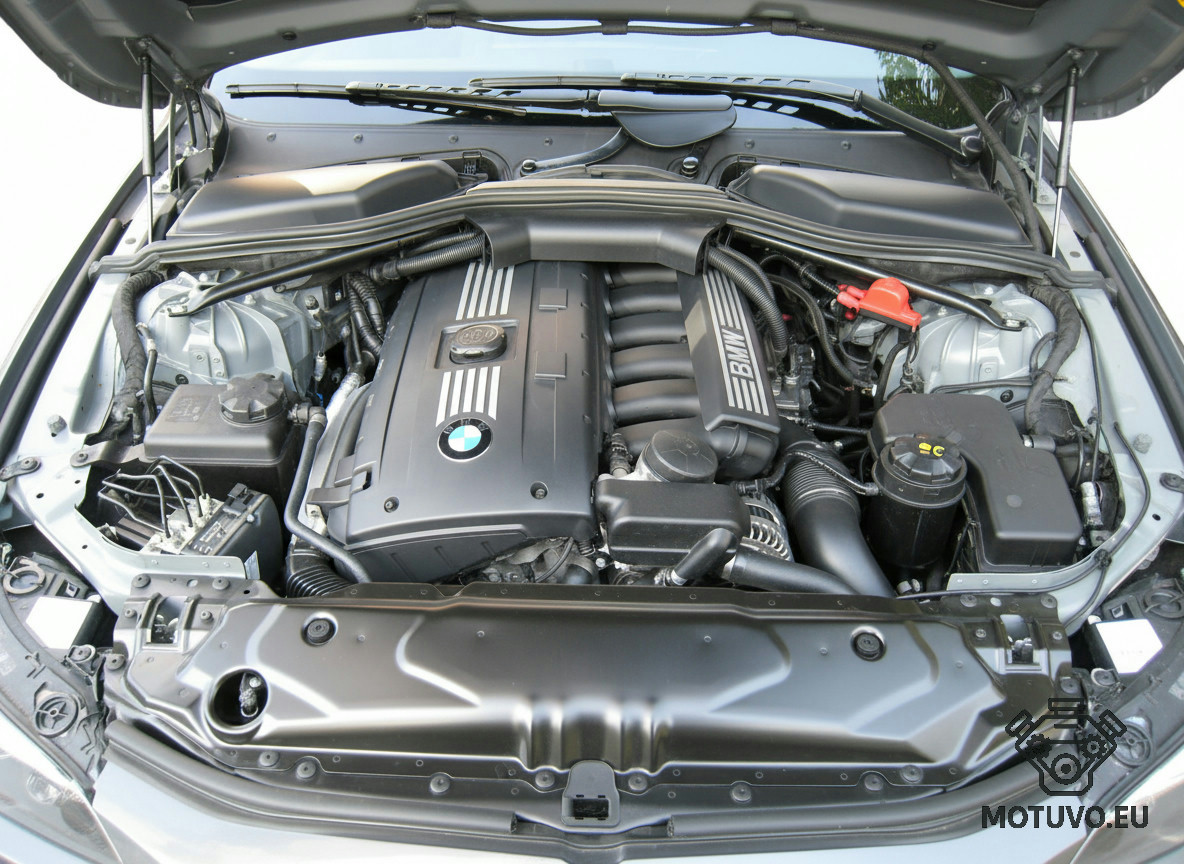
BMW N53B30A 190 kW Engine: Applications and Buying Guide
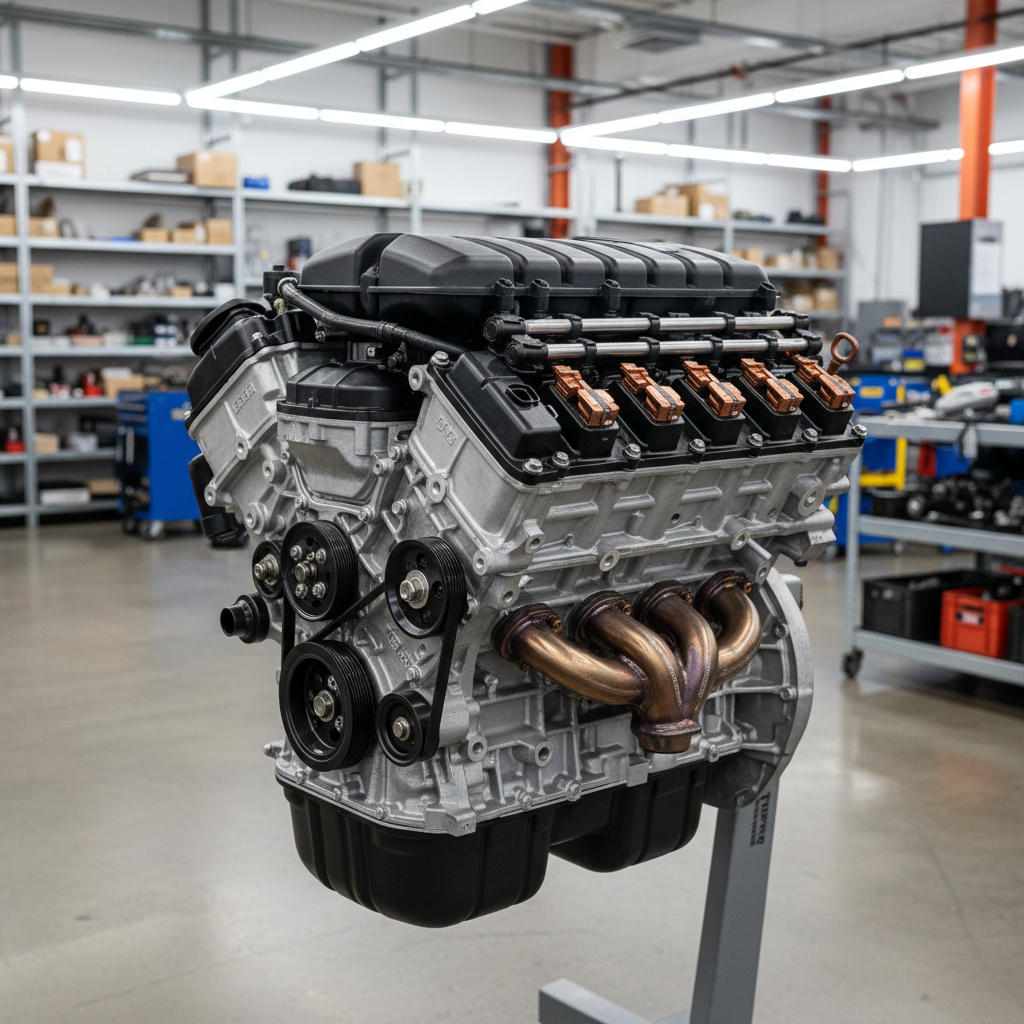
Introduction to the BMW N53B30A Engine
The N53B30A is a BMW 3.0-litre petrol engine from the N53 inline-six family. The Motuvo.eu catalogue lists this engine at 190 kW and associates it with the BMW 5 Series, specifically the catalogue description 2009–2011 F10/F11 528i. For owners seeking a replacement, these details provide a starting point, but vehicle-specific compatibility must still be confirmed.
The N53 combines naturally aspirated performance with high-pressure direct petrol injection. Its six-cylinder layout delivers the smoothness associated with BMW straight-six engines, while its fuel and emissions systems demand careful diagnosis and correct servicing. When purchasing a replacement, the condition of the mechanical assembly and the suitability of its attached components are equally important.
How Popular and Widely Used Is the N53?
The N53 family was an important part of BMW’s transition towards direct-injection petrol engines. It is particularly relevant to the European replacement-engine market, although availability differed between countries because of fuel quality and emissions-system requirements. It was not fitted universally wherever BMW sold a six-cylinder petrol model.
For buyers today, this means that a model badge alone is not a reliable engine identifier. Vehicles with similar names can use different engine families depending on production date and market. The applications discussed here are limited to the supplied BMW 5 Series listing.
The N53 is familiar to many independent BMW specialists, which can help with fault finding, injector coding and installation. Nevertheless, familiarity should not replace evidence: a documented test history is more useful than a general claim that an engine runs well.
Other Part Numbers and Variants
N53B30A is the engine designation supplied for this product; it should not be treated as a universal ordering reference for every attached part. Within the wider N53 family, output specifications and peripheral equipment can differ. Shared displacement or a similar engine code does not prove that two complete assemblies are interchangeable.
Before ordering, compare the engine identification with the vehicle’s VIN-based specification. BMW service part numbers for the replacement assembly and its components may also help establish compatibility. Any proposed supersession should be verified through reliable parts information rather than assumed from a seller’s description.
Related Catalogue Engines Are Not Direct Substitutes
Motuvo.eu also lists engines including the B58B30M1 and S58B30T0, alongside other 3.0-litre petrol units. These are separate products, not alternative part numbers for the N53B30A. In particular, the B58 and S58 belong to different, turbocharged BMW engine families with substantially different installation and control requirements.
Other catalogue references, such as CGWC, DLZA / CWGD and XFX, likewise do not establish compatibility with this BMW application. Choose a replacement through verified engine and vehicle identification, not displacement or power alone.
Model Applications
The supplied catalogue identifies the following application:
- Model family: BMW 5 Series.
- Catalogue description: 2009–2011 F10/F11 528i.
- Engine designation: N53B30A.
- Specification: 3.0-litre petrol, 190 kW.
F10 and F11 refer to the saloon and Touring body generations respectively. Treat the catalogue’s date range as listing information rather than proof that every 528i registered within those years has this engine. Production date, destination market and previous repairs can all affect what is actually installed.
Check the VIN, existing engine identification and relevant parts references before purchase. If the vehicle has already received a replacement engine, investigate any differences between its original specification and the installed assembly.
Strong Points of the N53B30A
Smooth Six-Cylinder Operation
An inline-six configuration provides inherently good mechanical balance. In healthy condition, the N53 offers refined operation and progressive power delivery, making it well suited to a petrol-powered executive car.
Naturally Aspirated Response
The N53 does not use a turbocharger. Its naturally aspirated layout offers predictable response and avoids turbocharger-specific hardware and faults. That does not make the complete engine simple, however: direct injection and exhaust aftertreatment introduce their own maintenance requirements.
Efficiency-Focused Combustion Technology
The N53 family uses high-pressure direct injection and, under suitable operating conditions, lean-burn combustion supported by dedicated NOx aftertreatment. These systems were designed to improve efficiency. Their benefits depend on functioning injectors, sensors and emissions components, so persistent warning lights or abnormal fuel consumption deserve investigation.
Weak Points and Common Failures
Piezoelectric Injectors
Injector problems are a significant N53 diagnostic consideration. Symptoms can include rough cold starts, misfires, uneven idle and fuel odour. A leaking injector can also contribute to oil dilution. Diagnosis should check ignition, compression and fuel-system operation rather than automatically condemning the injectors. Replacement requires compatible injector revisions and correct calibration coding.
High-Pressure Fuel Supply
Insufficient fuel pressure can cause extended cranking, poor starting or reduced performance. Check both the low-pressure supply and high-pressure system, comparing requested and actual rail pressure. Fuel-pressure faults do not, by themselves, demonstrate internal engine damage.
NOx Sensor and Aftertreatment Faults
NOx sensor or storage-catalyst problems can disrupt lean-burn operation, trigger faults and increase fuel consumption. These components may remain on the vehicle when its engine is replaced. Installing another engine therefore will not necessarily resolve an existing emissions-system problem.
Ignition and Intake Deposits
Worn spark plugs and failing ignition coils can produce symptoms similar to injector faults. Direct injection also means fuel does not wash over the intake valves, allowing deposits to develop. Inspect and test before deciding whether intake cleaning or component replacement is necessary.
Cooling, Leaks and Valve Timing
The electric coolant pump and thermostat deserve attention, particularly where overheating is suspected. Inspect gasket areas for oil leaks and investigate abnormal timing noise or camshaft-control faults. Overheating history, poor lubrication and neglected servicing are important concerns when assessing any used N53.
What to Consider When Replacing It
Establish why the original engine failed before installing another one. A defective injector, cooling-system fault or contaminated lubrication system can damage a replacement if the underlying cause remains unresolved.
- Confirm fitment: check the VIN, engine designation, production details and component references.
- Define the supply scope: ask whether injectors, fuel pump, manifolds, sensors, wiring and accessories are included.
- Request condition evidence: available compression or leak-down results, running-test information and diagnostic records are useful.
- Inspect transferred components: do not move suspect injectors, cooling parts or damaged accessories onto the replacement without testing.
- Plan installation work: assess accessible seals, hoses and service items, and follow the applicable tightening and priming procedures.
- Check purchase terms: confirm the engine’s stated condition, warranty provisions and installation requirements before ordering.
After installation, complete any required coding and adaptations, bleed the cooling system according to BMW procedures and verify oil pressure and operating temperature. Check for leaks, scan for faults and perform a controlled road test. These steps help distinguish a successful mechanical replacement from unresolved peripheral problems.
Buy the N53B30A Engine at Motuvo.eu
Looking for a BMW N53B30A 3.0L 190 kW petrol engine? Visit the N53B30A engine product page at Motuvo.eu to enquire about buying this engine. Provide your VIN and existing engine details, and confirm availability, supplied components and purchase terms before ordering for your BMW 5 Series.