BMW N53B30A 160 kW Engine: Applications and Buying Guide
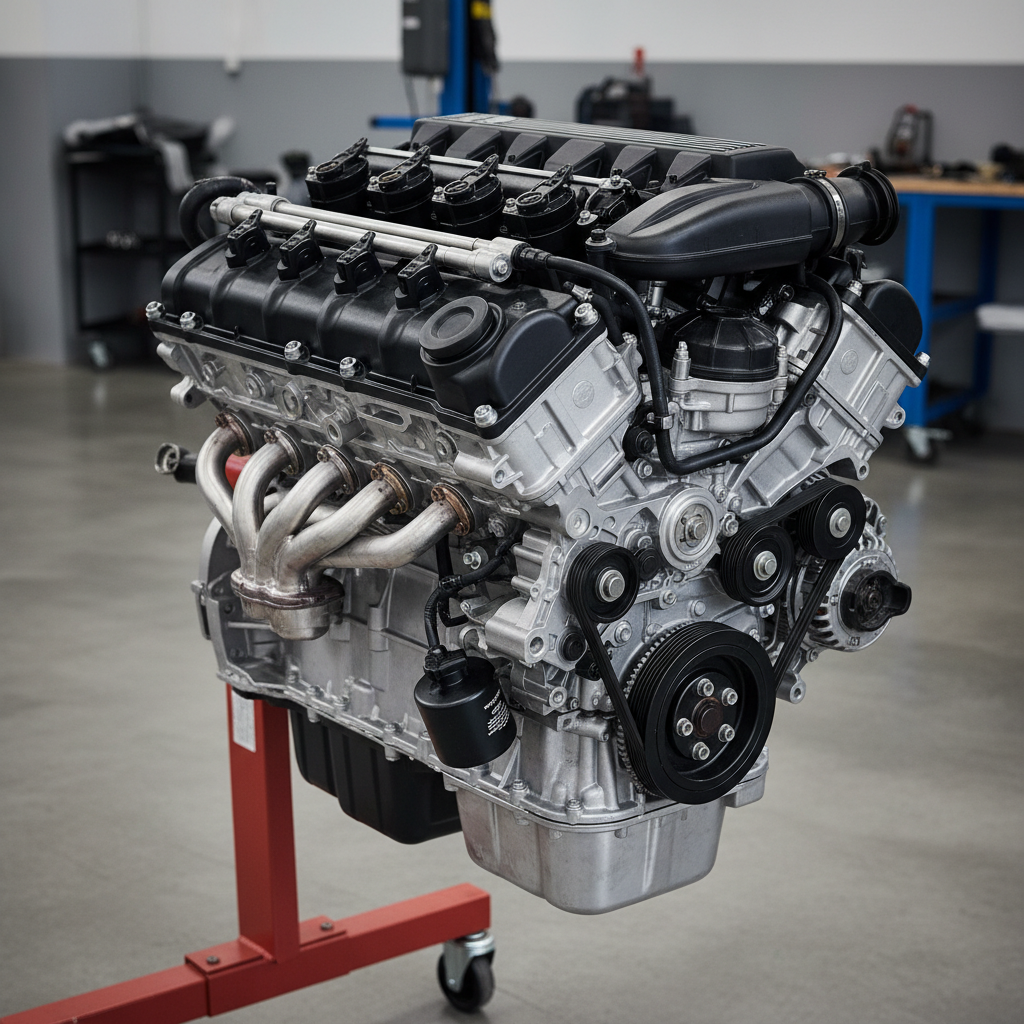
Introduction to the BMW N53B30A Engine
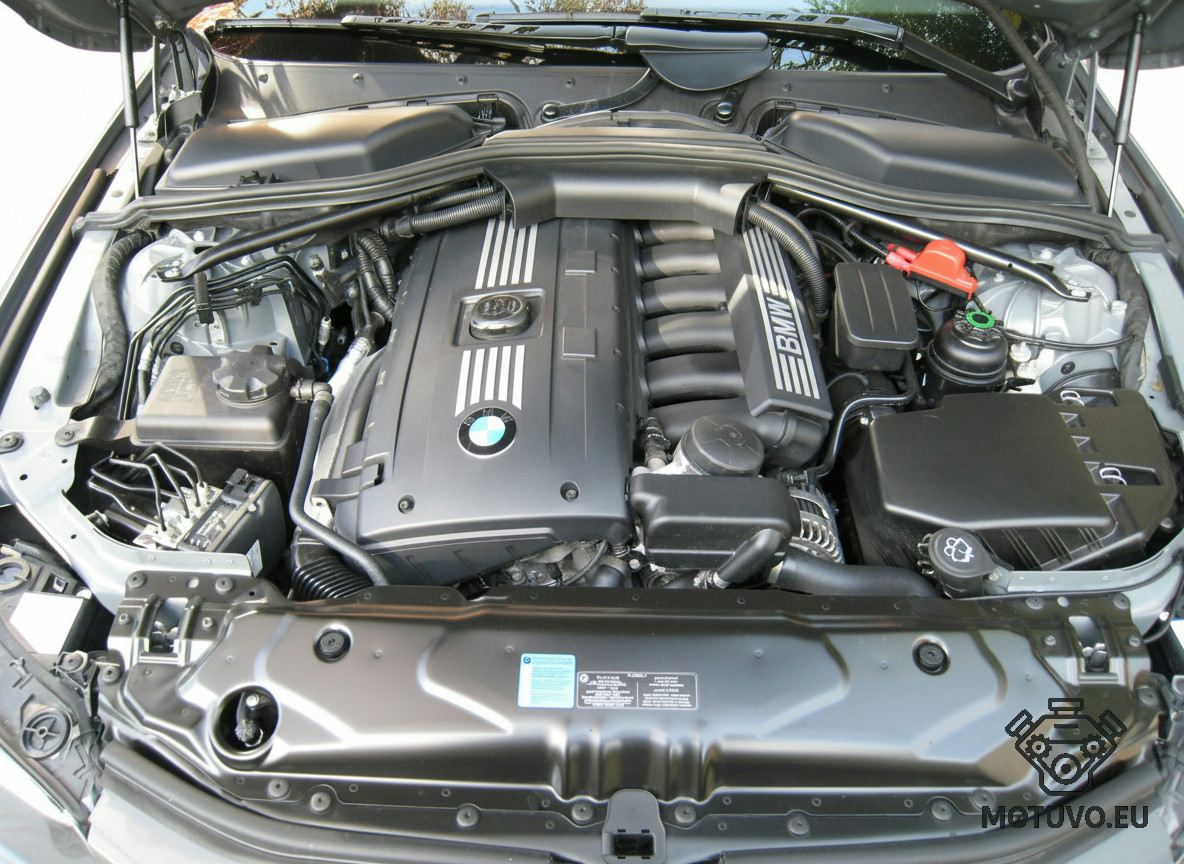
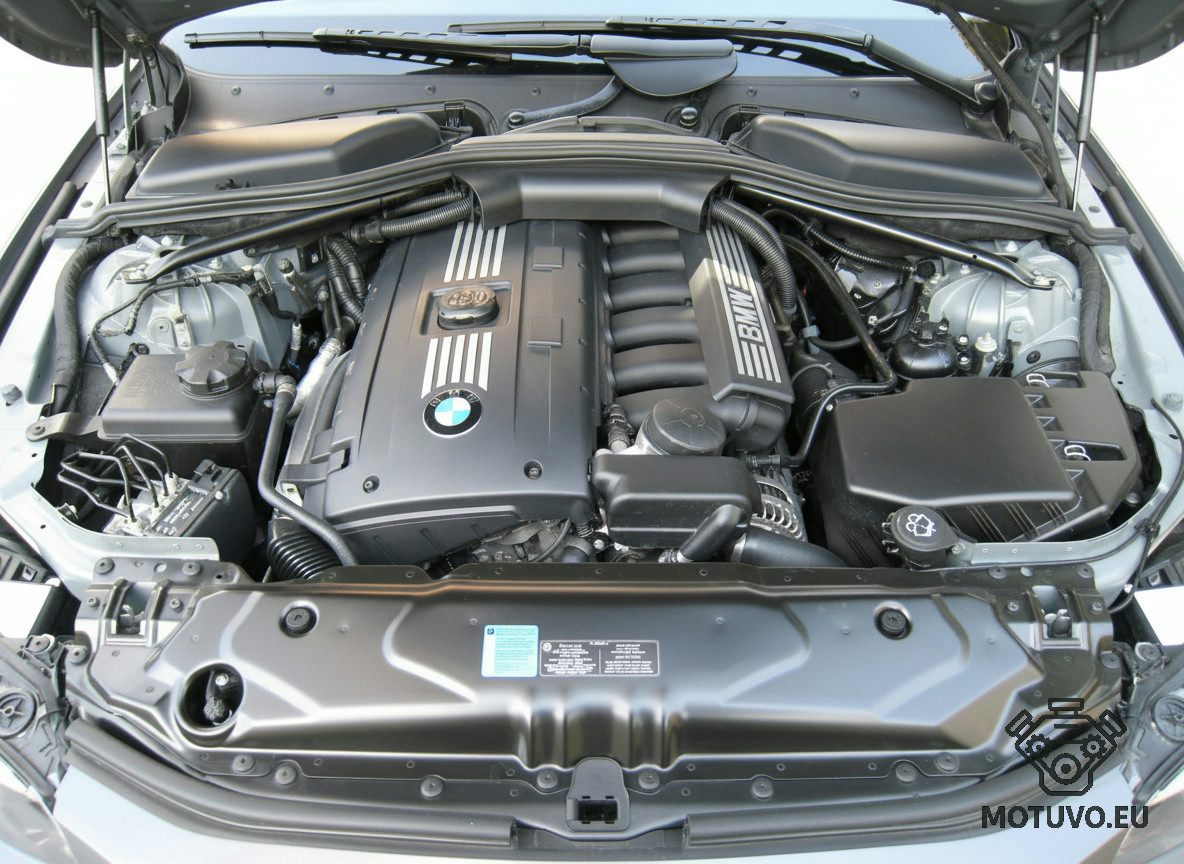
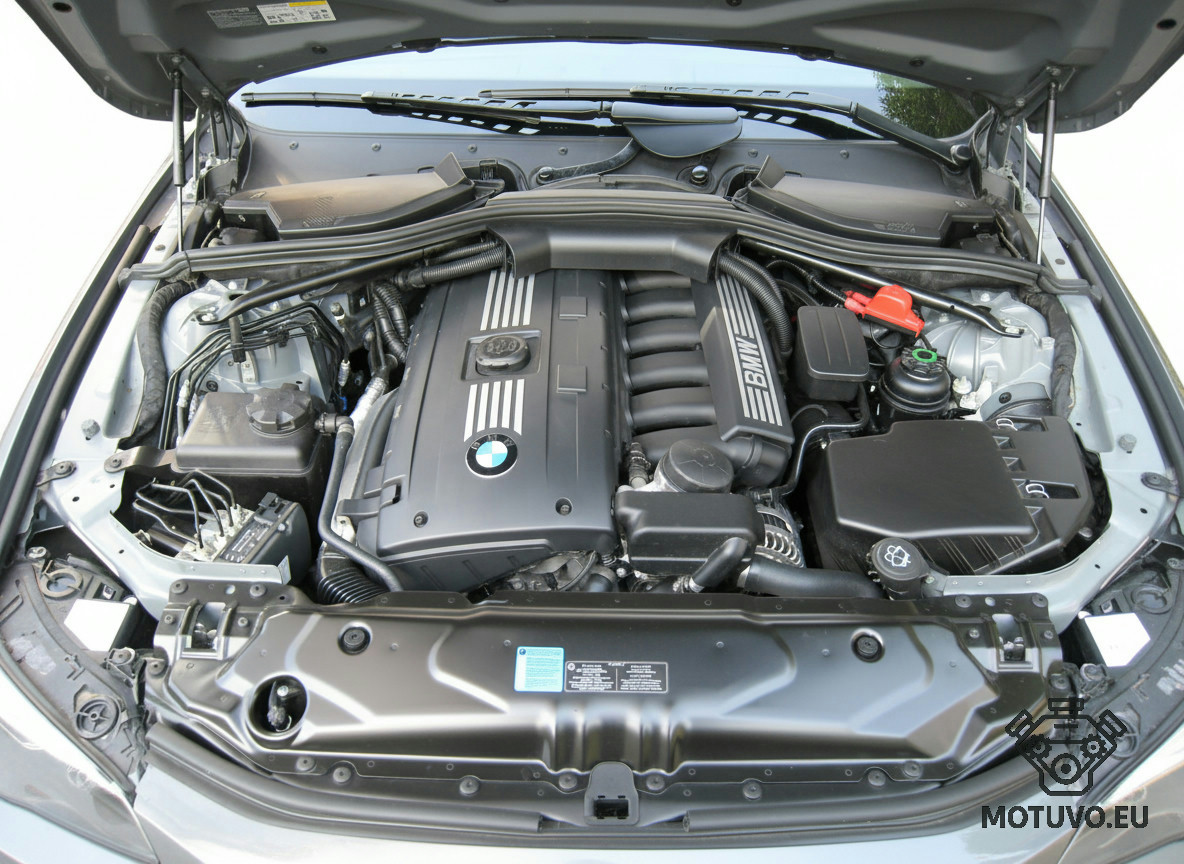
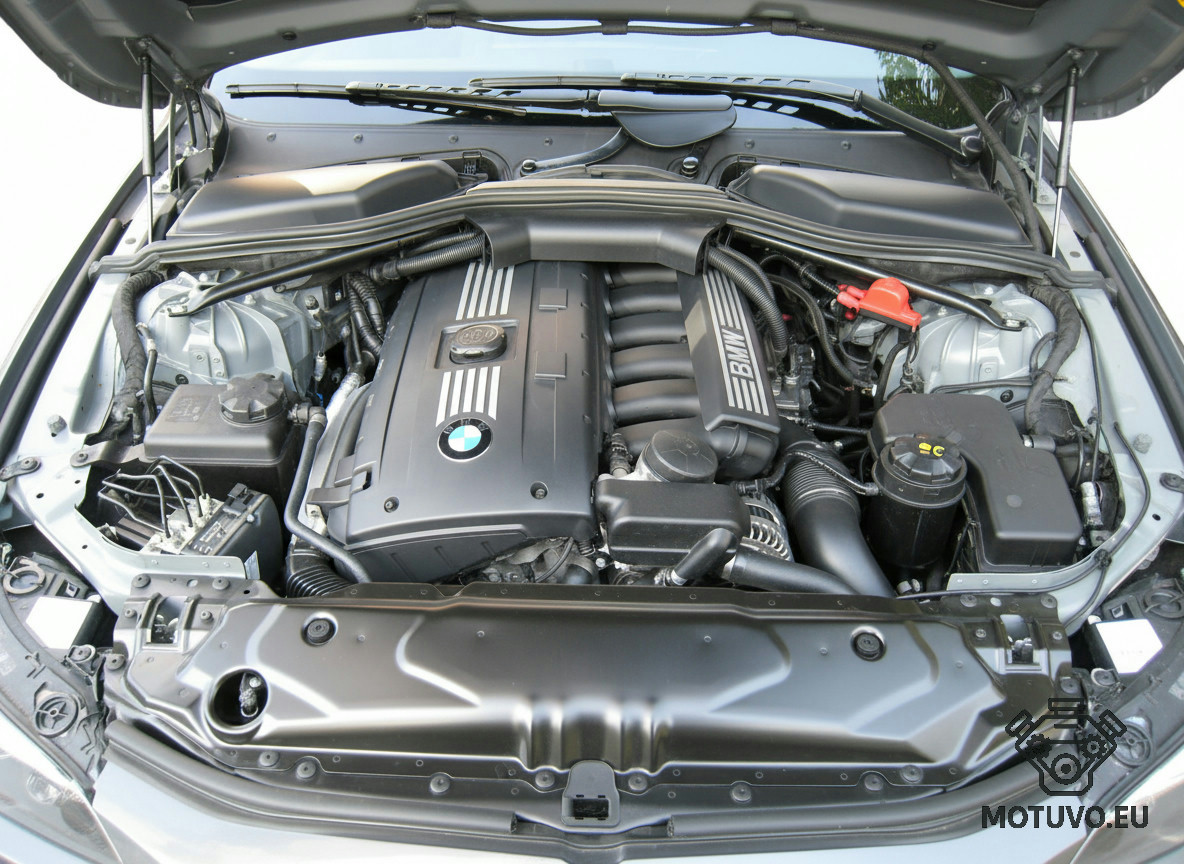
The N53B30A offered here is a 3.0-litre petrol engine rated at 160 kW, equivalent to approximately 218 metric horsepower. It belongs to BMW’s N53 family of naturally aspirated inline-six engines, which combines the balanced operation of a straight-six with direct petrol injection. For owners seeking a replacement engine, identifying the correct output version and vehicle specification matters just as much as matching the basic engine code.
The N53 uses an aluminium crankcase, a double-overhead-camshaft cylinder head and variable camshaft timing. Unlike the related N52, it does not use BMW’s Valvetronic variable valve-lift system. Its direct-injection fuel system and lean-burn capability make it technically distinctive, but also introduce servicing requirements that buyers should understand before choosing a used, rebuilt or new replacement.
How Popular and Widely Used Is the N53?
The N53 is a well-established engine family in European BMW ownership and the replacement-engine market. It appeared during a period when naturally aspirated six-cylinder petrol engines remained an important part of BMW’s range. Its smooth delivery and progressive response still appeal to drivers who prefer an engine without turbocharging.
However, N53 availability was not identical worldwide. Fuel quality requirements, particularly sulphur levels relevant to its lean-burn emissions system, influenced regional adoption. Consequently, a BMW model badge or registration year alone cannot confirm that a vehicle has an N53. Cars with similar names can have different engines depending on their original market and production specification.
For replacement buyers, this means broad familiarity with the N53 is helpful, but VIN-based identification remains essential. The catalogue applications below should be treated as the starting point for compatibility checks rather than proof that every vehicle in those year ranges uses this engine.
Other Part Numbers and Variants
N53B30A is an engine designation, not a universal ordering number for every associated component. BMW assembly and service-part numbers can vary with production date, equipment and subsequent revisions. The engine family also includes different output configurations, so another N53B30 listing is not automatically equivalent to this 160 kW product.
Differences can involve calibration, intake equipment and supporting components. A replacement should therefore be checked against the original engine identification, donor information where available, and BMW parts data for the receiving vehicle. Do not assume that fitting different software alone makes any N53 assembly suitable.
The catalogue also contains engines such as the B58B30M1 and S58B30T0. Although these are BMW six-cylinder petrol engine designations, they belong to different, turbocharged families and are not direct replacement variants of the N53B30A. Other 3.0-litre petrol engines appearing in related catalogue results should likewise not be interpreted as interchangeable alternatives. Shared displacement is not a compatibility criterion.
Model Applications Listed in the Catalogue
The supplied catalogue identifies the following applications for this N53B30A 160 kW engine:
- BMW 3 Series 325i, E90/E91/E92/E93: 2007–2013.
- BMW 5 Series 525i, E60/E61: 2006–2010.
These body codes cover the saloon, Touring, coupé and convertible versions listed within the 3 Series entry, and the saloon and Touring versions within the 5 Series entry. Nevertheless, production changes and market differences can affect the engine actually installed. In particular, catalogue year ranges should not replace a check of the individual car’s factory specification.
Before ordering, provide the vehicle’s VIN, production date, existing engine code and rated output. Photographs of the original engine identification and installation can also help the supplier establish what needs to be retained or transferred.
Strong Points of the N53B30A
Smoothness and Predictable Response
The inline-six layout provides excellent inherent balance, giving the N53 its characteristic refinement. Natural aspiration delivers a progressive relationship between accelerator input and engine response, without dependence on turbocharger boost. In good condition, this makes the engine well suited to both everyday driving and longer journeys.
Efficiency-Oriented Engineering
Direct injection allows precise fuel delivery, while lean operation under suitable conditions can reduce fuel consumption. Variable camshaft timing helps the engine manage breathing across different operating conditions. These benefits depend on the injection, ignition and emissions systems working correctly; an engine that runs acceptably may still have faults preventing its intended operating modes.
No Turbocharger Hardware to Replace
The N53 avoids turbocharger bearings, wastegate mechanisms and boost plumbing. That removes several potential repair categories, although it does not make the engine mechanically simple. Its high-pressure injection and emissions equipment still require knowledgeable diagnosis and appropriate repair procedures.
Weak Points and Common Failures
Injectors and Fuel Pressure
Piezoelectric direct injectors are a major inspection point. Faulty or leaking injectors can cause rough cold starts, misfires, petrol smells and excessive fuel consumption. Severe leakage can dilute the engine oil with fuel. Injector revisions and compatibility matter, and replacement injectors require the correct calibration values to be entered into the engine control unit.
The high-pressure fuel supply also deserves attention. Extended cranking, reduced power or pressure-related fault codes warrant testing, not an automatic pump replacement. Diagnosis should compare commanded and actual pressure and consider the low-pressure supply as well.
NOx System and Ignition Faults
The N53’s nitrogen-oxide sensor and NOx storage catalyst support its lean-burn strategy. Faults can disable lean operation and increase consumption even when drivability remains reasonable. Proper diagnosis should distinguish sensor failure, catalyst deterioration and operating conditions that prevent regeneration.
Spark plugs and ignition coils can also cause misfires. Reading fault memory, checking misfire counters and testing components helps distinguish ignition problems from injector faults or mechanical compression loss.
Cooling, Oil Leaks and Intake Deposits
The electric coolant pump and thermostat are important age-related checks. Cooling faults should be addressed promptly because overheating can damage an otherwise serviceable engine. Oil leakage around the camshaft cover and oil-filter housing area also merits inspection, together with crankcase ventilation operation.
Because fuel is injected directly into the cylinders, it does not wash the backs of the intake valves. Deposits can accumulate and contribute to running problems. Inspection should guide cleaning decisions rather than assuming that every misfire requires intake-valve cleaning.
What to Consider When Replacing It
First establish whether the original engine has internal damage or a repairable external-system fault. Compression and leak-down testing, cooling-system checks and a complete diagnostic scan can prevent replacing a sound engine because of failed injectors or emissions equipment.
- Confirm identity: match the VIN, N53B30A designation, 160 kW specification and relevant assembly details.
- Clarify the supply scope: ask whether injectors, fuel pump, intake manifold, wiring, sensors and accessories are included.
- Request condition evidence: seek available mileage records, test results and details of any rebuilding work.
- Check installation differences: confirm whether the sump, mounts, brackets or ancillary equipment need transferring.
- Review terms: understand warranty coverage, installation requirements and any exchange-engine conditions before purchase.
Resolve the cause of the original failure before installing the replacement. Contaminated lubrication components, defective cooling equipment or leaking injectors can damage the next engine. Installation should include correct fluids, the specified cooling-system bleeding procedure, and any required injector calibration or diagnostic adaptations. Finish with leak checks, temperature monitoring and a controlled road test.
Buy Your N53B30A Engine at Motuvo.eu
Looking for a replacement for your listed BMW 325i or 525i application? Buy the N53B30A 160 kW engine at Motuvo.eu after confirming compatibility and the supplied equipment. Visit the N53B30A engine product page and contact the team with your VIN to check current availability, engine condition and purchase terms.