BMW N52B30A 190 kW Engine: Applications and Buying Guide
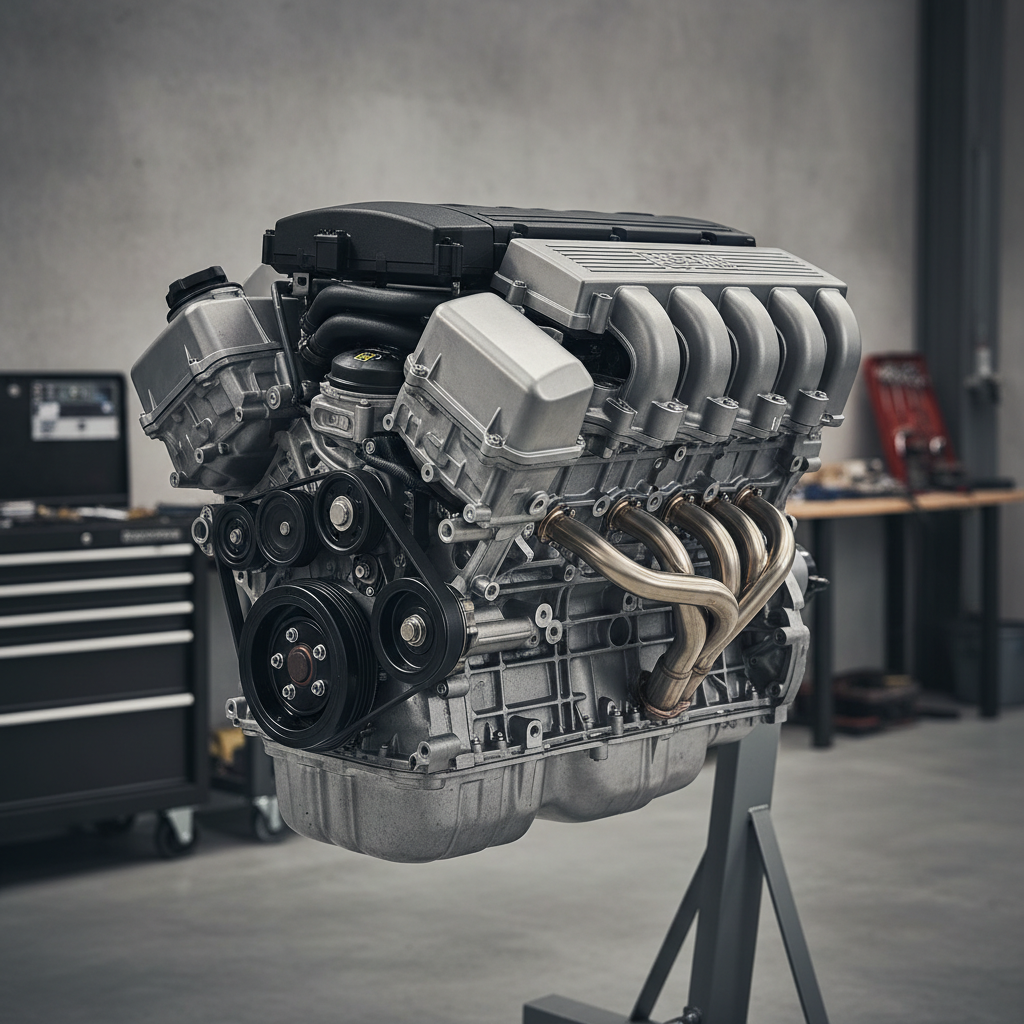
Introduction to the BMW N52B30A engine
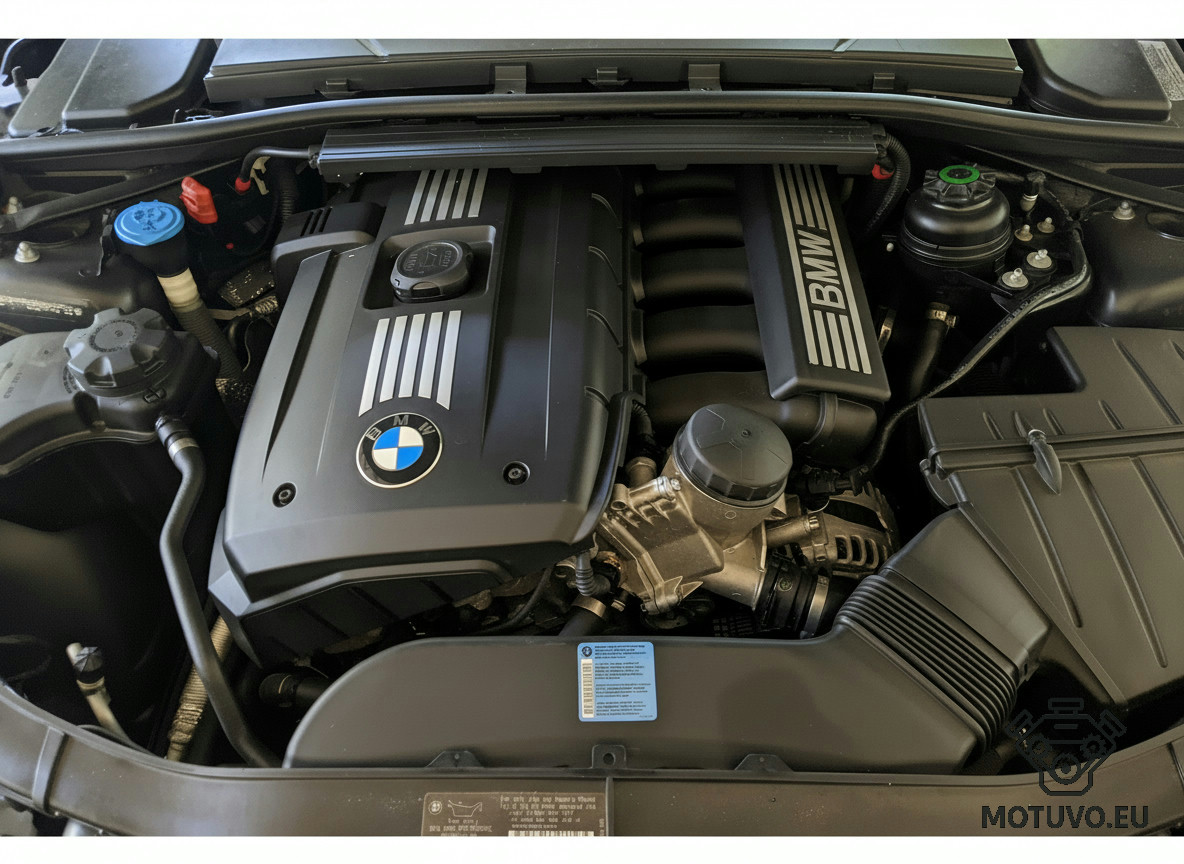
The N52B30A offered in this Motuvo.eu listing is identified as an N52B30 3.0-litre petrol engine rated at 190 kW. It belongs to BMW’s naturally aspirated N52 inline-six family, known for smooth operation, progressive power delivery and a more traditional driving character than later turbocharged six-cylinder engines.
The N52 combines a magnesium-aluminium crankcase construction with an aluminium cylinder head, double VANOS variable camshaft timing and Valvetronic variable intake-valve lift. It uses port fuel injection rather than direct injection. These features support responsive performance and efficient load control, but they also make correct identification and installation important when buying a replacement.
The engine code is a starting point, not a complete compatibility guarantee. BMW used different output specifications, intake systems, ancillary layouts and control configurations within this family. The advertised 190 kW rating must therefore be checked against the recipient vehicle rather than assumed to apply to every model listed below.
How popular and widely used is the N52B30?
The N52B30 had a broad presence across BMW’s range. The supplied catalogue connects it with compact models, executive saloons, luxury cars, SUVs and the Z4 roadster. This breadth helps explain its continued relevance in the replacement-engine market: owners of otherwise serviceable vehicles may prefer replacing a damaged engine to replacing the entire car.
Its widespread use also means many BMW specialists are familiar with its cooling system, oil leaks and electronic valve-control systems. However, availability of servicing knowledge should not be confused with universal interchangeability. Production date, market specification and drivetrain layout can change which components are required for a successful installation.
Other part numbers and engine variants
N52B30 is the engine designation supplied in the catalogue, while N52B30A is the part number identifying this product. Other numbers found on castings, labels or attached components may identify individual parts rather than a complete replacement engine. Match the unit using vehicle identification data and documented engine specifications, not an isolated casting number.
Across the N52 family, differences include displacement, power calibration, intake-manifold equipment and production revisions. Some configurations use a multi-stage intake manifold with DISA actuators. A similar-looking engine can therefore require different attached hardware or electronics, and an advertised output alone does not prove compatibility.
The catalogue also contains BMW N55B30A and B58B30B engines. These are separate turbocharged families, not alternative part numbers or direct substitutes for the N52B30A. Likewise, the listed 276, 276.820, 9A2.EVO, AJ20-P6, CGWB/CAKA, CAKA, CTUB/CTDA and DLVA/CWGD products should not be treated as compatible simply because they are also 3.0-litre petrol engines.
Model applications listed in the catalogue
The following applications reproduce the supplied catalogue information. They are catalogue references, not confirmation that every vehicle in each date range uses the advertised 190 kW specification. Market differences, production changes and other engine options make VIN-based verification essential.
- BMW 1 Series: 2008–2011 E82/E88 125i; 2009–2012 E87 130i.
- BMW 3 Series: 2005–2007 and 2007–2013 E90/E92/E93 330i and 330xi.
- BMW 5 Series: 2005–2009 E60/E61 530i and 530xi; 2010–2011 F10 528i.
- BMW 6 Series: 2004–2007 and 2007–2010 E63/E64 630i.
- BMW 7 Series: 2005–2008 E65/E66 730i; 2009–2015 F01 730i.
- BMW Z4: 2008–2011 E89 sDrive30i.
- BMW X1: 2009–2011 E84 xDrive28i.
- BMW X3: 2006–2010 E83 3.0si; 2010–2011 F25 28i.
- BMW X5: 2006–2010 E70 3.0si and xDrive30i.
These entries span different vehicle architectures. In particular, rear-wheel-drive and all-wheel-drive installations can have different sump and associated hardware requirements. Confirm the actual engine fitted to the car before ordering.
Strong points of the N52B30A
Smooth, naturally aspirated performance
The inline-six layout provides excellent inherent balance, while natural aspiration gives predictable accelerator response without turbocharger boost build-up. For road use, the result is refined operation and a progressive increase in power as engine speed rises.
Port injection and fewer boost-related components
Port injection avoids the direct-injection-specific high-pressure fuel system used on some other BMW petrol engines. With no turbocharger, there is also no turbo bearing assembly, wastegate or boost-control circuit to diagnose. This does not make the N52 maintenance-free, but it removes several potential repair categories.
Advanced valve control and lightweight construction
Valvetronic adjusts intake-valve lift to control engine load, reducing reliance on conventional throttle restriction during much of normal operation. Double VANOS varies camshaft timing across operating conditions. Combined with the lightweight crankcase design, these systems made the N52 a technically advanced naturally aspirated engine.
Weak points and common failures
Electric coolant pump and thermostat
The electric coolant pump is a recognised service concern. Failure can cause rapid overheating, so temperature warnings require immediate attention. Before installing a replacement engine, assess the pump, thermostat, radiator and hoses. Reusing a defective cooling system can damage an otherwise healthy replacement.
Oil leaks and crankcase ventilation
Typical leak locations include the valve-cover gasket, oil-filter-housing gasket and sump gasket. Oil leaking near the auxiliary belt should be addressed promptly because belt contamination can have serious consequences. Crankcase-ventilation faults, whose component arrangement varies by version, can cause rough running, abnormal vacuum, whistling or increased oil consumption.
VANOS, Valvetronic and intake faults
VANOS solenoid problems or oil-supply issues can produce reduced performance and camshaft-control faults. Valvetronic motor or eccentric-shaft sensor faults may affect starting and idle quality. Where fitted, DISA actuator wear can disrupt intake switching. Proper diagnosis should separate electrical, actuator and mechanical problems before condemning the complete engine.
Valvetrain noise and maintenance history
Some N52 engines, particularly earlier configurations, are known for hydraulic valve-adjuster ticking. Persistent noise deserves investigation rather than an automatic assumption of harmless operation. Oil condition, service history, overheating evidence and measured mechanical condition are more useful buying indicators than mileage alone.
What to consider when replacing an N52B30A
Start by establishing why the original engine failed. Cooling faults, lubrication problems or contaminated transferred components must be corrected before the replacement runs. Otherwise, the underlying cause may damage the new installation.
- Verify identity: provide the VIN, production date, existing engine identification, transmission type and drivetrain configuration.
- Confirm supplied equipment: establish whether the purchase includes the intake manifold, injectors, wiring, sensors, coolant pump and other ancillaries.
- Check mechanical compatibility: compare the sump, mounting brackets, accessory arrangement and transmission interface.
- Request condition evidence: ask what mileage documentation, running checks, compression results or other inspection records are available.
- Clarify sale conditions: confirm whether the unit is used, rebuilt or new, together with warranty terms and installation requirements.
Follow BMW repair procedures for seals, tightening sequences and single-use fasteners; certain aluminium bolts must not be reused. Use the correct fluids, perform the prescribed electric cooling-system bleeding procedure and complete any necessary diagnostic adaptations. After installation, check for leaks, fault codes, stable operating temperature and correct operation under load.
Buy the N52B30A engine at Motuvo.eu
If you need a replacement BMW 3.0-litre naturally aspirated petrol engine, view the N52B30A 190 kW engine at Motuvo.eu. Before purchasing, confirm compatibility, current availability, supplied components and warranty conditions. Matching the engine to your exact vehicle specification is the best foundation for a dependable replacement.