BMW N47D20A 120 kW Engine: Applications and Buying Guide
Introduction to the BMW N47D20A Engine
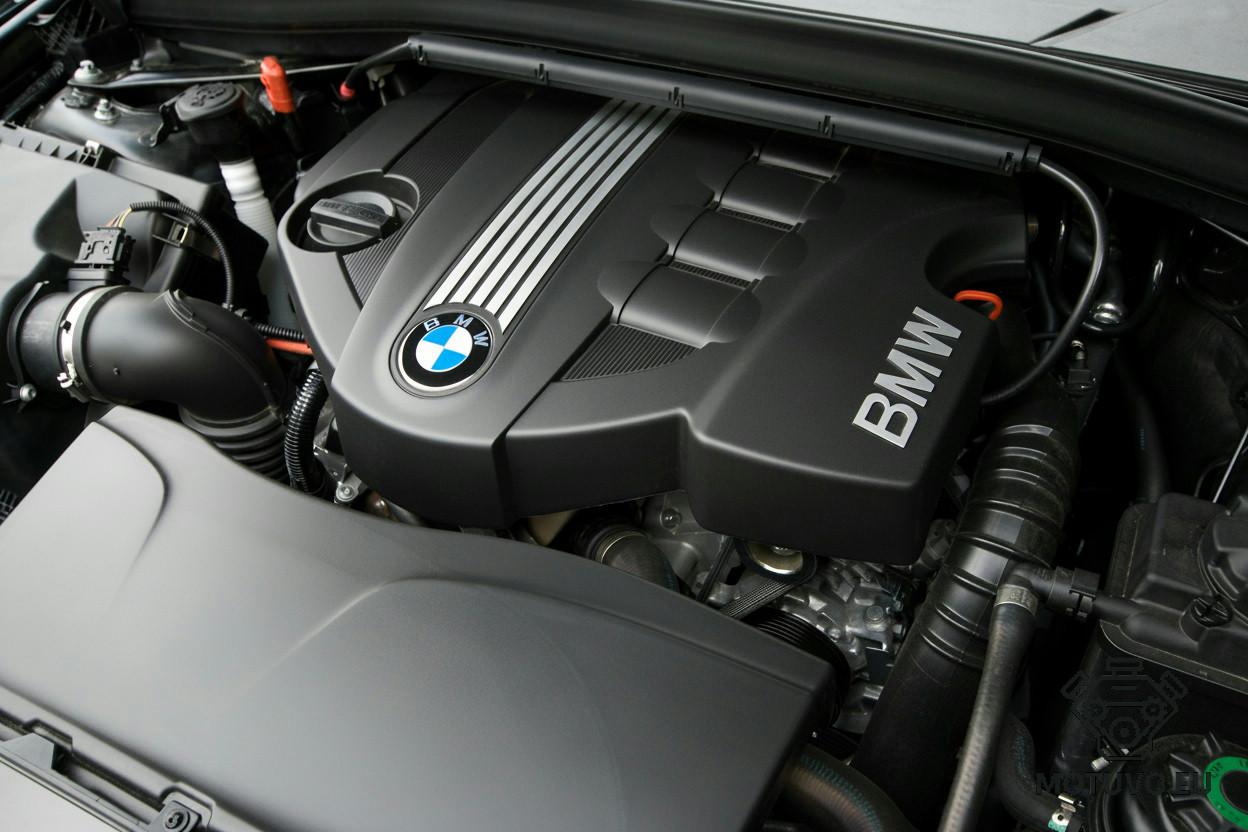
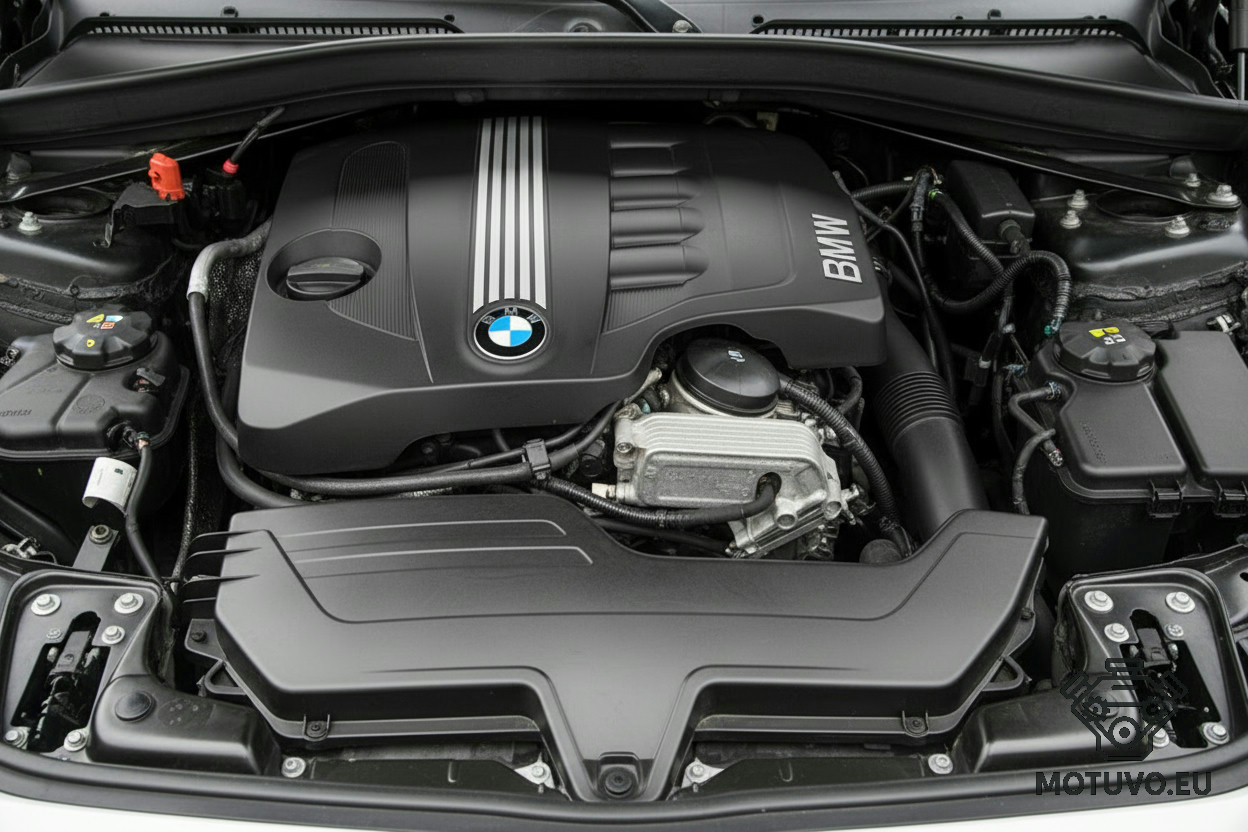
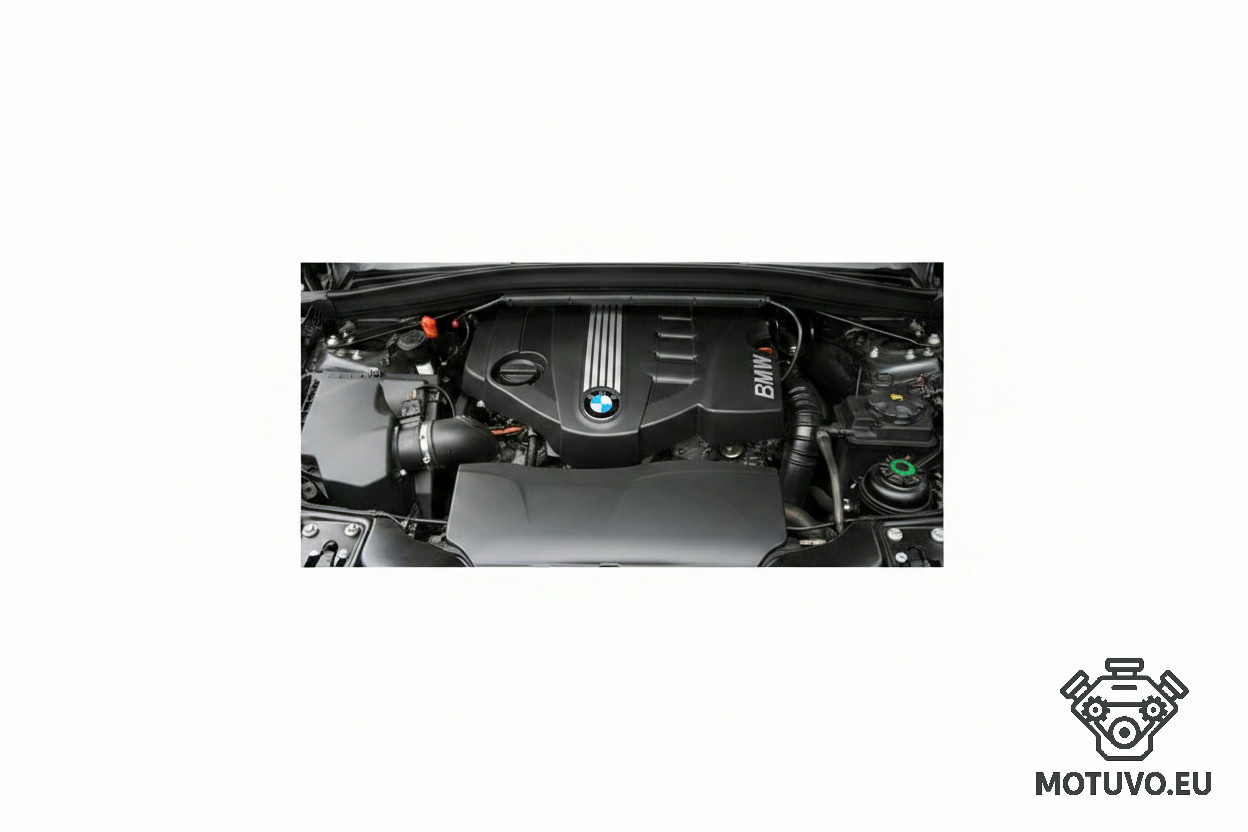
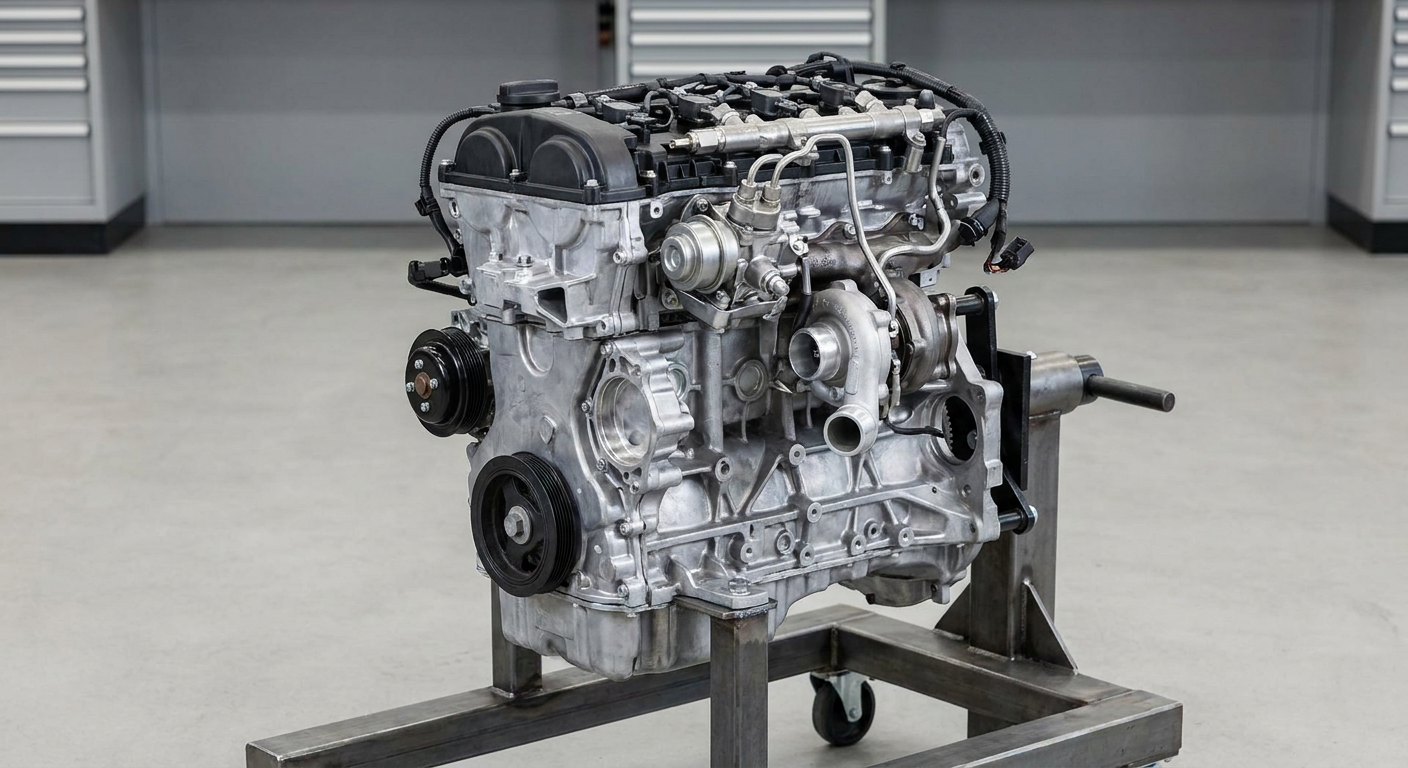
The N47D20A listed by Motuvo.eu is a 2.0-litre diesel engine rated at 120 kW, equivalent to approximately 163 metric horsepower. It belongs to BMW’s N47 four-cylinder diesel family, which combines common-rail direct injection with turbocharging to deliver useful torque and economical operation. For owners seeking a replacement engine, however, the engine code is only the starting point: vehicle specification and supplied equipment also matter.
This guide explains the engine’s background, the applications recorded in the catalogue, its strengths and known maintenance concerns. It also outlines the checks needed before ordering a replacement. A shared N47 designation does not guarantee direct interchangeability, particularly where engines differ in output, emissions equipment or installation details.
How Popular and Widely Used Is the N47 Engine?
The N47 family was widely used in BMW diesel vehicles from the late 2000s onward. Its combination of four-cylinder packaging, strong mid-range performance and relatively low fuel consumption made it an important engine family for both private motorists and business users. BMW offered multiple versions, so family-wide popularity should not be confused with compatibility of every individual engine.
That broad presence means many independent BMW specialists are familiar with N47 diagnosis and repair. Service parts and technical knowledge are generally well established, particularly for the timing drive, fuel system and emissions equipment. Nevertheless, choosing a replacement requires more than finding a visually similar unit: the donor identity, build specification and mechanical condition remain essential.
Other Part Numbers and Variants
N47D20A is an engine designation, not a complete identification of every attached component. The catalogue specifies a 120 kW version, but the marking alone should not be used to infer the exact turbocharger, injectors, wiring, control software or emissions configuration. BMW replacement assembly numbers and component references should be checked through vehicle-specific parts information.
Two other N47-coded engines appear in the supplied Motuvo.eu catalogue:
- N47C20A: listed as a 2.0-litre diesel producing 82 kW.
- N47D20D: listed as a 2.0-litre diesel producing 155 kW.
These are separate catalogue entries, not confirmed substitutes for the N47D20A 120 kW engine. Differences in installation and hardware can prevent a straightforward swap. The other listed engines—A20DT, UFBA, M9RL782, BYL, M9RP814, M9RC833, G6DB and M9R855—must likewise not be treated as alternative BMW part numbers merely because they have similar displacement.
Model Applications Listed in the Catalogue
The catalogue identifies BMW 3 Series and BMW 5 Series applications. Its descriptive text provides the following references:
- BMW E90 320d Efficient Dynamics
- BMW F07 520d
- BMW F10/F11 520d
These references should be treated as catalogue fitment leads rather than a verified compatibility table. In particular, the F07 520d reference needs clarification before it is used to select an engine. The 5 Series references also do not independently confirm that each vehicle uses this exact 120 kW assembly.
Before ordering, provide the vehicle identification number, production date, original engine identification and transmission details. Where available, include photographs of the original engine markings and relevant component labels. Matching these details is more reliable than relying on the model badge, registration year or broad series designation.
Strong Points of the N47D20A
Useful performance with modest displacement
The 2.0-litre turbocharged diesel layout provides strong everyday pulling power without requiring a larger engine. Common-rail injection allows precise fuel delivery, helping balance performance, combustion noise and efficiency. Actual fuel consumption depends on vehicle weight, gearing, operating conditions and the health of the injection and emissions systems.
Good suitability for sustained driving
A healthy N47 is well suited to regular longer journeys, where the engine reaches normal operating temperature and the exhaust system has better opportunities to complete particulate-filter regeneration. This operating pattern is generally more favourable than repeated short, cold trips, although longer journeys cannot correct existing mechanical or emissions faults.
Established specialist support
Familiarity with the N47 family helps experienced workshops investigate faults systematically. Timing-drive assessment, injector testing, boost-leak diagnosis and particulate-filter checks can all contribute to an informed repair decision. This support is valuable when comparing a used engine with rebuilding the original unit.
Weak Points and Common Failures
Timing-chain wear
Timing-chain wear is the best-known N47 concern. The timing drive is located at the gearbox end of the engine, making access labour-intensive. Worn chains, guides or tensioning components can produce abnormal rattling or scraping noises, although a quiet engine is not conclusive proof of a healthy timing system. Failure can cause serious internal damage.
Ask for documented timing-drive work rather than accepting a general statement that the chain has been checked. Repair scope, parts used and workmanship all matter. Oil quality and maintenance history are important, but regular servicing alone does not eliminate timing-drive risk.
EGR deposits and particulate-filter problems
Exhaust-gas recirculation can contribute to intake deposits, while frequent short journeys can interrupt diesel particulate filter regeneration. Symptoms may include reduced power, warning lights and increased regeneration frequency. Diagnosis should cover temperature control, pressure sensing and injection performance rather than assuming that the filter alone is responsible. Any applicable EGR-related recall or service action should be checked by VIN.
Turbocharging and fuel-system faults
Boost leaks, turbocharger wear and injector faults can cause poor response, smoke or uneven running. These symptoms overlap with other problems, so testing is essential before condemning the engine. If high-pressure fuel-pump damage has introduced metallic debris, replacing the engine alone will not remove contamination from the fuel system.
Lubrication and cooling issues
Oil leaks, restricted oil supply and cooling-system defects can shorten engine life or damage a replacement. Check the crankcase ventilation system, turbocharger oil connections and operating temperature. Use the BMW oil specification appropriate to the vehicle and its emissions equipment, not viscosity alone.
What to Consider When Replacing the Engine
First establish why the original engine failed. A reused faulty injector, contaminated oil cooler, damaged turbocharger or unresolved cooling problem can harm the replacement. The workshop should identify which external components require testing, cleaning or renewal before installation.
- Confirm compatibility: compare VIN-based parts information, engine identification, output specification, transmission interface and emissions equipment.
- Clarify the supply scope: establish whether the purchase includes the turbocharger, injectors, pumps, manifolds, wiring and accessories.
- Review condition evidence: ask about donor mileage, service history, testing and timing-drive documentation where available.
- Inspect transferred parts: check the intake, charge-air system, fuel system and exhaust aftertreatment for damage or contamination.
- Plan commissioning: follow the correct lubrication, bleeding, coding and adaptation procedures for the installed equipment.
Confirm the engine’s advertised condition, warranty terms, return conditions and installation requirements before purchase. For a rebuilt unit, request a clear description of the machining, renewed parts and testing performed. After installation, check oil pressure, coolant temperature, leaks and diagnostic faults before completing a controlled road test.
Buy the N47D20A 120 kW Engine at Motuvo.eu
Looking for a replacement BMW 2.0-litre diesel? Visit the N47D20A 120 kW engine product page at Motuvo.eu to review the listing and enquire about purchasing. Share your VIN and original engine details to confirm compatibility, current availability, supplied components and purchase terms before placing your order.