BMW N47D20 160 kW Engine: Applications and Buying Guide
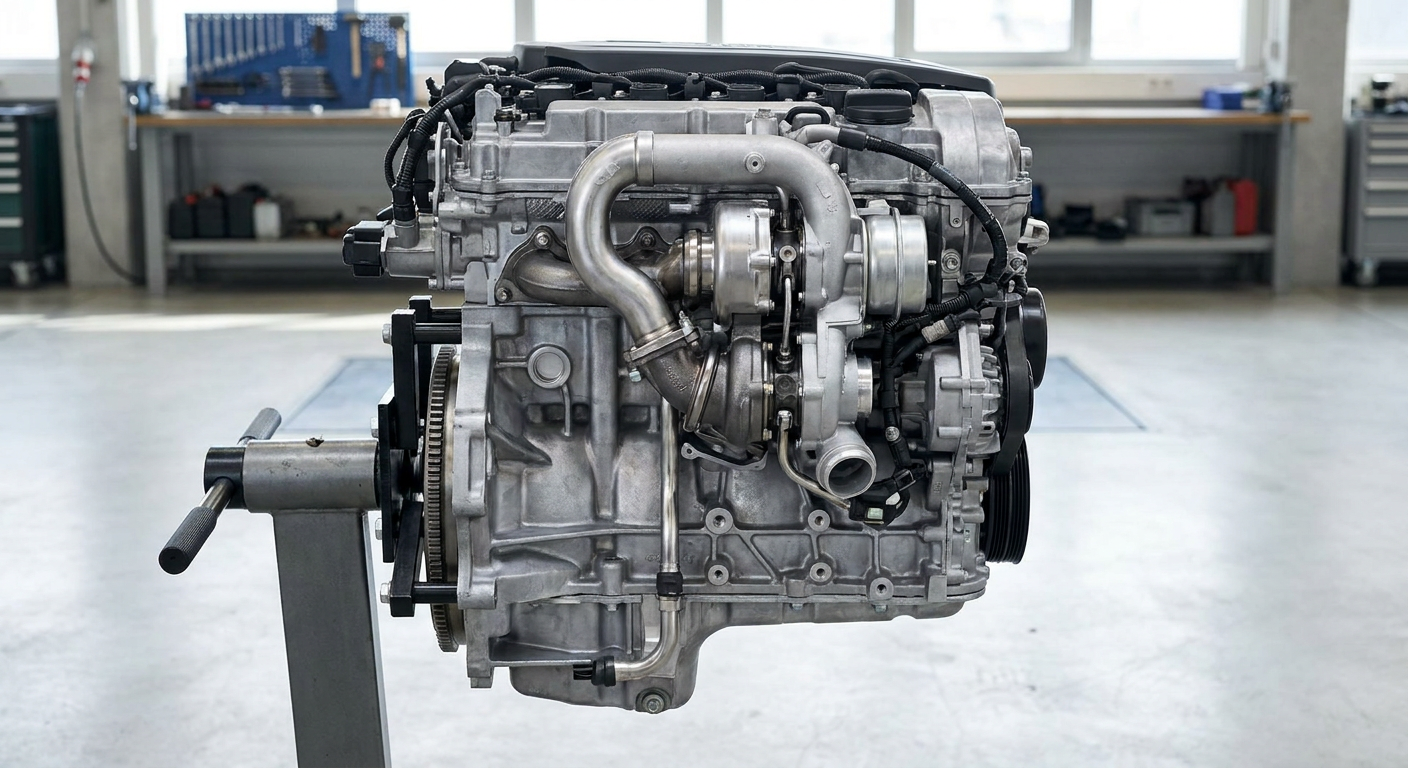
Introduction to the BMW N47D20 160 kW Engine
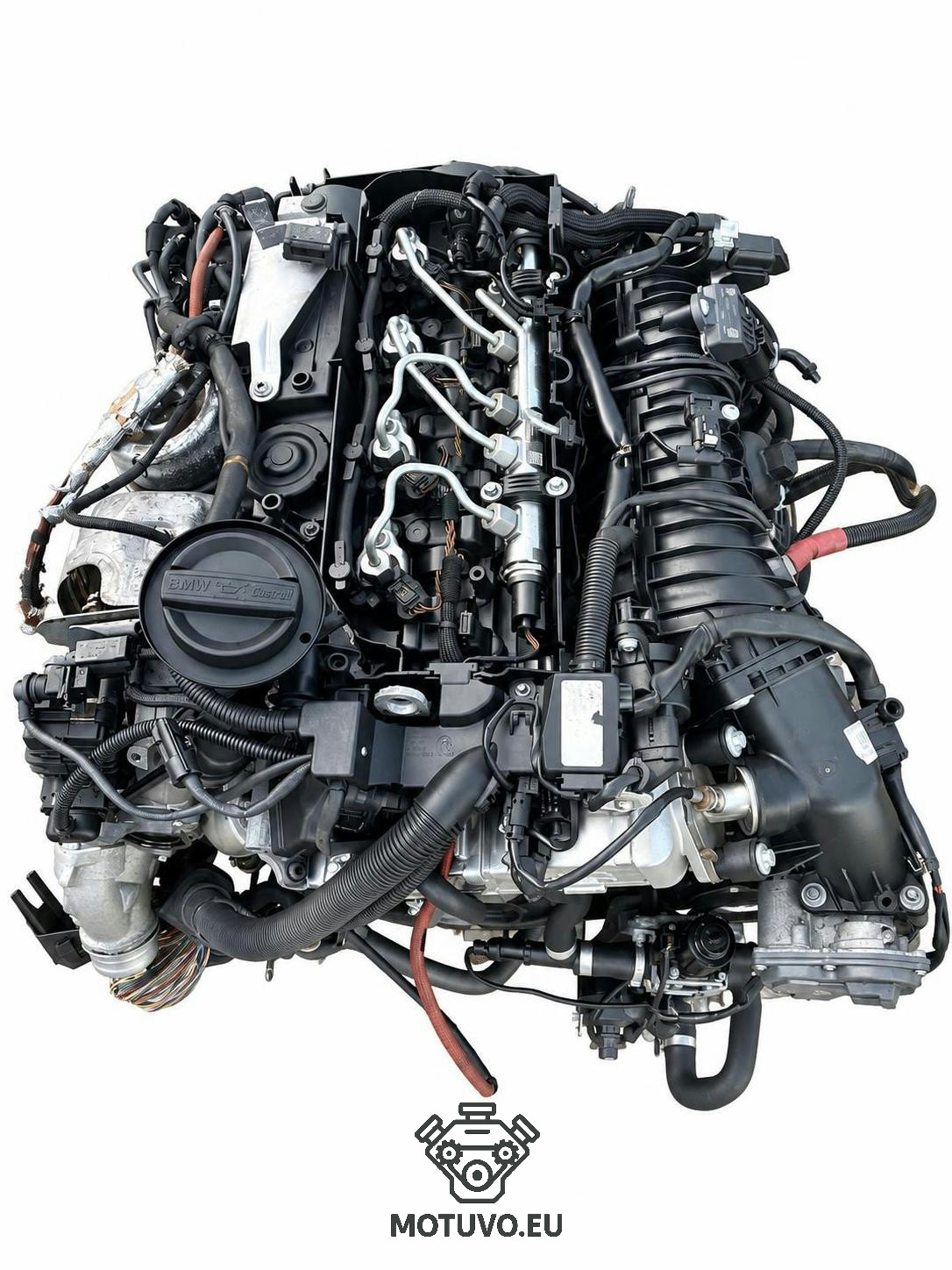
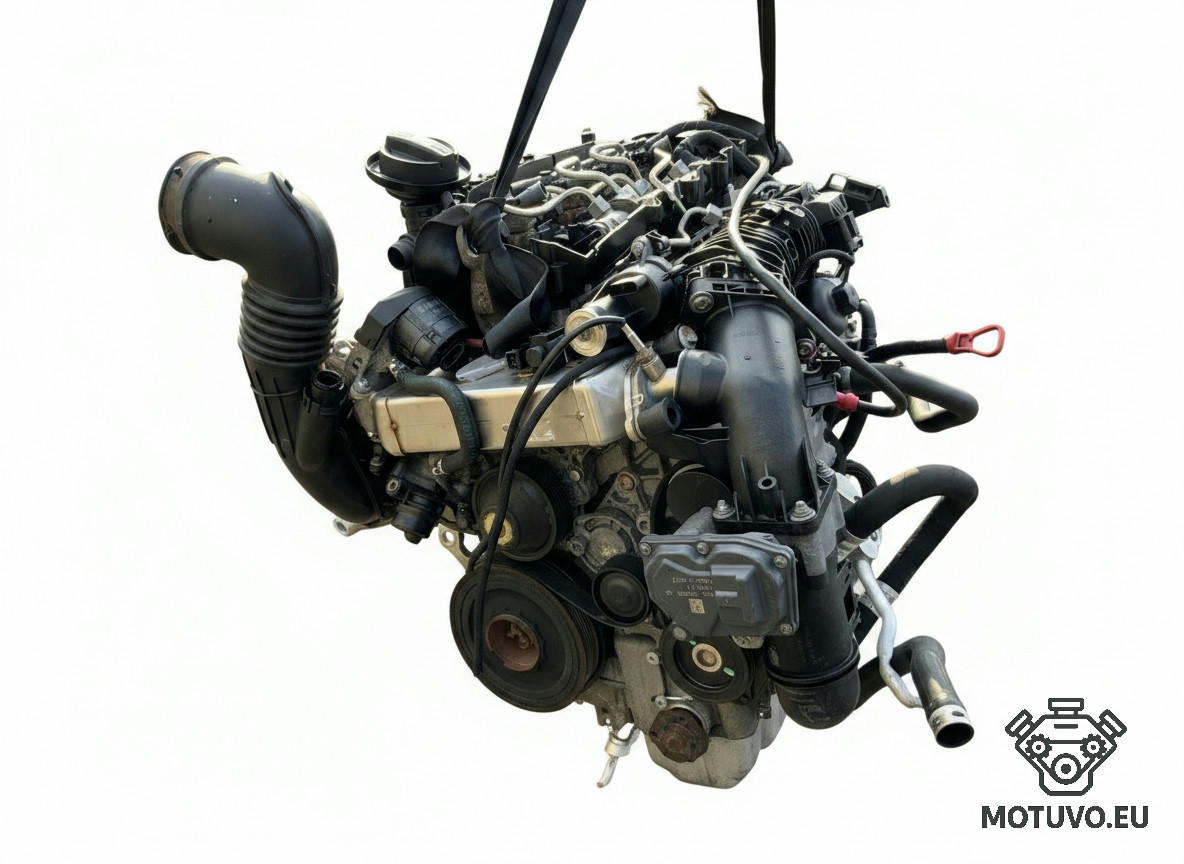
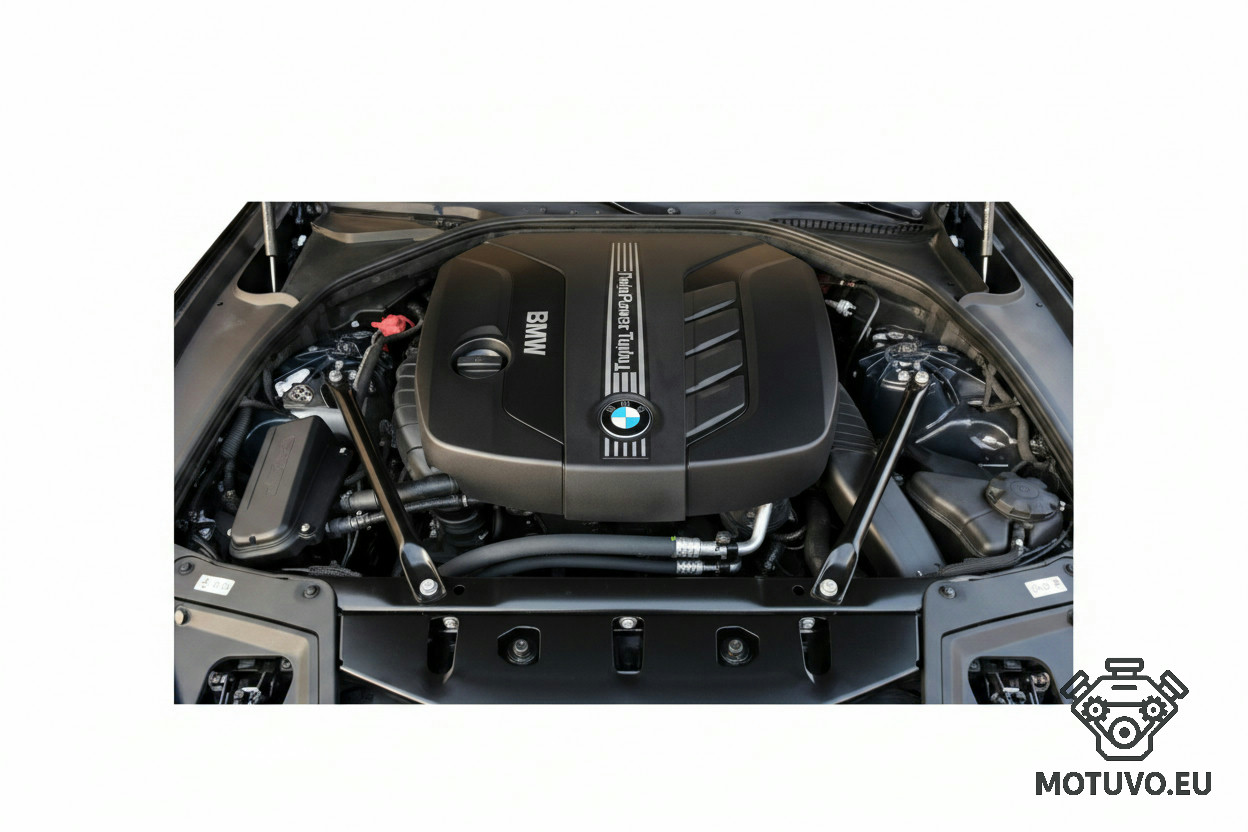
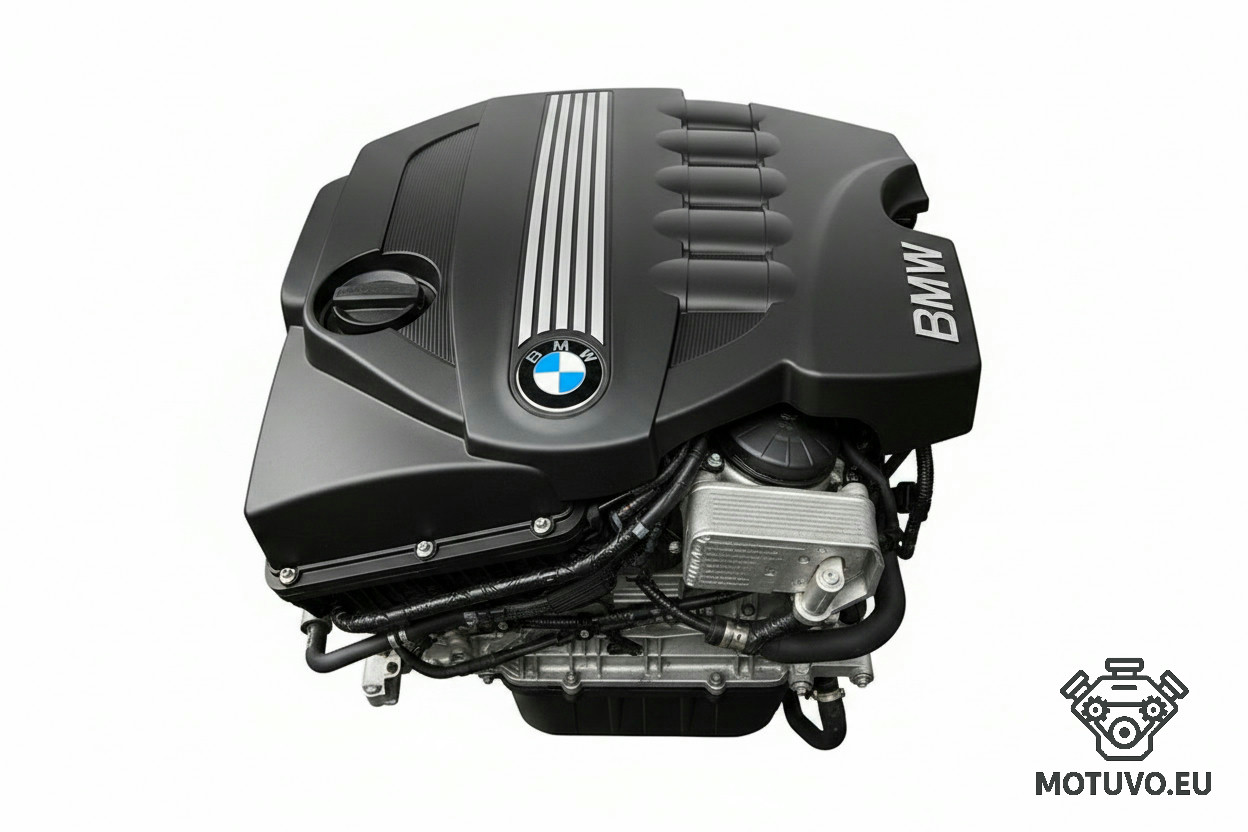
The N47D20 offered in this listing is a 2.0-litre diesel engine rated at 160 kW, equivalent to approximately 218 metric horsepower. It belongs to BMW’s N47 four-cylinder diesel family, known for combining strong low-speed pulling power with relatively modest fuel consumption. This higher-output configuration provides the performance expected from larger diesel engines while retaining a compact four-cylinder layout.
The N47 family uses common-rail direct injection, turbocharging and a chain-driven valve train. However, N47D20 is not a complete compatibility specification. Output version, production date, emissions equipment and vehicle installation all matter when choosing a replacement. The catalogue identifies the engine and its advertised applications, but the receiving vehicle’s VIN and original engine details should still be checked before purchase.
How Popular and Widely Used Is the N47D20?
The N47 was a major BMW diesel engine family, used across compact cars, saloons, coupés and SUVs. Its widespread adoption means that many independent BMW specialists are familiar with its servicing requirements, diagnostic procedures and characteristic faults. Replacement components and repair knowledge are generally well established, although availability varies by exact version.
The 160 kW version is a higher-output member of that family, rather than a specification shared by every N47D20. The catalogue connects this engine with six BMW chassis and model combinations, from the F20 125d to the F10 525d and E84 X1 xDrive 25d. That range demonstrates its versatility, but does not make engines from those installations automatically interchangeable.
Other Part Numbers and Engine Variants
BMW engine identification can include a family code, a more specific variant designation and individual assembly or component part numbers. Sellers may use shortened codes in listings, so matching the text “N47D20” alone is insufficient. Confirm the engine markings and the relevant BMW assembly references against the vehicle’s VIN.
The catalogue also contains the following potentially relevant comparison entries:
- N47D20D: listed separately as a 2.0-litre, 155 kW diesel. Its different advertised output means it should not be assumed equivalent to this 160 kW unit.
- N47C20A: listed as a 2.0-litre, 82 kW diesel. Membership of the broader N47 family does not establish compatibility with the applications below.
Other catalogue entries include A20DT, UFBA, M9RL782, BYL, M9RP814, M9RC833, G6DB and M9R855. These are separate catalogue engines, not alternative part numbers for this N47D20. A shared displacement or fuel type is not evidence of interchangeability.
Within the N47 range, differences can include turbocharging hardware, injectors, engine management, emissions systems and installation components. The high-output 160 kW configuration uses two-stage turbocharging; replacing it with a lower-output N47 is not simply a matter of transferring the engine control unit.
Listed BMW Model Applications
The supplied catalogue associates this N47D20 160 kW engine with the following applications:
- BMW 1 Series: F20 125d.
- BMW 2 Series: F22 225d.
- BMW 3 Series: F30 325d.
- BMW 4 Series: F32 425d.
- BMW 5 Series: F10 525d.
- BMW X1: E84 X1 xDrive 25d.
These are catalogue-listed applications, not confirmation that every vehicle carrying those badges uses this exact engine. Production changes can introduce different engine families or specifications within a model’s lifetime. Verify build date, original engine identification and emissions configuration. For the X1 xDrive installation in particular, check the sump, mounting and drivetrain-clearance requirements rather than assuming a passenger-car donor engine is ready to install unchanged.
Strong Points of the N47D20
Strong Performance from a Compact Diesel
At 160 kW, this engine delivers substantial power for its displacement. Two-stage turbocharging supports useful response across a broad operating range, giving the listed BMW models strong acceleration without requiring a larger six-cylinder engine. Correct boost control and a leak-free intake system are important to maintaining that performance.
Efficiency and Specialist Familiarity
Common-rail injection allows precise fuel delivery, supporting efficiency and controlled combustion. In a healthy vehicle, the combination of diesel torque and suitable gearing makes the engine well suited to longer journeys. Actual fuel consumption depends on vehicle weight, transmission, driving conditions and the condition of the injection and emissions systems.
The engine family’s broad service history is another advantage. Experienced workshops understand its inspection priorities, making informed diagnosis easier than with a rare engine. That familiarity is valuable when assessing a used unit or documenting the scope of a rebuild.
Weak Points and Common Failures
Timing Chain Wear
Timing chain wear is the best-known N47 concern. The timing drive is positioned at the gearbox end of the engine, making access labour-intensive. Worn chains, guides or tensioners can cause abnormal rattling, and a serious timing failure can damage valves and pistons. Risk varies with version, maintenance history and existing wear; neither mileage nor a brief quiet start proves the system is healthy.
Ask for evidence of timing-system repairs, including which components were replaced. A specialist inspection is particularly important if there is unexplained noise from the rear of the engine.
Turbocharging and Lubrication Problems
The two-stage turbo system adds hoses, actuators and control components that require proper diagnosis. Low boost, smoke or poor acceleration can result from charge-air leaks or control faults as well as turbocharger damage. Oil starvation, contaminated oil and restricted oil lines can damage replacement turbochargers if the underlying cause is left unresolved.
EGR, DPF and Injection Issues
Exhaust gas recirculation can contribute to intake deposits, while repeated short journeys may prevent satisfactory diesel particulate filter regeneration. A restricted DPF increases exhaust backpressure and should be investigated before fitting another engine. Check applicable EGR-related recall or service-action status by VIN rather than assuming every N47 vehicle has the same requirements.
Injector faults can cause rough running, difficult starting or abnormal combustion. Fuel-pressure checks and injector return-flow testing help distinguish injection problems from mechanical wear. Persistent coolant loss, oil leakage or rising oil level also warrants diagnosis rather than routine topping-up.
What to Consider When Replacing the Engine
Identify the original failure before installing a replacement. A blocked DPF, contaminated fuel system, damaged cooling system or unresolved lubrication fault can harm the next engine. After turbocharger failure, inspect and clean the charge-air circuit as appropriate, including checking the intercooler for accumulated oil.
- Verify identity: match VIN, engine markings, output specification and relevant assembly references.
- Confirm the supply scope: establish whether the offer is a bare engine, long block or assembly with ancillary equipment. Do not assume turbochargers, injectors or wiring are included.
- Request condition evidence: ask for available mileage records, test results, running videos and repair documentation.
- Check installation hardware: compare mounts, sump, sensors, manifolds, oil lines and transmission interfaces.
- Plan commissioning: follow the correct lubrication-priming, cooling-system bleeding and diagnostic procedures. Injector coding or adaptations may be required where components change.
- Review purchase terms: confirm warranty conditions, installation requirements and any exchange-engine obligations before ordering.
With the engine removed, assess accessible seals and the timing system. Use the correct BMW-approved oil specification for the exact vehicle and emissions equipment, rather than selecting lubricant solely by viscosity.
Buy the N47D20 160 kW Engine at Motuvo.eu
Looking for a replacement for one of the listed BMW applications? Buy your N47D20 160 kW engine at Motuvo.eu after confirming compatibility and supply details. Visit the N47D20 160 kW engine product page and provide your VIN, original engine identification and required ancillary equipment so the proposed replacement can be checked before you order.