BMW N46B20A 110 kW Engine: Applications and Buying Guide
Introduction to the BMW N46B20A Engine
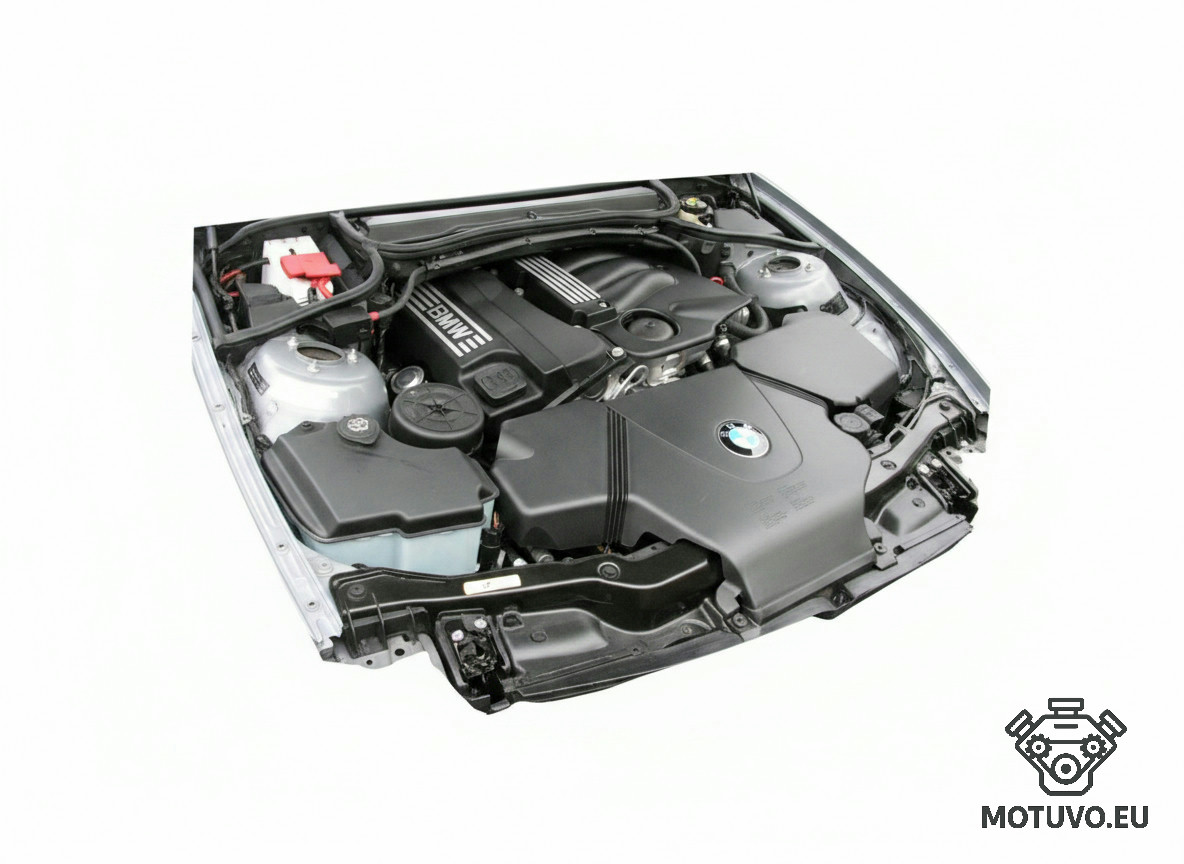
The N46B20A is a BMW 2.0-litre petrol engine from the N46 four-cylinder family. The Motuvo.eu catalogue entry specifies 110 kW, equivalent to approximately 150 metric horsepower. It belongs to a generation of naturally aspirated BMW engines that combines multi-valve construction with electronically controlled valve operation to balance everyday performance and fuel efficiency.
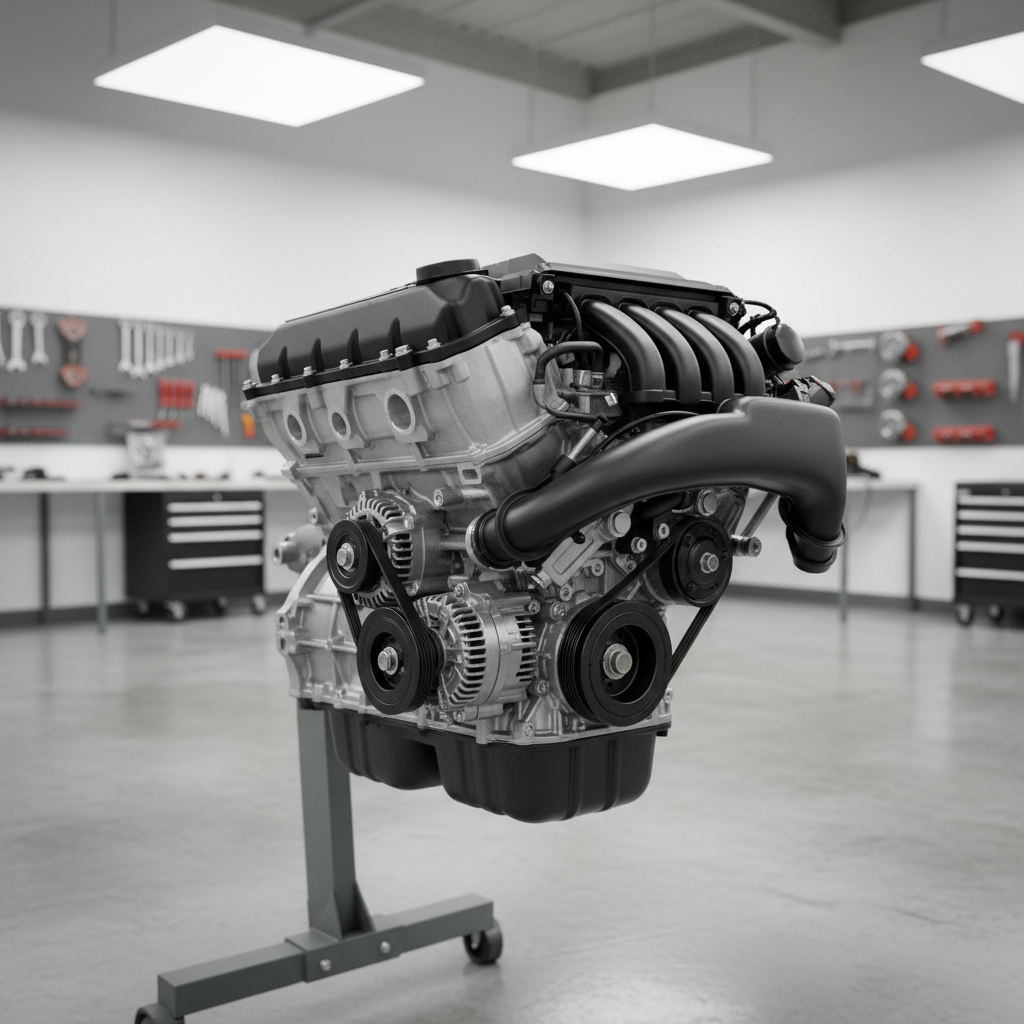
The N46 family uses an aluminium engine structure, chain-driven double overhead camshafts, Valvetronic variable intake valve lift and double VANOS variable camshaft timing. Unlike later turbocharged BMW petrol families, it uses port fuel injection. For replacement buyers, however, the engine code is only the starting point: vehicle specification, production date and installed equipment must also match.
How Popular and Widely Used Is the N46B20A?
The N46 family had a broad presence in BMW's four-cylinder petrol range during the mid-2000s and into the following decade in selected markets. Its use across hatchbacks, saloons, estates, sports cars and SUVs makes it an important engine family in the replacement market.
The supplied catalogue covers applications from 2004 to 2015, but this should not be interpreted as a single unchanged 110 kW engine fitted throughout that period. BMW used different output levels, revisions and market-specific engine choices under similar model badges. Some vehicles also moved to other engine families depending on their market and production date.
A 118i, 320i or X3 badge does not establish compatibility. The breadth of the catalogue makes VIN-based identification particularly important when choosing a replacement.
Other Part Numbers and Engine Variants
N46B20A is an engine identification code rather than a universal BMW service part number for every complete engine assembly. The wider N46 range includes revised versions and different calibrations. References to N46, N46B20 or later N46 revisions in listings are therefore not sufficient proof of interchangeability.
Although the N46 is related to the earlier N42 family, that relationship does not make complete engines directly interchangeable. Cylinder-head equipment, engine management, wiring, sensors and installation components can vary. Confirm the original engine identification and any applicable BMW assembly references before ordering.
Motuvo.eu also lists BMW B48B20, N26B20A and N20B20A engines. These are different turbocharged engine families, not alternative part numbers for the N46B20A. The catalogue's BGB, BPY, BUL, BWA, G4KD, G4ND and MR20DE entries are likewise separate engines. Shared displacement or fuel type does not indicate replacement compatibility.
Catalogue Model Applications
The catalogue summary names BMW X3, 1 Series, 3 Series and Z4 applications. Its detailed description additionally includes specific 5 Series and X1 entries. The complete supplied application list is reproduced below as a catalogue reference, not a guarantee that every version uses the listed 110 kW specification.
BMW 1 Series
- 2005–2007 E87 118i
- 2007–2011 E81/E87 118i
- 2004–2007 E87 120i
- 2007–2011 E81/E82/E87/E88 120i
BMW 3 Series
- 2005–2007 E90/E91 318i
- 2007–2013 E90 318i
- 2005–2007 E90/E91 320i
- 2007–2013 E90/E91/E92/E93 320i
BMW X3, Z4, 5 Series and X1
- 2004–2007 E83 X3 2.0i
- 2007–2010 E83 X3 2.0i
- 2005–2008 E85 Z4 2.0i
- 2007–2010 E60 520i
- 2009–2015 E84 X1 sDrive18i / xDrive18i
Before purchase, check the VIN, original engine stamping and production details. Differences between rear-wheel-drive and all-wheel-drive installations also require attention to the sump, mounting arrangements and surrounding hardware.
Strong Points of the N46B20A
Naturally aspirated operation provides progressive throttle response without turbocharger or charge-air cooling hardware. Port injection also avoids the high-pressure fuel equipment used by direct-injection petrol engines. This removes several component categories from the maintenance picture, although the N46 still has sophisticated valve-control systems.
Valvetronic adjusts intake valve lift to control engine load and reduce pumping losses during much of normal operation. Double VANOS adjusts intake and exhaust camshaft timing to support torque delivery and efficiency across the operating range.
The engine family's long-standing presence in the repair market is another practical advantage. BMW specialists are familiar with its diagnostic procedures and recurring faults. With sound mechanical condition, correct lubrication and a healthy cooling system, an appropriately matched N46B20A remains a viable replacement for an original installation.
Weak Points and Common Failures
Timing Chain, Guides and Tensioner
Timing-chain wear, damaged guides and tensioner problems are recognised N46 concerns. Warning signs can include abnormal rattling and camshaft-to-crankshaft correlation faults. A brief noise is not a diagnosis by itself, but persistent or pronounced rattling needs investigation. Loss of correct valve timing can cause serious internal damage.
Oil Consumption and External Leaks
Hardened valve stem seals can contribute to oil consumption and blue exhaust smoke, sometimes noticeable after idling or on subsequent acceleration. Crankcase ventilation faults and piston-ring wear can produce overlapping symptoms, so testing matters before deciding on a repair. External leaks may occur around the cam cover, oil filter housing and vacuum pump sealing areas.
Valvetronic and VANOS Problems
Valvetronic actuator, eccentric-shaft sensor or mechanical wear problems can cause rough running, warning lights and reduced performance. VANOS solenoid faults or restricted oil supply can also affect camshaft adjustment. Diagnosis should combine fault codes, live data, wiring checks and mechanical inspection rather than assume every timing-related fault requires a replacement engine.
Cooling System and Ignition Faults
Ageing cooling-system components can cause leaks or overheating. Previous overheating warrants careful checks for cylinder-head distortion and sealing problems. Worn spark plugs, failing ignition coils and intake leaks can cause misfires or unstable idle without indicating major internal engine damage.
What to Consider When Replacing an N46B20A
Identify why the original engine failed before fitting another unit. Unresolved cooling faults, lubrication problems or contaminated ancillary components can damage the replacement. A complete diagnostic assessment may also show that repairing the existing engine is more appropriate.
- Verify compatibility: provide the VIN, engine code, production date, transmission details and original power specification.
- Confirm supply scope: establish whether the unit includes intake components, injectors, wiring, sensors, accessories or only the core engine assembly.
- Ask for condition evidence: request available mileage records, running-test information, compression or leak-down results and inspection details.
- Review installation differences: check the sump, mounts, flywheel or flexplate, exhaust connections and cooling connections.
- Plan commissioning: follow BMW procedures for lubrication, cooling-system bleeding, fault checks and any required adaptations.
Inspect accessible seals, crankcase ventilation components and timing hardware before installation. Use oil meeting the applicable BMW specification for the vehicle. Clarify warranty conditions, installation requirements and which components must be transferred from the original engine before committing to the purchase.
Buy Your N46B20A Engine at Motuvo.eu
Looking for a replacement BMW N46B20A 2.0L 110 kW petrol engine? Visit the N46B20A engine product page at Motuvo.eu to check current availability and request compatibility confirmation. Share your VIN and existing engine details so you can confirm the correct specification, supplied components and purchase terms before ordering.