BMW N45B16A 1.6L 85 kW Engine: Applications and Buying Guide
Introduction to the BMW N45B16A engine
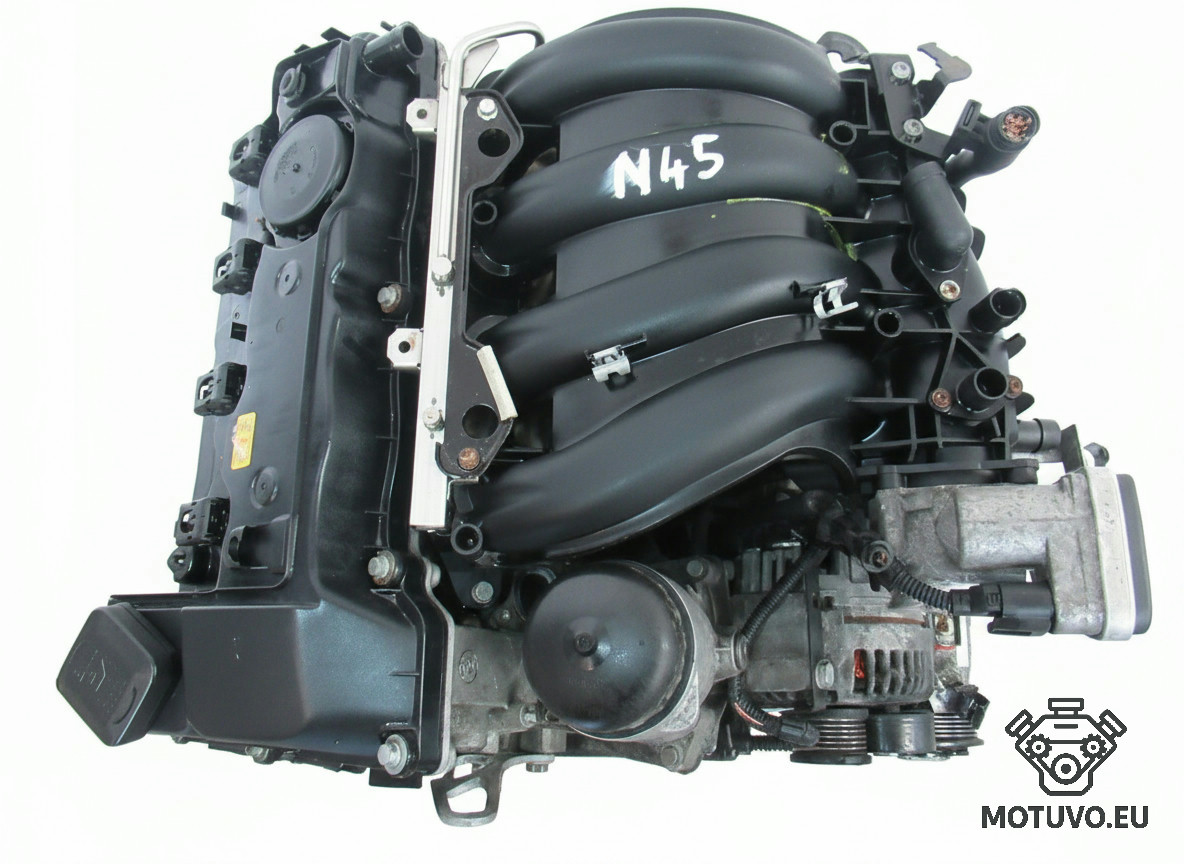
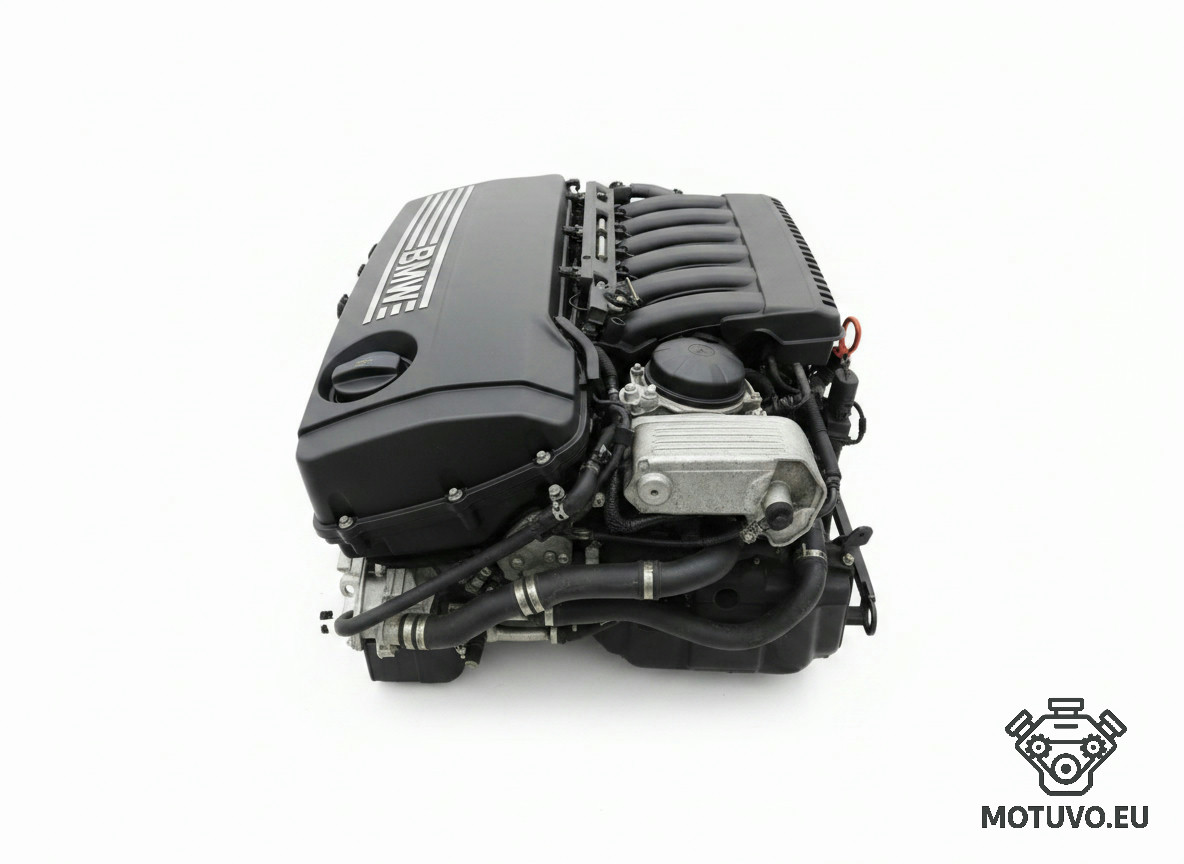
The BMW N45B16A is a 1.6-litre petrol engine listed in the Motuvo.eu catalogue with an output of 85 kW, equivalent to approximately 116 metric horsepower. It belongs to BMW’s N45 family of naturally aspirated inline-four engines and is associated with selected entry-level BMW 1 Series and 3 Series models.
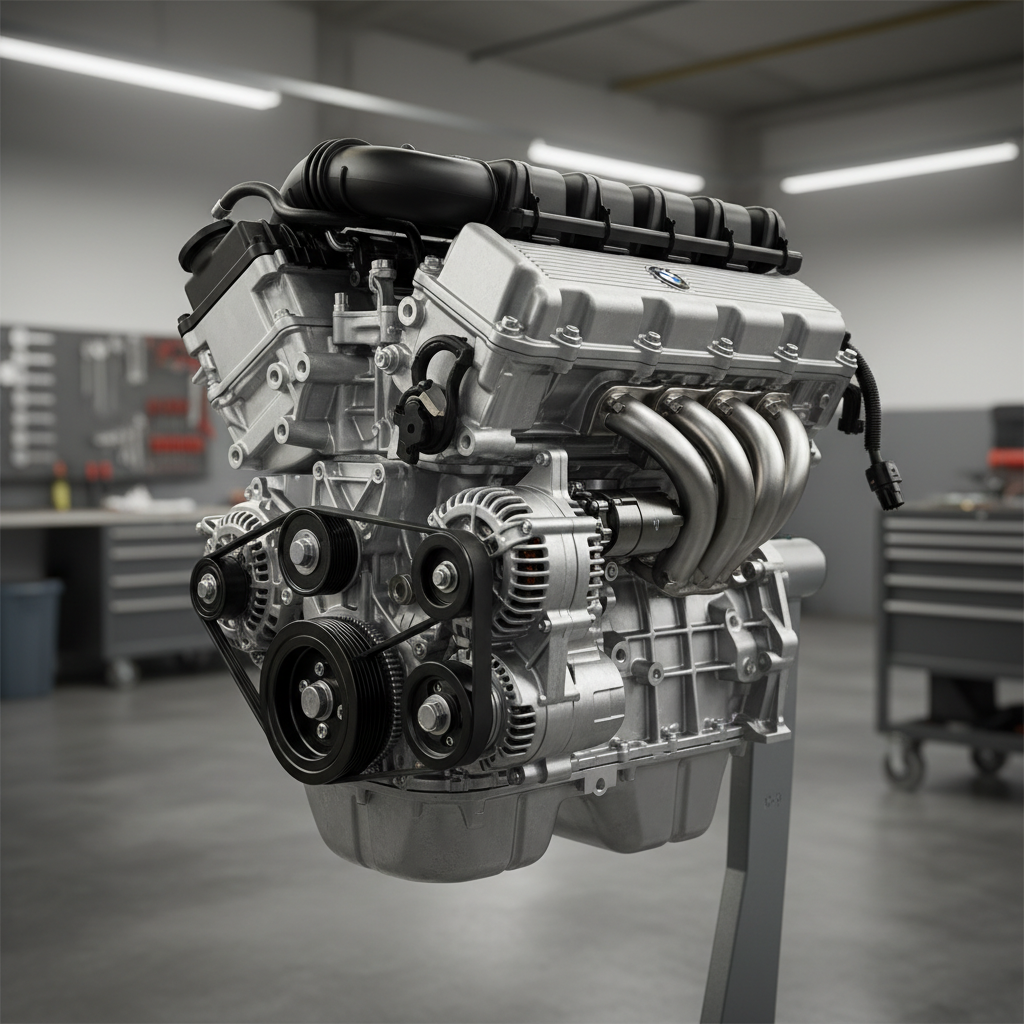
Its basic architecture includes double overhead camshafts, four valves per cylinder and a timing chain. Unlike BMW’s related N42 and N46 engines, the N45 does not use Valvetronic variable valve lift. It does use VANOS camshaft timing adjustment. For replacement buyers, this distinction matters: visually similar BMW four-cylinder engines are not necessarily mechanically or electronically interchangeable.
A successful replacement depends on matching the engine specification to the recipient vehicle, not simply choosing another BMW 1.6-litre petrol unit.
How popular and widely used is the N45B16A?
The N45B16A served a specific role within BMW’s petrol range: providing a relatively modest-output engine for selected 116i and 316i applications. Its use across two model families makes it relevant to the European replacement-engine market, particularly for owners maintaining older compact BMWs.
However, it should not be treated as the universal engine for every 116i or 316i built during the catalogue’s date ranges. BMW engine availability varied with market, production date and emissions specification. The same exterior model badge can therefore conceal a different engine family.
For workshops and private buyers, its presence in both the 1 Series and 3 Series is useful background, but vehicle identification and engine-code checks remain essential. Shared displacement and power output alone do not establish compatibility.
Other part numbers and engine variants
The catalogue identifies this engine as N45B16A. It also includes N45B16 and N45B16AB, each listed as a 1.6-litre petrol engine producing 85 kW. These closely related designations are worth investigating when sourcing a replacement, but the catalogue information does not prove that they are interchangeable complete assemblies.
N45B16 is also used as a broader engine-family designation in technical discussions. A suffix may reflect an identification convention or specification difference, so it should never be ignored without checking the actual engine and vehicle records.
- N45B16A: the engine code covered by this article and product listing.
- N45B16: a related catalogue entry requiring specification confirmation.
- N45B16AB: another related catalogue entry that must be checked against the recipient vehicle.
The catalogue also contains N14B16A, HR16, SHDC, G4FT, 5F01, HWDB, SHDA and 5F05 engines. These are not established substitutes for the N45B16A. Similar capacity or output is not evidence of matching mounts, transmission interfaces, fuel systems or engine electronics.
BMW model applications
The supplied catalogue lists the following applications for the N45B16A 85 kW engine:
- BMW 1 Series 116i, E81/E87: catalogue application range 2004–2011.
- BMW 3 Series 316i, E90/E91: catalogue application range 2006–2009.
These dates describe the catalogue’s grouped application coverage. They should not be interpreted as confirmation that every listed body variant used this engine throughout every year in the range.
Before ordering, compare the vehicle’s VIN-derived engine specification with the identification on the original engine. The supplier should also confirm suitability for the intended transmission and the ancillary equipment that will be retained. A model badge, registration year or generic parts-search result is insufficient on its own.
Strong points of the N45B16A
Naturally aspirated petrol architecture
The N45B16A has no turbocharger, eliminating turbo bearing, wastegate and boost-pipe faults from its component list. Its port-injection arrangement also avoids the high-pressure petrol injection equipment found on direct-injection engines. These characteristics simplify certain diagnostic and repair tasks, although they do not make the engine maintenance-free.
No Valvetronic mechanism
Because this engine does not use Valvetronic, there is no Valvetronic eccentric-shaft mechanism or actuator to diagnose. This is a meaningful distinction from some related BMW petrol engines. VANOS remains part of the engine, however, so correct oil condition and camshaft-control operation still matter.
Useful serviceability
Its conventional inline-four layout allows familiar diagnostic procedures: compression testing, leak-down testing, ignition checks and inspection of oil and coolant systems. When the engine is mechanically healthy and maintained correctly, its naturally aspirated delivery suits everyday driving. For a replacement purchase, documented condition is more valuable than general claims about engine-family durability.
Weak points and common failures
Timing-chain system wear
Timing-chain wear, tensioner deterioration and damaged chain guides are important inspection concerns. Symptoms can include rattling at start-up, persistent mechanical noise, irregular running or camshaft correlation faults. Noise alone does not identify the failed component, so proper diagnosis is necessary. If valve timing moves significantly out of specification, internal engine damage can result.
VANOS and lubrication-related problems
VANOS operation depends on suitable oil pressure and clean oil passages. Contamination, control-valve faults or mechanical wear may cause poor response, rough running and timing-related fault codes. Check oil level, oil condition, electrical connections and actual camshaft response before condemning major components. Replacing a sensor without testing the system can leave the underlying fault unresolved.
Oil leaks and crankcase ventilation
Age-related gasket and seal leaks deserve attention, particularly around the camshaft cover and accessible engine sealing joints. Crankcase ventilation faults can contribute to unstable idle, abnormal crankcase pressure and oil consumption. Visible smoke or frequent oil top-ups require diagnosis rather than an assumption that all older engines behave this way.
Misfires and cooling-system faults
Ignition coils, spark plugs and intake leaks are routine checks when investigating misfires. Compression testing helps distinguish these external faults from internal mechanical problems. Cooling-system deterioration is another age-related concern: coolant loss, thermostat malfunction or poor circulation can cause overheating. Any replacement engine should be installed only after the original cause of overheating has been corrected.
What to consider when replacing an N45B16A
Confirm compatibility and supply scope
Ask the supplier to verify the engine code against your VIN and original unit. Compare the sump, mounting brackets, intake and exhaust interfaces, sensors, wiring connections and flywheel or drive-plate arrangement where relevant. Even a suitable base engine may need vehicle-specific components transferred from the original assembly.
Establish exactly what is included. A bare engine, long block and dressed assembly can contain very different components. Do not assume the starter, alternator, manifolds, injectors, wiring loom or control unit are supplied merely because they appear in a reference photograph.
Assess condition and installation requirements
- History: request available mileage, donor identification and service information.
- Testing: ask about compression, leak-down, oil-pressure or running-test evidence where available.
- Timing components: inspect their condition and establish whether any replacement work is documented.
- Installation: inspect accessible seals, cooling components and mounts before fitting.
- Terms: confirm warranty coverage, installation requirements and any return or exchange conditions.
The workshop should identify why the previous engine failed, address affected external systems and use fluids meeting the vehicle’s BMW requirements. Follow the appropriate lubrication priming and initial-start procedures, then check for leaks, fault codes and stable operating temperature. If control units are being changed, establish coding and immobiliser requirements before installation.
Buy your N45B16A engine at Motuvo.eu
Looking for a BMW N45B16A 1.6L 85 kW petrol engine? Visit the N45B16A engine product page at Motuvo.eu to check current availability and purchase options. Provide your VIN and original engine details before ordering so compatibility, included components and supply terms can be confirmed.