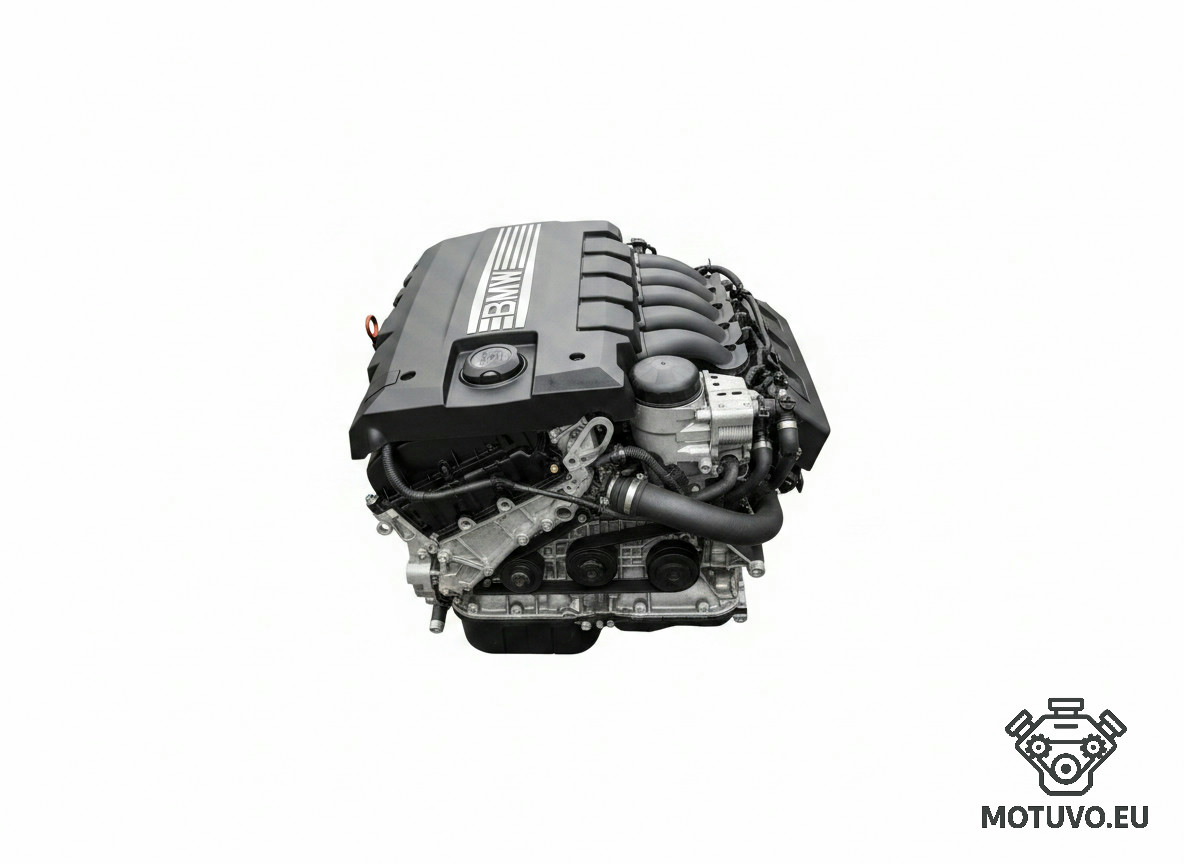
BMW N43B20A 125 kW Engine: Applications and Buying Guide
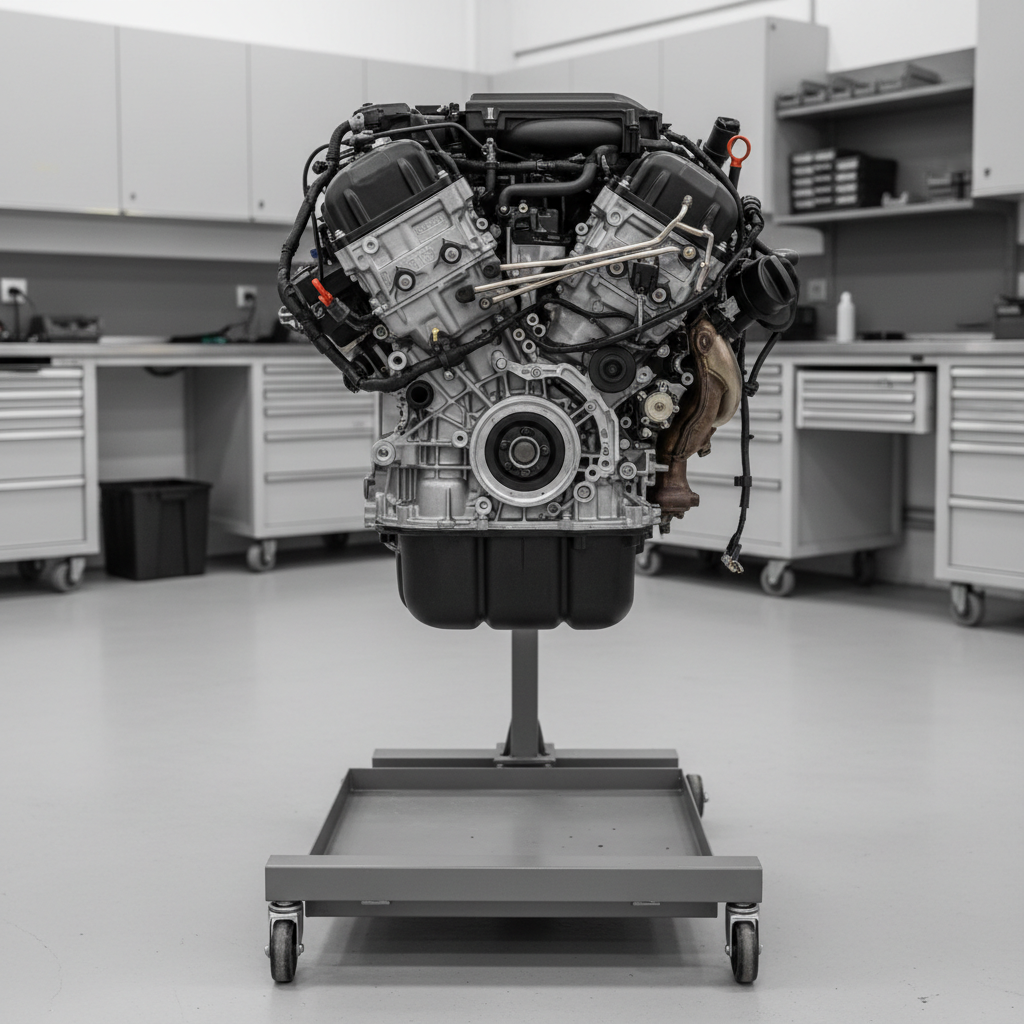
Introduction to the BMW N43B20A engine
The N43B20A is a BMW 2.0-litre petrol engine from the N43 family. The Motuvo.eu listing specifies 125 kW, equivalent to approximately 170 PS. It is a naturally aspirated, four-cylinder engine with direct petrol injection, developed to combine everyday performance with improved fuel efficiency.
The N43 uses an aluminium construction, chain-driven double overhead camshafts and variable camshaft timing. Its direct-injection system and sophisticated emissions controls distinguish it from simpler port-injected petrol engines. These technologies make correct diagnostics and replacement-engine matching particularly important.
For buyers, the essential distinction is between an engine-family application and a confirmed replacement. A vehicle appearing in the catalogue fitment list does not automatically mean this particular 125 kW assembly is interchangeable with its original engine.
How popular and widely used is the N43B20A?
The N43 family was used across several BMW model ranges during the late 2000s and early 2010s. The supplied catalogue places the N43B20A in the BMW 1 Series, 3 Series and 5 Series, covering hatchbacks, saloons, estates, coupés and convertibles.
Its presence in several high-volume BMW ranges makes it a familiar engine to European independent workshops. However, availability differed by market, and BMW did not use the same petrol-engine technology in every country. Registration year and model badge alone are therefore insufficient identification methods.
Today, the engine remains relevant to owners maintaining older BMWs whose bodies, transmissions and interiors are still serviceable. A properly matched replacement can be a practical alternative to extensive internal repairs, but the decision should account for the condition of the fuel system, cooling system and emissions equipment as well.
Other part numbers and engine variants
N43B20A is an engine identification code, not a complete interchange specification. The wider N43 range included different displacements and output levels. Even among 2.0-litre engines, software, associated components and vehicle-specific installation details can affect suitability.
No verified alternative BMW assembly part numbers are supplied for this product. Buyers should not assume that a different suffix, a similar engine designation or a dismantler’s stock reference establishes compatibility. Confirm the original engine code, vehicle identification number and relevant BMW parts references before ordering.
Related catalogue engines are not direct substitutes
Motuvo.eu also lists B48B20, N26B20A and N20B20A petrol engines. These belong to different BMW engine families and should not be treated as direct replacements for the naturally aspirated N43. Shared 2.0-litre capacity does not establish mechanical or electronic compatibility.
The related catalogue entries BGB, BPY, BUL, BWA, G4KD and G4ND are likewise not alternative N43 part numbers. They represent different engine designs. Their appearance alongside this listing is useful for browsing the catalogue, not for determining fitment.
Model applications listed in the catalogue
The supplied catalogue identifies the following applications:
- 2007–2011 BMW 116i: E81/E87.
- 2009–2011 BMW 316i: E90/E91.
- 2007–2011 BMW 318i: E90/E91/E92/E93.
- 2008–2011 BMW 118i: E81/E87/E88.
- 2007–2011 BMW 120i: E81/E82/E87/E88.
- 2007–2011 BMW 320i: E90/E91/E92/E93.
- 2007–2009 BMW 520i: E60/E61.
This is the supplier’s application list, not confirmation that every listed model originally produced 125 kW. It spans different output versions, and some entries require particular care over displacement, production date and market specification. For example, the 116i badge was not tied to one engine displacement throughout its production history.
Before purchasing, have the supplier check your VIN and original engine identification against the actual replacement unit. Establish whether compatibility concerns the complete engine as supplied or a base assembly requiring transfer of vehicle-specific components.
Strong points of the N43B20A
Naturally aspirated performance
The N43B20A delivers its power without a turbocharger. This gives a progressive response and avoids turbocharger-specific components such as a boost-control system and charge-air plumbing. It does not eliminate maintenance complexity, but it removes one potential category of repair costs.
Efficient combustion technology
Direct injection delivers fuel into the combustion chamber, allowing precise fuel metering. Under suitable operating conditions, the N43’s lean-burn strategy can reduce fuel consumption. Achieving this benefit depends on a healthy injection system, functioning emissions equipment and correct engine management.
A familiar engine for BMW specialists
Its use across the listed BMW ranges means experienced specialists are familiar with its diagnostic requirements. When compression, oil pressure, timing and fuelling are sound, the engine offers useful everyday performance. Condition and documented testing matter more than broad claims about an engine’s reputation.
Weak points and common failures
Injectors, ignition coils and misfires
The N43’s direct injectors are a significant diagnostic concern. Injector leakage or poor fuel delivery can cause rough idling, difficult starting, misfires and increased consumption. Ignition coils and spark plugs can produce similar symptoms, so fault codes alone should not determine which parts are replaced.
Injector replacement requires attention to the correct specification, sealing components and calibration procedures. A leaking injector can dilute the engine oil with petrol, making a rising oil level or strong fuel smell important warning signs.
NOx sensor and emissions-system faults
The lean-burn system relies on NOx monitoring and a NOx storage catalyst. Faults can disable efficient operating modes and increase fuel consumption, sometimes without dramatic drivability symptoms. Sensor faults, catalyst deterioration and unsuitable operating conditions must be distinguished through proper diagnostics.
Timing chain, guides and lubrication
Timing-chain wear, tensioner problems and damaged plastic guides are recognised concerns. Persistent rattling or camshaft correlation faults warrant investigation. Broken guide material can enter the sump and obstruct the oil pickup, potentially affecting lubrication. Replacing only the chain without checking for debris may leave a serious underlying risk.
Fuel pressure, deposits and leaks
High-pressure fuel-system faults can cause starting problems or poor running. Because direct injection does not wash the backs of the intake valves with fuel, intake deposits are also possible. Oil leaks and crankcase ventilation faults should be assessed during inspection, rather than assuming every rough-running complaint means internal engine damage.
What to consider when replacing the engine
First, establish why the original engine failed. An unresolved injector leak, cooling fault or lubrication problem can damage a replacement or reproduce the original symptoms if defective components are transferred.
- Confirm identity: check the VIN, original engine code, production date and intended power specification.
- Define the supply scope: ask whether injectors, manifolds, wiring, sensors and accessories are included.
- Request condition evidence: seek available mileage records, running-test results, compression readings or other inspection findings.
- Inspect critical systems: review timing components, oil pickup condition, fuel-system health and cooling-system integrity.
- Plan electronic work: establish any injector coding, adaptations or diagnostic procedures required after installation.
- Check purchase terms: confirm warranty coverage, installation conditions and any exchange-engine requirements before payment.
Use the correct BMW-approved oil specification for the vehicle and operating market. During installation, follow the applicable lubrication priming, cooling-system filling and commissioning procedures. After starting, verify oil pressure where appropriate, check for leaks and review live diagnostic data before a road test.
Buy the N43B20A engine at Motuvo.eu
Looking for a BMW N43B20A 2.0L 125 kW petrol engine? Visit the N43B20A engine product page at Motuvo.eu to enquire about purchasing this unit. Provide your VIN and original engine details so compatibility, supplied components, availability and purchase terms can be confirmed before you order.