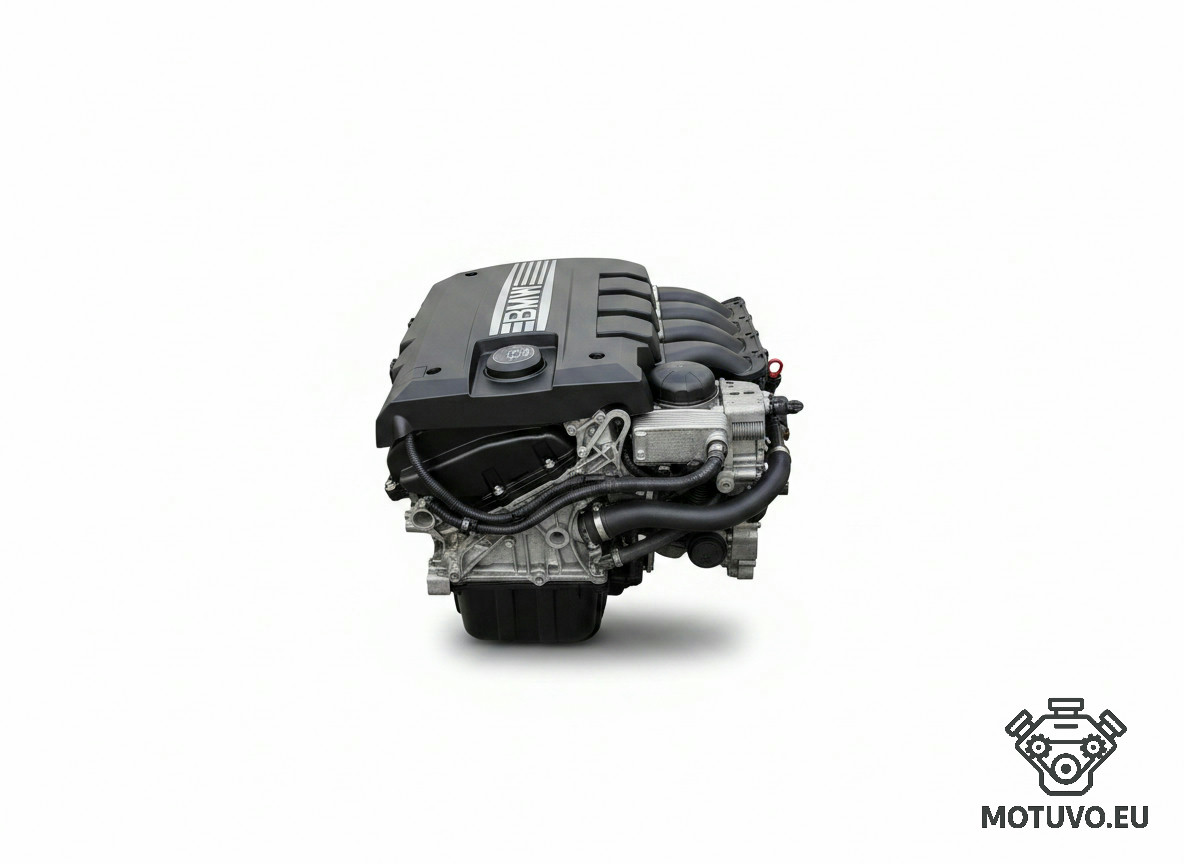
BMW N43B16A 1.6L 90 kW Engine: Applications and Buying Guide
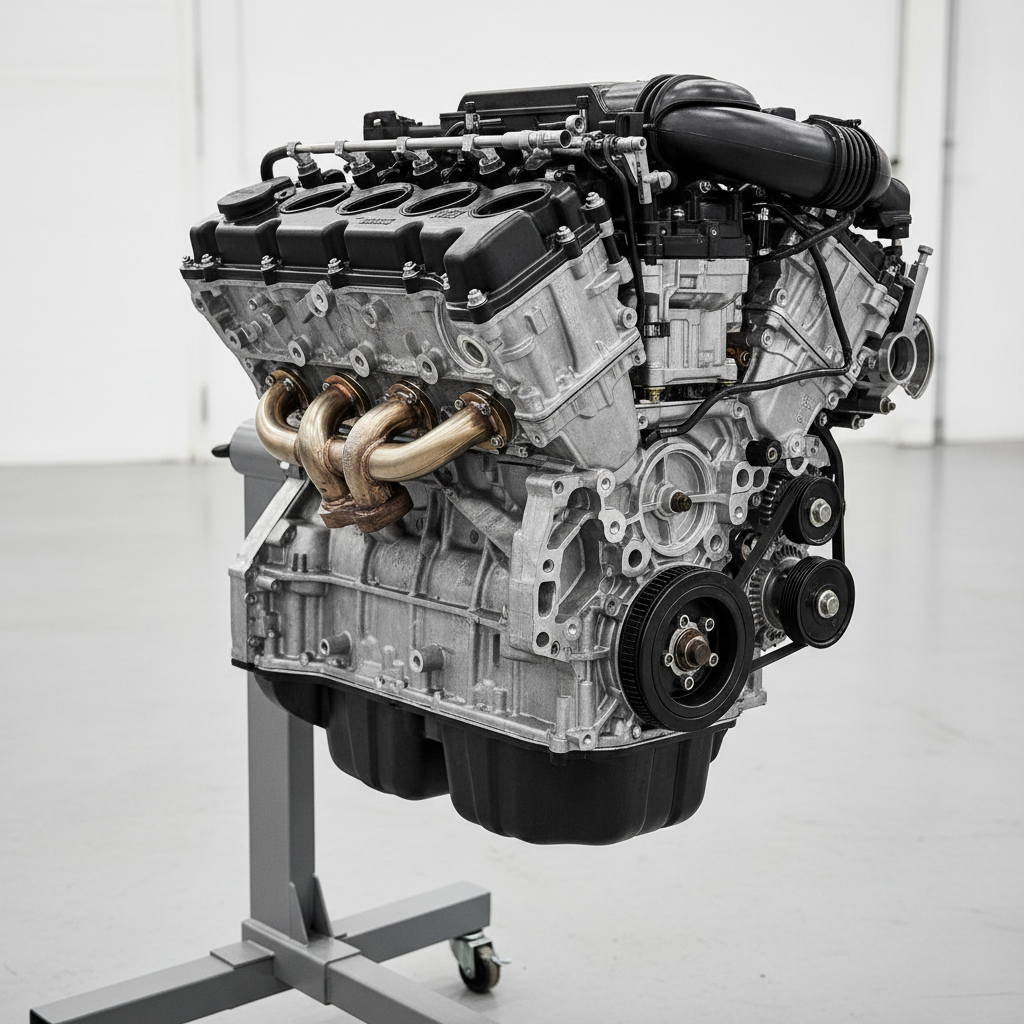
Introduction to the BMW N43B16A Engine
The N43B16A is a 1.6-litre BMW petrol engine listed in the Motuvo.eu catalogue with an output of 90 kW, equivalent to approximately 122 metric horsepower. It belongs to BMW’s N43 family of naturally aspirated, direct-injection four-cylinder engines. For owners considering a replacement, its exact identity matters: another BMW 1.6-litre engine is not automatically a compatible substitute.
The N43 combines an aluminium engine structure, a chain-driven double-overhead-camshaft cylinder head and variable camshaft timing. Unlike the turbocharged petrol engines that followed, it develops power without a turbocharger. However, its direct-injection fuel system and emissions equipment require careful diagnosis and maintenance. A successful replacement therefore depends on assessing both the mechanical engine and the supporting systems retained from the vehicle.
How Popular and Widely Used Is the N43B16A?
The N43 family is familiar to European BMW workshops because it appeared in mainstream petrol models during BMW’s transition towards direct injection. The N43B16A represents the smaller-displacement end of that family. Its presence in entry-level BMW applications makes it relevant to owners who want to keep an existing car running rather than replace the entire vehicle.
That familiarity should not be confused with universal fitment. BMW used different petrol engine families according to production date, market and emissions specification. A model badge such as 116i or 316i does not independently establish which engine is installed. The catalogue information here supports specific E87 and E90 applications, not every vehicle carrying those badges.
For buyers, the practical advantage is that many independent BMW specialists understand N43 diagnostics. Nevertheless, parts selection should always start with the vehicle identification number, engine identification and the specification of the proposed replacement.
Other Part Numbers and Engine Variants
N43B16A is the engine identifier supplied for this listing. The catalogue does not provide alternative assembly numbers, superseded BMW part numbers or an interchangeability table. Any seller reference, casting number or shortened N43 family description should therefore be checked rather than treated as proof of equivalence.
The broader N43 family also includes larger-displacement versions, but family membership does not make them direct replacements. Displacement, engine management, emissions equipment and installation hardware can differ. Even a visually similar assembly may require components or calibration that are unsuitable for the original vehicle.
The catalogue also lists other 1.6-litre petrol engines: N14B16A, HR16, SHDC, N45B16AB, G4FT, 5F01, N45B16, HWDB, SHDA and 5F05. These are related catalogue entries, not confirmed N43B16A alternatives. In particular, the BMW N45 identifiers must not be mistaken for another name for the N43. Matching displacement alone says little about fuel-system design, electronics or fitment.
Model Applications Listed in the Catalogue
The supplied catalogue identifies the following applications for the 1.6-litre, 90 kW N43B16A:
- BMW 1 Series E87 116i: 2007–2009.
- BMW 3 Series E90 316i: 2008.
These dates reproduce the catalogue coverage; they should not be interpreted as a complete production history for every market. No additional body styles, model years or BMW applications are established by the supplied information.
Before ordering, compare the vehicle’s VIN-derived specification with the engine currently fitted. Also check whether the car has previously received a replacement engine. Identification marks, workshop records and BMW parts information together provide a stronger compatibility check than registration year alone.
Strong Points of the N43B16A
Naturally Aspirated Power Delivery
The absence of a turbocharger gives the N43B16A progressive power delivery and removes turbocharger bearings, boost control and charge-air plumbing from the list of possible repairs. Its 90 kW output suits normal road use, provided expectations remain appropriate for a naturally aspirated 1.6-litre engine.
Efficiency-Focused Combustion
Direct injection meters fuel directly into the combustion chambers. The N43’s combustion and emissions strategy was designed to improve efficiency under suitable operating conditions. Actual fuel consumption depends on vehicle condition, journey type and whether the injection and emissions systems allow the intended operating modes.
Established Diagnostic Knowledge
Experienced BMW workshops can evaluate misfire counters, fuel pressure, camshaft timing and emissions-related faults with appropriate diagnostic equipment. This is valuable when deciding whether the existing engine needs replacement or whether a peripheral component is responsible. A mechanically healthy N43 should not be condemned solely because it runs unevenly or stores a warning code.
Weak Points and Common Failures
Timing Chain and Guide Wear
Timing-chain wear, tensioner problems and damaged guides are recognised N43 concerns. Warning signs can include abnormal rattling and camshaft correlation faults, although noise alone is not a definitive diagnosis. If guide material has broken away, the lubrication system and oil pickup should also be inspected for debris. Continuing to operate an engine with compromised timing can cause major internal damage.
Injectors and Fuel Pressure
The direct-injection system is more demanding than a conventional port-injection arrangement. Faulty injectors can cause rough cold starts, misfires, poor combustion and fuel dilution of the oil. High-pressure fuel-system faults can produce overlapping symptoms, so pressure testing and diagnostic data are essential before replacing expensive parts.
Replacement injectors must be suitable for the engine and installed using the correct seals and procedures. Where required, injector calibration values must be entered into the engine control unit. Simply transferring suspect injectors onto a replacement engine can carry the original problem into the new installation.
NOx System and Ignition Faults
The N43’s lean-burn strategy relies on functioning NOx-related emissions equipment. NOx sensor or storage-catalyst faults can restrict intended operating modes and increase fuel consumption. These problems are not evidence of mechanical engine failure by themselves.
Ignition coils and spark plugs are also important diagnostic checkpoints when investigating misfires. Inspect oil leaks, crankcase ventilation and cooling-system condition alongside electronic faults. A complete assessment is more reliable than assuming that every rough-running N43 needs injectors or a replacement long block.
What to Consider When Replacing an N43B16A
Establish Why the Original Engine Failed
Before installation, determine whether the original failure involved timing damage, overheating, oil starvation or fuel contamination. Any unresolved cause can damage the replacement. Check the cooling circuit, lubrication-related components and fuel system as appropriate, and remove contamination from any parts intended for reuse.
Confirm Compatibility and Supply Scope
Ask exactly what is included in the offered engine. A bare assembly, long block and engine supplied with ancillaries represent different levels of completeness. Do not assume that injectors, fuel pump, wiring, intake components, exhaust equipment or control modules are included.
- Confirm N43B16A identification and compatibility with the vehicle’s VIN.
- Compare mounting points, sump configuration, sensors and external connections.
- Check which original components must be transferred and test them beforehand.
- Request available condition evidence, test results and service history.
- Clarify warranty terms, installation requirements and any exchange conditions.
Plan Installation and Commissioning
Budget for correct fluids, filters, seals and any worn installation components. Follow the relevant BMW repair procedures for mechanical timing, fuel-system work and initial lubrication. Retaining the original control system may be appropriate for a matching replacement, but coding and adaptation requirements depend on which components are changed.
After installation, check oil pressure and leaks, verify fuel pressure, inspect fault memory and monitor running behaviour. A controlled road test followed by another inspection helps confirm that the complete vehicle system—not just the replacement engine—is working correctly.
Buy an N43B16A Engine at Motuvo.eu
If you need a replacement for the catalogue-listed BMW E87 116i or E90 316i, start with the 1.6L 90 kW N43B16A listing. Visit Motuvo.eu to buy an N43B16A engine, check current availability and confirm the supplied specification. Have your VIN and existing engine details ready so compatibility and installation requirements can be reviewed before purchase.