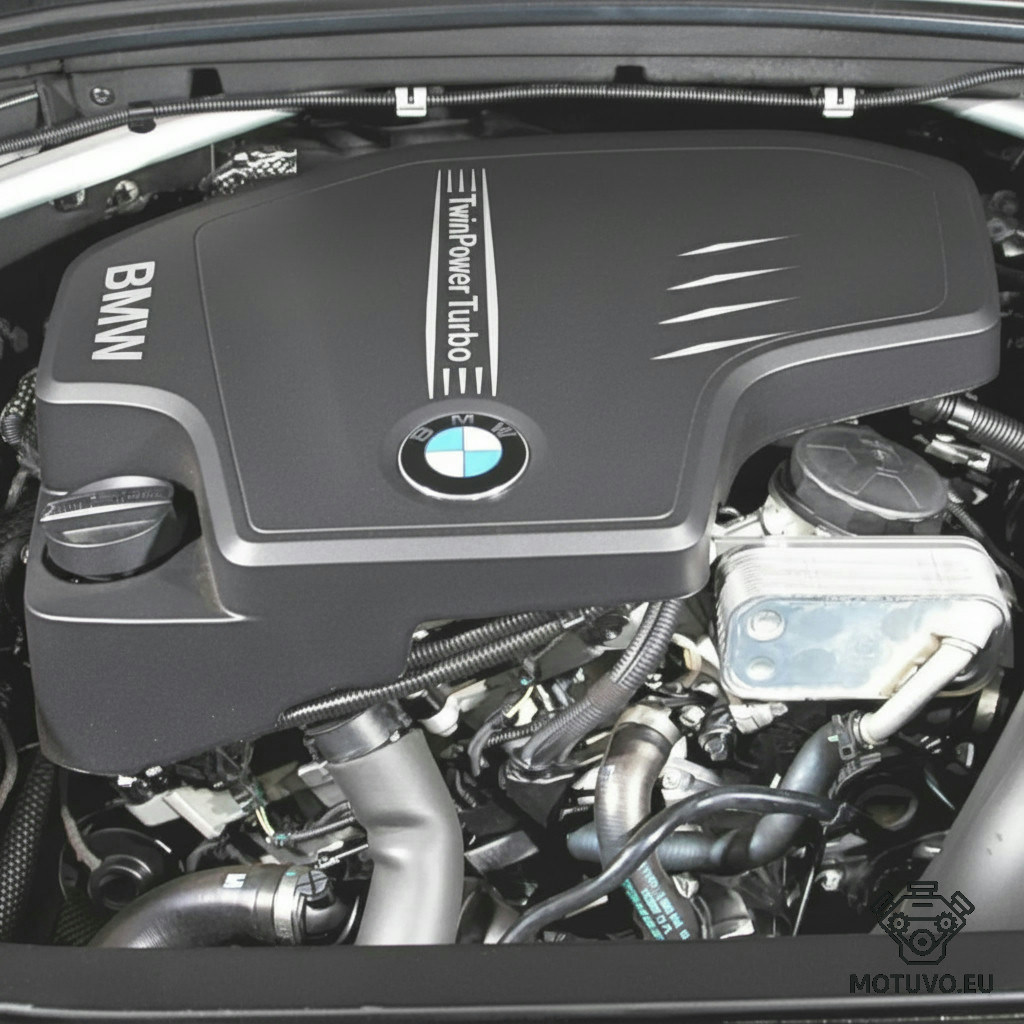
BMW N26B20A 2.0L 180 kW Engine: Buying and Replacement Guide
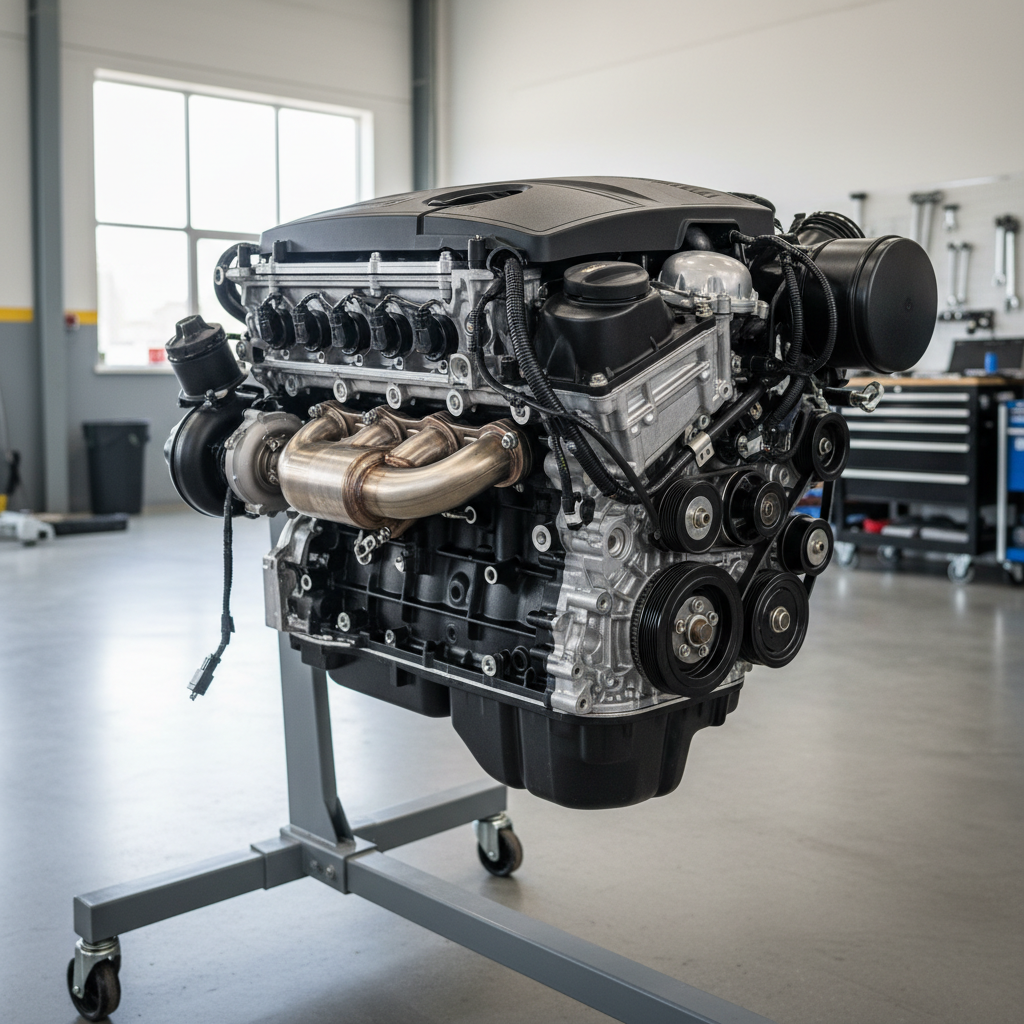
Introduction to the BMW N26B20A engine
The N26B20A is a 2.0-litre turbocharged petrol engine listed in the Motuvo.eu catalogue with an output of 180 kW. It belongs to BMW’s N20-related four-cylinder engine family and was developed for applications requiring SULEV, or Super Ultra Low Emission Vehicle, certification. Understanding that emissions specification is essential when sourcing a replacement.
The engine combines direct petrol injection, a twin-scroll turbocharger, Valvetronic variable valve lift and double-VANOS variable camshaft timing. These technologies provide useful low-speed torque while controlling fuel consumption and emissions. However, a replacement must match more than displacement and advertised power: the original vehicle’s emissions equipment, electronics and installation details also matter.
How popular and widely used is the N26B20A?
The N26 was used across selected BMW compact executive models, particularly vehicles supplied to North American markets with SULEV requirements. Its relationship with the more widely encountered N20 means that many workshops are familiar with the underlying architecture, servicing requirements and mechanical concerns.
Nevertheless, the N26 is not a universal fit for every BMW 2.0-litre petrol model. European buyers may encounter it in imported vehicles, and visually similar engines can have different emissions specifications. A model badge such as 328i or 428i does not establish whether a particular vehicle originally used an N20 or N26.
Its presence across the catalogue’s BMW 2 Series, 3 Series and 4 Series applications makes it relevant to replacement-engine buyers, but compatibility should always be established from the vehicle identification number and original engine identification.
Other part numbers and engine variants
N26B20A is an engine designation, not a complete list of BMW assembly or service part numbers. A short engine, assembled long block and fully equipped engine can carry different ordering references. No alternative BMW assembly numbers are supplied in this catalogue information, so these should be checked through VIN-specific parts data.
N26B20A versus N20B20A
The catalogue also contains the N20B20A, 2.0L petrol, 180 kW. This is the most closely related entry, but shared architecture and power output do not establish direct interchangeability. The N26’s SULEV configuration involves emissions-related component and system differences. Cylinder-head equipment, fuel-system components, sensors and associated vehicle hardware require careful comparison before any substitution is considered.
Other engines in the catalogue
The listed B48B20 engines at 180 kW and 185 kW belong to a different BMW engine family and should not be treated as direct N26 replacements. The other catalogue entries—BGB, BPY, BUL, BWA, G4KD, MR20DE and G4ND—are separate engine designs, not alternative N26B20A part numbers. Matching the 2.0-litre capacity alone is never a sound purchasing method.
Model applications listed in the catalogue
Motuvo.eu supplies the following application descriptions for this engine:
- BMW 3 Series: 2012–2016 F30 328i / 328iX.
- BMW 2 Series: 2012–2016 F22 228i / 228iX.
- BMW 4 Series: 2014–2016 F32/F35/F36 428i SULEV.
These descriptions should be treated as catalogue search references rather than a definitive fitment table. The stated F22 year range needs confirmation against the actual vehicle’s production date. Likewise, the F35 reference in the 4 Series description needs clarification: F35 is associated with the long-wheelbase 3 Series, not a 4 Series body designation.
Before ordering, provide the VIN, production date, original engine code and drivetrain configuration. Rear-wheel-drive and all-wheel-drive installations can involve different installation hardware. Confirm sump, mounting and ancillary requirements rather than assuming that the catalogue’s “iX” wording settles every fitment detail.
Strong points of the N26B20A
Responsive turbocharged performance
The twin-scroll turbocharger helps deliver strong response across normal road-driving speeds. At the catalogue’s 180 kW rating, the engine offers substantial performance from a relatively compact four-cylinder package. “Twin-scroll” describes the turbocharger’s separated exhaust passages; it does not mean the engine has two turbochargers.
Advanced combustion and valve control
Direct injection, variable camshaft timing and variable valve lift allow precise control of engine operation. In good condition, these systems support smooth power delivery and effective part-load efficiency. Their benefits depend on correct maintenance and fully functioning fuel, ignition and control systems.
Familiar service architecture
The engine’s relationship with the N20 family gives experienced BMW specialists a useful diagnostic foundation. Mechanical repair knowledge and established inspection procedures are available, although N26-specific emissions components must still be identified individually. Good service documentation is more valuable than assumptions based on family reputation.
Weak points and common failures
Timing-chain and oil-pump-drive wear
Timing-chain guide deterioration and chain-system wear are important concerns within the N20/N26 family, particularly on earlier production engines. The oil-pump drive chain also deserves attention. Abnormal whining, rattling or timing-related faults warrant investigation; severe failure can lead to loss of timing or lubrication and extensive engine damage.
When buying a used or rebuilt unit, ask for evidence of timing-system inspection or replacement. Do not assume that a later registration date guarantees revised components, or that the word “rebuilt” confirms which parts were renewed.
Oil leaks and crankcase ventilation faults
Valve-cover and oil-filter-housing sealing problems can cause oil leakage. Faults in the crankcase ventilation system can contribute to whistling, rough running, abnormal crankcase pressure or increased oil consumption. Diagnose the source properly, since external leakage, ventilation problems and internal wear require different repairs.
Cooling, ignition and fuel-system problems
The electric coolant pump, thermostat and surrounding cooling components require inspection, especially where overheating has occurred. Ignition coils and spark plugs can cause misfires, while injector or high-pressure fuel-system faults require targeted testing. Direct-injection intake deposits may also contribute to poor running, but cleaning should follow diagnosis rather than guesswork.
Turbocharger wear, boost leaks and wastegate-related problems can reduce performance. An underboost fault alone is not proof that the turbocharger needs replacement: charge-air plumbing, controls and sensor readings should be checked first.
What to consider when replacing the N26B20A
Confirm specification and supplied equipment
Establish whether the offer is for a bare assembly, long block or engine with ancillaries. Ask explicitly about the turbocharger, injectors, high-pressure pump, wiring, sensors and intake equipment. Availability as used, rebuilt or new should be confirmed for the specific listing rather than assumed.
- Verify the engine identity and VIN-based compatibility.
- Compare emissions specification and required SULEV hardware.
- Check the sump, mounts and drivetrain-specific installation parts.
- Request available mileage, service history and test results.
- Confirm warranty terms, installation requirements and return conditions.
Resolve the original failure before installation
A replacement engine can fail again if the underlying cause remains. Investigate overheating, oil starvation, fuel contamination or turbocharger damage before installation. Inspect associated oil and cooling circuits, and clean or replace contaminated components as appropriate. Follow BMW repair procedures for lubrication priming, cooling-system bleeding and initial commissioning.
Depending on which components are transferred or replaced, diagnostic adaptations, injector calibration entry or coding may be required. Retain the correct emissions equipment and verify local approval requirements, particularly for imported vehicles.
Buy the N26B20A engine at Motuvo.eu
Looking for a BMW N26B20A 2.0L 180 kW petrol engine? Visit the N26B20A engine product page at Motuvo.eu to check the offer and enquire about purchasing. Send your VIN and original engine details to confirm compatibility, supplied equipment, condition and warranty before placing your order.