BMW N20B20A 180 kW Engine: Applications and Buying Guide
Introduction to the BMW N20B20A engine
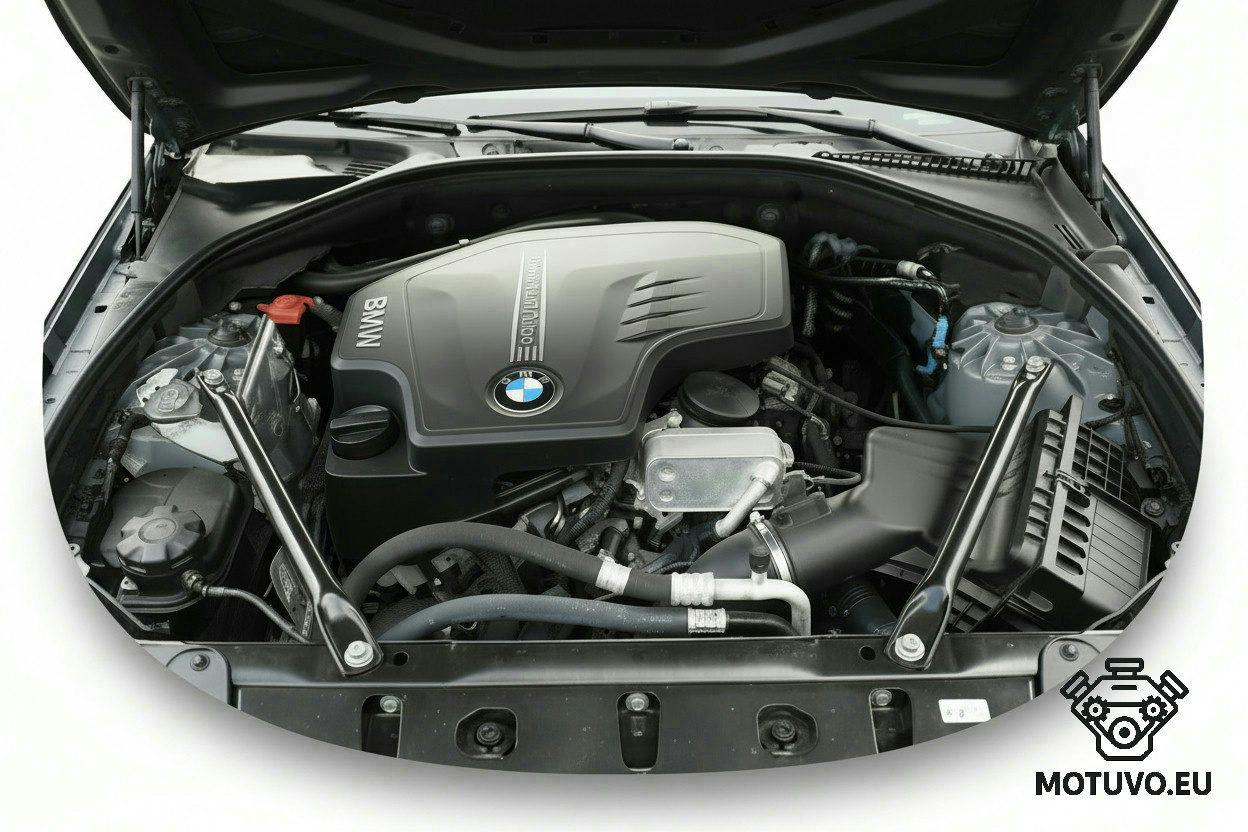
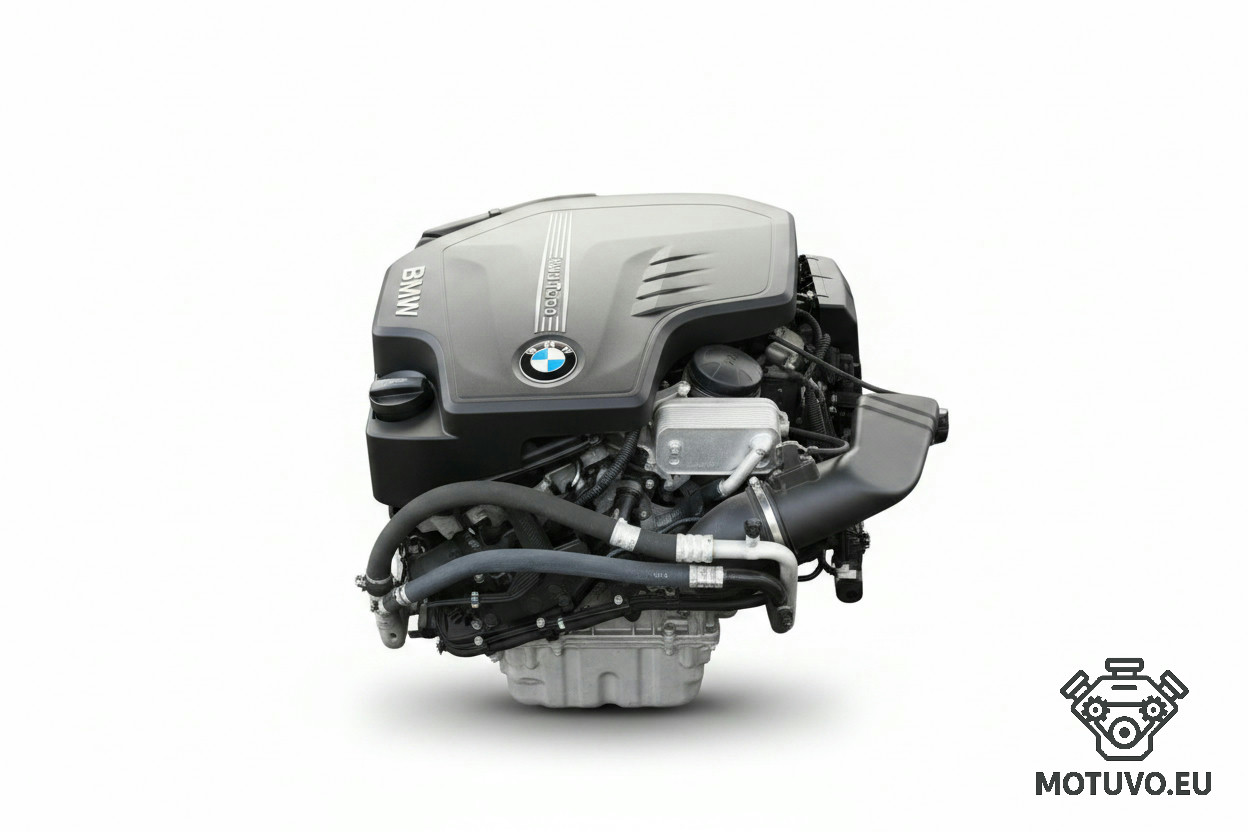
The N20B20A is a BMW N20-family 2.0-litre turbocharged petrol engine. This Motuvo.eu listing identifies it as N20B20, 180 kW, equivalent to approximately 245 metric horsepower. It belongs to BMW’s generation of downsized four-cylinder engines designed to combine useful low-speed torque with the performance previously associated with larger naturally aspirated engines.
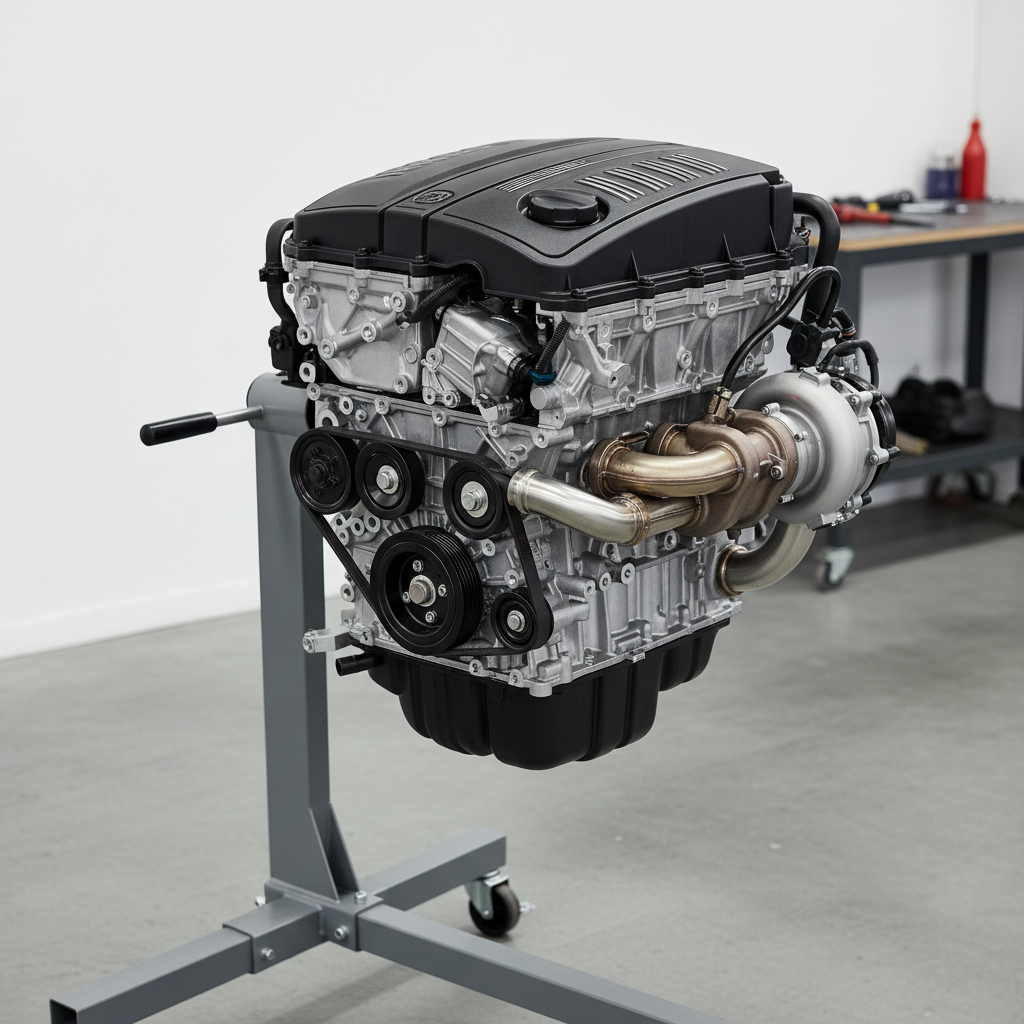
The N20 uses an aluminium engine structure, direct petrol injection, a twin-scroll turbocharger, Double-VANOS variable camshaft timing and Valvetronic variable valve lift. These systems support flexible performance, but also make maintenance history and replacement-engine compatibility important. The engine code is a starting point for identification, not a guarantee that every N20 unit will fit every listed vehicle without changes.
How popular and widely used is the N20B20?
The N20 was widely used across BMW’s longitudinal-engine vehicle range during the 2010s. The supplied catalogue includes saloons, a touring-oriented hatchback, coupes, a roadster and several SUVs. That spread shows how BMW adapted the same basic engine family to different vehicle weights, driveline arrangements and performance requirements.
Its broad use gives buyers an established independent repair knowledge base and access to specialist diagnostic experience. Nevertheless, popularity should not be confused with universal interchangeability. Rear-wheel-drive, all-wheel-drive and hybrid installations can differ in their sump arrangements, ancillary equipment, wiring and interfaces with the transmission. Production dates and destination-market specifications also matter when identifying a replacement.
Other engine numbers and related variants
N20B20 identifies the engine family and displacement designation used in this listing, while N20B20A is the catalogue’s specific engine identifier. Neither should replace a VIN-based check of BMW assembly references and the identification on the original engine. N20-family engines were supplied in different output versions, and matching displacement alone does not establish suitability.
N26B20A and B48B20
The related catalogue includes the N26B20A, 2.0L petrol, 180 kW. The N26 is closely related to the N20 but was developed for particular emissions requirements. Emissions equipment, controls and associated components can differ, so it should not be treated as an automatic substitute.
The catalogue also lists B48B20 engines at 180 kW and 185 kW. The B48 belongs to BMW’s later modular engine family, rather than being another designation for the N20. Similar capacity and output do not make a B48 a direct replacement.
Other related catalogue entries—BGB, BPY, BUL, BWA, G4KD, MR20DE and G4ND—are separate engine families. Their presence alongside this product indicates other catalogue options, not technical interchangeability with N20B20A.
Model applications listed in the catalogue
The supplied catalogue description associates this engine listing with the following vehicles. These are application references to verify against the individual vehicle, not a promise that one supplied assembly fits every version unchanged.
- 2011–2016 BMW E89 Z4 sDrive28i
- 2011–2015 BMW E84 X1 xDrive28i and sDrive28i
- 2012–2017 BMW F25 X3 xDrive28i
- 2011–2016 BMW F30 328i
- 2014–2016 BMW F32 428i
- 2012–2016 BMW F10 528i
- 2013–2016 BMW F34 328i GT
- 2014–2016 BMW F22 228i
- 2014–2017 BMW F26 X4 xDrive28i
- 2016–2018 BMW F15 X5 xDrive40e
The X5 xDrive40e requires particular care because it is a plug-in hybrid application. The listing’s 180 kW figure must not be interpreted as the hybrid vehicle’s combined system output. Confirm the petrol-engine specification, hybrid interfaces and included equipment before ordering.
Strong points of the N20B20A
Broad torque delivery is one of the N20’s main strengths. Its twin-scroll turbocharger separates exhaust pulses before they reach the turbine, helping response across a useful operating range. This makes the engine well suited to everyday acceleration without relying on high engine speeds.
Advanced valve control is another advantage. Valvetronic adjusts intake valve lift, while Double-VANOS varies camshaft timing. Together, they help the engine manage airflow and reduce pumping losses under suitable operating conditions. Direct injection provides precise fuel delivery, although real-world consumption still depends heavily on vehicle weight, journey type and driving style.
The compact four-cylinder layout also offers packaging and weight benefits compared with a larger engine. For replacement buyers, widespread specialist familiarity is valuable: an experienced workshop should understand the N20’s diagnostic procedures and know which wear areas deserve attention before installation.
Weak points and common failures
Timing-chain and oil-pump-drive wear
Timing-chain guides and the oil-pump drive chain are important N20 inspection points, particularly on earlier production engines. Guide deterioration or chain-system wear can lead to abnormal noise, timing problems or lubrication failure. Severe failures may cause extensive internal damage. Ask for invoices identifying any chain-system work and the components fitted; an undocumented claim that the chain was checked is less useful.
Oil leaks and crankcase ventilation
Valve-cover and oil-filter-housing leaks are familiar service issues on this engine family. The crankcase ventilation system associated with the valve cover can also develop faults, potentially causing whistling, unstable idle or abnormal oil consumption. Oil around the engine should be traced to its source rather than dismissed as harmless age-related seepage.
Cooling, boost and fuel-system faults
The electric coolant pump and thermostat require attention when investigating overheating or temperature-control faults. Turbocharger wastegate wear, boost-control problems and intake-system leaks can cause rattling or reduced performance. Diagnosis should distinguish these causes before condemning the turbocharger.
Ignition coils, spark plugs, injectors and high-pressure fuel delivery are additional checks when investigating misfires or difficult starting. As with other direct-injection petrol engines, intake-valve deposits can develop because fuel does not wash the backs of the valves. These are potential diagnostic areas, not faults present in every N20.
What to consider when replacing an N20B20A
Establish why the original engine failed first. A replacement may suffer the same damage if an underlying cooling, lubrication or fuel-system problem remains. Where the old engine produced metal debris, assess oil-fed components and associated circuits for contamination before deciding what can safely be reused.
- Confirm identity: provide the vehicle VIN, production date, original engine identification, transmission type and drive configuration.
- Define supply scope: establish whether the offer is a bare assembly, long block or more complete engine, and whether the turbocharger, injectors, pumps, manifolds and wiring are included.
- Request condition evidence: ask about recorded mileage where available, testing, compression or leak-down results, and documented repair work.
- Check installation differences: compare the sump, mounts, sensors, emissions equipment and ancillary brackets with the original assembly.
- Clarify purchase terms: confirm warranty conditions, installation requirements, delivery arrangements and any exchange-core obligation before payment.
For a rebuilt engine, request a written account of the machining, measurements and replacement parts rather than relying on the description alone. During installation, follow BMW procedures for lubrication-system preparation, cooling-system bleeding and any required coding or adaptations. Use the oil specification approved for the particular vehicle and retain installation records.
Buy the N20B20A engine at Motuvo.eu
Looking for a BMW N20B20A 2.0L petrol engine rated at 180 kW? Visit the N20B20A engine product page at Motuvo.eu to enquire about purchasing this engine. Provide your VIN and original engine details to confirm compatibility, current availability, supply scope and purchase terms before placing your order.