BMW N20B20A 160 kW Engine: Applications and Buying Guide
Introduction to the BMW N20B20A 160 kW Engine
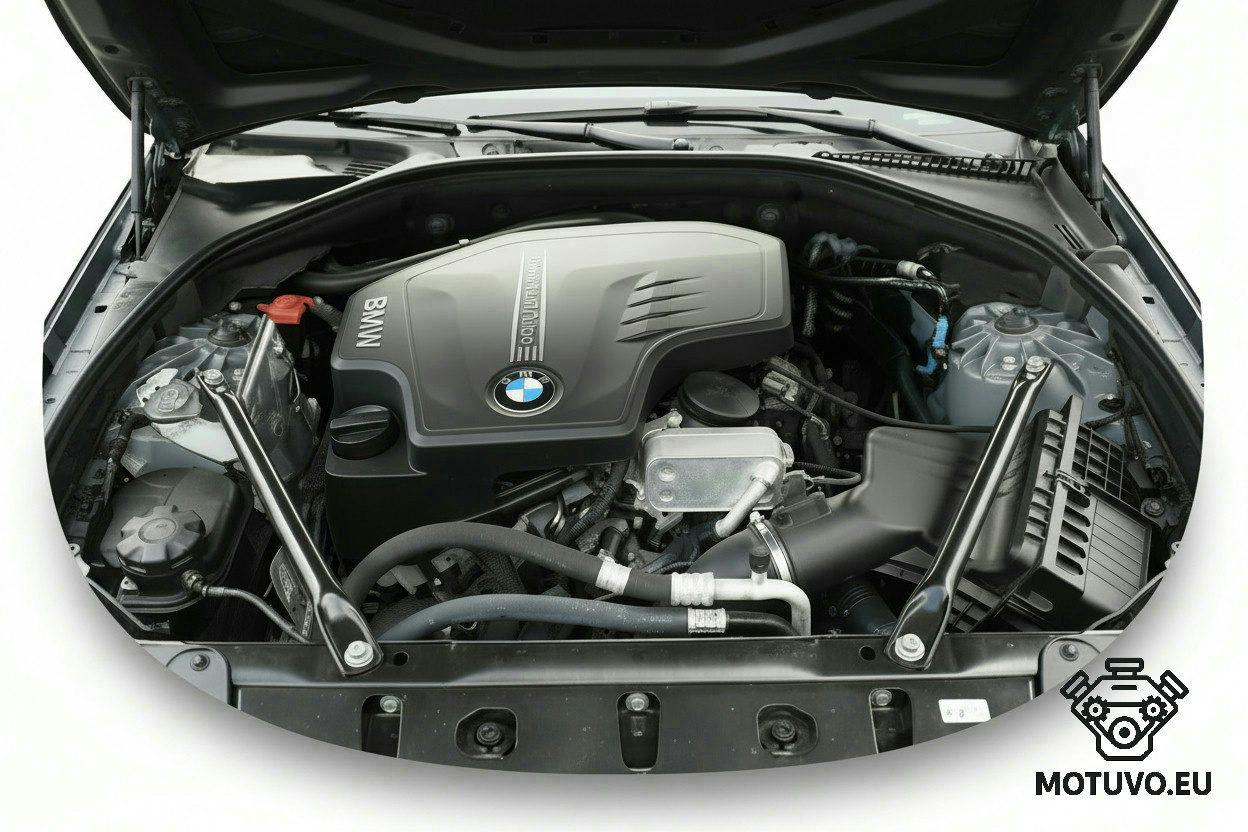
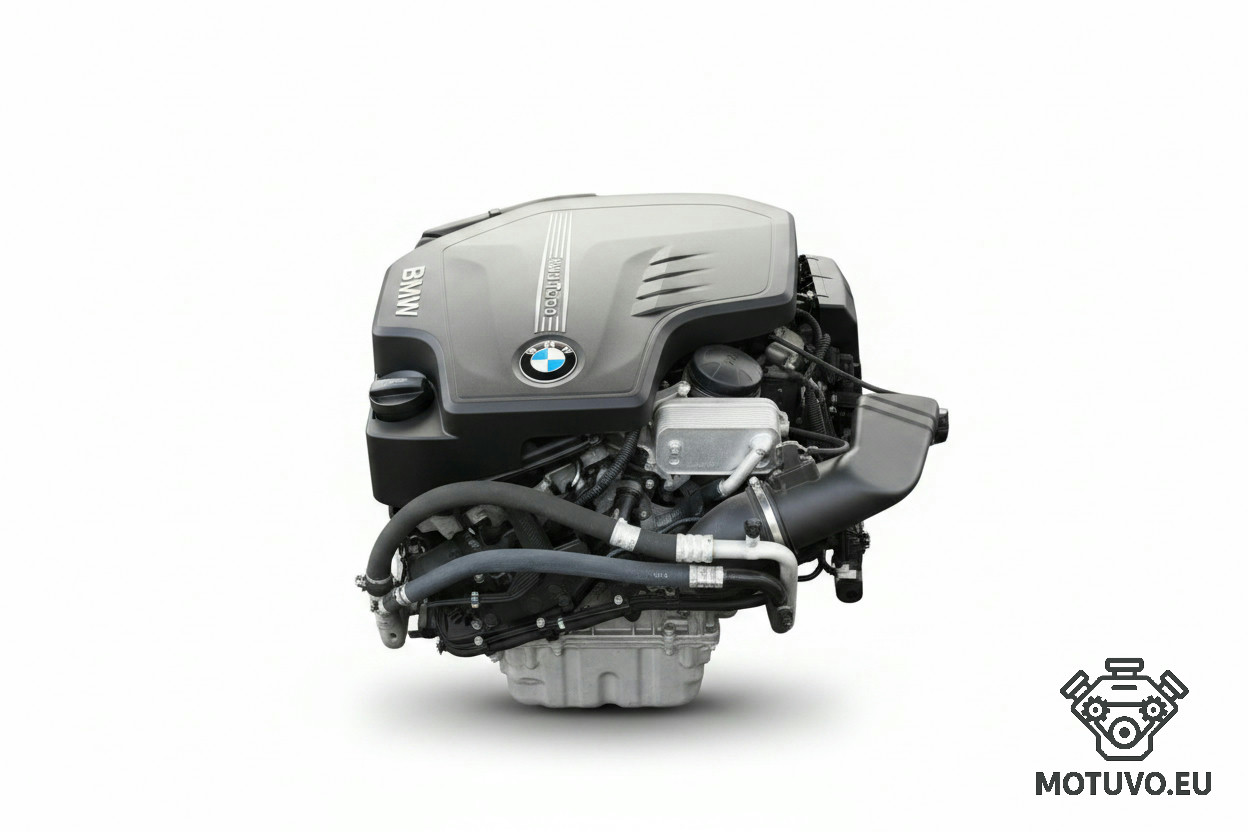
The N20B20A listed here is a BMW 2.0-litre petrol engine rated at 160 kW, approximately 218 metric horsepower. It belongs to BMW’s N20 family of turbocharged four-cylinder engines, developed to combine strong mid-range performance with lower fuel consumption than larger naturally aspirated engines in comparable use.
The N20 uses direct petrol injection, a twin-scroll turbocharger, variable camshaft timing and BMW’s Valvetronic variable valve-lift system. Its aluminium construction helps control weight, while turbocharging delivers useful torque without requiring high engine speeds. For replacement buyers, however, the engine code and displacement are only starting points: output specification, installation hardware and electronic compatibility also matter.
How Popular and Widely Used Is the N20?
The N20 was an important engine family in BMW’s move towards turbocharged petrol power during the 2010s. Its widespread use means that specialist workshops generally know its servicing requirements, diagnostic routines and characteristic failure patterns. Replacement parts and repair knowledge are well established, although availability varies by component and market.
That broad family presence should not be confused with universal interchangeability. The catalogue information supplied for this 160 kW N20B20A identifies two installations: the F20 125i and F10 525Li. Other N20 engines may differ in power rating, emissions equipment, ancillaries or installation-specific parts. Always verify the exact replacement against the vehicle identification number rather than relying on the family name alone.
Other Part Numbers and Engine Variants
N20B20A is an engine designation, not a guarantee of one identical complete assembly. The Motuvo.eu catalogue also contains an N20B20A rated at 180 kW. The shared designation does not establish that the 160 kW and 180 kW units can be exchanged without changes. Check the original engine specification, relevant BMW assembly references and included equipment before ordering.
Related BMW Catalogue Engines
- N20B20A, 2.0L, 180 kW: another catalogue entry with the same engine designation but a different stated output. Confirm hardware and calibration compatibility individually.
- N26B20A, 2.0L, 180 kW: a closely related BMW engine family with emissions-specific differences. It should not be assumed to be a direct substitute.
- B48B20, 2.0L, 180 kW: part of BMW’s later modular engine family, not simply an alternative code for the N20. Replacement involves substantially more than matching displacement.
The catalogue also lists BGB, BPY, BUL, BWA, G4KD, MR20DE and G4ND engines. These are separate engine families, not alternative part numbers for this BMW unit. Their similar displacement or power figures do not make them suitable replacements. No superseding BMW assembly number is provided in the supplied catalogue data.
Listed Model Applications
The catalogue identifies the following applications for this engine:
- BMW 1 Series: 2012–2017 F20 125i.
- BMW 5 Series: 2013–2016 F10 525Li.
These are the supplied catalogue descriptions, not a guarantee that every vehicle within those year ranges uses this exact specification. Production date, destination market and previous engine replacements can affect identification. For the 525Li especially, confirm the precise long-wheelbase chassis designation through the VIN rather than relying solely on the catalogue’s F10 shorthand.
Before purchase, compare the vehicle’s VIN-derived engine information with the offered unit’s identification and documentation. A registration year alone is insufficient because production changes do not necessarily align with calendar years.
Strong Points of the N20B20A
Responsive Turbocharged Performance
The twin-scroll turbocharger separates exhaust pulses before they reach the turbine, supporting responsive boost delivery. Combined with the 2.0-litre displacement, this provides flexible everyday performance for acceleration and overtaking. Actual response depends on the condition of the turbocharger, boost-control system and intake plumbing.
Efficient Air and Fuel Management
Direct injection delivers fuel into the combustion chambers, while variable camshaft timing and Valvetronic help manage airflow across different operating conditions. These technologies support a useful balance of power and efficiency, though fuel consumption still depends heavily on driving style, vehicle condition and journey type.
Established Specialist Knowledge
The N20 is familiar to many independent BMW specialists. That is valuable when assessing diagnostic faults, inspecting timing components or planning a replacement. A properly maintained engine with documented repairs is generally a more informed purchase than one selected purely for a low advertised mileage.
Weak Points and Common Failures
Timing Chain and Oil-Pump Drive
Timing-chain guide wear and timing-drive problems are major inspection priorities on the N20 family, particularly on earlier examples. The oil-pump drive chain also deserves attention. Worn guides, abnormal chain movement or disrupted oil supply can lead to serious engine damage.
Investigate unusual rattling or whining, timing-correlation faults and plastic debris in the oil filter. None of these signs alone proves a particular failure, and a quiet engine is not conclusive evidence of healthy timing components. Ask for invoices showing what was replaced and which parts were used, rather than accepting an undocumented claim of an updated chain.
Oil Leaks and Crankcase Ventilation
Valve-cover assemblies, gaskets and oil-filter-housing seals are known inspection areas. Crankcase ventilation faults can contribute to rough running, whistling or abnormal oil consumption. Inspect leaks carefully and establish their source; oil residue around an engine does not automatically mean that its internal components are worn out.
Cooling-System Problems
The N20’s electric coolant pump and thermostat require attention when diagnosing overheating or coolant-temperature faults. Check for stored codes, coolant leakage and evidence of previous overheating. Fitting a replacement engine without correcting a defective cooling system can quickly damage the new installation.
Boost, Ignition and Fuel-System Faults
Wastegate wear, boost leaks, failing ignition coils and worn spark plugs can cause noise, reduced performance or misfires. Direct-injection fuel-system faults and intake-valve deposits are further diagnostic considerations. Distinguish these external or serviceable faults from mechanical engine failure before committing to a complete replacement.
What to Consider When Replacing It
First establish why the original engine failed. If oil starvation, overheating, injector malfunction or turbocharger damage caused the problem, replacing only the engine may leave the root cause unresolved. Inspect connected systems and remove contamination wherever necessary.
- Confirm fitment: verify the VIN, production date, engine identification, 160 kW specification and relevant assembly references.
- Clarify supply scope: ask whether the offer covers a bare engine, long block or assembly with ancillaries. Do not assume the turbocharger, injectors, wiring or control unit are included.
- Check installation parts: compare the sump, mounts, brackets, intake, exhaust connections and transmission interface with the original installation.
- Request condition evidence: seek available mileage records, running-test information, compression or leak-down results, and timing-system repair history.
- Review purchase terms: confirm warranty conditions, installation requirements and any exchange or return obligations before ordering.
While access is good, assess seals, timing components and cooling-system parts for preventative replacement. Use the specified fluids and filters, follow BMW repair procedures for lubrication-system preparation and cooling-system bleeding, and complete any required injector calibration or adaptations. Finish with diagnostic checks, leak inspections and a controlled road test.
Buy the N20B20A 160 kW Engine at Motuvo.eu
Looking for a replacement BMW N20B20A 2.0L 160 kW petrol engine? Visit the N20B20A 160 kW engine product page at Motuvo.eu to check the offer and arrange your purchase. Provide your VIN and original engine details so that fitment, supply scope and purchase conditions can be confirmed before dispatch.