BMW N20B20A 135 kW Engine: Applications and Buying Guide
Introduction to the BMW N20B20A 135 kW Engine
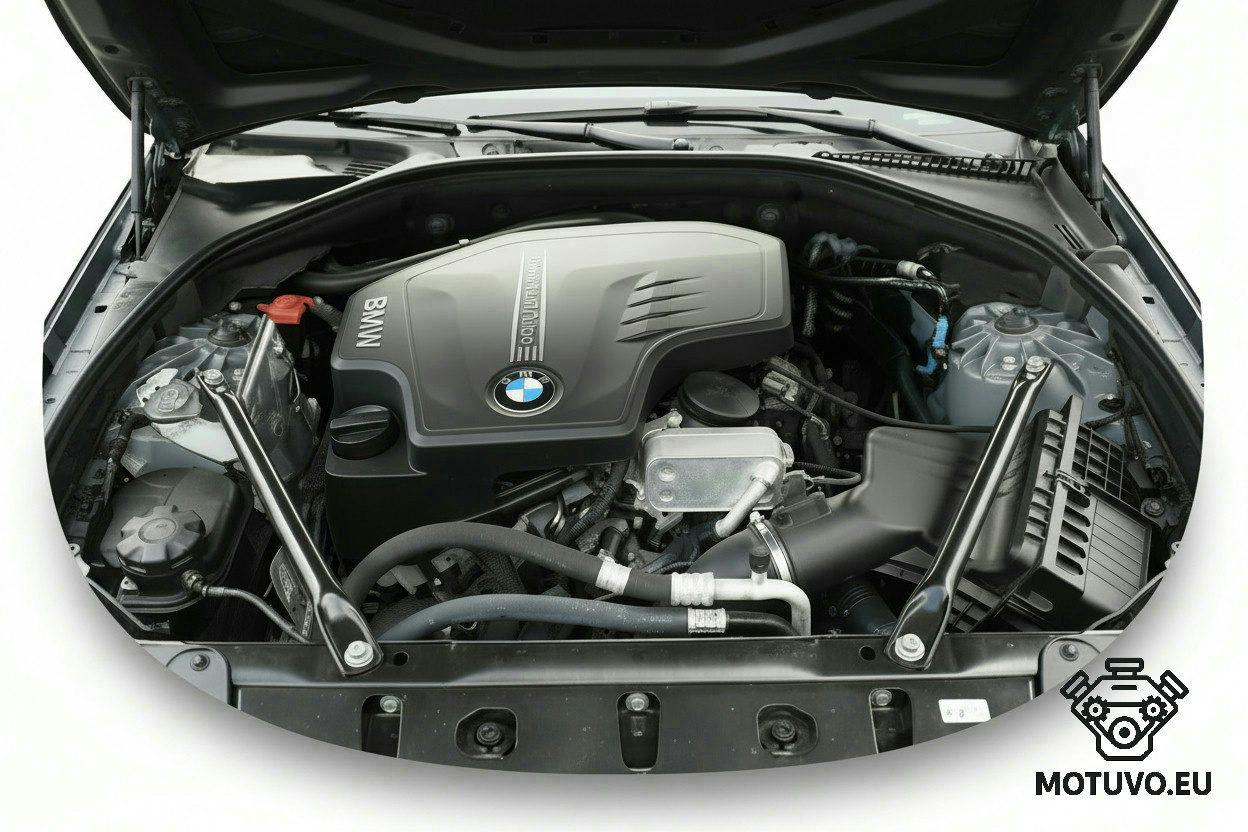
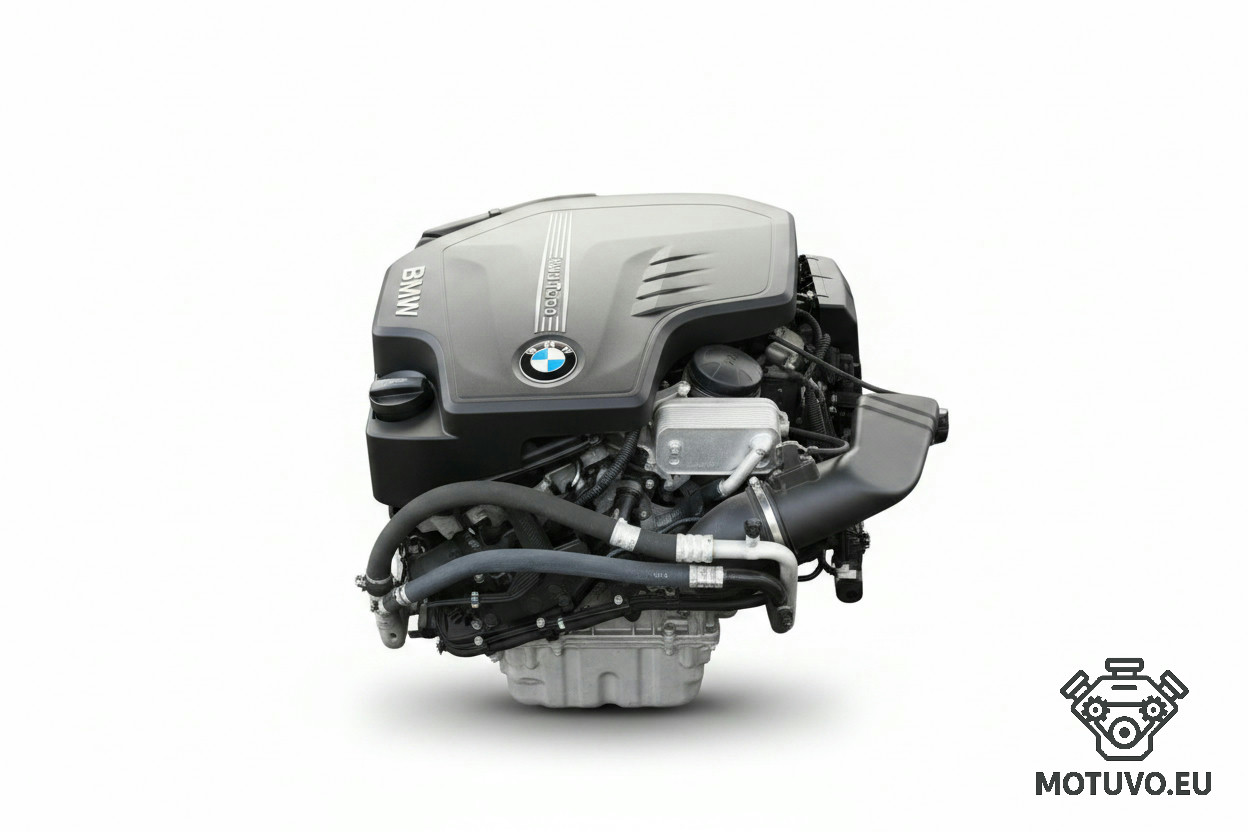
The N20B20A offered here is a BMW N20B20-family 2.0-litre petrol engine rated at 135 kW, approximately 184 metric horsepower. It belongs to BMW’s turbocharged four-cylinder generation that brought smaller-displacement engines into many models previously associated with naturally aspirated powerplants. For buyers replacing a failed engine, it offers a familiar combination of responsive performance and everyday usability.
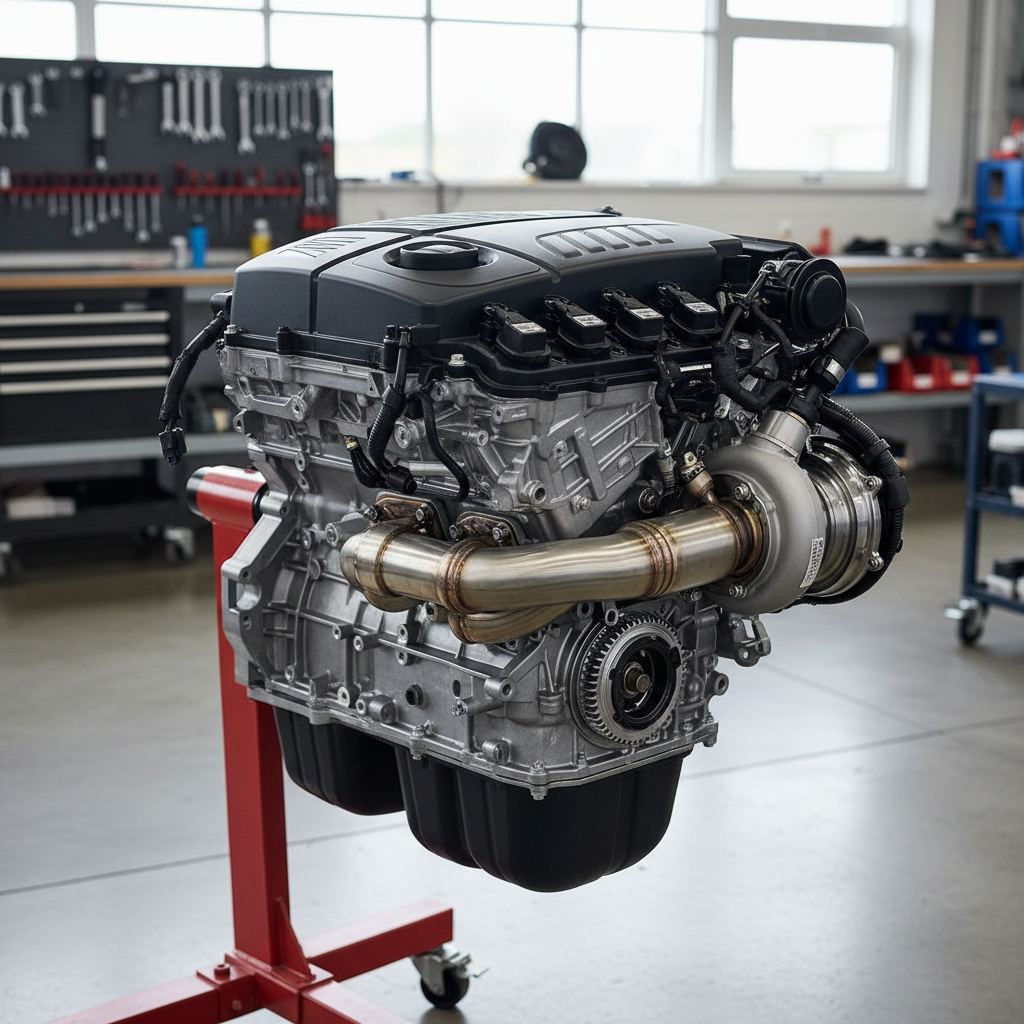
The N20 family uses an aluminium construction, direct petrol injection, a twin-scroll turbocharger, Double-VANOS variable camshaft timing and Valvetronic variable valve lift. These systems support strong torque delivery and efficient load control, but they also make correct identification and installation important. The N20B20A designation alone is not enough to confirm that a particular replacement assembly matches your vehicle.
How Popular and Widely Used Is the N20B20?
The N20 became a widely used BMW petrol engine during the first half of the 2010s. The supplied catalogue illustrates its reach: this 135 kW listing covers selected versions of the X1, X3, 2 Series, 3 Series, 4 Series, 5 Series and Z4. Its applications span SUVs, saloons, a coupe, a Gran Turismo and a roadster.
That broad use makes the engine familiar to many BMW specialists and supports an established market for replacement engines and service components. However, widespread availability should not be confused with universal interchangeability. Production changes, emissions equipment, drivetrain layout and vehicle-specific ancillaries can affect which assembly is suitable. Model names and registration years are useful starting points, not final compatibility checks.
Other Part Numbers and Variants
N20B20 identifies the engine family and displacement designation used in this listing, while N20B20A is the catalogue’s engine identifier. It should not be treated as a unique BMW service assembly number that settles every fitment question. The catalogue also contains an N20B20A rated at 180 kW, demonstrating why matching only the engine code can be misleading.
Related Catalogue Engines Are Not Automatic Substitutes
- N20B20A, 2.0L, 180 kW: a higher-output listing sharing the identifier. Check the exact specification rather than assuming the difference is purely software.
- N26B20A, 2.0L, 180 kW: a related BMW engine family developed for specific emissions requirements. Emissions hardware and control compatibility require separate verification.
- B48B20, 2.0L, 180 kW: from BMW’s later modular engine family, not a direct replacement simply because displacement and fuel type match.
The catalogue also lists BGB, BPY, BUL, BWA, G4KD, G4ND and MR20DE engines. These are separate engine families, not alternative part numbers for this BMW unit. Their presence in a related-products list does not establish mechanical, electrical or legal interchangeability.
Catalogue Model Applications
The following applications are reproduced from the supplied catalogue for the N20B20A 135 kW engine. Confirm each vehicle by VIN, original engine identification and production specification before ordering.
- BMW X1 E84: 2011–2015, xDrive20i and sDrive20i.
- BMW X3 F25: 2011–2017, xDrive20i.
- BMW 3 Series F30: 2012–2015, 320i.
- BMW 3 Series GT F34: 2013–2016, 320i GT.
- BMW 4 Series F32: 2014–2016, 420i.
- BMW 5 Series F10: 2011–2016, 520i.
- BMW 5 Series 520Li: 2013–2016, listed in the catalogue as F10 520Li. Verify the exact chassis designation by VIN.
- BMW Z4 E89: 2011–2016, sDrive20i.
- BMW 2 Series F22: 2014–2016, 220i.
These dates describe catalogue coverage, not a guarantee for every market or production month. Vehicles near an engine-generation changeover deserve particular attention. Rear-wheel-drive and all-wheel-drive installations can also require different associated components.
Strong Points of the N20B20A
The engine’s main advantage is its combination of compact size and useful turbocharged performance. The twin-scroll turbocharger separates exhaust pulses before they reach the turbine, helping responsiveness. Direct injection, variable valve timing and variable valve lift allow the engine management system to control combustion and airflow across a wide operating range.
For a correctly maintained vehicle, the 135 kW version provides practical everyday performance without requiring a large-displacement engine. Another benefit is the extensive specialist knowledge surrounding the N20 family. Experienced workshops understand its diagnostic routines and known trouble areas, making careful pre-purchase assessment and preventive work more straightforward.
These strengths depend on condition rather than reputation alone. A documented, properly inspected example is a better purchase than an engine selected only because its mileage appears low.
Weak Points and Common Failures
Timing Chain and Oil Pump Drive
Timing-chain guide wear and oil-pump-drive chain problems are important concerns within the N20 family, particularly among earlier production examples. Deteriorated guides or worn drive components can lead to timing faults, lubrication problems and severe internal damage. Ask for evidence of previous inspection or replacement and details of the components fitted. A quiet engine is reassuring, but does not prove that its chain system is healthy.
Oil Leaks and Crankcase Ventilation
Valve-cover and oil-filter-housing seals are recognised inspection points. Problems with the crankcase ventilation system can contribute to rough running, whistling, oil consumption or abnormal crankcase pressure. Oil around the engine should be traced to its source rather than dismissed as harmless age-related seepage.
Cooling, Ignition and Boost Control
The electric coolant pump and thermostat merit attention, especially if the donor vehicle has an overheating history. Ignition coils, spark plugs, injectors and fuel-pressure faults can cause misfires or poor starting. Turbocharger wear, wastegate problems and charge-air leaks can reduce performance. Intake-valve deposits are another possible issue on direct-injection engines. Diagnose these conditions properly: symptoms attributed to a failed engine may originate in reusable external equipment.
What to Consider When Replacing It
Start with the vehicle’s VIN, production date, original engine code and 135 kW output specification. Ask the supplier to confirm compatibility using those details. Check sump configuration, mounting interfaces, transmission connection, emissions equipment, wiring and sensors. Establish which original parts must transfer to the replacement.
- Confirm supply scope: determine whether the listing covers a bare engine, long block or assembly with ancillaries. Do not assume the turbocharger, injectors, pumps or wiring are included.
- Request condition evidence: ask about donor mileage, service records, compression or leak-down results where available, and any running or oil-pressure checks.
- Clarify repair history: request details of timing-drive work and, for a rebuilt engine, the machining, measurements and replaced components.
- Check sale conditions: confirm warranty terms, installation requirements, return procedures and any exchange-engine obligations before payment.
Find the cause of the original failure before installation. Oil starvation, overheating, fuel-system faults or contamination can damage a replacement as well. Inspect affected oil, cooling and intake circuits, and clean or replace contaminated components as appropriate. Follow BMW procedures for lubrication priming, cooling-system bleeding and any required coding or adaptations. Finish with leak checks, diagnostic monitoring and a controlled road test.
Buy the N20B20A 135 kW Engine at Motuvo.eu
Looking for a replacement for one of the listed BMW applications? Visit the N20B20A 135 kW engine product page at Motuvo.eu to buy this engine and confirm current availability. Provide your VIN and original engine details before ordering, and agree the condition, included components and warranty terms so your workshop receives the right replacement for the job.