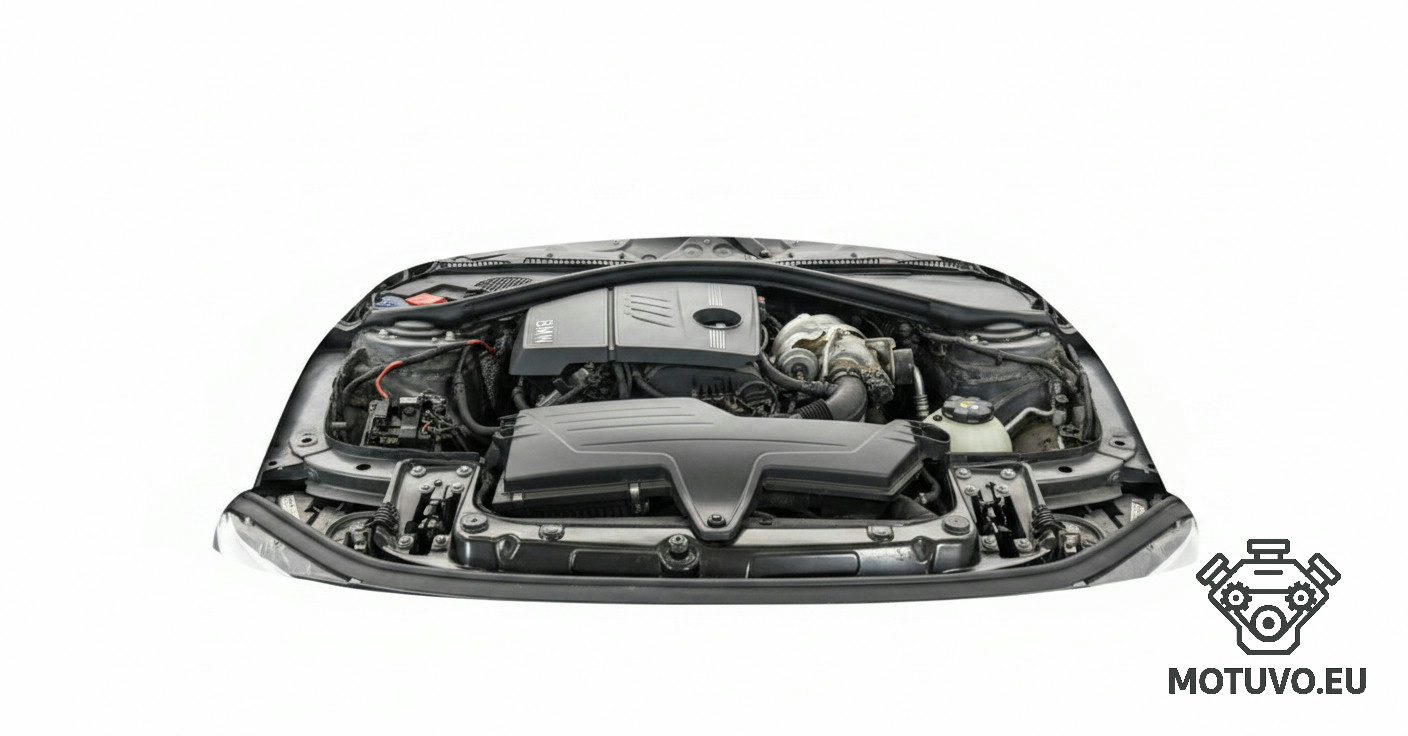
BMW N13B16A 1.6L Petrol Engine: Buying and Replacement Guide
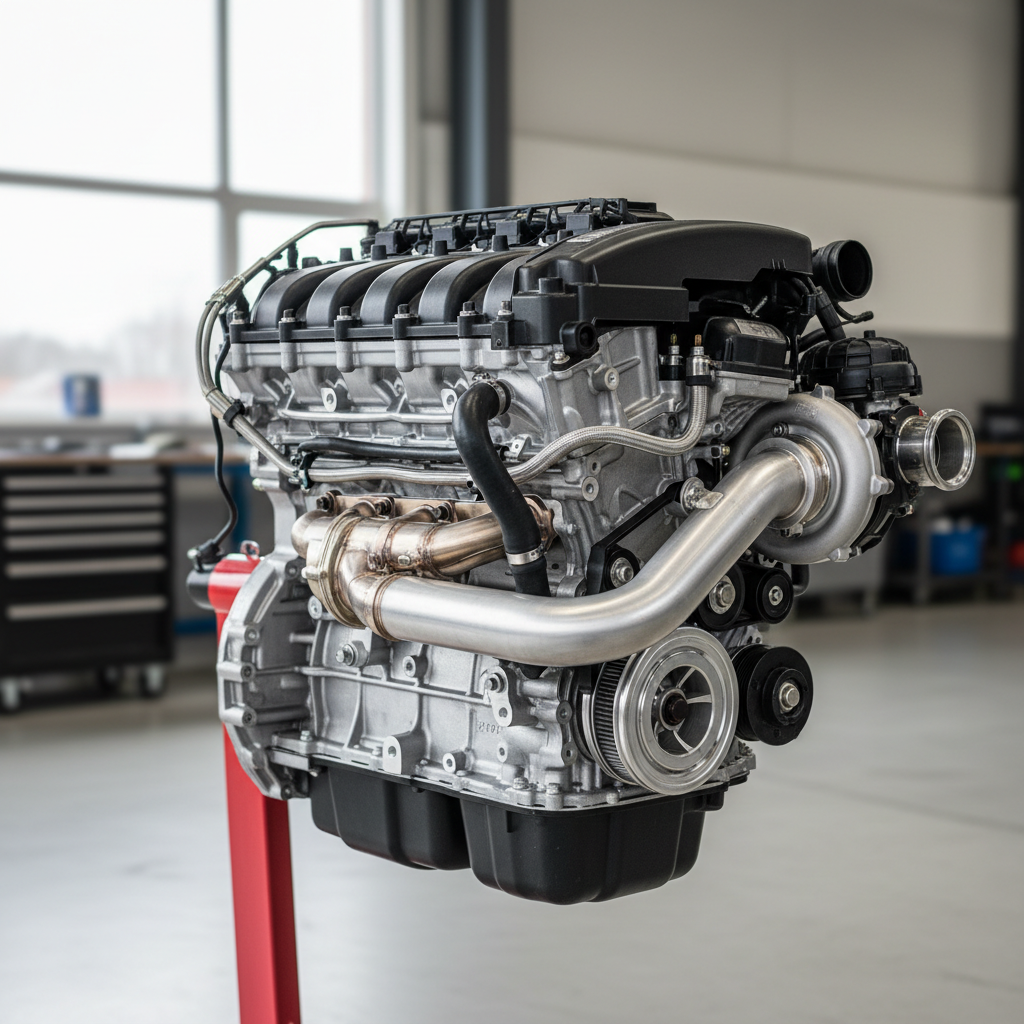
Introduction to the BMW N13B16A engine
The N13B16A is a 1.6-litre, turbocharged four-cylinder petrol engine from BMW’s N13 family. It combines direct fuel injection, variable camshaft timing and Valvetronic variable valve lift to deliver responsive performance from a relatively small displacement. Its longitudinal installation suits the BMW applications listed below.
Motuvo.eu lists this engine as N13B16A, 1.6L petrol, 115 kW. There is an important specification distinction: the accompanying catalogue description lists vehicle versions rated at 75, 100, 125 and 130 kW, not 115 kW. Consequently, the advertised output should be confirmed against the actual engine offered and the receiving vehicle’s VIN before ordering. The family application list is not proof that this particular unit fits every listed car.
How popular and widely used is the N13B16A?
The N13 family featured in several entry-level BMW 1 Series and 3 Series petrol models during the first half of the 2010s. Its use across multiple power levels makes it a relevant engine in the European used-car and replacement-engine markets. It represents BMW’s move towards smaller turbocharged petrol engines offering useful low-speed torque alongside reduced displacement.
Its presence in both model ranges also means there is established workshop experience with its servicing and fault diagnosis. However, the BMW 1 Series and 3 Series used numerous other engines, so a model badge alone cannot identify an N13 installation. Build date, VIN data, engine identification and the original power specification remain essential.
Other part numbers and engine variants
N13B16A is an engine designation, not a complete interchangeability guarantee. A replacement decision may also require the BMW assembly part number, production details and identifiers for the fitted ancillaries. Differences in calibration, emissions equipment and peripheral components can matter even where the basic engine designation appears identical.
The supplied description covers N13 applications with four output levels: 75, 100, 125 and 130 kW. These should be treated as separate vehicle specifications, not as confirmation that every version can be exchanged without modification. In particular, none independently establishes the application of the advertised 115 kW unit.
Other 1.6-litre petrol engines in the Motuvo.eu catalogue include N14B16A, 5FU, N45B16AB, K4M858, HR16, TU5JP4, Z16XEP, SHDC and G4FT. These are not alternative part numbers for N13B16A. Even engines with related technical ancestry, such as N14B16A, must not be assumed to share installation hardware, controls or direct replacement suitability.
Model applications listed in the catalogue
The catalogue identifies the BMW 1 Series and BMW 3 Series as the relevant model ranges. Its detailed description supplies the following versions and dates:
- 75 kW: 2012–2015 BMW 1 Series F20 114i.
- 100 kW: 2011–2015 BMW 1 Series F20 116i and 2012–2015 BMW 3 Series F30 316i.
- 125 kW: 2011–2015 BMW 1 Series F20 118i and 2012–2015 BMW 3 Series F30 320i ED.
- 130 kW: 2015–2016 BMW 1 Series F20 120i.
These entries describe the supplied application coverage rather than verified fitment for the individual engine on sale. Registration year can also differ from production date. Before purchasing, compare the vehicle’s original specification with the offered engine, including its induction system, wiring connections and emissions-related equipment.
Strong points of the N13 engine
Useful torque from a compact petrol engine
Turbocharging gives the N13 stronger mid-range response than would normally be expected from a naturally aspirated engine of similar displacement. In a correctly functioning vehicle, this supports everyday acceleration without requiring high engine speeds for every manoeuvre.
Flexible valve and injection control
Direct injection, variable camshaft timing and Valvetronic allow the engine management system to control combustion and airflow across different operating conditions. Valvetronic varies intake valve lift and can reduce throttling losses at part load. These technologies contribute to the engine’s balance of performance and efficiency, although actual fuel consumption depends on the vehicle, maintenance and driving conditions.
Established diagnostic knowledge
The engine’s use in familiar BMW platforms is helpful when sourcing specialist diagnosis and routine service parts. A sound example with documented maintenance can be a practical replacement option. Nevertheless, condition and supporting test evidence are more meaningful than an unsupported claim of low mileage.
Weak points and common failures
Timing-chain system wear
Timing-chain, guide and tensioner condition deserves attention on the N13. Warning signs can include abnormal start-up rattling, camshaft correlation faults or irregular running. Noise alone does not establish the cause, but persistent rattling should be investigated promptly: loss of correct valve timing can cause serious internal damage. Correct oil specification, oil level and sensible service intervals are important.
Oil leaks and crankcase ventilation faults
Inspect the cam cover area, oil-filter housing area and other sealing joints for leaks. Crankcase ventilation faults can produce abnormal crankcase pressure, whistling, rough idle or increased oil consumption. Oil consumption should not automatically be blamed on piston rings; ventilation faults, external leakage and turbocharger condition also require assessment.
Ignition, injection and intake deposits
Misfires may arise from worn spark plugs, faulty ignition coils, injector problems or mechanical defects. Direct injection also means fuel does not routinely wash the backs of the intake valves, allowing deposits to accumulate over time. Rough idle, difficult starting and reduced performance call for fault-code analysis and targeted testing rather than speculative parts replacement.
Cooling, boost and valve-control issues
Check for coolant loss, unstable operating temperature, charge-air leaks and turbocharger control problems. Poor boost response does not necessarily mean the turbocharger itself has failed. Valvetronic or variable camshaft timing faults can also affect starting and drivability. Diagnostic checks should include oil supply, electrical connections and commanded versus actual operating values where appropriate.
What to consider when replacing an N13B16A
Confirm identity and specification first. Provide the supplier with the VIN, production date, original engine code and rated output. Specifically resolve the difference between the 115 kW product listing and the outputs in its application description. Ask which identification marks or documentation support the offered unit’s specification.
- Define the supply scope: establish whether the purchase includes a bare assembly, turbocharger, injectors, pumps, manifolds, sensors or wiring.
- Request condition evidence: ask about documented mileage, running tests, compression or leak-down results, and any inspection or rebuild work.
- Compare installation components: check the sump, mounting brackets, coolant connections, flywheel or drive plate, and ancillary arrangement.
- Plan electronic integration: identify any required component transfer, injector calibration, adaptations or coding with a BMW-capable workshop.
- Confirm purchase terms: obtain the warranty conditions, installation requirements and any exchange-core obligations before payment.
The original failure must also be understood before installation. Overheating, oil starvation or debris left in associated systems can damage a replacement engine. Inspect affected cooling, lubrication and intake components, renew necessary seals and fluids, and follow the appropriate lubrication-priming and commissioning procedures. Finish with leak checks, diagnostic verification and a controlled road test.
Buy your N13B16A engine at Motuvo.eu
Looking for a replacement BMW 1.6-litre petrol engine? Buy the N13B16A 115 kW engine at Motuvo.eu after confirming its specification and compatibility with your vehicle. Provide your VIN and original engine details, and request confirmation of availability, included components and condition before ordering.