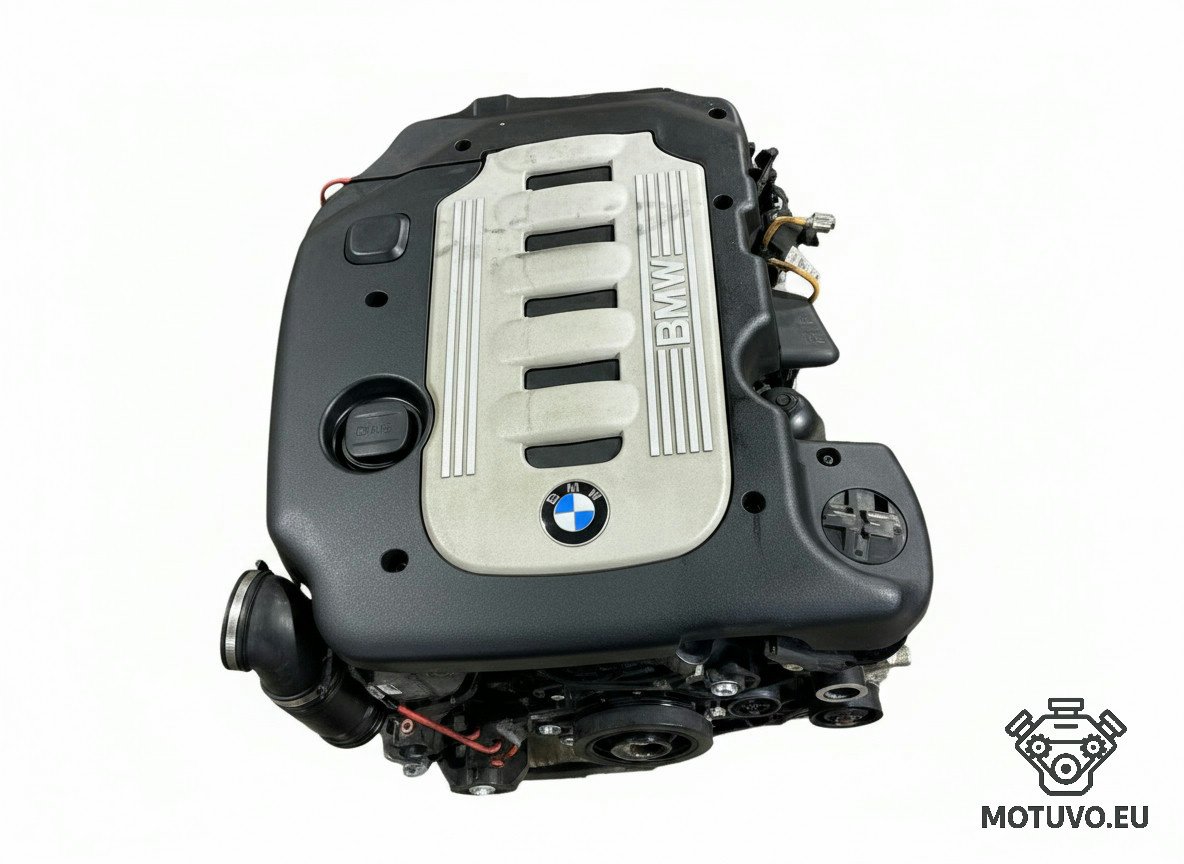
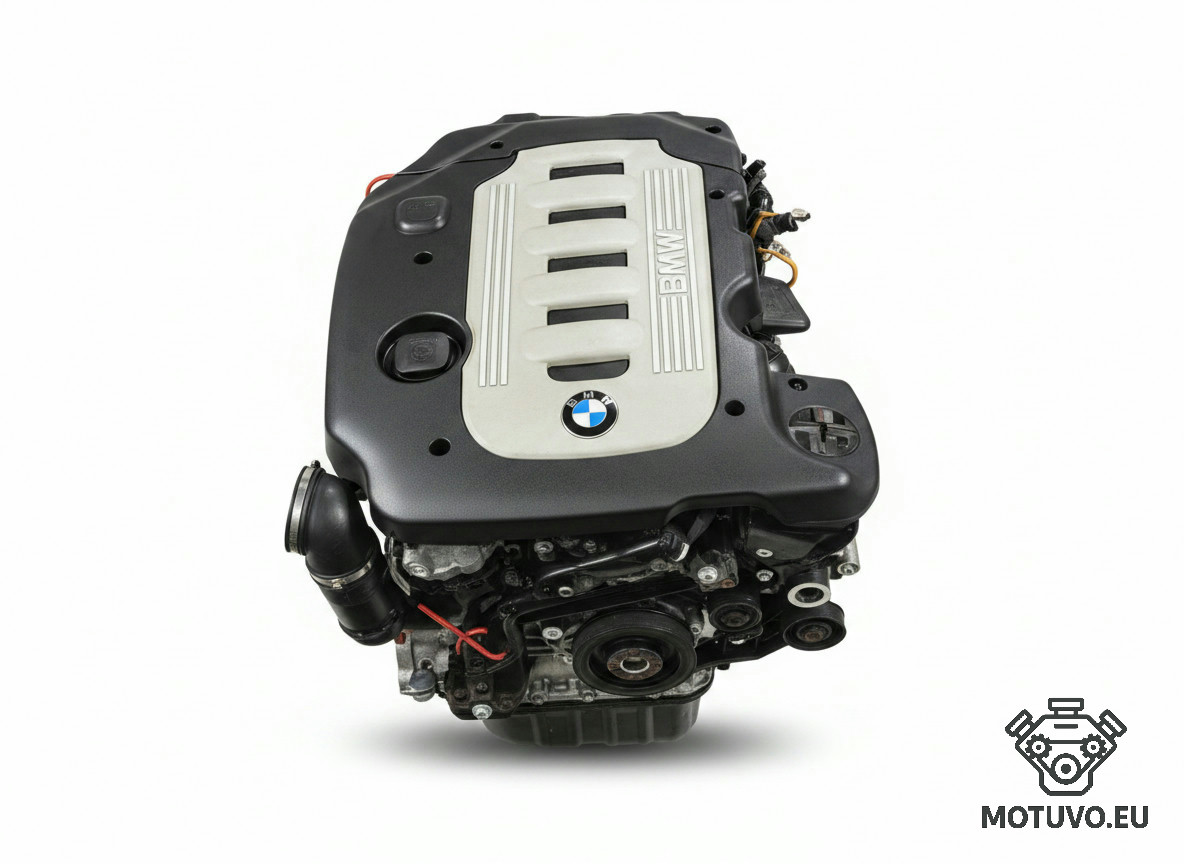
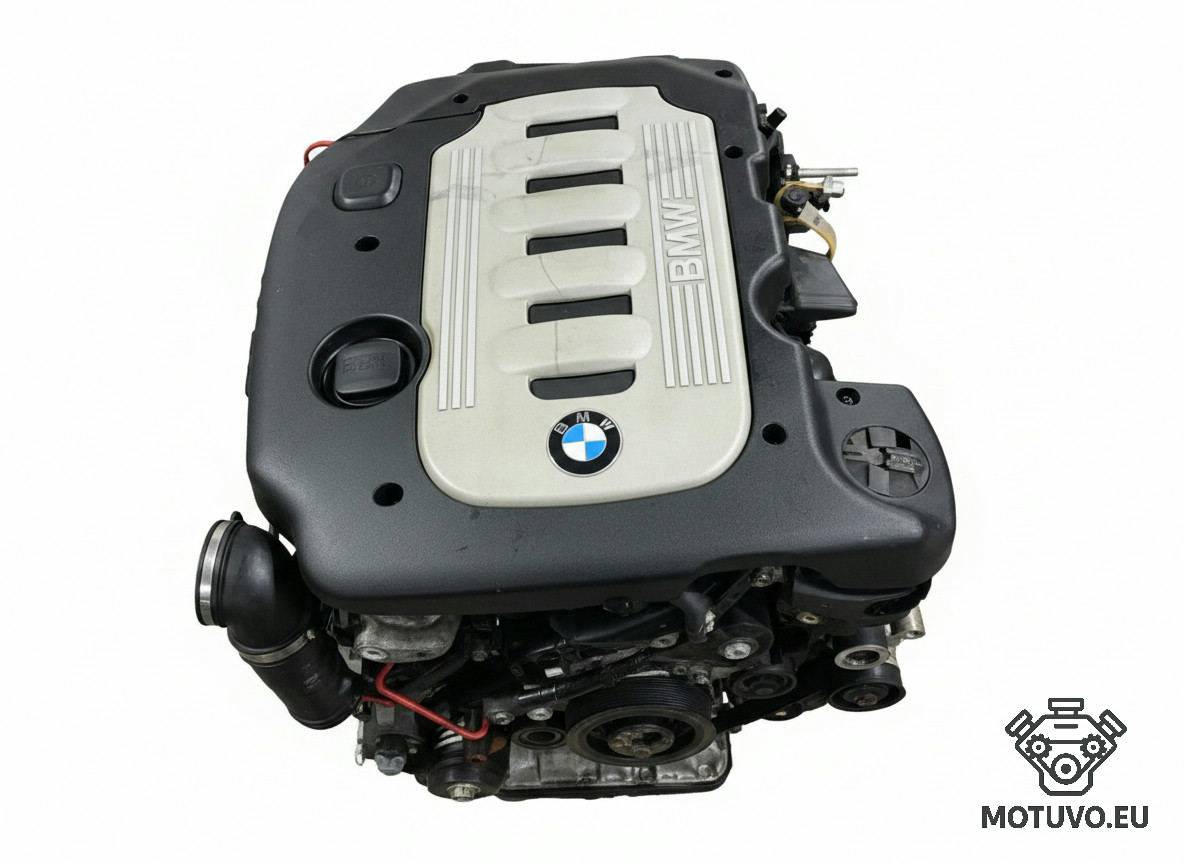
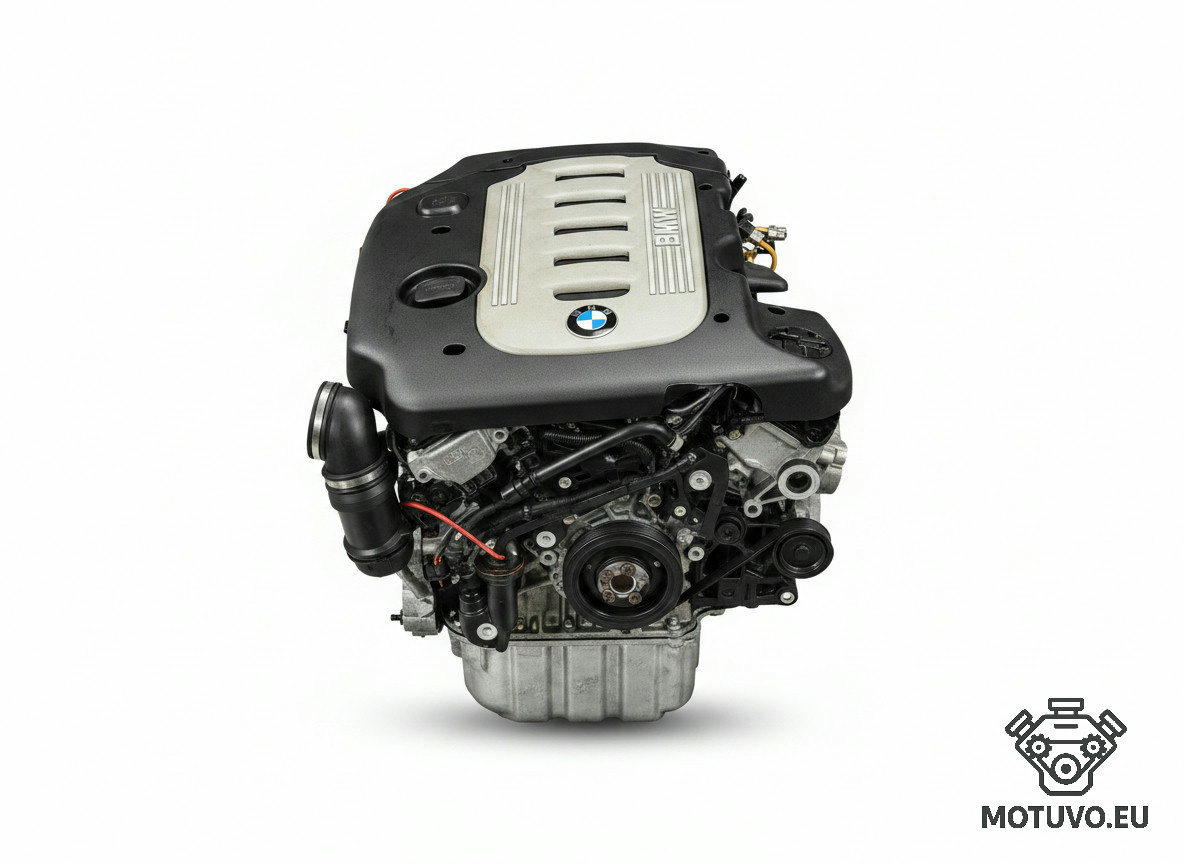
BMW M57D30TÜ2 210 kW Engine: Applications and Buying Guide
Introduction to the BMW M57D30TÜ2 210 kW Engine
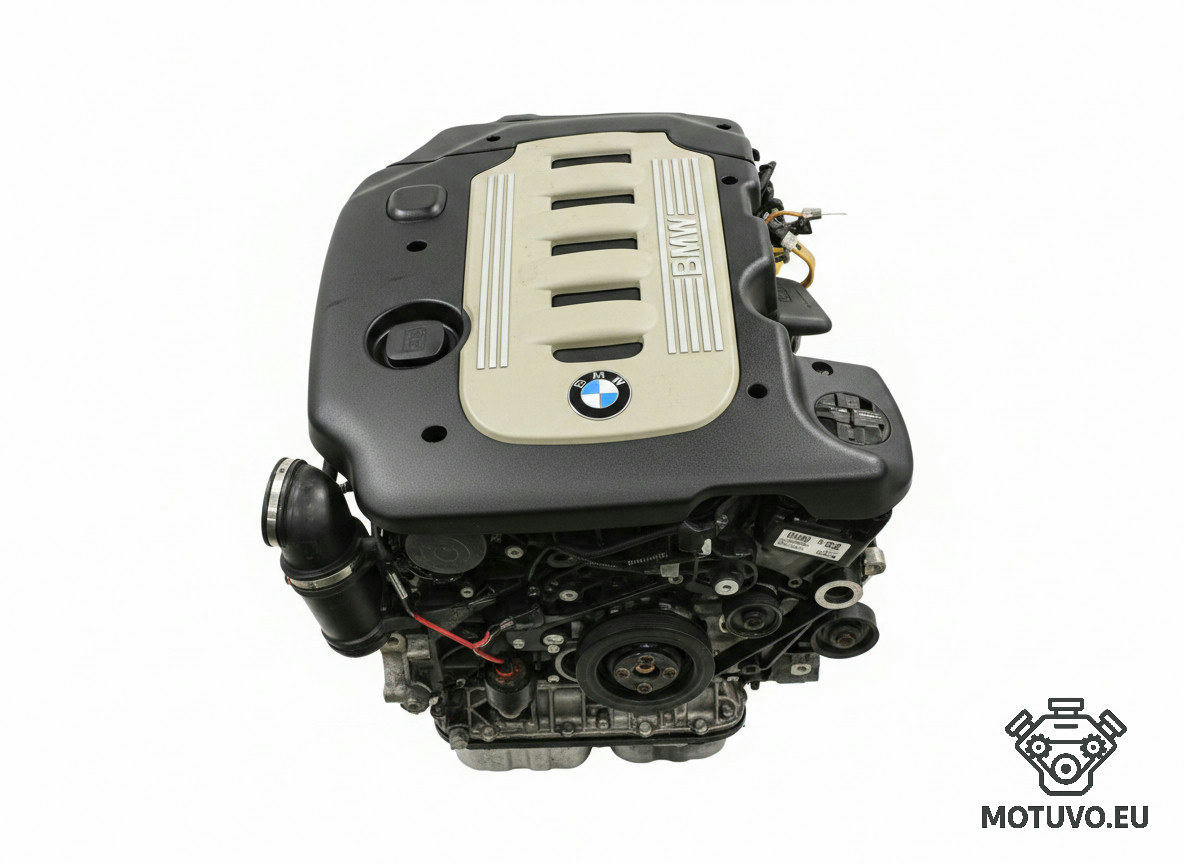
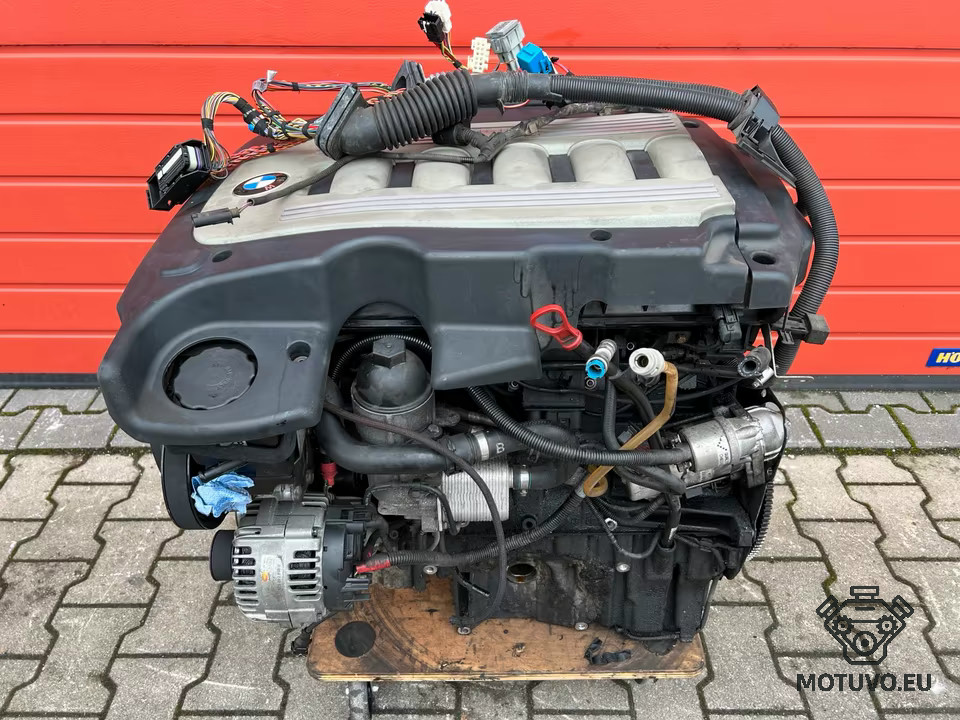
The M57D30TÜ2 offered in this catalogue is a 3.0-litre diesel engine rated at 210 kW, listed under the engine name M57D30 (306D4). It belongs to BMW’s M57 straight-six diesel family, known for combining smooth operation with substantial pulling power. The 210 kW version uses two-stage turbocharging, helping it deliver useful response at lower engine speeds while maintaining airflow under heavier load.
For a replacement purchase, the family name is only the starting point. Engine identification, power specification, emissions equipment and installation details must all match the receiving vehicle. The catalogue designation should therefore be checked against the original engine markings and the vehicle identification number before ordering.
How Popular and Widely Used Is This Engine?
The M57 family was used extensively across BMW’s diesel range, giving it a well-established place in European repair workshops and the replacement-engine market. Its straight-six layout and common-rail injection made it suitable for vehicles requiring both refinement and strong performance.
This catalogue’s 210 kW listing spans several vehicle types: executive saloons and estates, coupés, convertibles and SUVs. That breadth helps explain the continuing demand for replacement units. However, widespread use does not mean every M57 engine is interchangeable. Differences in turbocharging, electronics, oil sump configuration and exhaust aftertreatment can make an apparently similar engine unsuitable without substantial changes.
Other Part Numbers and Variants
M57D30TÜ2 identifies an engine development designation rather than a complete compatibility guarantee. The catalogue also gives M57D30 (306D4) as the engine name. Treat these identifiers as information to reconcile with the actual unit, not as proof that every engine advertised with either label has the same specification. BMW engine nomenclature and seller descriptions can vary in how much detail they include.
Related entries in the Motuvo.eu catalogue include:
- M57D30TÜ, 3.0L, 160 kW: an earlier M57-family listing, not a direct substitute based on displacement alone.
- M57D30TÜ2, 3.0L, 173 kW: a different power specification sharing the listed development designation.
- N57D30O1, 3.0L, 190 kW: a later BMW engine-family listing requiring separate compatibility assessment.
- N57D30T1 and N57D30B, 3.0L, 230 kW: further BMW diesel listings that should not be assumed interchangeable with this M57.
The catalogue also contains 4JJ1-TC, DHXC/DHX, CAP and CCW engines. These are separate diesel listings, not alternative part numbers for this BMW unit. Shared capacity or similar output is not evidence of mechanical or electronic compatibility.
Model Applications Listed in the Catalogue
The supplied catalogue identifies the following applications for this engine listing:
- BMW 5 Series E60/E61: 535d.
- BMW 6 Series E63/E64: 635d.
- BMW X5 E70: X5 3.0sd and X5 xDrive35d.
- BMW X6 E71: X6 xDrive35d.
- BMW X3 E83: X3 3.0sd.
- BMW 3 Series E90/E91/E92: 335d.
These entries describe the catalogue’s application range, not universal fitment across every production date or market. Vehicles carrying the same badge can differ in emissions specification, control software and ancillary equipment. Confirm the precise donor and recipient configurations, particularly when comparing SUV and passenger-car installations or vehicles from different markets.
Strong Points of the M57D30TÜ2
Smooth Straight-Six Operation
An inline-six configuration has inherently favourable primary and secondary balance. In practice, this supports the refined running characteristics associated with BMW’s six-cylinder diesels. Healthy engine mounts, correctly functioning injectors and a sound crankshaft damper remain essential to achieving that refinement in an older vehicle.
Broad Performance from Two-Stage Turbocharging
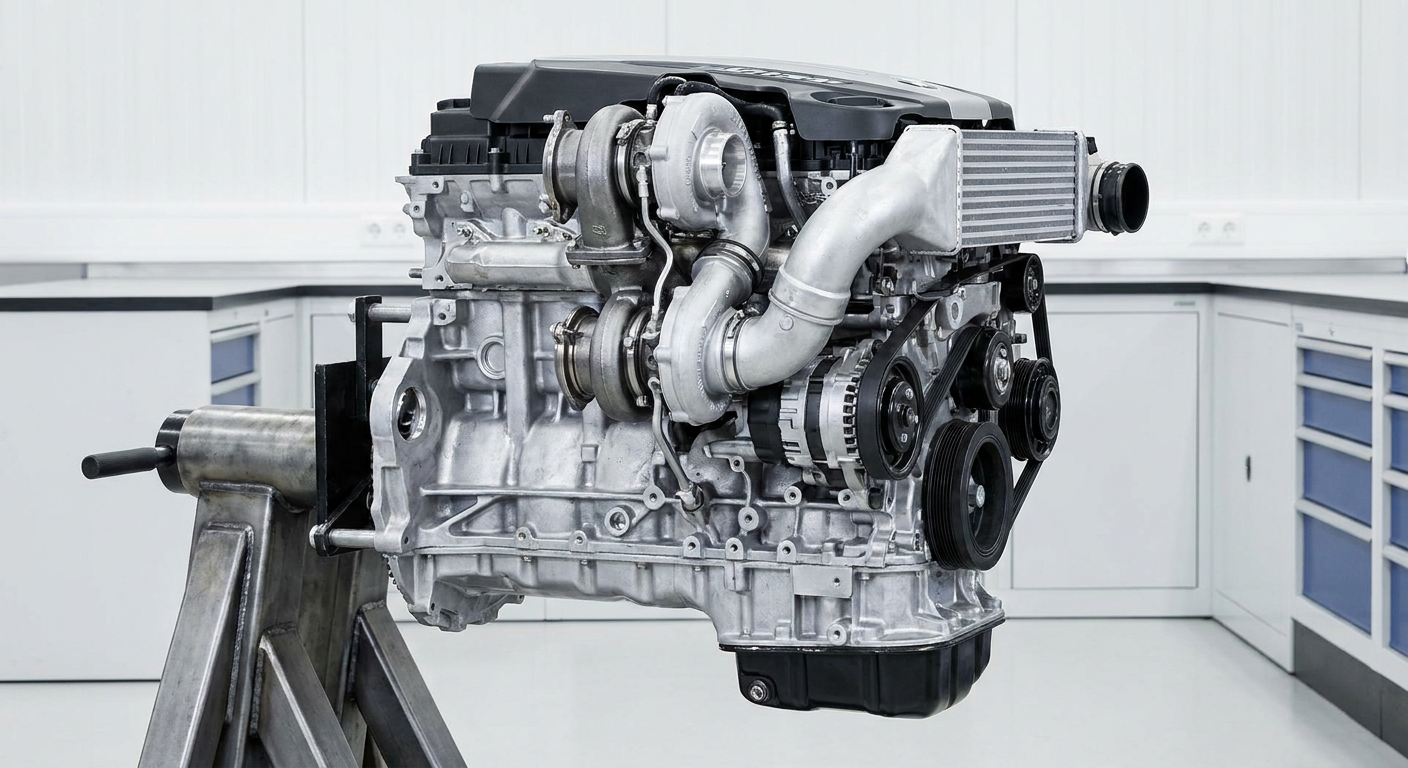
The high-output M57’s two-stage turbo system uses differently sized turbochargers and controlled airflow paths to cover a broad operating range. This arrangement provides strong usable performance without relying solely on high engine speed. It also makes the engine well suited to the heavier vehicles in the supplied application list.
Established Repair Knowledge
The M57 family benefits from extensive workshop familiarity and an established supply of service components. Diagnostic procedures for injection, boost regulation and intake-system faults are well understood. A maintained engine can provide long service, but condition and documented maintenance matter more than the family’s reputation alone.
Weak Points and Common Failures
Intake Swirl Flaps and Deposit Build-Up
Swirl-flap wear is a recognised inspection concern within the M57 family. Depending on the manifold version, wear can cause leakage, operating faults or, in severe cases, mechanical damage if components become detached. Inspect the actual manifold fitted rather than assuming all revisions have identical risk. EGR soot mixed with oil mist can also restrict the intake. Repairs must preserve applicable emissions compliance.
Turbocharging and Boost-Control Faults
Two-stage turbocharging adds hoses, control devices and potential leak points. Split charge-air hoses, vacuum leaks or faulty actuators can produce poor acceleration and boost errors without a failed turbocharger. Diagnose requested versus actual boost and inspect the complete control system before replacing expensive hardware. Oil supply and drain condition also deserve attention.
Thermostats, DPF Operation and EGR
Thermostats that remain open can prevent normal operating temperature and interfere with diesel particulate filter regeneration on equipped vehicles. Repeated short journeys, sensor faults and EGR problems can compound soot loading. Check live coolant temperature and DPF data rather than treating a warning light as proof that the filter alone needs replacement.
Injection, Oil Leaks and Ageing Accessories
Injector wear, excessive return flow and glow-system faults can contribute to difficult starting or uneven running. Oil leaks, crankcase ventilation problems and deterioration of the crankshaft pulley’s rubber damper also merit inspection. Use fault codes, injector testing and mechanical checks to separate accessory problems from internal engine damage.
What to Consider When Replacing This Engine
Establish the original failure cause first. A replacement engine can be damaged by an unresolved cooling fault, contaminated fuel system, restricted exhaust or defective turbocharger. After turbo failure, inspect the intercooler and charge-air system for retained oil and debris before starting the replacement.
- Verify identity: compare the VIN, engine markings, rated output and available BMW parts information.
- Confirm installation hardware: check the sump, mounts, brackets, transmission interface and drivetrain-specific clearance requirements.
- Check electronics and emissions: establish sensor, wiring, injector and exhaust-equipment compatibility, including any coding requirements.
- Define the supplied assembly: confirm whether turbochargers, injectors, pumps, manifolds and accessories are included.
- Assess condition: request available mileage evidence, test results and inspection records. For rebuilt units, ask which components were measured, renewed or reconditioned.
- Review purchase terms: confirm warranty conditions, installation requirements and any exchange-engine obligations.
Before installation, address accessible seals and worn service components as appropriate. Use the vehicle-specified fluids, follow the prescribed lubrication priming procedure and complete commissioning checks for oil pressure, leaks, operating temperature and diagnostic faults.
Buy the M57D30TÜ2 210 kW Engine at Motuvo.eu
Looking for a replacement BMW six-cylinder diesel? Buy the M57D30TÜ2 210 kW engine at Motuvo.eu. Provide your VIN and original engine identification to confirm suitability, and check the available unit’s condition, included components and purchase terms before ordering.