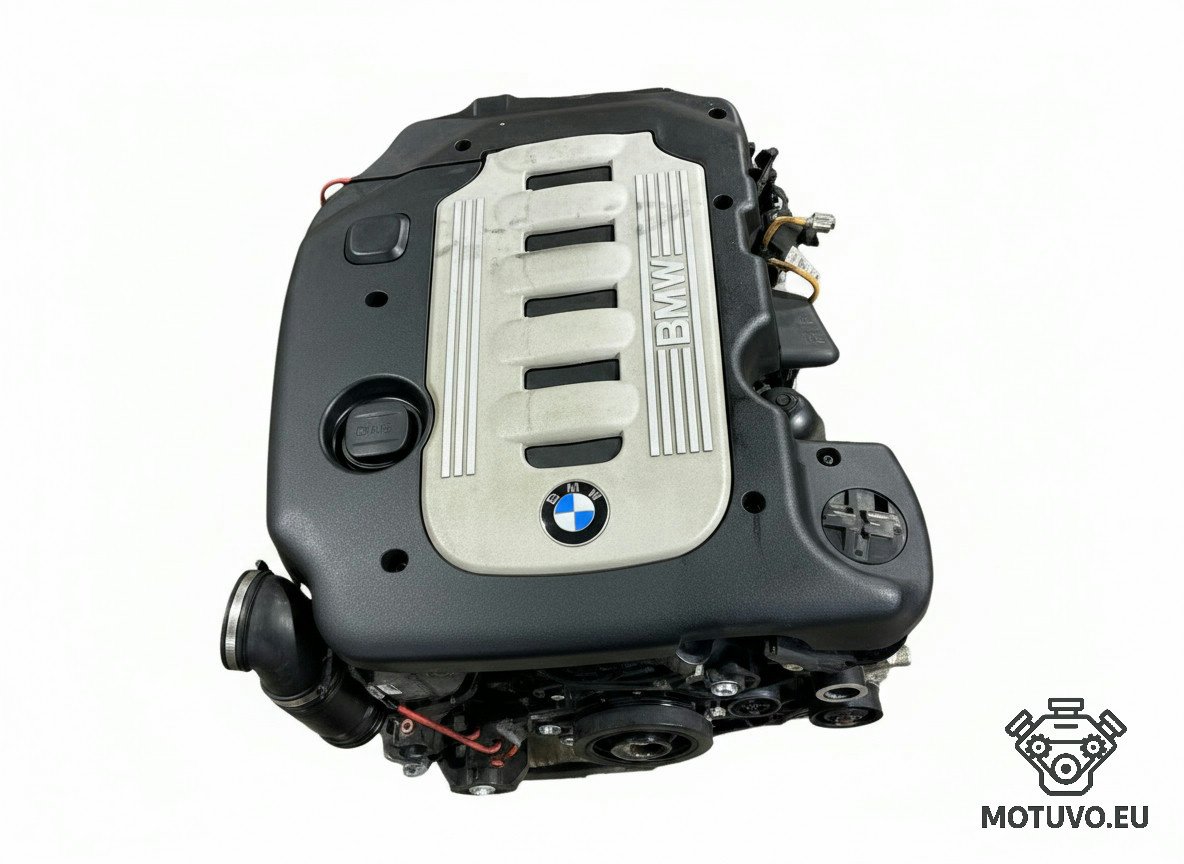
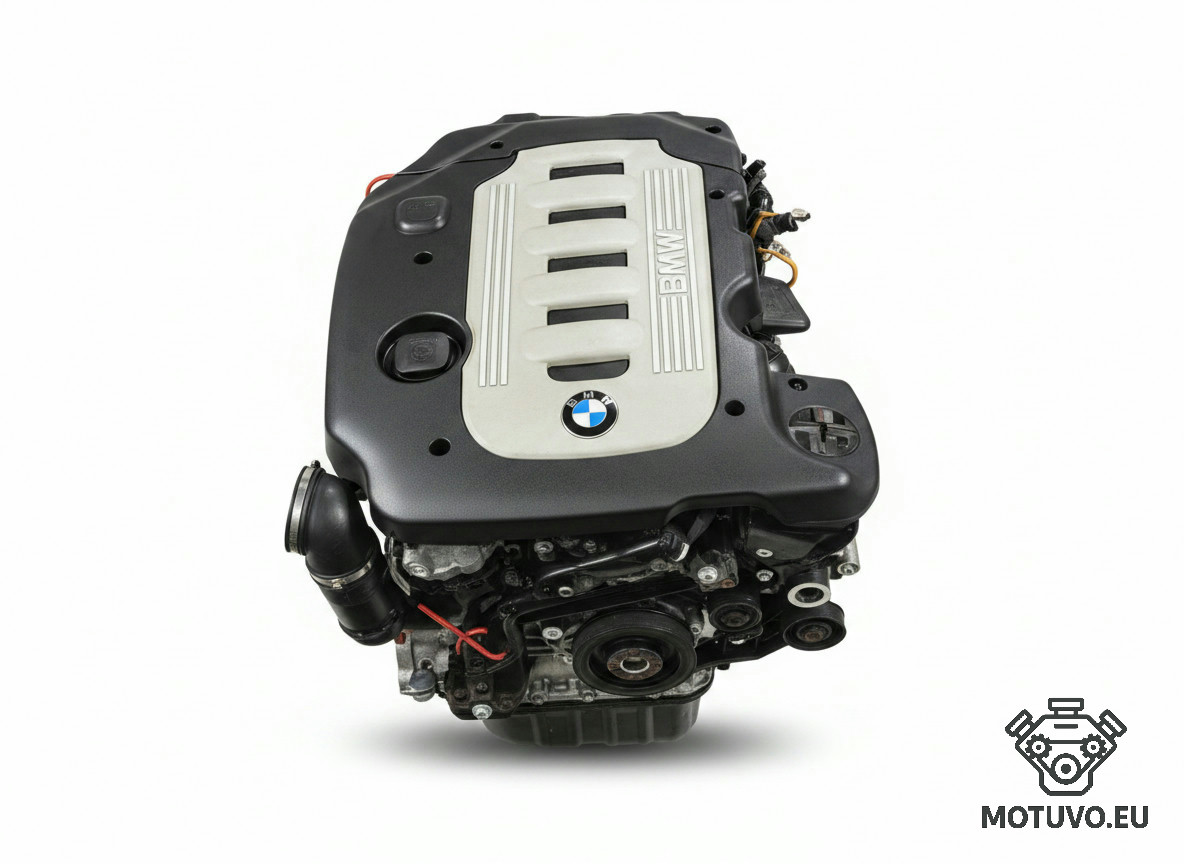
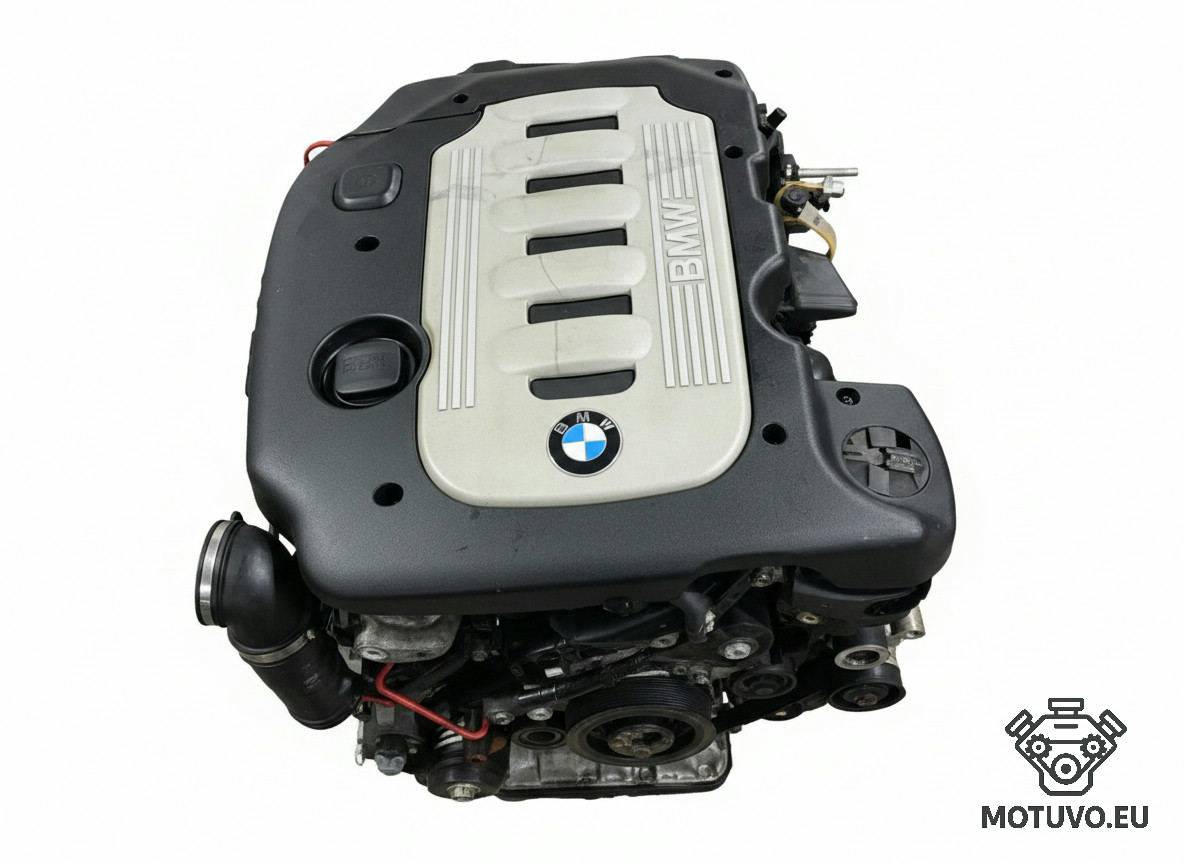
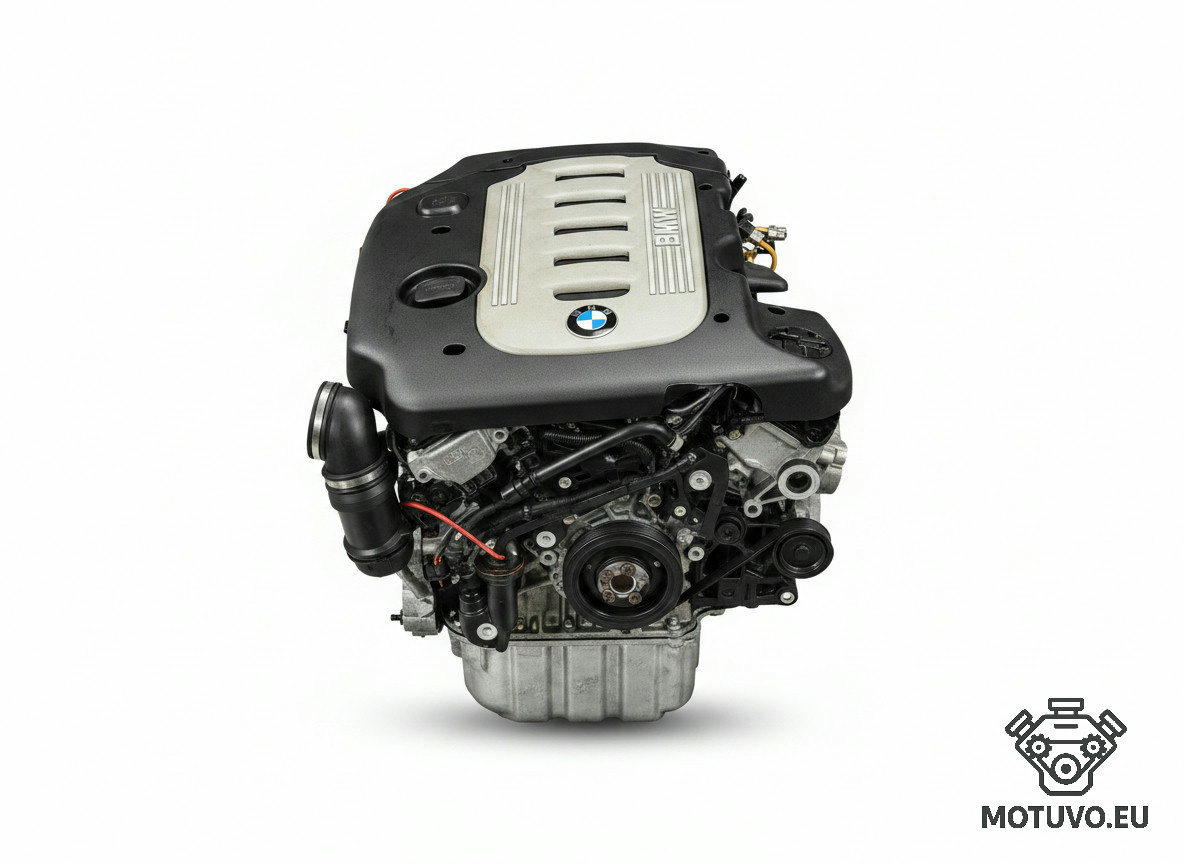
BMW M57D30TÜ2 Engine: M57N2 306D3 Buying Guide
Introduction to the BMW M57D30TÜ2 engine
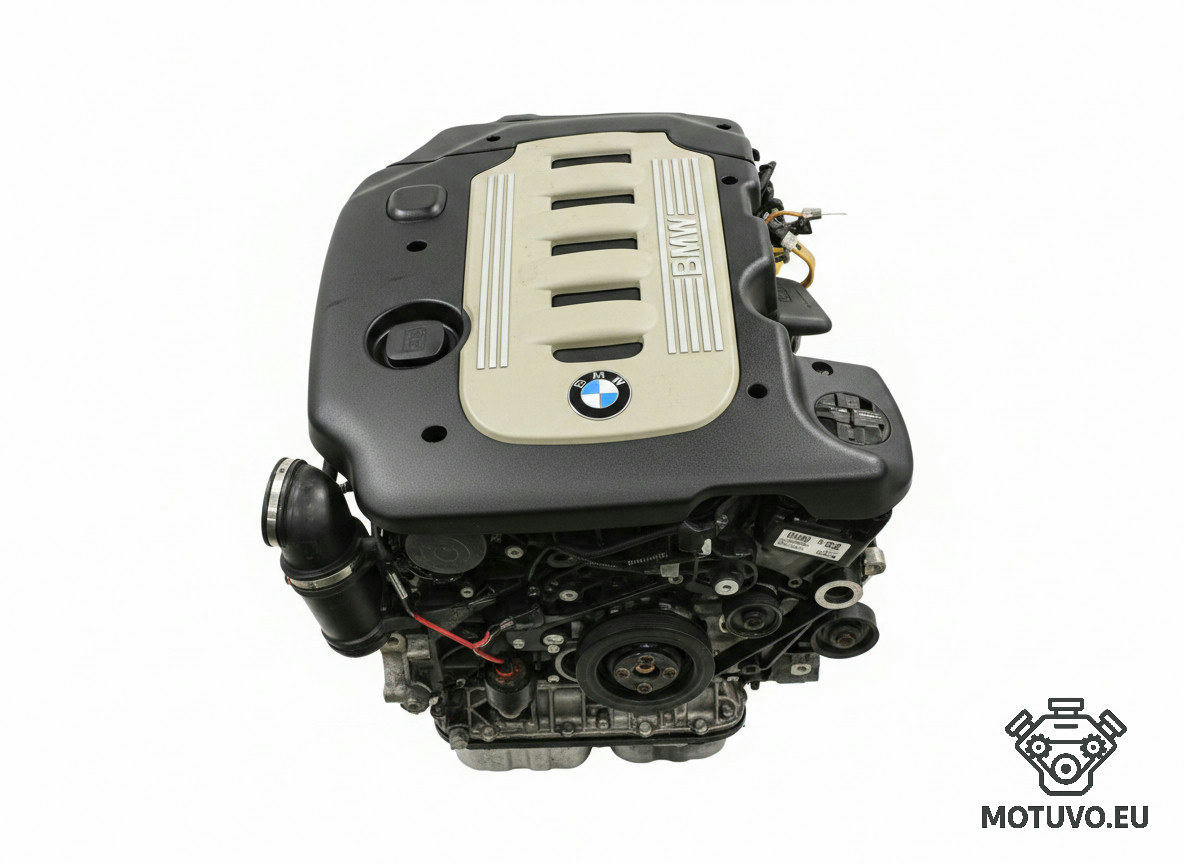
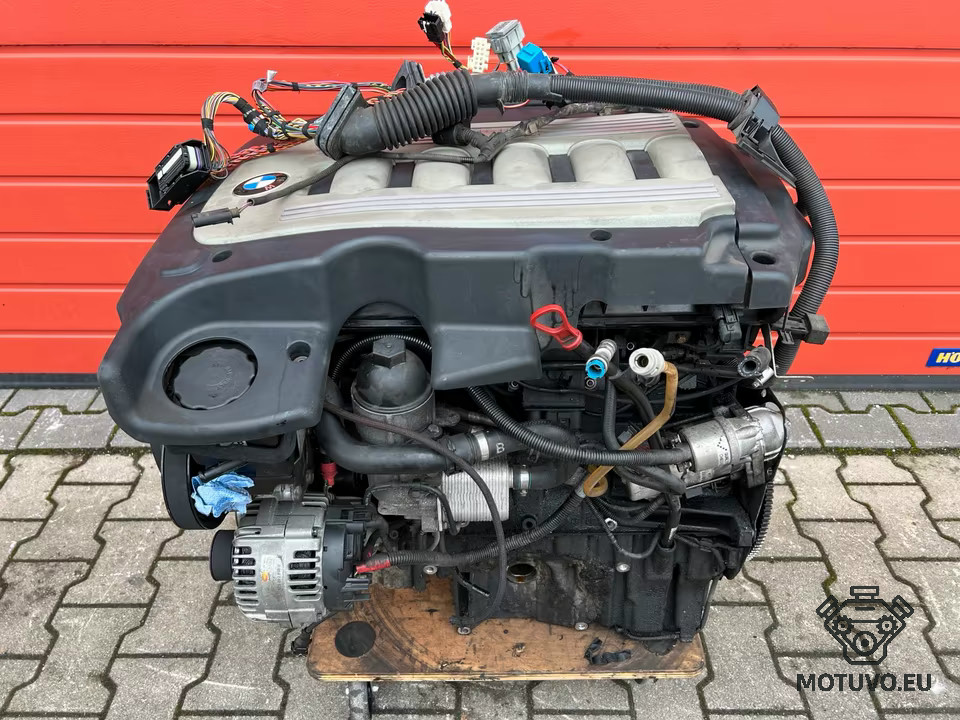
The BMW M57D30TÜ2, identified in this catalogue as M57N2 (306D3), is a 3.0-litre diesel engine rated at 173 kW, approximately 235 metric horsepower. It belongs to BMW’s M57 inline-six diesel family, known for smooth operation, strong low-speed pulling power and suitability for larger passenger vehicles.
This engine combines common-rail fuel injection with turbocharging. Its six-cylinder layout delivers more refined operation than many four-cylinder diesels, while its torque characteristics suit motorway driving and heavier vehicles. For replacement buyers, however, the M57 family name alone is not enough: the exact engine version, vehicle installation and included components must all be checked.
How popular and widely used is this engine?
The M57 family became a significant part of BMW’s diesel range, and the M57N2 represents a later development of that architecture. Its presence in both executive cars and SUVs means it remains relevant to workshops maintaining older BMW diesels. Owners often consider replacement engines when the rest of the vehicle remains serviceable but repairing major internal damage is uneconomical.
The catalogue applications for this particular listing cover the BMW 5 Series, X5 and X6. That demonstrates its use across different vehicle types, but does not establish compatibility with every diesel version of those models. Production date, emissions specification, drivetrain configuration and engine identification remain decisive.
Broad familiarity with the M57 family can help with diagnosis and sourcing service parts. Nevertheless, availability of expertise should not be confused with universal interchangeability between M57 engines.
Other part numbers and engine variants
M57D30TÜ2, M57N2 and 306D3 are the identifiers associated with this catalogue entry. These are engine designations rather than a complete set of BMW service assembly numbers. When ordering, compare the identification on the original engine with the replacement unit and verify the vehicle specification using its VIN.
The related catalogue entries include other 3.0-litre diesels, but they are not automatically replacement options:
- M57D30TÜ, 160 kW: an earlier M57 development with differences that require detailed compatibility checks.
- N57D30O1, 190 kW: a member of the later N57 family, not a direct substitute merely because displacement matches.
- N57D30T1 and N57D30B, 230 kW: separately listed N57 variants with different performance specifications.
- 4JJ1-TC, DHXC/DHX, CAP, CCW and CTBA: other diesel catalogue listings, not evidence of compatibility with this BMW engine.
Even within the M57 range, turbocharging equipment, injection components, sensors and emissions hardware can differ. A matching nominal capacity or similar power output cannot replace a proper identification check.
Catalogue model applications
The supplied catalogue identifies the following applications for the 173 kW M57D30TÜ2:
- BMW 5 Series E60/E61: 530d.
- BMW X5 E70: xDrive30d.
- BMW X6 E71: xDrive30d.
These are the supported application references for this article. No assumption should be made that every production year or market version uses an identical engine assembly. Similar badges can span different engine generations and power ratings.
Installation-specific parts may include the sump, engine mounting brackets, intake and exhaust connections, accessory supports and wiring. A unit sourced from another listed chassis may require approved component transfers, even where the underlying engine specification is suitable. Confirm those requirements before purchase rather than during installation.
Strong points of the M57N2 engine
Refined six-cylinder operation
The inline-six configuration is naturally well balanced, helping the engine deliver smooth running. In an executive car or SUV, this contributes to relaxed cruising and a more refined driving experience than cylinder count alone might suggest.
Useful diesel performance
With 173 kW available, this version provides substantial performance without relying solely on high engine speeds. Turbocharging and common-rail injection support responsive torque delivery when the boost, fuel and air-management systems are functioning correctly.
Good service potential with proper maintenance
The M57 family has a strong reputation for durability, but condition matters more than reputation when buying a used engine. Correct oil, regular servicing, a healthy cooling system and prompt attention to injection or boost faults all influence service life. A documented, inspected unit is preferable to one selected only for a low advertised mileage.
Weak points and common failures
Swirl flaps and intake contamination
M57 intake systems deserve careful inspection, particularly the swirl-flap mechanism where fitted. Wear or damage can affect operation, and detached components can cause serious internal damage. Soot from exhaust gas recirculation combined with oil mist can also restrict intake passages. Check the actual manifold fitted rather than assuming all versions share identical hardware or risk.
Turbocharger and boost-system faults
Loss of power, excessive smoke or abnormal turbo noise can indicate turbocharger trouble, but split charge-air hoses, leaking intercoolers or control faults can produce similar symptoms. Diagnose the complete system before condemning the engine. Oil supply problems and restricted drains must be corrected if a turbocharger is replaced.
Injection and starting problems
Injector wear, excessive leak-off or inadequate rail pressure can cause difficult starting and uneven running. Glow plugs and their control module are also relevant to cold-start complaints. Fault-code reading, rail-pressure evaluation and injector testing provide a better basis for decisions than replacing parts by guesswork.
Emissions equipment and oil leaks
EGR contamination and diesel particulate filter problems can affect vehicles with the corresponding equipment. Repeated short journeys and inadequate operating temperature may hinder regeneration. Oil leaks, crankcase ventilation faults and deteriorated seals also warrant attention, particularly before installing a replacement engine. None of these symptoms automatically proves that the internal engine assembly has failed.
What to consider when replacing it
Begin with the reason the original engine failed. Overheating, oil starvation, fuel-system contamination or turbocharger debris can damage the replacement if the underlying cause remains. Inspect connected systems and clean or renew affected components according to the repair findings.
- Verify identity: compare M57D30TÜ2/M57N2/306D3 identification, rated output and VIN-based requirements.
- Confirm supply scope: establish whether the unit includes injectors, turbocharger, manifolds, wiring and accessories.
- Request condition evidence: ask about available inspection results, running tests, mileage documentation and warranty terms.
- Check installation hardware: verify sump clearance, mounts, transmission connections and ancillary equipment.
- Plan electronic work: determine whether injector calibration entries, adaptations or other diagnostic procedures are required.
- Prepare for commissioning: use suitable fluids and filters, follow the specified lubrication procedure and check for leaks.
Where turbocharger damage has occurred, inspect the intercooler and intake tract for retained oil or debris before starting. After installation, monitor oil pressure, coolant temperature, rail pressure and boost operation. Retain compliant emissions equipment and complete any locally required replacement-engine documentation.
Buy the M57D30TÜ2 engine at Motuvo.eu
If you need a replacement for a listed BMW 530d, X5 xDrive30d or X6 xDrive30d application, explore the M57D30TÜ2 173 kW engine at Motuvo.eu. Before buying, provide your VIN, original engine identification and required component scope so compatibility and supply details can be confirmed. Choose on verified specification and condition, not the model badge alone.