BMW M57D30TÜ2 145 kW Engine: Applications and Buying Guide
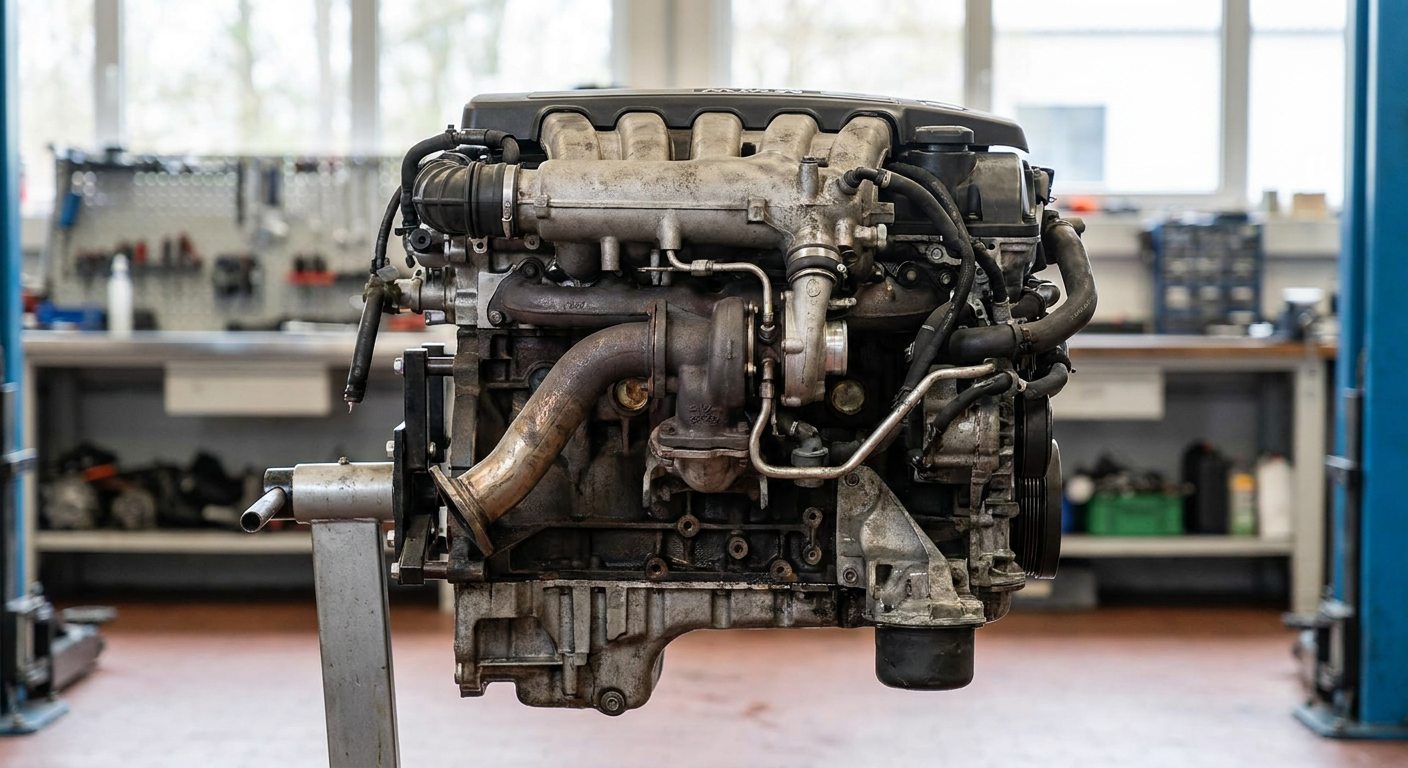
Introduction to the BMW M57D30TÜ2 145 kW engine
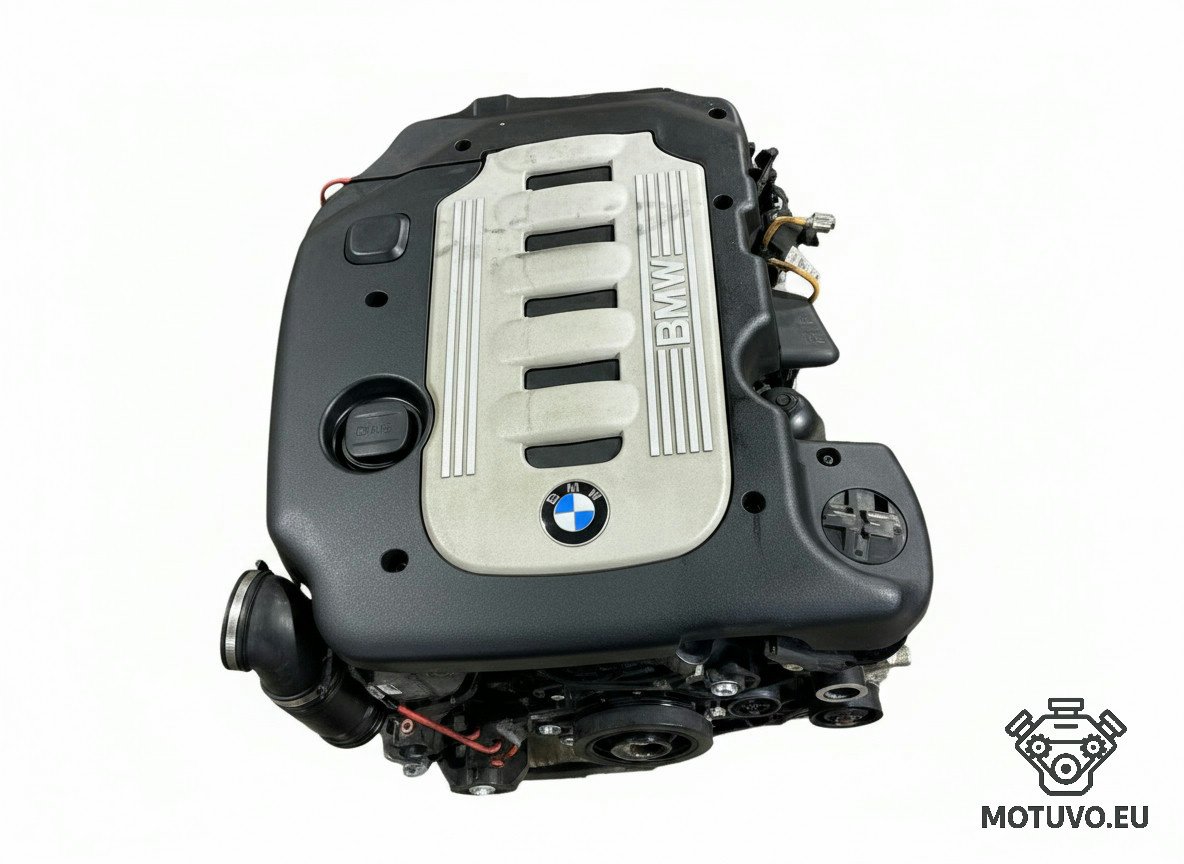
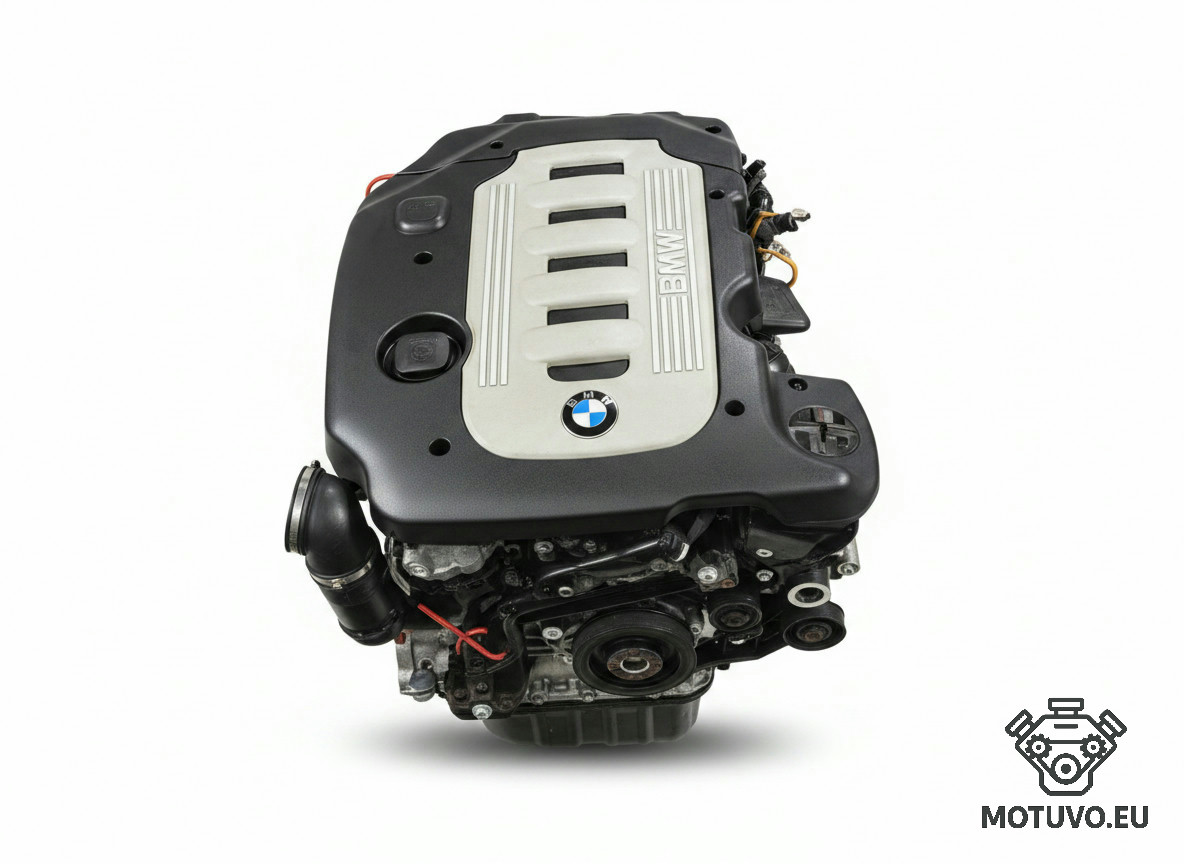
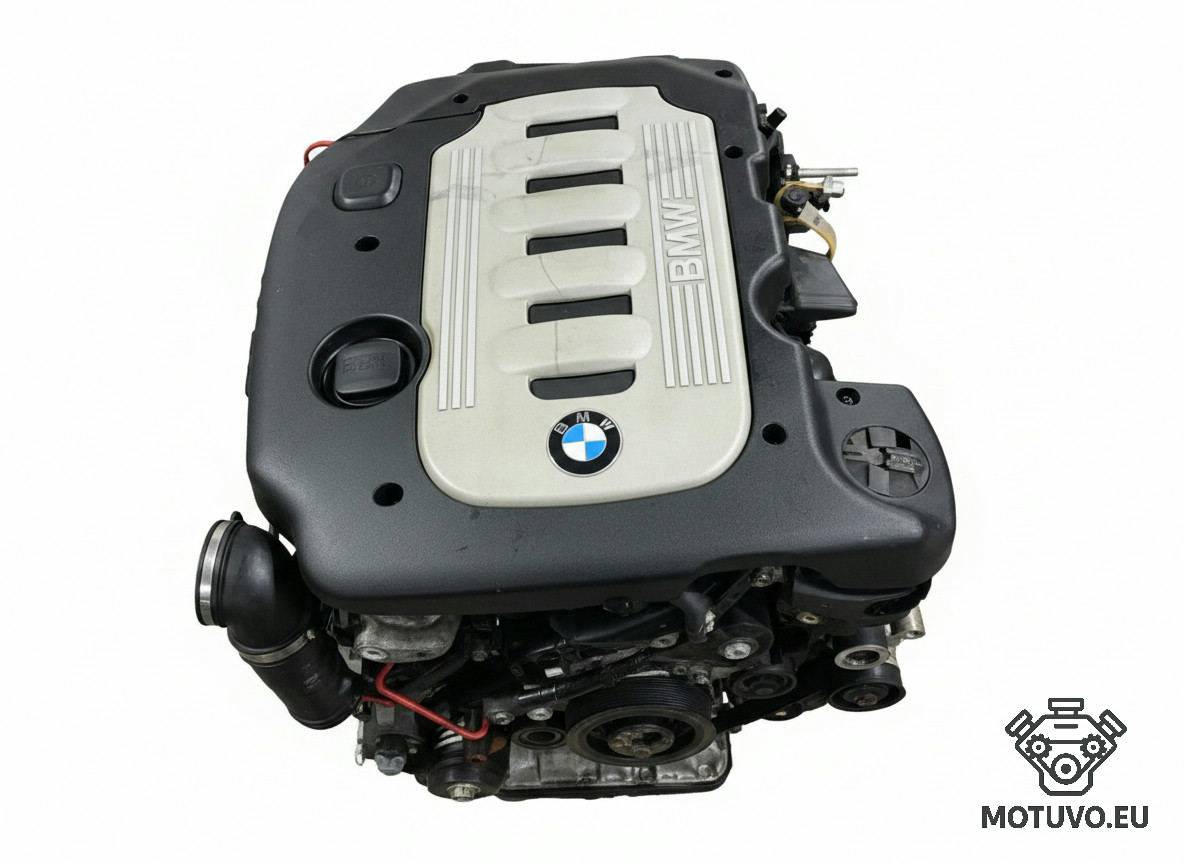
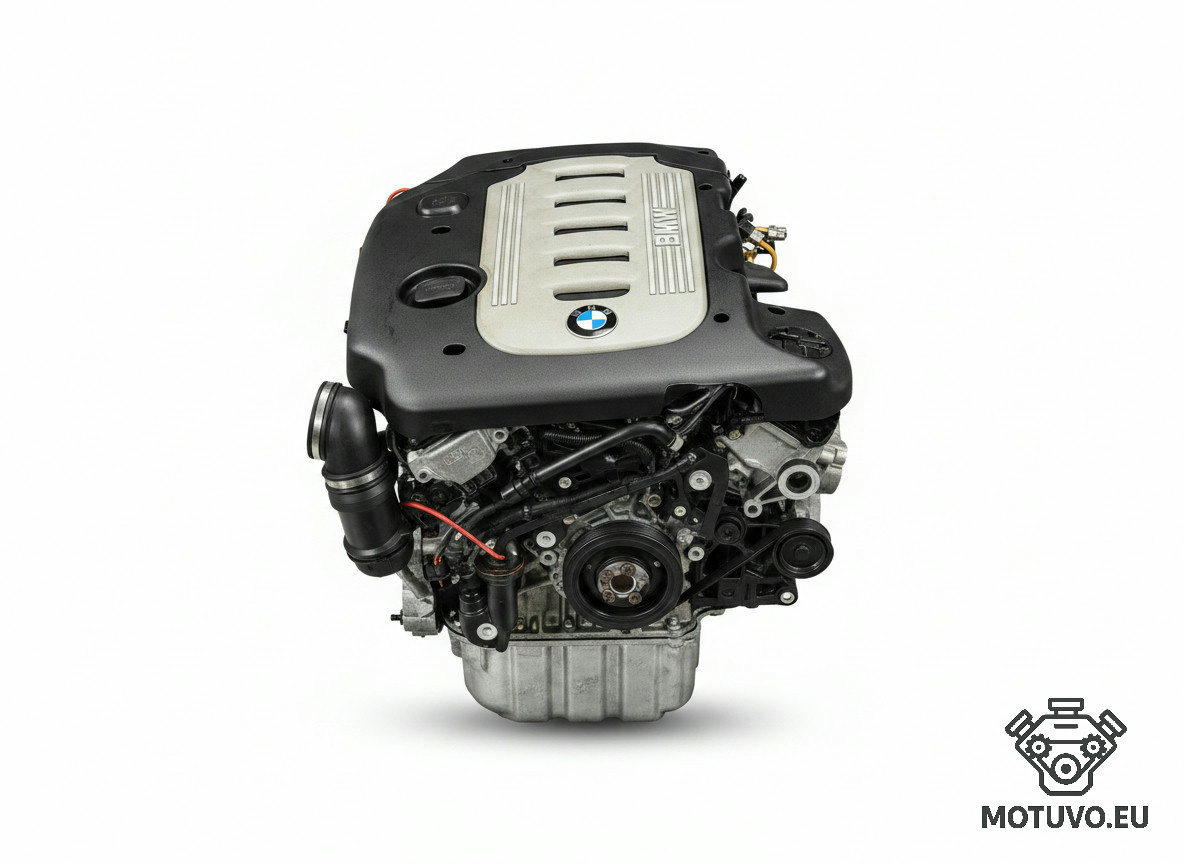
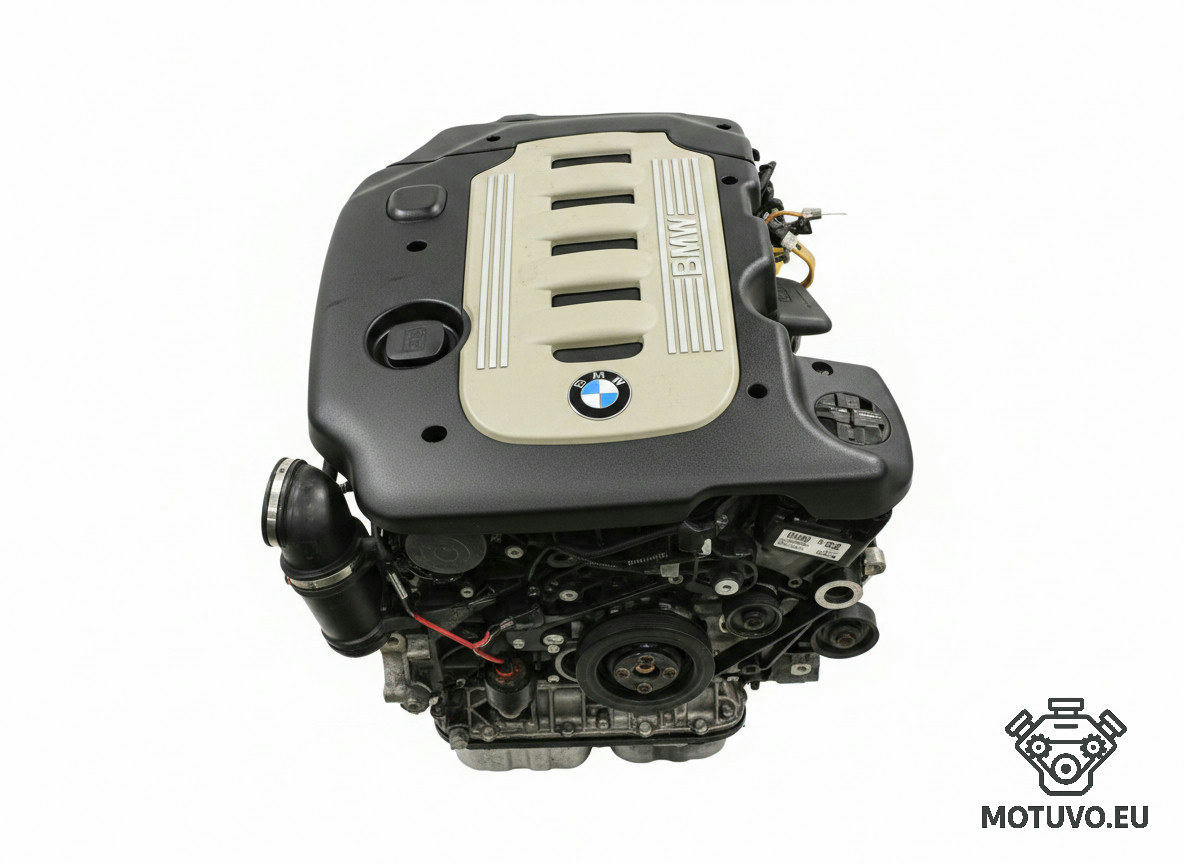
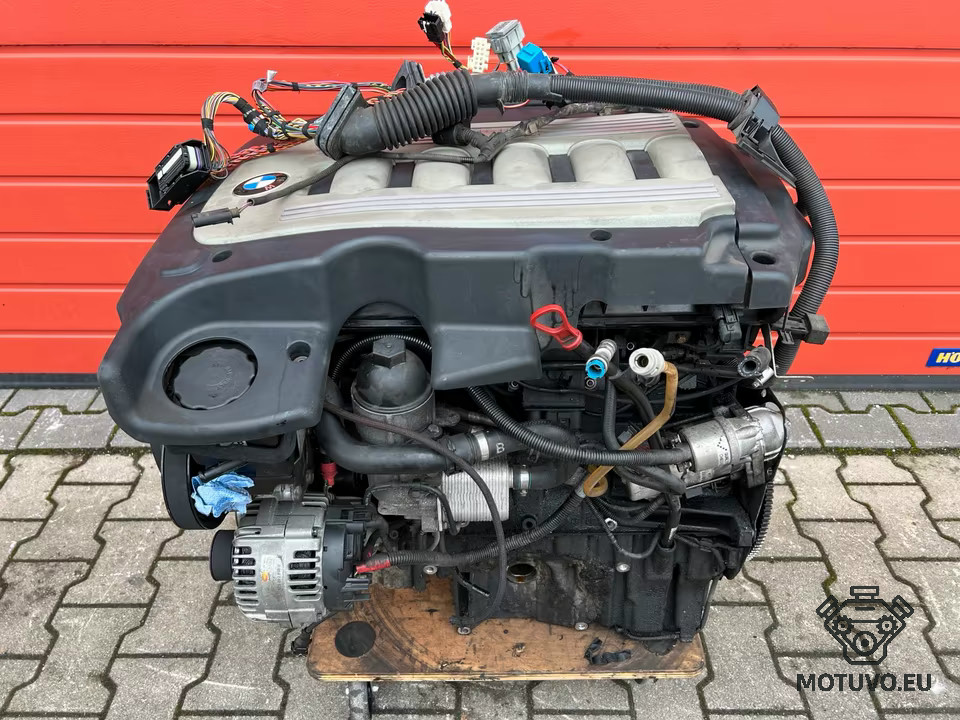
The M57D30TÜ2, listed by Motuvo.eu as M57D30A (M57N2), is a 3.0-litre diesel engine rated at 145 kW, approximately 197 PS. It belongs to BMW’s M57 family of turbocharged inline-six diesels, known for smooth operation, strong low-speed pulling power and long-distance efficiency.
This listing concerns the 145 kW version specifically. An M57 family designation alone is not sufficient to identify a directly interchangeable replacement: output, installation hardware, emissions equipment and engine management can differ. For buyers replacing a failed engine, the priority is matching the supplied unit to the vehicle’s original specification rather than relying only on displacement or the badge on the boot.
How popular and widely used is this engine?
The M57 family became an important part of BMW’s diesel range, with successive technical updates refining injection, turbocharging and emissions control. Its inline-six layout offers inherently good mechanical balance, making it particularly suitable for vehicles expected to combine motorway refinement with useful torque.
The supplied catalogue places this 145 kW engine in BMW 3 Series and 5 Series applications. That makes it relevant to owners maintaining vehicles used for commuting, touring and higher-mileage driving. Broad familiarity with the M57 family among independent BMW specialists is helpful when arranging diagnosis, servicing or replacement.
However, widespread use of the family does not mean every M57 unit shares the same components. Service knowledge may transfer between versions, but parts selection must still follow the exact vehicle and engine configuration.
Other part numbers and variants
The catalogue uses M57D30TÜ2 as its part-number identifier and M57D30A (M57N2) as its engine name. M57N2 is commonly associated with the second technical update of the M57 family. These names help narrow a search, but they do not replace a vehicle-specific BMW parts reference or a physical engine identification check.
- M57D30TÜ2, 3.0L, 173 kW: also appears in the catalogue. Its shared designation must not be taken as proof of compatibility with this 145 kW unit.
- M57D30TÜ, 3.0L, 160 kW: a related M57 technical-update version, requiring separate checks for mechanical and electronic compatibility.
- N57D30O1, 3.0L, 190 kW: belongs to BMW’s later N57 family and is not a straightforward substitute.
- N57D30T1 and N57D30B, 3.0L, 230 kW: further N57 entries, not alternative identifiers for this engine.
The catalogue also lists 4JJ1-TC, DHXC/DHX, CAP and CCW engines. Their inclusion as related products does not establish any fitment relationship. Shared capacity or diesel fuel type is not evidence that engines can be exchanged.
Model applications in the catalogue
The supplied catalogue description identifies the following applications:
- BMW 3 Series: E90, E91, E92 and E93, listed as 325d.
- BMW 5 Series: E60 and E61, listed as 525d/525xd.
These are catalogue fitment descriptions, not a guarantee for every production year, market or drivetrain within those ranges. No production dates are supplied, and model badges can span different engine generations.
Confirm suitability using the vehicle identification number, original engine markings and relevant parts references. Treat the catalogue’s 525xd entry as requiring explicit drivetrain verification: an all-wheel-drive installation can involve different sump and surrounding hardware. Ask for confirmation of the actual engine and installation configuration before ordering.
Strong points of the M57D30TÜ2
Smooth six-cylinder operation
The inline-six configuration provides excellent inherent balance. In good condition, the engine delivers the refinement expected of a larger BMW diesel, particularly during sustained cruising. Excessive vibration should therefore prompt investigation of mounts, combustion quality and associated drivetrain components rather than being dismissed as normal diesel behaviour.
Useful performance and efficient cruising
Turbocharging and common-rail injection help the 3.0-litre engine provide flexible performance without requiring high engine speeds. The 145 kW output offers a practical balance for everyday driving, although actual fuel consumption depends heavily on vehicle condition, transmission, journey type and emissions-system health.
Good repair support
The established M57 family benefits from specialist knowledge and a developed replacement-parts market. A correctly identified engine can often be assessed and repaired using familiar procedures. Nevertheless, reputation is not a substitute for evidence: maintenance history and measured condition matter more than a general claim that these engines are durable.
Weak points and common failures
Intake contamination and swirl-flap wear
Exhaust gas recirculation introduces soot into the intake, where it can combine with oil mist and form deposits. Restricted passages or sticking mechanisms can affect airflow and performance. M57 intake swirl-flap systems also warrant inspection for wear, looseness and operating faults. Designs differ, so assess the manifold actually fitted rather than assuming all versions have identical risks. Repair should preserve the vehicle’s required emissions compliance.
Turbocharging and crankcase ventilation faults
Loss of power, smoke or unusual turbo noise can result from turbocharger wear, charge-air leaks, control faults or restricted oil supply. Crankcase ventilation problems can contribute to oil carry-over and pressure issues. Before condemning the turbo or engine, inspect the complete air and lubrication systems. If a turbo has failed, check the intercooler and pipework for accumulated oil or debris.
Injectors, cooling and emissions equipment
Injector deterioration can cause rough running, difficult starting or uneven combustion. Diagnostic correction values provide clues, but leak-off testing and further checks may be necessary. Thermostat faults can prevent proper operating temperature, affecting efficiency and, where a diesel particulate filter is fitted, regeneration conditions. EGR and particulate-filter faults should be diagnosed rather than automatically attributed to internal engine damage.
Age-related leaks and accessory wear
Oil leaks, deteriorated hoses and worn belt-drive components become increasingly relevant with age. Inspect the crankshaft vibration damper, pulleys and cooling system during an engine replacement. Any history of overheating, oil starvation or abnormal mechanical noise warrants deeper investigation before accepting a used unit.
What to consider when replacing this engine
Establish why the original engine failed first. A blocked oil feed, contaminated fuel system, cooling fault or oil-filled intercooler can damage a replacement if left unresolved.
- Confirm identity: match the VIN, original engine identification, 145 kW specification and applicable parts references.
- Define the supply scope: establish whether the purchase includes the turbocharger, injectors, fuel pump, manifolds, wiring and accessories.
- Check installation hardware: compare the sump, mounts, transmission interface, cooling connections and exhaust connections.
- Plan electronic integration: confirm sensor compatibility, engine-management requirements and any injector coding or adaptations needed.
- Request condition evidence: ask about donor history, testing, mileage documentation where available, warranty terms and installation requirements.
Before first start, use the specified oil and filters, address accessible seals as appropriate and follow the correct lubrication-priming procedure. After installation, verify oil pressure, coolant temperature, leak-free operation and diagnostic fault status. Road testing should confirm boost control and emissions-system operation under realistic loads.
Buy the M57D30TÜ2 145 kW engine at Motuvo.eu
Looking for a replacement 3.0-litre BMW diesel? Visit the M57D30TÜ2 145 kW engine product page at Motuvo.eu to buy this engine and confirm current availability. Provide your VIN and original engine details before ordering so that compatibility, included components and purchase conditions can be checked for your vehicle.