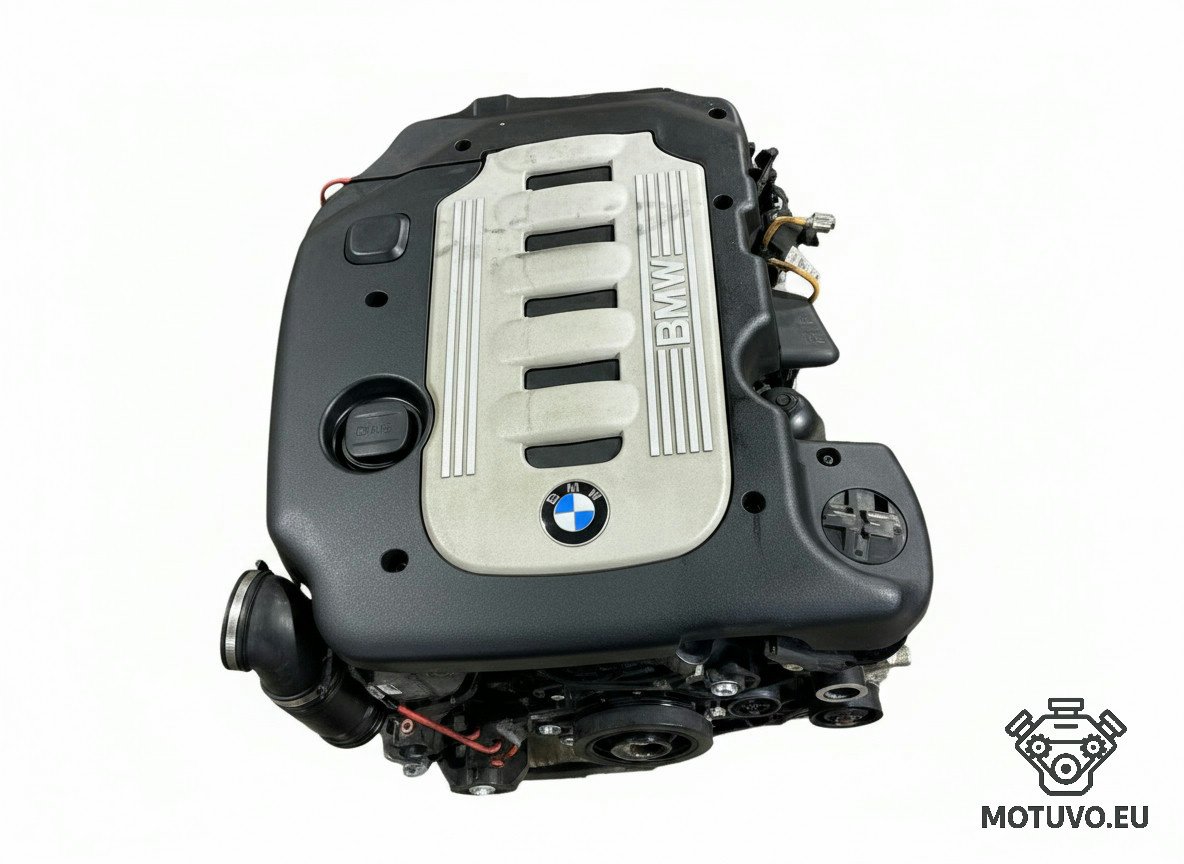
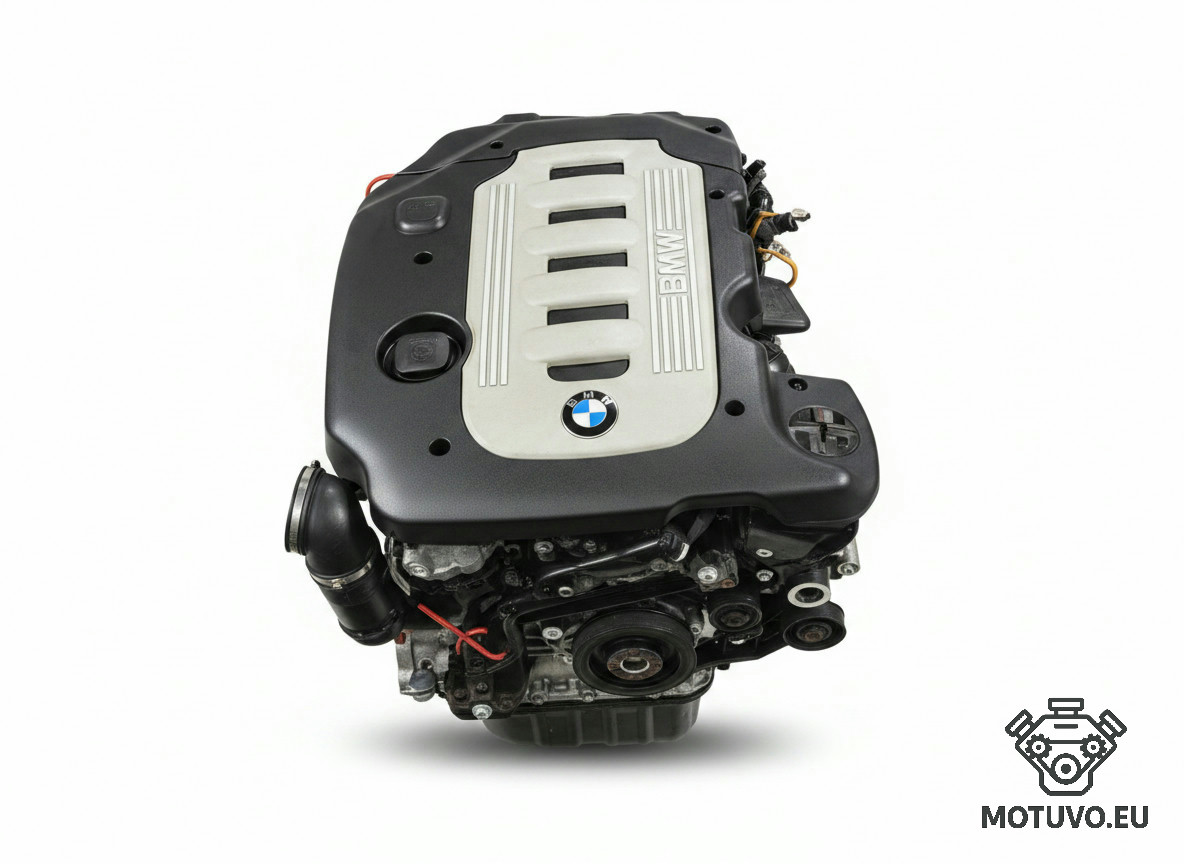
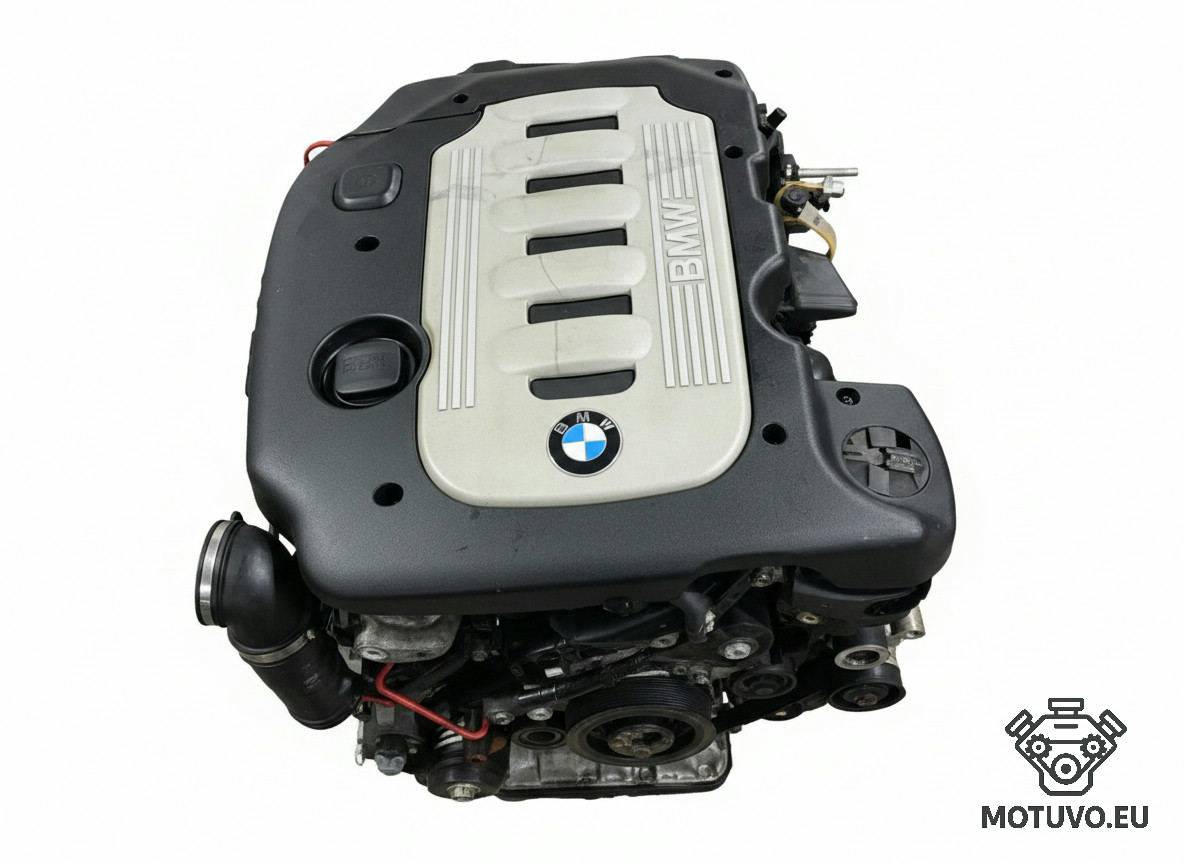
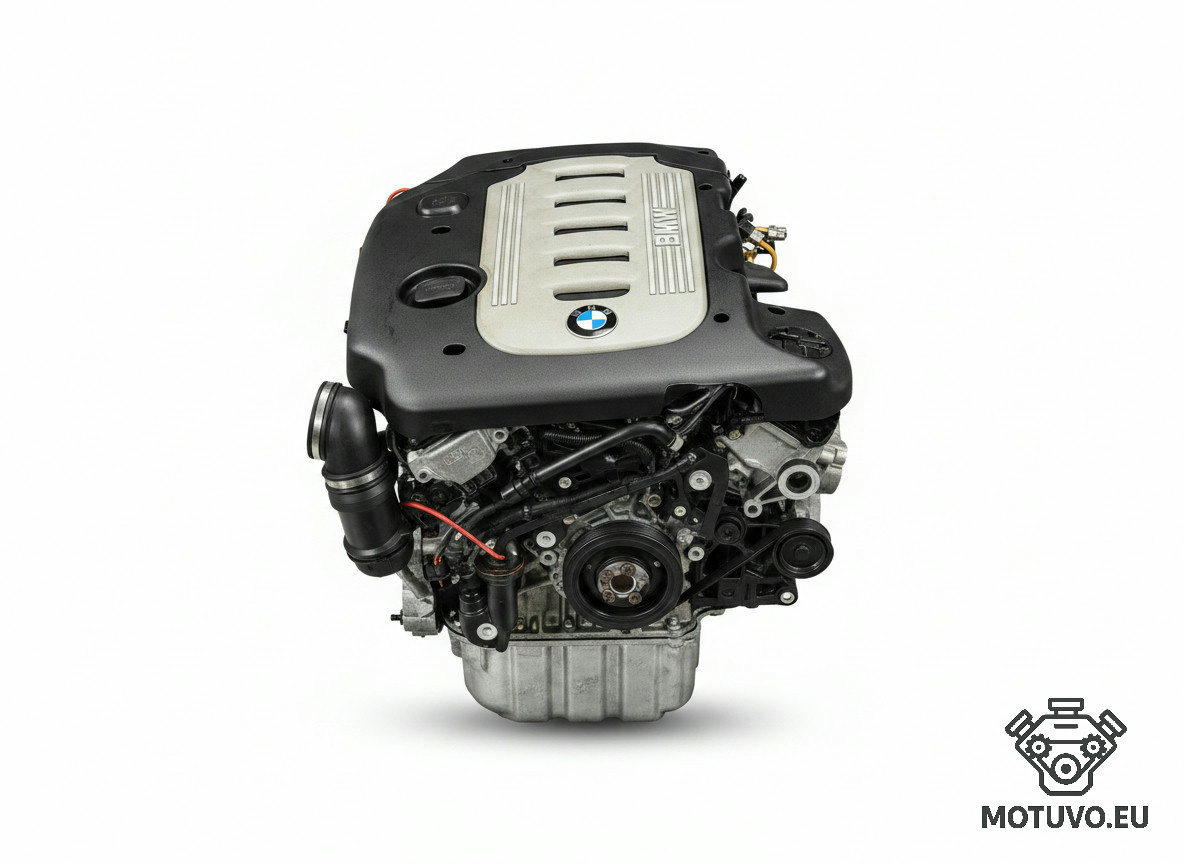
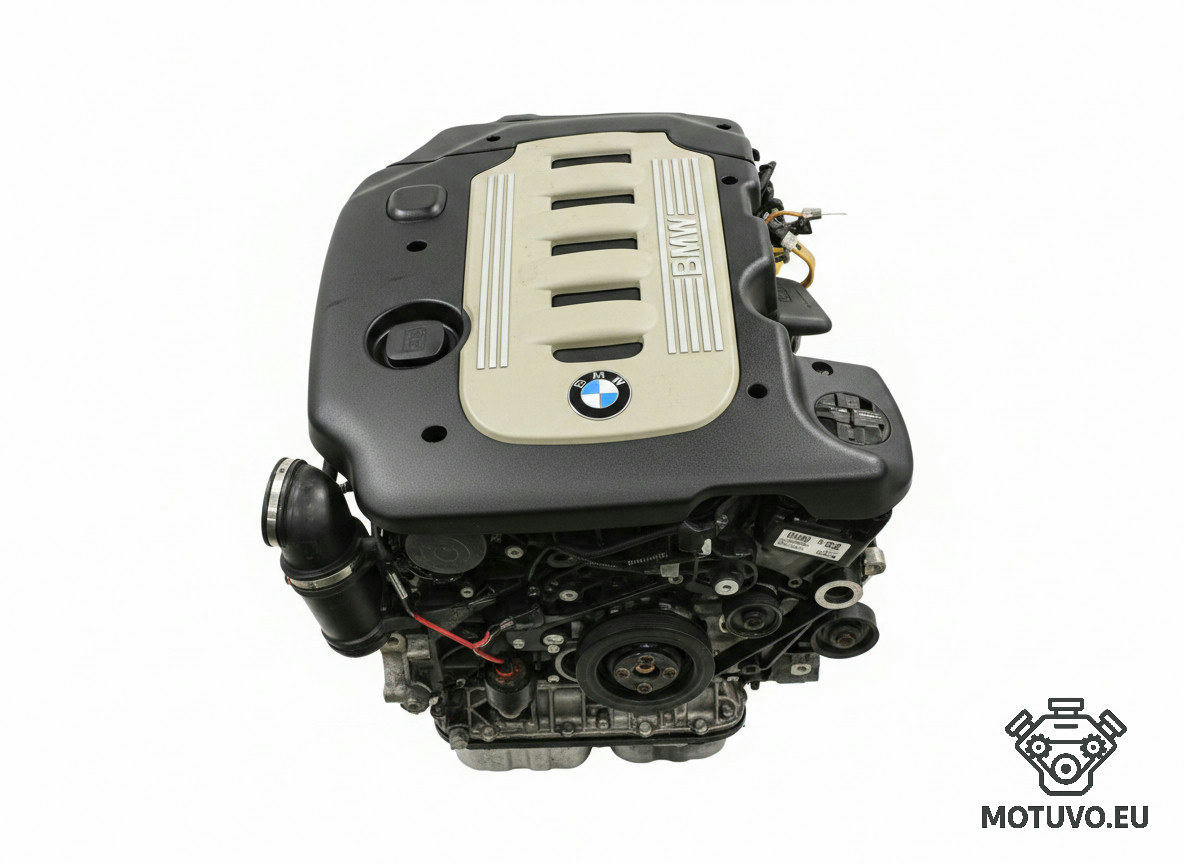
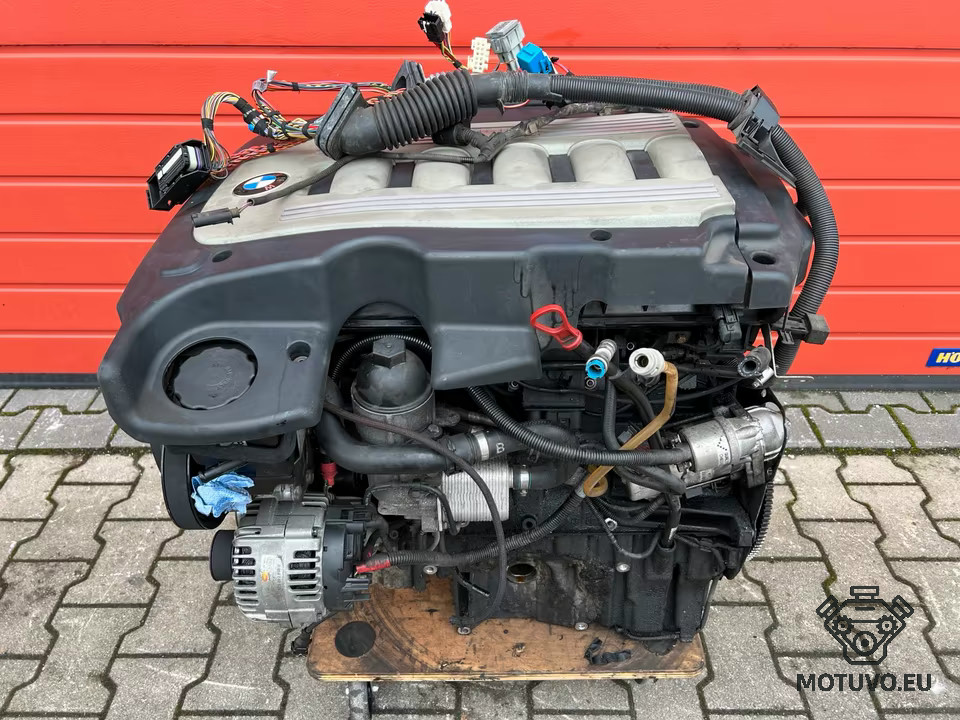
BMW M57D30 (306D1) 142 kW Engine: Buying and Replacement Guide
Introduction to the BMW M57D30 (306D1)
The BMW M57D30 (306D1) is a turbocharged, common-rail diesel engine from BMW’s M57 family. The Motuvo.eu catalogue identifies this version as a 3.0L diesel producing 142 kW, equivalent to approximately 193 metric horsepower. Its listed applications are the BMW E38 730d and BMW E39 530d.
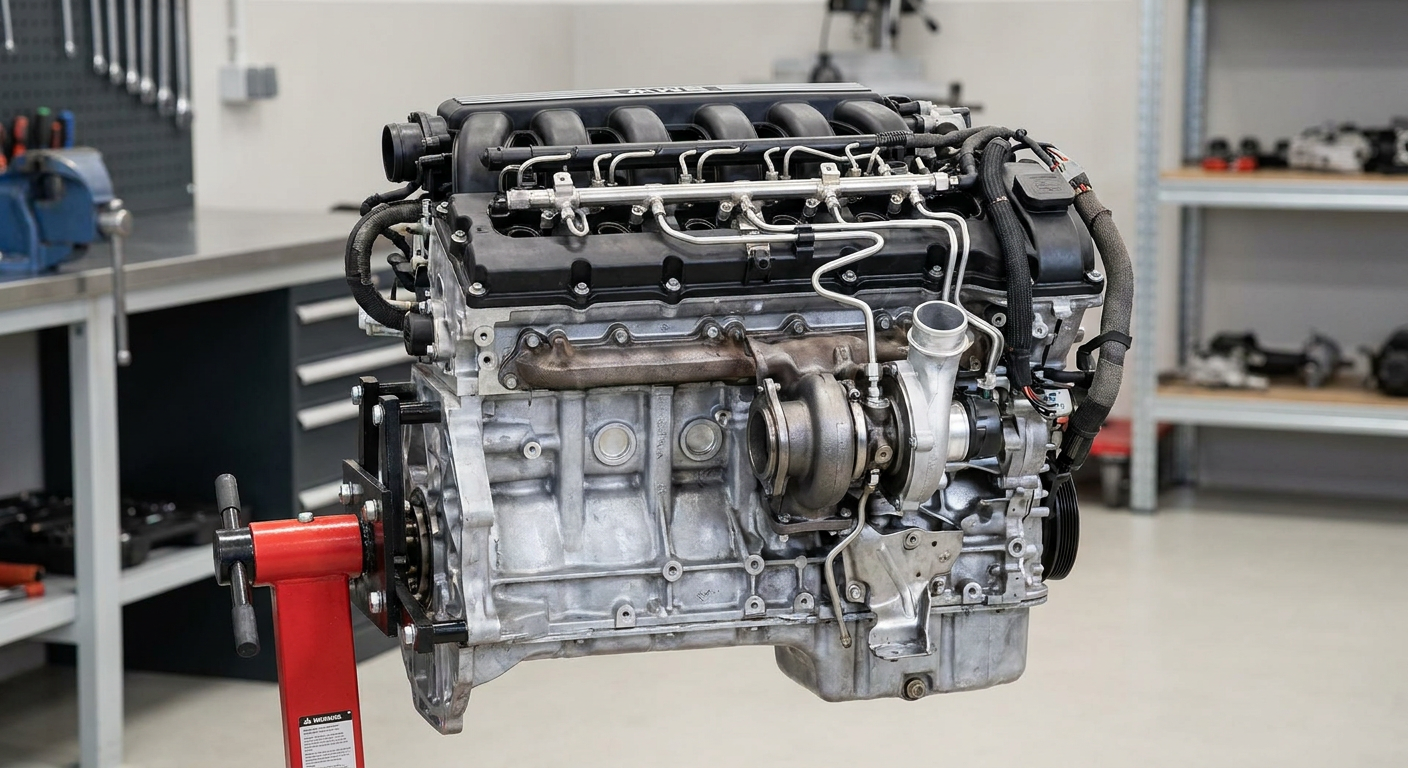
This early M57 combines an inline-six layout with a cast-iron cylinder block, an aluminium cylinder head and chain-driven overhead camshafts. Although described commercially as a 3.0-litre engine, the early M57D30 has a displacement of 2,926 cc. Its combination of smooth running and substantial low-speed torque makes it well suited to the large BMW saloons listed here.
For buyers, the key distinction is between recognising an engine family and identifying a compatible replacement. M57D30, 306D1 and 142 kW are useful identification details, but none should replace a vehicle-specific compatibility check.
How Popular and Widely Used Is the M57D30?
The M57 family became one of BMW’s best-known six-cylinder diesel engine ranges. Its reputation rests on refined operation, strong torque delivery and the ability to cover high mileages when properly maintained. Common-rail injection also helped deliver more controlled combustion than older diesel injection systems.
For this particular catalogue engine, the relevant vehicles are the E38 730d and E39 530d. Both are established used-car and restoration-market vehicles, so replacement-engine demand increasingly reflects age, accumulated mileage and previous maintenance rather than a single inherent design defect.
The family’s popularity brings practical benefits: many independent BMW specialists understand its diagnostics and repair procedures. However, widespread familiarity should not encourage indiscriminate parts swapping. The M57 evolved through several technical generations, and later versions are not automatically compatible with an early 306D1 installation.
Other Part Numbers and Engine Variants
The supplied listing uses M57D30 as the part number and M57D30 (306D1) as the engine name. These identifiers should be checked against the original engine markings and vehicle documentation. They should not be treated as a complete BMW service-part number for every possible engine assembly or component.
Related BMW diesel engines
- M57D30TÜ, 160 kW: a technically updated M57 variant, with differences that require separate compatibility assessment.
- M57D30TÜ2, 173 kW: a further development of the M57 family, not a direct replacement solely because it shares the M57 designation.
- N57D30O1, 190 kW: an engine from the later N57 family.
- N57D30T1 and N57D30B, 230 kW: later BMW diesel identifiers in the related catalogue listings, not evidence of interchangeability with 306D1.
The catalogue also lists 4JJ1-TC, DHXC/DHX, CAP and CCW engines among related products. Their shared nominal 3.0-litre capacity does not establish any mechanical or electronic compatibility. Related catalogue products are not necessarily alternative part numbers.
Confirmed Model Applications
The supplied catalogue description identifies two specific applications:
- BMW 7 Series — E38 730d.
- BMW 5 Series — E39 530d.
These chassis and model descriptions are more useful than the broad 7 Series and 5 Series labels alone. Nevertheless, production date, original power specification, transmission configuration and engine-management equipment still matter. A 730d or 530d badge by itself does not establish that every associated engine assembly is identical.
Before ordering, provide the vehicle identification number, original engine code and photographs of the installed engine. Compare the sump, mounting provisions, intake and exhaust connections, wiring and ancillary equipment. The catalogue application list supports an initial match; it does not eliminate the need to verify the supplied assembly’s exact configuration.
Strong Points of the M57D30
Robust core construction
The early M57’s cast-iron block provides a strong structural foundation. With correct lubrication, effective cooling and healthy injection equipment, the core engine can remain serviceable over substantial mileages. Service history and measured condition are more informative than reputation alone.
Smooth six-cylinder operation
The inline-six arrangement has inherently favourable balance characteristics. In a healthy installation, it gives the E38 730d and E39 530d smooth power delivery without requiring excessive engine speed. Worn mounts, poor injector balance or driveline faults can undermine that refinement without necessarily indicating internal engine damage.
Established diagnostic knowledge
The M57’s long service history means that specialist workshops have well-established methods for checking rail pressure, injector return flow, boost control and cooling-system performance. This helps distinguish a repairable external fault from a genuinely worn or damaged engine before replacement is authorised.
Weak Points and Common Failures
Intake contamination and swirl-flap checks
Exhaust gas recirculation deposits can combine with oil mist to restrict the intake manifold and impair airflow. Inspect the EGR valve and intake passages when the engine is accessible. Swirl-flap equipment varies by manifold and specification, so inspect the actual assembly rather than assuming every early M57 has identical hardware. Where fitted, flap and spindle damage can have serious consequences if parts enter a cylinder.
Turbocharging and crankcase ventilation
Low boost can result from leaking charge-air hoses, vacuum-system faults or turbocharger control problems rather than a failed turbo alone. Blue smoke or excessive oil carryover requires checks of the turbocharger, crankcase ventilation and engine condition. Restricted ventilation can increase crankcase pressure and aggravate leaks.
Fuel-system deterioration
Injector wear, excessive injector return flow and inadequate fuel supply can cause difficult starting, rough running or reduced performance. Diagnose these symptoms with fault-code analysis, rail-pressure measurements and appropriate fuel-system tests. Correction values alone are not a complete injector assessment.
Cooling, sealing and age-related faults
Ageing thermostats, hoses, pumps and other cooling-system components deserve attention. Overheating can damage an otherwise durable engine. Oil leaks around seals and covers also become more likely with age. Inspect the crankshaft vibration damper for deteriorated rubber, and investigate abnormal chain noise rather than assuming the timing drive requires no attention.
What to Consider When Replacing the Engine
Establish why the original engine failed before installing another one. An unresolved cooling fault, contaminated lubrication circuit or fuel-system problem can damage a replacement. Following turbocharger failure, inspect and clean the charge-air system as necessary so retained oil or debris cannot be drawn into the engine.
- Confirm identity: match the 306D1 identification, 142 kW specification and vehicle details.
- Clarify supply scope: establish whether the offer covers a bare engine, an assembled long block or an engine with specified ancillaries.
- Request condition evidence: ask about available mileage records, testing, inspection findings and any rebuilding work.
- Check transferred parts: assess injectors, turbocharger, manifolds, mounts and cooling components before reuse.
- Plan installation requirements: confirm sensor compatibility, wiring connections and any diagnostic setup required by the actual equipment fitted.
- Review purchase terms: verify warranty coverage, installation conditions, delivery arrangements and any exchange requirements.
Use the correct oil specification, fresh filters and suitable coolant. Follow the appropriate lubrication-priming and fuel-system procedures before starting. After installation, check for leaks, stable operating temperature, correct rail pressure and boost performance, then inspect again after the initial road test.
Buy the M57D30 142 kW Engine at Motuvo.eu
Looking for a replacement engine for your BMW E38 730d or E39 530d? Buy the M57D30 (306D1) 142 kW engine at Motuvo.eu after confirming compatibility and the supplied equipment. Visit the M57D30 142 kW engine product page to check current availability and request the details needed for a well-planned replacement.