BMW M57D30 (306D1) 135 kW Engine: Buying and Replacement Guide
Introduction to the BMW M57D30 (306D1)
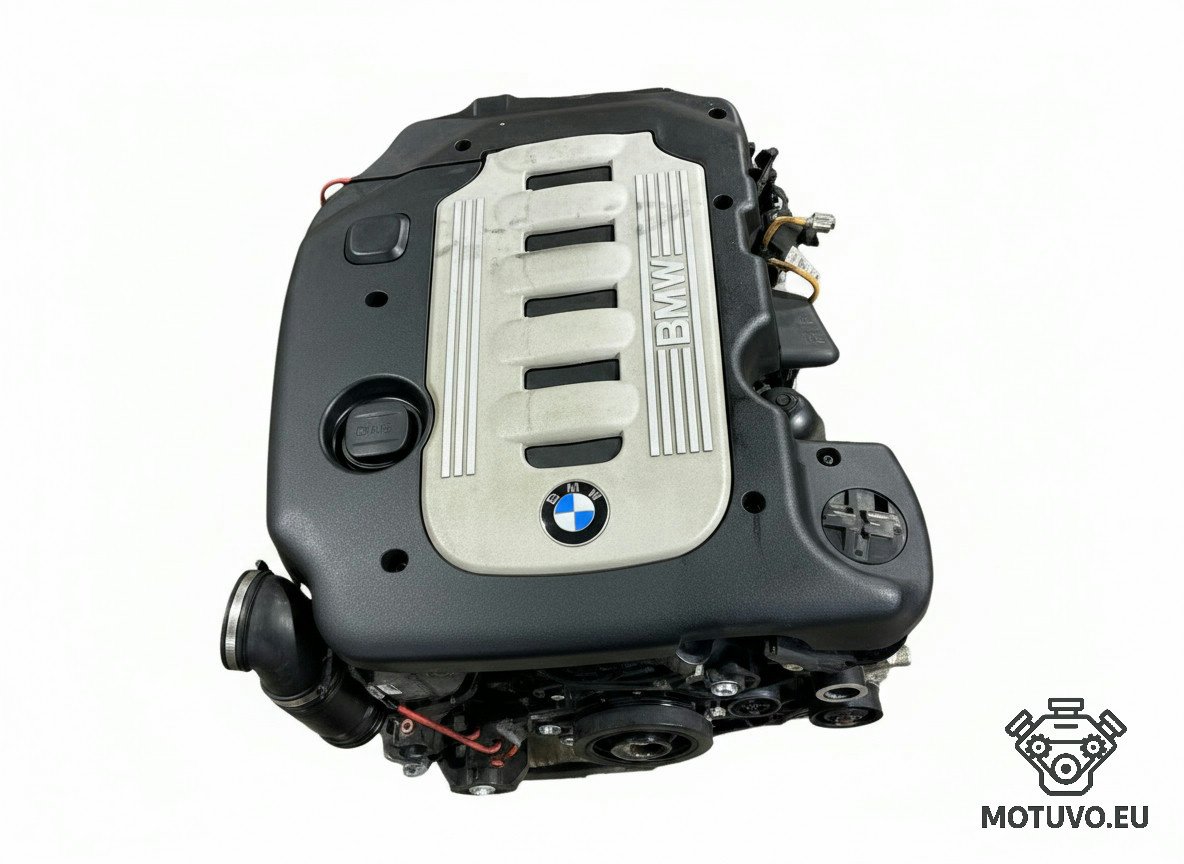
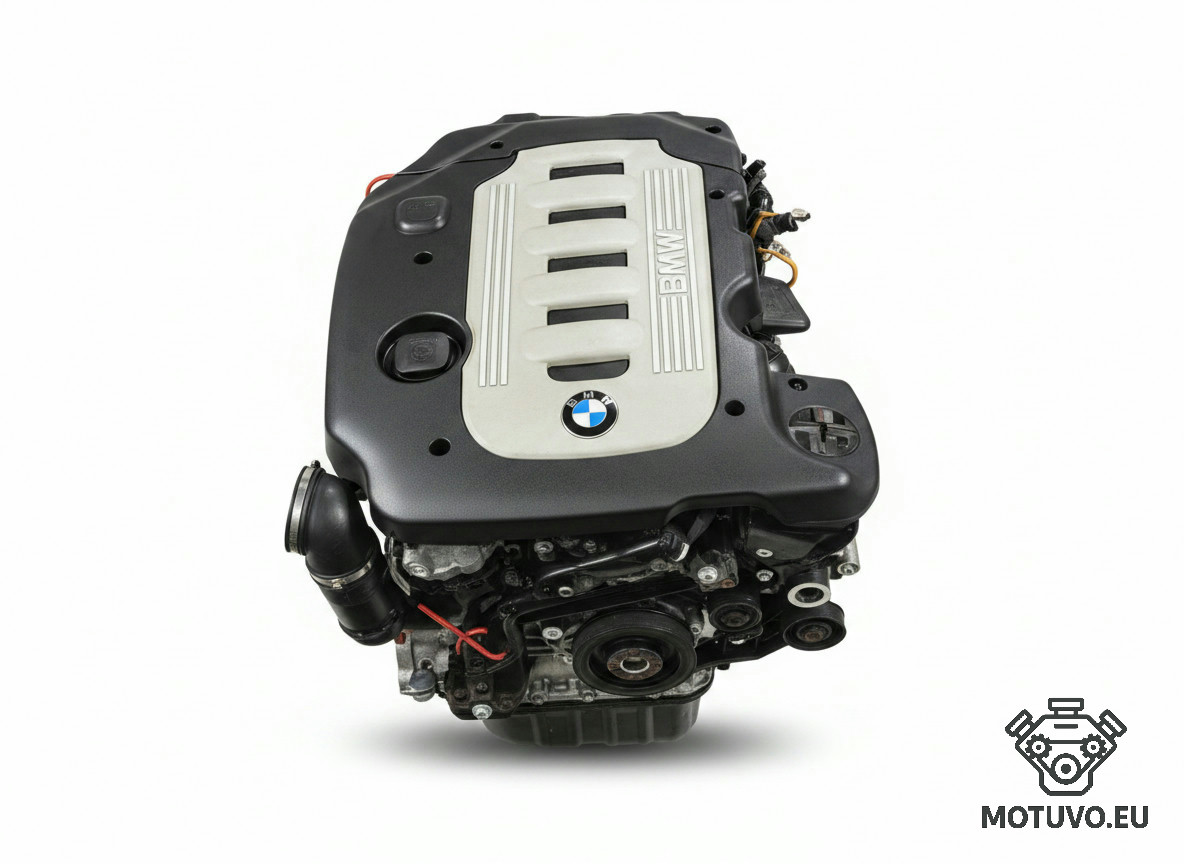
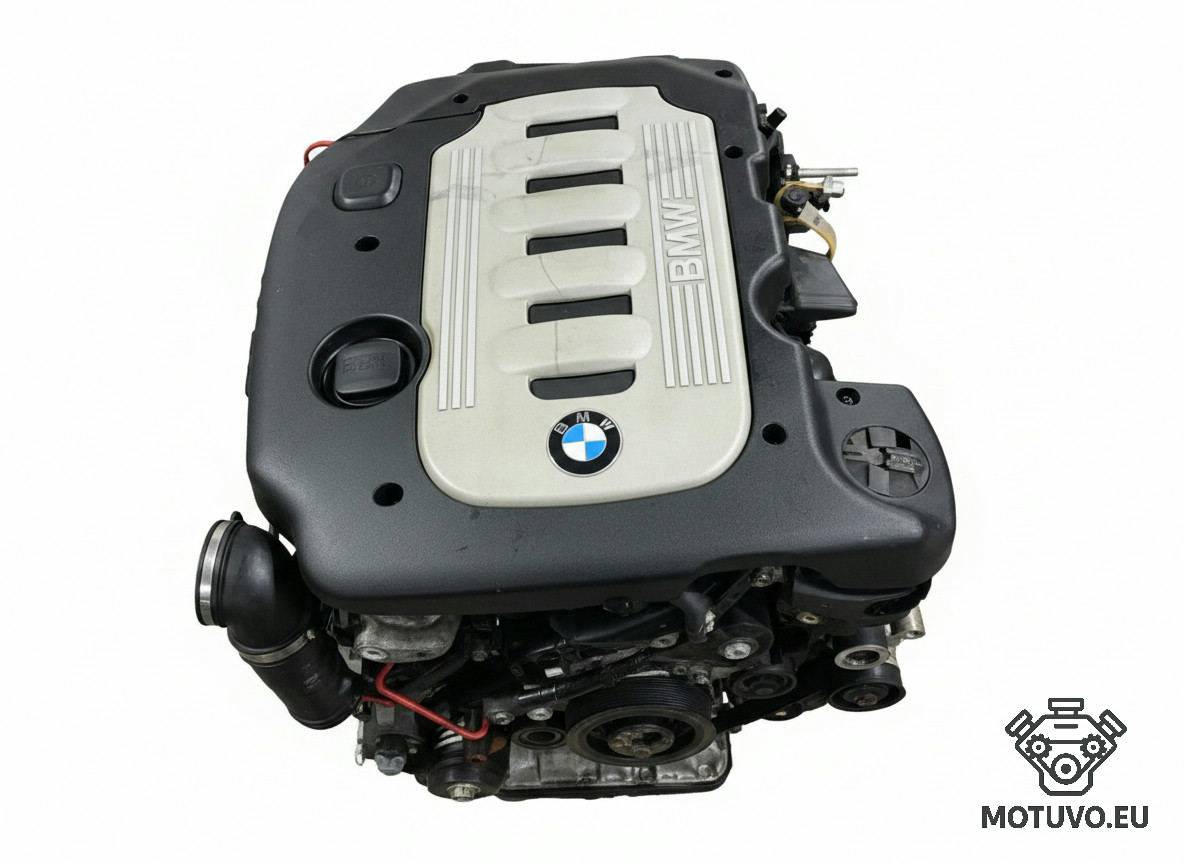
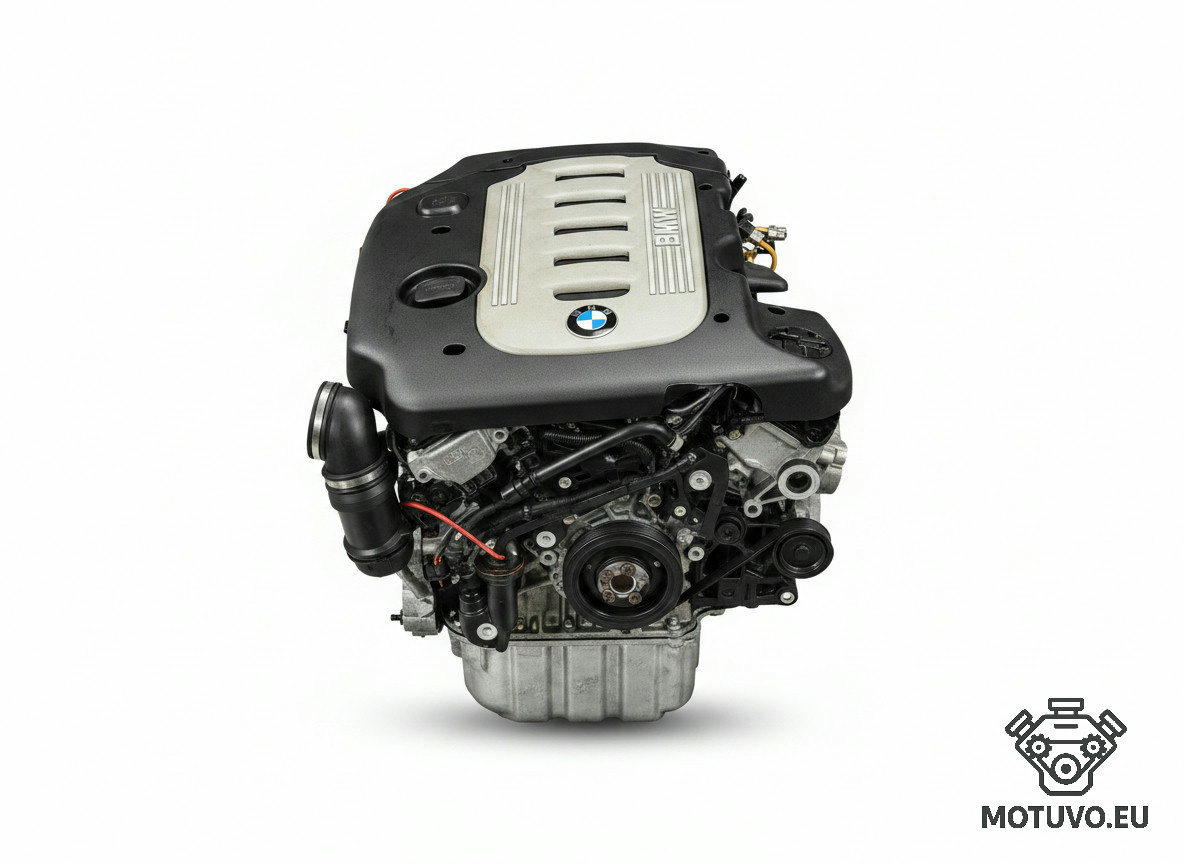
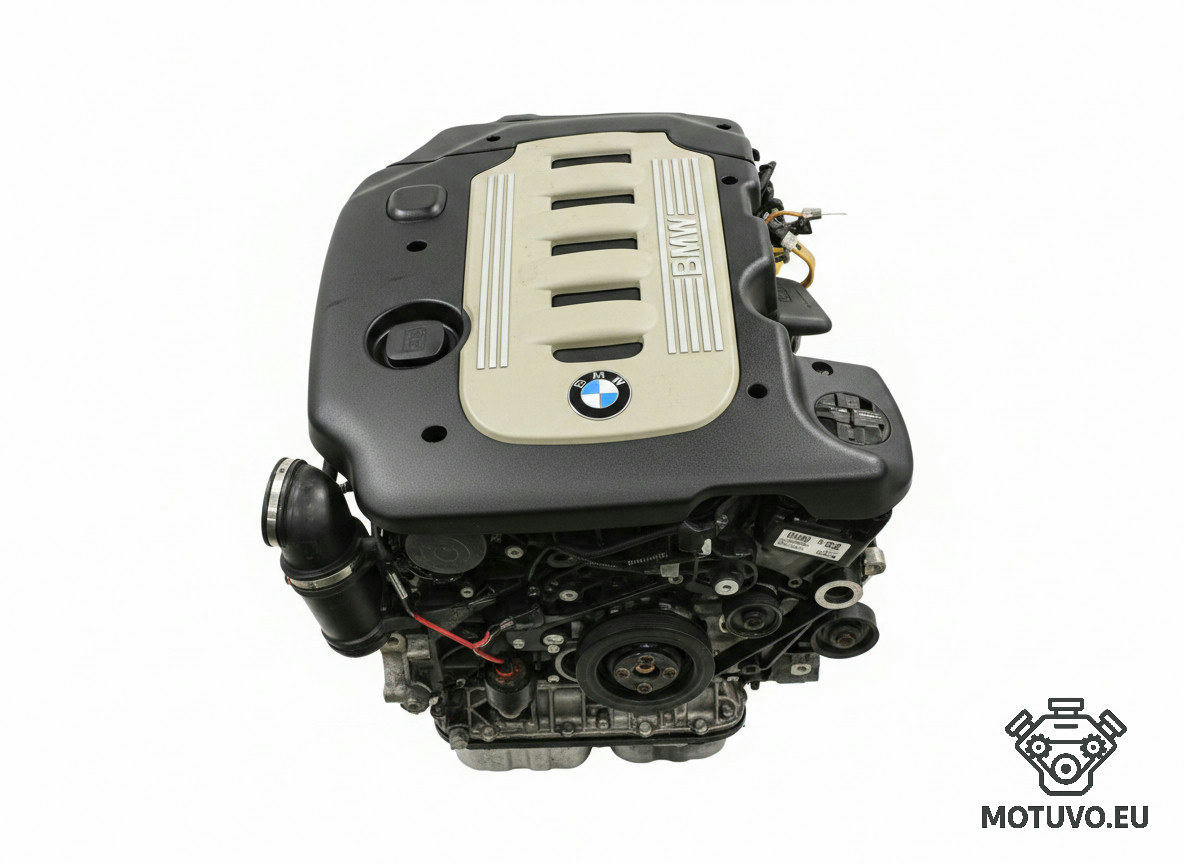
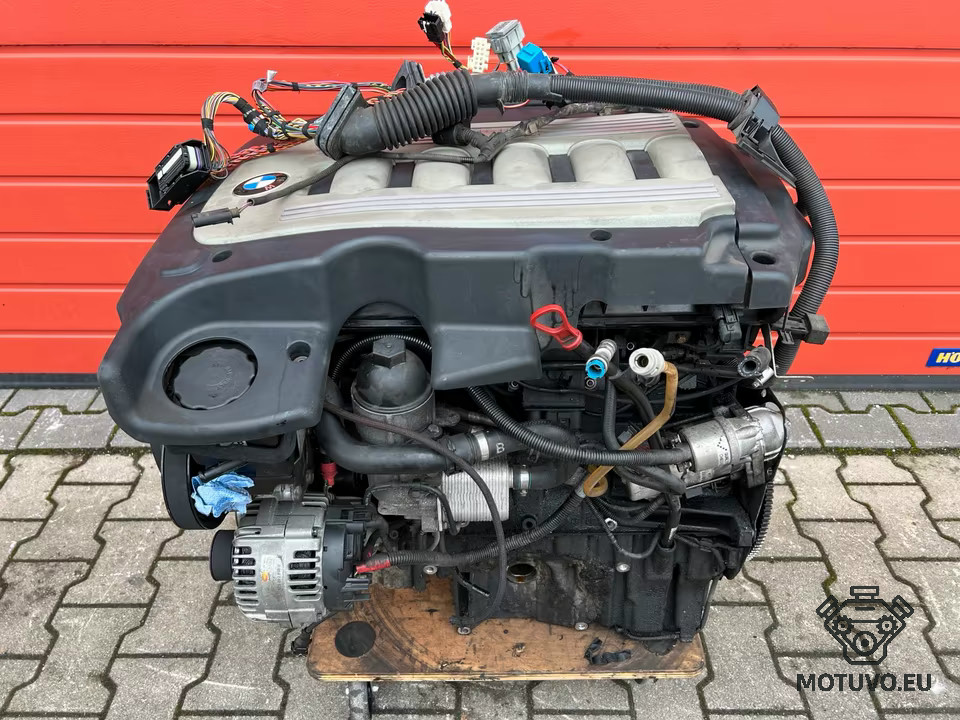
The BMW M57D30 (306D1) is a turbocharged, common-rail diesel engine from BMW’s established M57 family. The Motuvo.eu catalogue identifies this unit as a 3.0-litre diesel rated at 135 kW, equivalent to approximately 184 metric horsepower. Its inline-six layout delivers the smooth operation and strong low-speed pulling power associated with BMW’s six-cylinder diesels.
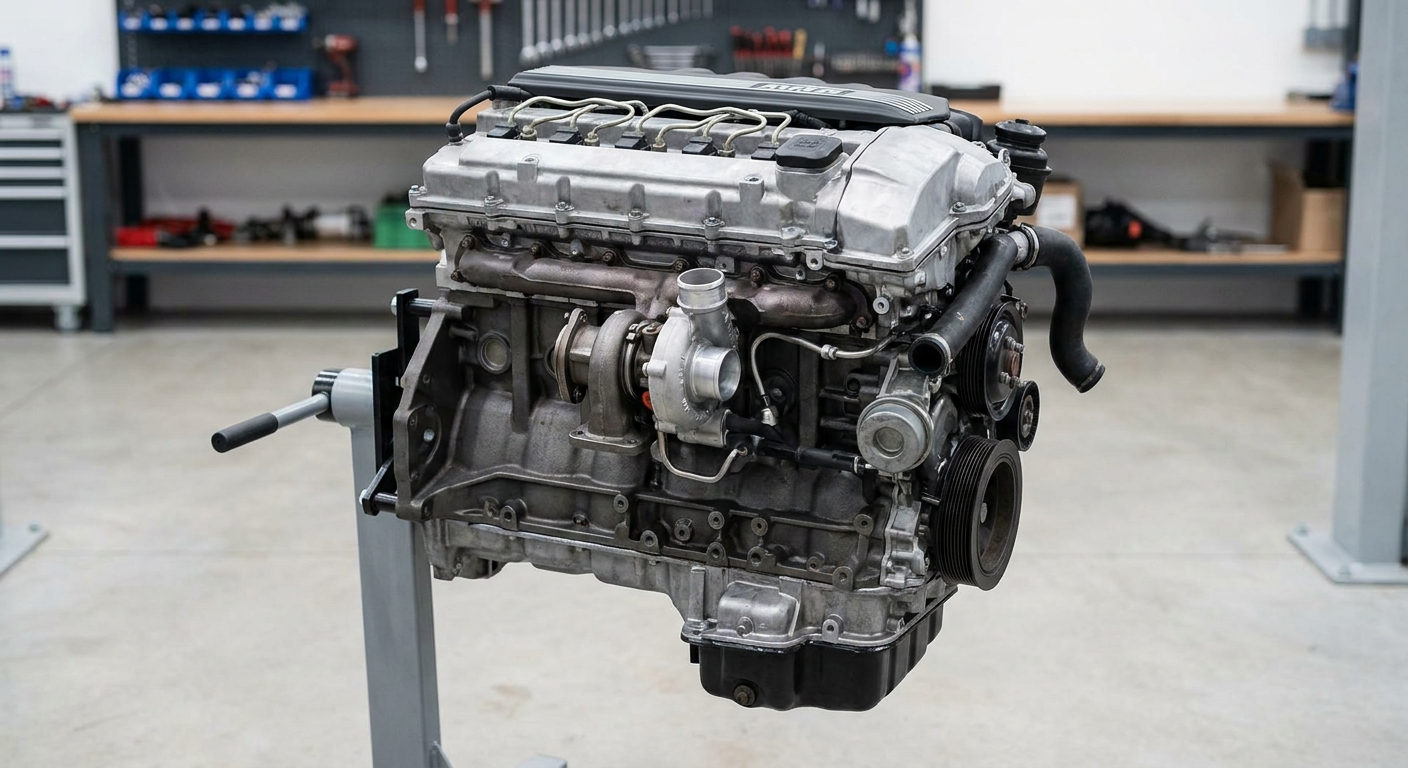
The early 306D1 version has an actual displacement of 2,926 cc, despite its familiar 3.0-litre designation. It uses a cast-iron cylinder block, an aluminium cylinder head and a chain-driven, four-valve-per-cylinder valvetrain. For replacement buyers, these fundamentals are useful background, but the engine identification, installation hardware and electronics matter more than the displacement badge alone.
How Popular and Widely Used Is This Engine?
The M57 family became an important part of BMW’s diesel range, combining direct injection with the refinement of a straight-six configuration. The supplied catalogue places the M57D30 across executive saloons, compact executive models and an SUV: the BMW 5 Series, 3 Series, 7 Series and X5.
This broad application base helps explain the engine’s continuing relevance in the replacement market. There is substantial workshop familiarity with the M57 family, and service parts remain widely available. However, familiarity should not become a reason to skip identification checks: engines from different vehicles can share the same basic architecture while differing in essential external components.
Many surviving examples now have significant age and mileage. A documented service history, credible testing and evidence of correct maintenance are therefore more useful buying criteria than the family’s reputation alone.
Other Part Numbers and Variants
M57D30 is an engine designation rather than a universal ordering number for every complete assembly. 306D1 provides a more specific identifier for the early version discussed here. BMW assembly numbers, component numbers and vehicle-specific specifications should still be checked before purchase.
The wider M57 range includes later technical updates, often described as M57TU and M57TU2, with changes to displacement, injection equipment, turbocharging and engine management. Identifiers such as 306D2 and 306D3 belong to other versions; they should not be treated as automatic substitutes for a 306D1. Even within the early generation, output and installation specifications can differ.
The catalogue also lists other diesel engines, including B57D30B, Mercedes-Benz 642.835 and 642.940, A630, CZZA, D6EA, 306DT and F1CE3481N. These are separate engine families or applications, not alternative M57D30 part numbers. Similar displacement or fuel type does not establish compatibility.
Model Applications Listed in the Catalogue
The supplied catalogue associates this engine designation with the following vehicles:
- BMW 5 Series E39: 530d.
- BMW 3 Series E46: 330d and 330xd.
- BMW 7 Series E38: 730d.
- BMW X5 E53: X5 3.0d.
This list describes the catalogue’s application coverage, not a guarantee that every production year or output version accepts this exact 135 kW assembly. Confirm compatibility using the vehicle identification number, original engine markings, production date and transmission specification.
Pay particular attention to the distinction between rear-wheel-drive and all-wheel-drive installations. The E46 330xd and E53 X5 can require different sump arrangements, mounting hardware and associated installation components from rear-wheel-drive vehicles. A matching core engine may still require the correct vehicle-specific parts to be transferred.
Strong Points of the M57D30
Robust basic construction
The cast-iron block provides a strong foundation for a working diesel engine. With suitable oil, effective cooling and sound injection equipment, the M57 can deliver a long service life. This does not make an untested used unit low-risk, but it supports rebuilding or replacing a worn engine in an otherwise serviceable vehicle.
Smoothness and usable torque
An inline-six layout has inherently favourable mechanical balance. Combined with turbocharging and common-rail injection, it gives the M57D30 smooth running and useful pulling power without requiring high engine speeds. These characteristics suit the catalogue’s mix of saloon and SUV applications.
Established diagnostic knowledge
Experienced BMW diesel specialists are familiar with checking rail pressure, injector correction values, boost control and crankcase ventilation on this family. Proper diagnosis can distinguish an internal engine problem from a faulty injector, boost leak or vacuum-control issue, potentially avoiding an unnecessary replacement.
Weak Points and Common Failures
Intake contamination and swirl-flap concerns
Exhaust gas recirculation deposits can combine with oil mist to restrict the intake tract. Inspect the EGR valve and intake manifold when diagnosing poor response or preparing a replacement. Some M57 intake configurations use swirl flaps whose hardware can deteriorate, with potentially severe consequences if parts enter a cylinder. Check the actual manifold fitted; do not assume every 306D1 installation has identical flap equipment.
Turbocharging and crankcase ventilation
Turbocharger wear, vacuum leaks, control faults and split charge-air hoses can cause low boost, smoke or limp mode. Restricted crankcase ventilation can increase crankcase pressure and contribute to oil leakage or oil carry-over. Excessive oil in the intake requires investigation rather than an immediate assumption that the turbocharger alone is responsible.
Fuel-system deterioration
Worn injectors can cause difficult starting, uneven idle, smoke and excessive return flow. Low rail pressure may also result from supply problems, pressure-control faults or high-pressure pump wear. Injector leak-off testing and live-data assessment should precede major parts replacement. Fuel contamination must be addressed before connecting replacement components.
Cooling, leaks and ageing accessories
Thermostat faults can prevent correct operating temperature, while coolant leaks and overheating threaten the cylinder head and gasket. Inspect seals, hoses, the crankshaft vibration damper, belt tensioners and pulleys. Although the timing chain is not normally a scheduled belt-style replacement item, abnormal chain noise or evidence of poor lubrication warrants investigation.
What to Consider When Replacing It
Establish why the original engine failed before fitting another one. A cooling defect, contaminated fuel system, oil-supply problem or damaged turbocharger can quickly compromise a replacement. If the old engine suffered turbo failure or internal breakage, inspect and clean the relevant intake, lubrication and exhaust paths as required.
- Verify identity: match M57D30 and 306D1 markings with the VIN-based specification and required output.
- Confirm supply scope: establish whether the purchase includes a bare assembly, long block, turbocharger, injectors, manifolds or accessories.
- Check installation parts: compare the sump, oil pickup, brackets, flywheel or flexplate, sensors and wiring connections.
- Plan electronic integration: confirm compatibility with the original diesel control unit and immobiliser system. Coding requirements depend on which components are changed.
- Request condition evidence: ask about donor history, available running tests, compression checks, oil-pressure checks and warranty terms.
For a rebuilt engine, ask what was measured, machined and renewed rather than relying on the description alone. For any replacement, renew accessible service items as appropriate, use fluids meeting the vehicle’s requirements and follow the correct lubrication-priming and cooling-system bleeding procedures. Finish with diagnostic checks, a controlled road test and a leak inspection.
Buy Your M57D30 Engine at Motuvo.eu
If your BMW needs a replacement six-cylinder diesel, explore the M57D30 (306D1) 135 kW engine at Motuvo.eu. Provide your VIN, original engine identification and installation details before ordering so you can confirm compatibility, included components, current availability and warranty conditions. Buy with a clear understanding of the assembly supplied and the work required for a dependable installation.