BMW M54B30A 3.0L Engine: Applications and Replacement Guide
Introduction to the BMW M54B30A Engine
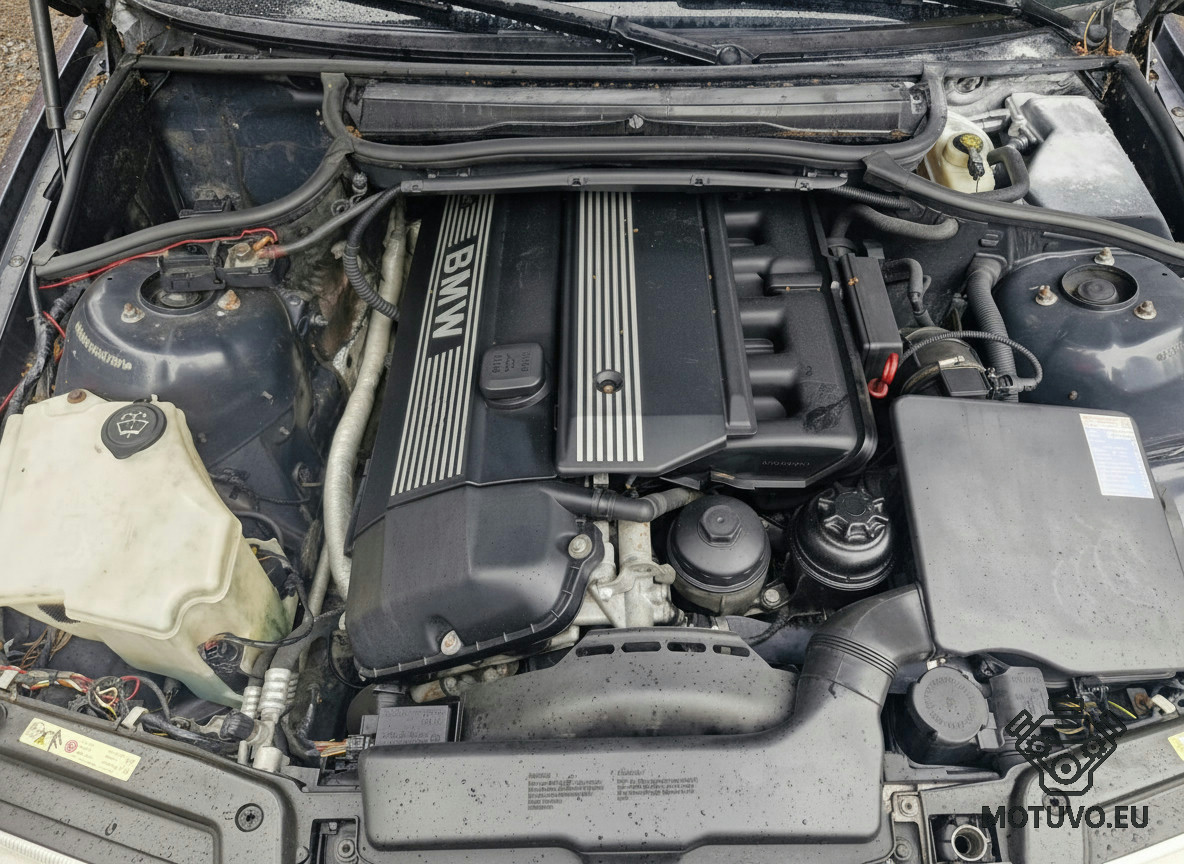
The M54B30A is listed by Motuvo.eu as the BMW M54B30, a 3.0-litre petrol engine producing 170 kW. Part of BMW’s naturally aspirated M54 straight-six family, it combines smooth power delivery with a conventional port-injection system. It is a familiar choice for owners restoring the performance of an older BMW without changing its original engine configuration.
The M54B30 has a displacement of 2,979 cc, an aluminium block with cast-iron cylinder liners, an aluminium cylinder head and four valves per cylinder. Its double overhead camshafts use a chain drive, while BMW’s double VANOS system adjusts both intake and exhaust camshaft timing. An electronically controlled throttle and a variable-length intake system support tractable performance across the rev range.
How Popular and Widely Used Is the M54B30?
The M54B30 was widely used during the early and mid-2000s. The supplied catalogue covers saloons, estates within the relevant model families, coupés, roadsters and SUVs, illustrating the broad role of BMW’s 3.0-litre six-cylinder petrol engine during this period. Its balance of refinement and performance helped make it an important engine in BMW’s range.
For buyers today, this broad installation base means substantial workshop familiarity and established availability of routine service components. However, widespread use does not mean every complete M54B30 assembly is interchangeable. Mountings, sump arrangements, ancillaries and vehicle electronics can differ between installations, particularly when comparing rear-wheel-drive cars with all-wheel-drive vehicles.
Other Part Numbers and Engine Variants
M54B30A is the catalogue identifier for this product; M54B30 is the engine designation supplied with it. Neither identifier should replace a vehicle-specific compatibility check. Confirm the donor engine identification, the recipient vehicle’s VIN and the relevant original equipment references before ordering.
The wider M54 family also includes the smaller M54B22 and M54B25. Although these engines share a basic design, their displacement and internal specifications differ. They should not be treated as equivalent replacements for a 3.0-litre M54B30 merely because they look similar.
The catalogue also lists other 3.0-litre petrol engines, including B58B30M1 and S58B30T0. These belong to different engine generations and are not direct alternatives to the M54B30A. Shared capacity, fuel type or manufacturer does not establish mechanical or electronic interchangeability. No additional interchangeable OEM part numbers are supplied for this listing.
Model Applications Listed in the Catalogue
The supplied catalogue description identifies the following applications. These are catalogue-listed model and year ranges, not a guarantee that every vehicle registered within those dates uses this exact engine assembly. Market specification, production date and VIN must still be checked.
- 2000–2006 BMW E46: 330i, 330xi and 330Ci.
- 2000–2004 BMW E39: 530i.
- 2000–2002 BMW E36/7 Z3: 3.0i.
- 2003–2005 BMW E60: 530i.
- 2002–2005 BMW E85 Z4: 3.0i.
- 2003–2006 BMW E83 X3: 3.0i.
- 2000–2006 BMW E53 X5: 3.0i.
- 2002–2005 BMW E65/E66: 730i and 730Li.
- 2000–2002 Wiesmann: MF 30.
The broader catalogue categories include BMW 3 Series, 5 Series, 7 Series, X3 and X5. The detailed description additionally names the Z3, Z4 and Wiesmann applications above. When sourcing an engine for any of these vehicles, match the installation specification rather than relying on the model badge alone.
Strong Points of the M54B30
Smoothness and Predictable Response
The inline-six layout offers excellent inherent balance. Combined with natural aspiration, it gives the M54B30 progressive throttle response and smooth operation. Double VANOS and the variable intake arrangement help provide useful flexibility without relying on turbocharging.
Relatively Conventional Fuel and Air Systems
Port injection avoids the high-pressure direct-injection equipment used in many later petrol engines. There is also no turbocharger or associated boost-control system. This reduces certain categories of repair work, although the engine still depends on correctly functioning sensors, crankcase ventilation and electronic controls.
Established Repair Knowledge
The M54 family is well understood by BMW specialists. Common oil leaks, intake leaks and variable valve timing complaints have established diagnostic approaches. A sound, properly maintained engine can remain serviceable for high mileages, but present condition and maintenance history are more meaningful than any general reputation for durability.
Weak Points and Common Failures
Cooling-System Ageing and Overheating
Age-related deterioration of expansion tanks, hoses, thermostats, radiators and water pumps is an important concern in M54-equipped vehicles. The exact cooling arrangement varies by application. Coolant loss or poor circulation can lead to overheating, potentially damaging the cylinder head, head gasket or block threads. Any replacement engine with an overheating history deserves careful inspection.
Oil Leaks and Oil Consumption
Valve-cover gaskets and oil-filter-housing gaskets are familiar leak points. The cover itself should also be inspected for cracks or distortion. Oil consumption can arise from crankcase ventilation faults, valve stem sealing problems or piston-ring issues. External leakage and internal oil burning need separate diagnosis; replacing a gasket will not resolve worn or stuck oil-control rings.
Crankcase Ventilation and Intake Leaks
The crankcase ventilation system can develop blocked passages, failed diaphragms or brittle hoses. Symptoms may include excessive oil consumption, whistling, unstable idle and abnormal crankcase vacuum. Split intake boots and other unmetered-air leaks can also trigger lean mixture faults. Smoke testing is often more useful than replacing sensors speculatively.
DISA and VANOS Wear
The DISA intake adjustment unit can suffer flap, linkage or seal deterioration, causing rattles, air leaks or reduced mid-range performance. Inspect its mechanical integrity as well as its operation. Worn VANOS seals can reduce effective camshaft adjustment, contributing to weaker low-speed response. Fault codes, live data and mechanical checks should guide repairs.
What to Consider When Replacing the M54B30A
First establish why the original engine failed. A replacement will remain at risk if the vehicle still has a cooling fault, lubrication problem or another unresolved cause of damage. Inspect the supporting systems before installation rather than treating an engine change as a complete repair by itself.
- Confirm compatibility: compare VIN, engine identification, production date, drivetrain and relevant parts references.
- Check installation hardware: verify the sump, oil pickup, mounting brackets, accessory drives, intake and exhaust interfaces.
- Clarify supply scope: establish whether the purchase includes a bare engine, long block or ancillaries. Do not assume pictured components are included.
- Review condition evidence: request available compression or leak-down results, running-test information and maintenance history.
- Check electronics: confirm sensor compatibility and whether original management components will be retained. Replacement control units can require coding and immobiliser alignment.
- Read purchase terms: confirm warranty coverage, installation requirements, delivery arrangements and any exchange-engine conditions.
While access is good, inspect seals, ventilation hoses and cooling components, replacing defective items as necessary. Follow the applicable BMW procedures for lubrication, coolant filling and bleeding, tightening sequences and initial start-up. After installation, check fault codes, leaks, coolant temperature and fuel-trim behaviour before returning the vehicle to normal use.
Buy the M54B30A Engine at Motuvo.eu
For a correctly matched replacement, explore the M54B30A 170 kW engine at Motuvo.eu. Provide your VIN and existing engine details to confirm suitability, then check current availability, supplied components and purchase terms before ordering your BMW 3.0-litre petrol engine.