
How Often Should You Change Engine Oil? Why 10,000 km Is the Safe Interval
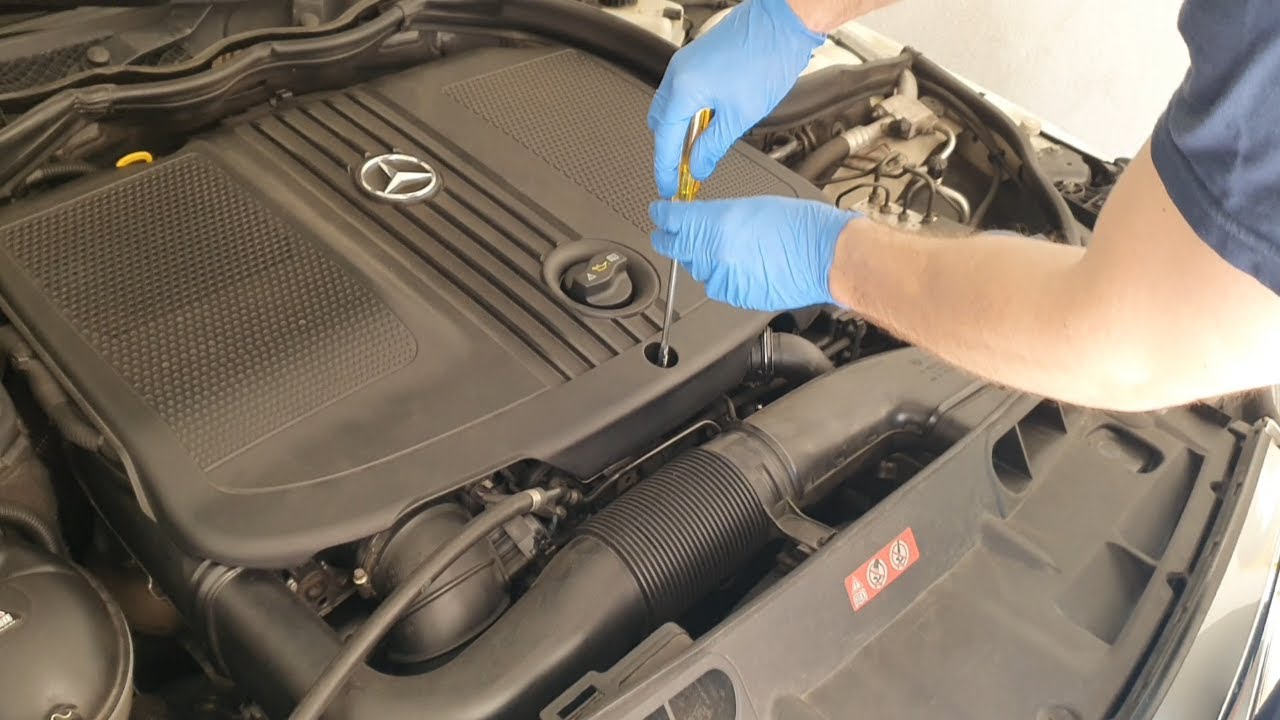
One of the most common questions car owners ask is: how often should I change my engine oil? If you check your vehicle's owner manual, you might find recommendations ranging from 15,000 km to 30,000 km between oil changes. Some modern vehicles even suggest intervals of up to 30,000 km with long-life synthetic oils. But is following the manufacturer's extended oil change interval really the best strategy for engine longevity?
Why Manufacturers Recommend Longer Oil Change Intervals
Car manufacturers have been steadily increasing recommended oil change intervals over the past two decades. There are several reasons for this trend:
- Marketing advantage — longer service intervals mean lower advertised maintenance costs, making vehicles more attractive to buyers
- Environmental regulations — less frequent oil changes mean less waste oil to dispose of
- Improved synthetic oils — modern full-synthetic engine oils are engineered to last longer than conventional oils
While these are valid points, they don't tell the whole story. Manufacturers design these intervals for ideal driving conditions — consistent highway speeds, moderate temperatures, and clean air. Real-world driving is rarely this kind to your engine.
The Reality: Why 10,000 km Oil Change Interval Is Better for Your Engine
Experienced mechanics and engine specialists — including our team at Motuvo.eu, who inspect hundreds of engines every year — consistently observe that engines maintained with 10,000 km oil change intervals last significantly longer than those serviced at 20,000 or 30,000 km intervals.
Here's why a shorter oil change interval makes a real difference:
1. Oil Degrades Faster Than You Think
Engine oil doesn't just lubricate — it also cleans, cools, and protects internal components. Over time, oil breaks down due to heat, oxidation, and contamination from combustion byproducts. By 15,000 km, even high-quality synthetic oil has lost a significant portion of its protective additives. By 25,000–30,000 km, the oil may be doing more harm than good — it becomes acidic and abrasive, accelerating wear on bearings, piston rings, and camshafts.
2. The Oil Filter Has Limits
The oil filter captures metal particles, carbon deposits, and other contaminants. But every filter has a finite capacity. When the filter becomes saturated — which can happen well before the manufacturer's recommended interval — dirty oil bypasses the filter entirely through a pressure relief valve, circulating unfiltered throughout the engine. Changing the oil filter every 10,000 km ensures it's always functioning properly.
3. Short Trips and City Driving Are Engine Killers
If you primarily drive in the city — short trips, frequent stops, cold starts — your engine operates under what's called severe driving conditions. In this scenario, moisture and fuel contaminate the oil much faster. Even manufacturers who recommend 30,000 km intervals typically include a footnote suggesting half that interval for severe conditions. The reality is that most daily driving qualifies as "severe."
4. Turbo Engines Need Extra Care
Modern turbocharged engines — found in most European cars today — put significantly more stress on engine oil. The turbocharger operates at extremely high temperatures and RPMs, accelerating oil degradation. For turbocharged engines, a 10,000 km oil change schedule isn't just recommended — it's essential for preventing expensive turbo and engine failures.
What We See in Engines at Motuvo.eu
At Motuvo.eu, we deal with hundreds of used and rebuilt engines every year. The difference between well-maintained and poorly maintained engines is striking:
- Engines with regular 10,000 km oil changes — clean internals, minimal sludge, good compression, often lasting 300,000+ km
- Engines with 25,000–30,000 km oil changes — heavy carbon deposits, sludge buildup in oil galleries, premature wear on bearings and timing chain components, often failing between 150,000–200,000 km
The cost of an oil change every 10,000 km is approximately €50–80. The cost of a replacement engine due to oil-related failure? Thousands of euros. The math is simple.
The Ideal Engine Maintenance Schedule
Based on our experience working with engines from BMW, Mercedes, Volkswagen, Audi, and dozens of other manufacturers, here is our recommended engine maintenance schedule:
- Engine oil and oil filter change — every 10,000 km or once a year, whichever comes first
- Air filter replacement — every 20,000 km
- Coolant check and top-up — every oil change; full replacement every 3–5 years
- Timing belt/chain inspection — according to manufacturer specification, but don't delay
- Spark plug replacement (petrol engines) — every 30,000–60,000 km depending on type
Choose the Right Oil for Your Engine
Using the correct engine oil specification is just as important as changing it regularly. Always use the oil grade specified by your vehicle manufacturer (e.g., 5W-30, 5W-40, 0W-20). Using the wrong viscosity can lead to poor lubrication, increased fuel consumption, and accelerated engine wear. When in doubt, consult a professional.
Conclusion: Don't Trust the Long Interval — Protect Your Engine
While modern synthetic oils and engineering have improved engine durability, the best insurance for a long-lasting engine is still regular maintenance. Change your engine oil and oil filter every 10,000 km, use the correct oil specification, and your engine will reward you with hundreds of thousands of trouble-free kilometres.
If your engine has already suffered from poor maintenance, Motuvo.eu offers a wide selection of quality used and rebuilt engines with warranty coverage. Browse our engine catalogue or contact our team for expert advice.