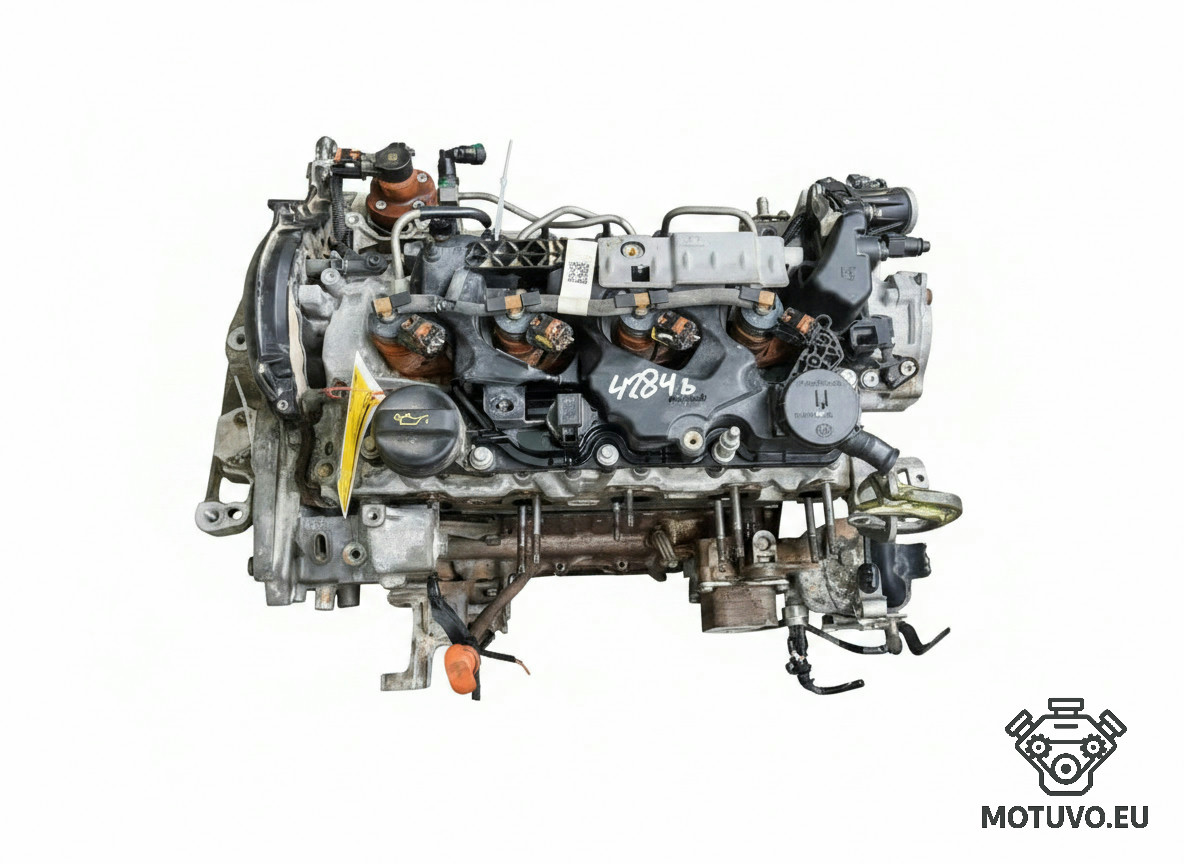
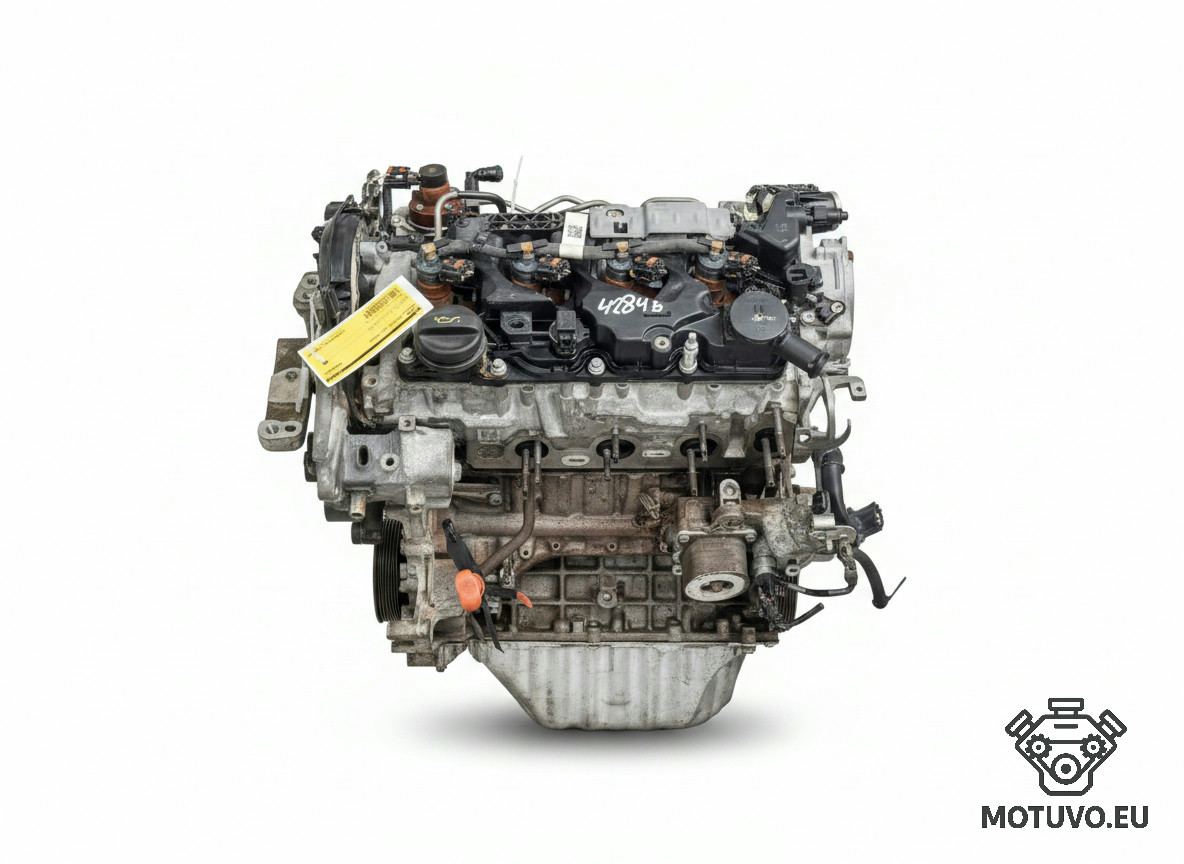
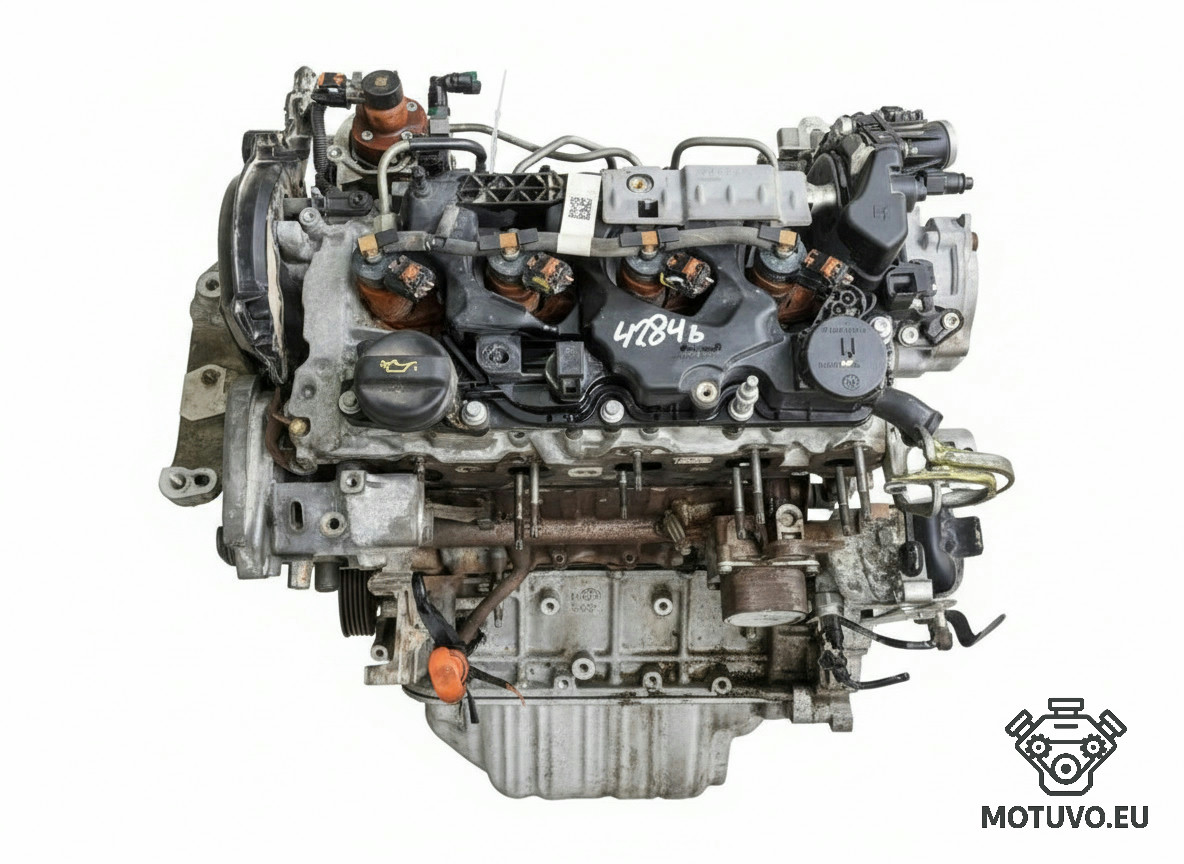
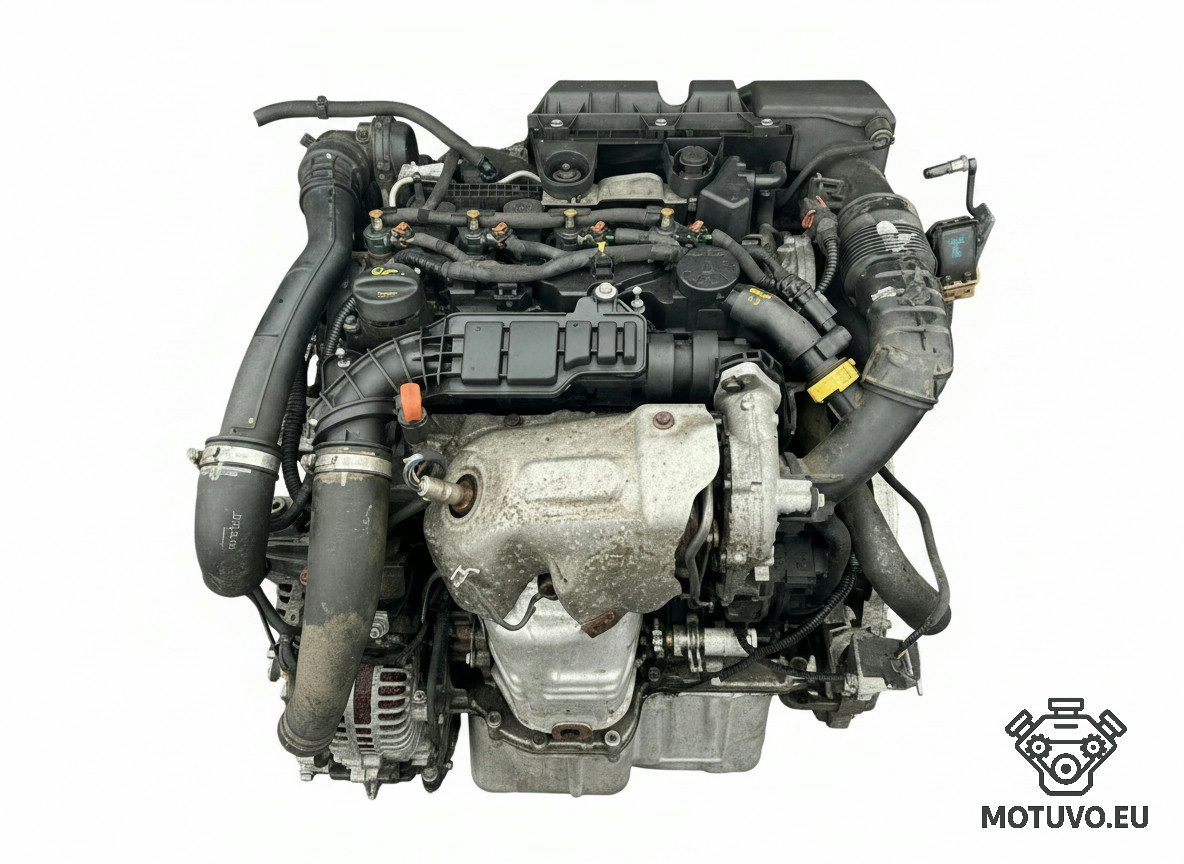
DV5RC Engine Guide – 1.5 BlueHDi 130, Applications, 7 mm vs 8 mm Chain, Problems and Replacement Engines
DV5RC Engine Guide – 1.5 BlueHDi 130, Applications, 7 mm vs 8 mm Chain, Problems and Replacement Engines
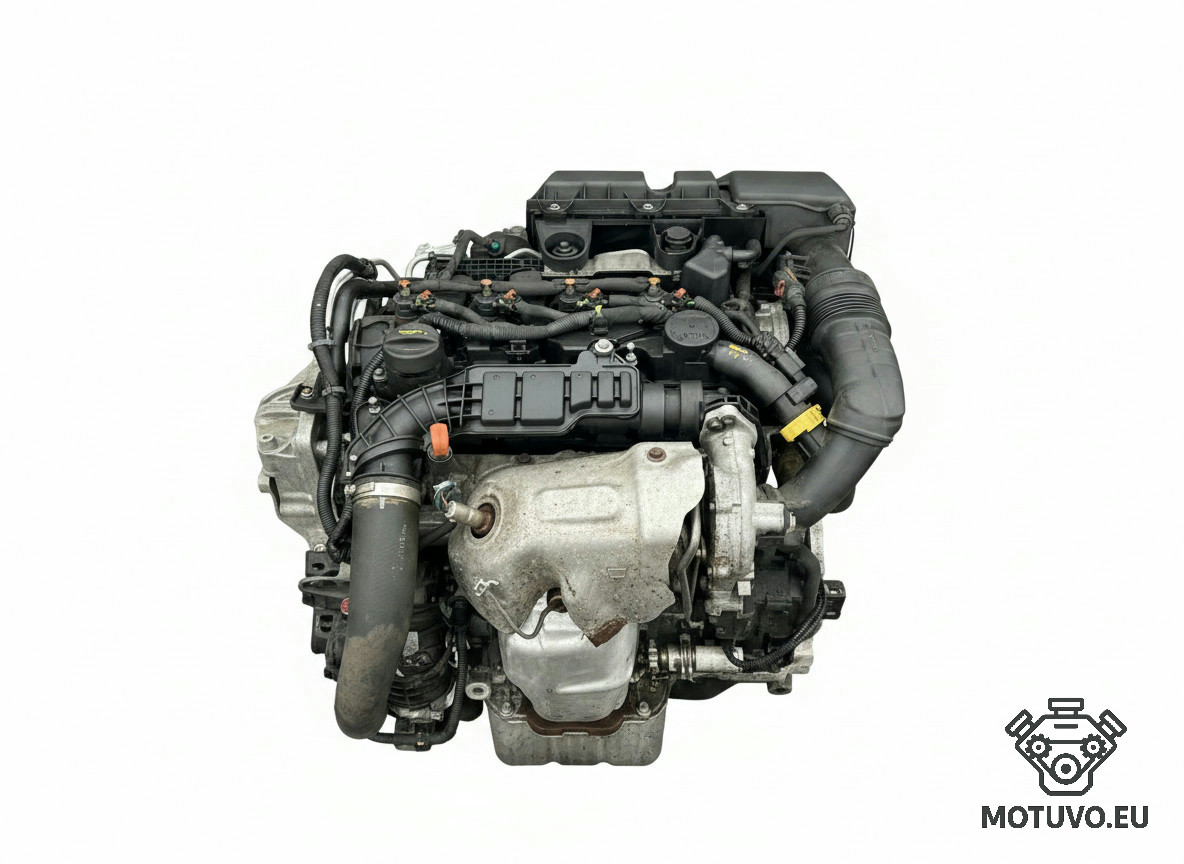
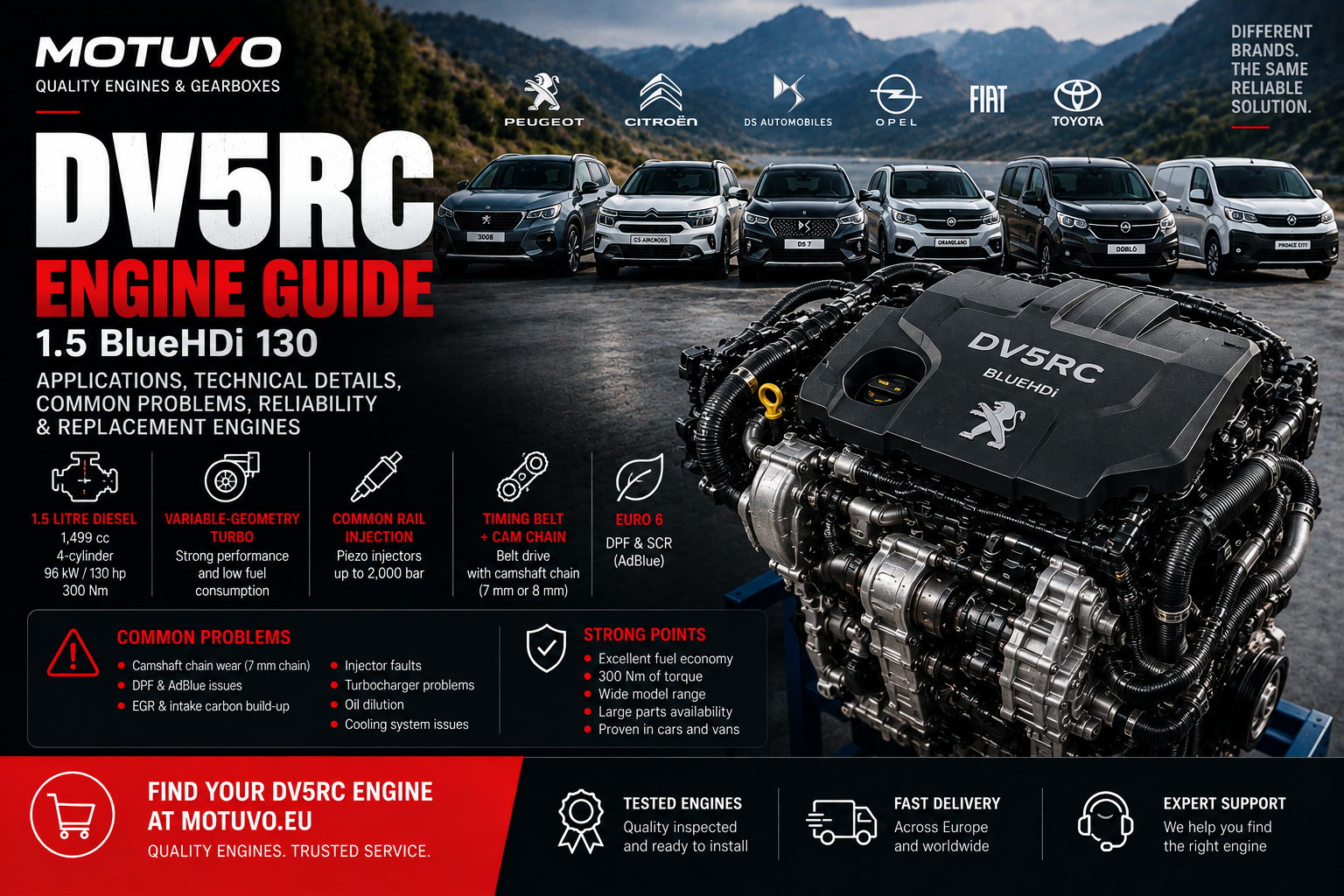
The DV5RC is the 130 hp version of Stellantis' widely used 1.5-litre BlueHDi diesel engine. It was introduced by PSA around 2017 as part of the newer DV5 diesel family and gradually replaced many applications of the older 1.6 HDi / BlueHDi DV6 engine.
The engine is most commonly identified as:
- DV5RC
- YHZ in many PSA vehicle applications
- YHP in selected applications and catalogues
- 1.5 BlueHDi 130
- 96 kW / 130–131 hp
- D15DTH in certain Opel / Vauxhall applications
The DV5RC became extremely popular because it was installed across a large number of Peugeot, Citroën, DS, Opel/Vauxhall, Fiat and Toyota vehicles.
Typical applications include:
- Peugeot 308
- Peugeot 2008
- Peugeot 3008
- Peugeot 5008
- Peugeot 508
- Peugeot Partner
- Peugeot Rifter
- Citroën Berlingo
- Citroën C4 and C4 X
- Citroën C4 SpaceTourer
- Citroën C5 Aircross
- DS 3 Crossback
- DS 4
- DS 7
- Opel / Vauxhall Grandland
- Opel / Vauxhall Combo
- Selected Opel Astra applications
- Fiat Doblò
- Toyota Proace City
The DV5RC combines excellent fuel economy and strong low-rpm torque with a compact aluminium engine design, high-pressure common-rail injection, variable-geometry turbocharging, DPF and SCR/AdBlue emissions treatment.
However, it has also become known for one particularly important issue: premature wear and possible failure of the small chain connecting the two camshafts.
Early engines used a narrow camshaft chain, commonly referred to as the 7 mm chain. Later repair specifications use a stronger 8 mm chain together with the appropriate revised camshaft components.
For anyone buying a used or replacement DV5RC, confirming which timing-chain version is fitted is now one of the most important checks.
This guide explains the DV5RC specifications, model applications, timing system, 7 mm versus 8 mm chain, common problems, strong points, compatibility and what to check before buying a replacement engine.
DV5RC Engine Specifications
| Manufacturer | PSA / Stellantis |
|---|---|
| Engine family | DV5 |
| Engine code | DV5RC |
| Common PSA code | YHZ / selected YHP applications |
| Opel designation | D15DTH in applicable vehicles |
| Commercial name | 1.5 BlueHDi 130 |
| Fuel | Diesel |
| Configuration | Inline four-cylinder |
| Displacement | 1,499 cc |
| Bore | 75 mm |
| Stroke | 84.8 mm |
| Valves | 16 |
| Camshafts | DOHC |
| Fuel system | High-pressure common-rail direct injection |
| Injection pressure | Up to approximately 2,000 bar on earlier versions; later DV5 systems can use higher pressure |
| Turbocharger | Single variable-geometry turbocharger |
| Maximum power | 96 kW / approximately 130–131 hp |
| Maximum torque | Approximately 300 Nm at 1,750 rpm |
| Primary timing drive | Timing belt |
| Camshaft synchronization | Short chain between the two camshafts |
| Emissions equipment | EGR, DPF, SCR and AdBlue |
| Installation | Transverse |
DV5RC, YHZ and BlueHDi 130 – What Do the Codes Mean?
Replacement-engine listings can be confusing because the same engine can be described in several different ways.
A customer may ask for:
- DV5RC
- YHZ
- 1.5 BlueHDi 130
- 1.5 HDi 130
- 96 kW 1.5 diesel
- D15DTH
These descriptions can refer to closely related versions of the same 1.5-litre Stellantis diesel architecture, but the complete engine specification still needs to be checked.
For example, Peugeot technical documentation identifies the 1.5 BlueHDi 130 as DV5RC and vehicle model codes containing YHZ.
On Opel vehicles, closely related versions can appear as D15DTH.
A seller should therefore never identify a replacement using only the words:
"1.5 diesel"
because the DV5 family also includes several lower-output and commercial-vehicle versions.
DV5RC vs Other DV5 Engine Codes
The DV5 family includes several closely related engines.
| Engine | Typical output | Typical description |
|---|---|---|
| DV5RE | Approximately 55 kW / 75 hp | Lower-output 1.5 BlueHDi |
| DV5RD | Approximately 75 kW / 100–102 hp | BlueHDi 100 |
| DV5RCE | Approximately 81 kW / 110 hp | Later BlueHDi 110 |
| DV5RUC | Approximately 88 kW / 120 hp | Commercial-vehicle specification |
| DV5RC | 96 kW / 130–131 hp | BlueHDi 130 |
Although these engines belong to the same family, they should not automatically be treated as interchangeable.
Differences can include:
- Turbocharger
- Injectors
- ECU calibration
- Fuel system
- Intake system
- Exhaust after-treatment
- Engine wiring
- Transmission equipment
Peugeot DV5RC Applications
Peugeot is one of the largest users of the DV5RC.
Peugeot 308
Applications include selected:
- Peugeot 308 II 1.5 BlueHDi 130
- Peugeot 308 SW II 1.5 BlueHDi 130
- Peugeot 308 III BlueHDi 130
- Peugeot 308 SW III BlueHDi 130
The DV5RC first appeared in the second-generation 308 during the later years of production and continued into the third generation.
Peugeot 2008
The second-generation Peugeot 2008 has been available with the 1.5 BlueHDi 130 in selected markets.
This is one of the lighter applications of the engine and benefits from its strong 300 Nm torque output.
Peugeot 3008
The Peugeot 3008 II is one of the most common DV5RC applications.
Versions include:
- 1.5 BlueHDi 130 with six-speed manual gearbox
- 1.5 BlueHDi 130 with EAT8 automatic gearbox
Peugeot documentation identifies both versions as DV5RC.
Peugeot 5008
The seven-seat Peugeot 5008 II also uses the DV5RC.
Typical specification:
- 1,499 cc
- 96 kW
- 130 hp
- 300 Nm
- Manual or EAT8 depending on production year
Peugeot 508
The Peugeot 508 II and 508 SW II use the DV5RC in BlueHDi 130 form.
Available combinations include:
- Six-speed manual transmission
- EAT8 eight-speed automatic transmission
Peugeot Partner and Rifter
The K9-generation Partner and Rifter are important replacement-engine applications.
Selected versions use:
- DV5RC
- YHZ / YHP identification
- 96 kW / 130 hp
- Front-wheel drive
- Selected converted 4x4 applications
Citroën DV5RC Applications
Citroën uses the same DV5 architecture extensively.
Common DV5RC applications include:
- Citroën Berlingo III 1.5 BlueHDi 130
- Citroën C4 SpaceTourer 1.5 BlueHDi 130
- Citroën Grand C4 SpaceTourer 1.5 BlueHDi 130
- Citroën C5 Aircross 1.5 BlueHDi 130
- Citroën C4 III BlueHDi 130
- Citroën C4 X BlueHDi 130
A Citroën DV5RC can sometimes provide a compatible replacement engine for a Peugeot application because the underlying engine architecture is shared.
However, compatibility should still be checked using the VIN and original part numbers.
DS DV5RC Applications
The 130 hp DV5 also appears throughout the DS range.
Important applications include:
- DS 3 Crossback 1.5 BlueHDi 130
- DS 4 BlueHDi 130
- DS 7 Crossback 1.5 BlueHDi 130
- DS 7 BlueHDi 130
Later DS vehicles continue to use the 96 kW version in selected markets.
Opel / Vauxhall DV5RC – D15DTH
After PSA acquired Opel/Vauxhall, the 1.5-litre PSA diesel was introduced into a number of Opel vehicles.
The 96 kW / 130 hp version may be identified using Opel's designation:
D15DTH
Applications include selected:
- Opel Grandland X
- Opel Grandland
- Vauxhall Grandland X
- Vauxhall Grandland
- Opel Combo E
- Vauxhall Combo
- Selected later Astra applications
The Grandland 1.5 diesel produces approximately:
- 96 kW / 130 hp
- 300 Nm at approximately 1,750 rpm
A D15DTH can be mechanically closely related to DV5RC, but a complete Opel engine should still not automatically be treated as plug-and-play in a Peugeot.
Brand-specific external components, wiring and emissions hardware may need to be transferred.
Fiat Doblò DV5RC
After Stellantis expanded the shared K9 commercial-vehicle platform, the latest Fiat Doblò also received the 1.5 BlueHDi diesel.
The higher-output version produces:
- 96 kW
- 130 hp
- 300 Nm
It is available with both manual and eight-speed automatic transmission depending on specification.
A Doblò engine can therefore be a potential replacement-engine donor for another K9-platform vehicle, but the exact engine code and external equipment must still be confirmed.
Toyota Proace City 1.5 130
Toyota's Proace City shares its platform and diesel powertrain architecture with Stellantis compact vans.
The 1.5 130 diesel version produces:
- 1,499 cc
- 96 kW / approximately 130–131 hp
- 300 Nm
- Common-rail direct injection
It can therefore be closely related mechanically to the DV5RC used in the Partner, Rifter, Berlingo and Doblò.
However, Toyota may use its own documentation and identifiers, so donor compatibility should always be established using the VIN and physical engine specification.
DV5RC Application Summary
| Brand | Common models | Typical designation |
|---|---|---|
| Peugeot | 308, 2008, 3008, 5008, 508, Partner, Rifter | 1.5 BlueHDi 130 / DV5RC / YHZ |
| Citroën | Berlingo, C4, C4 X, C4 SpaceTourer, C5 Aircross | 1.5 BlueHDi 130 / DV5RC / YHZ |
| DS | DS 3 Crossback, DS 4, DS 7 | BlueHDi 130 |
| Opel / Vauxhall | Grandland, Combo, selected Astra applications | 1.5 Diesel 130 / D15DTH |
| Fiat | Doblò | 1.5 BlueHDi 130 |
| Toyota | Proace City | 1.5 D-4D / diesel 130 |
The DV5RC Uses Both a Timing Belt and a Camshaft Chain
This is probably the most misunderstood technical detail of the DV5RC.
The engine does not use only a conventional timing chain.
Its timing system has two important parts:
- A primary toothed timing belt
- A short chain connecting the two overhead camshafts
The belt and chain therefore perform different jobs.
This distinction is extremely important because the well-known Stellantis campaign concerns the camshaft chain, not simply the primary timing belt.
The 7 mm Camshaft-Chain Problem
Earlier generations of the DV5 1.5 BlueHDi use a relatively narrow camshaft chain.
This chain can suffer premature wear.
As wear increases, the chain can:
- Stretch
- Rattle
- Wear the guides and tensioning system
- Lose correct camshaft synchronization
- Eventually break
Stellantis has officially recognised premature camshaft-chain wear on certain 1.5 BlueHDi engines.
The manufacturer's affected production period broadly covers earlier engines manufactured between:
October 2017 and January 2023
Vehicle eligibility should always be confirmed using the VIN because recall campaigns are managed vehicle by vehicle.
What Causes DV5 Camshaft-Chain Wear?
Stellantis states that engine-oil quality plays an important role.
Soot can accumulate in the engine oil over time.
This contamination acts as an abrasive and can accelerate chain wear.
Factors that may increase risk include:
- Extended oil-change intervals
- Incorrect oil specification
- Heavy urban use
- Repeated short journeys
- Excessive soot accumulation
- Interrupted DPF regeneration
- Oil dilution with diesel
This is why correct servicing is especially important on the DV5RC.
Symptoms of DV5RC Camshaft-Chain Wear
Possible symptoms include:
- Metallic rattling from the top of the engine
- Rattle during cold start
- Unusual vibration
- Camshaft synchronization faults
- Engine warning light
- Poor running
- Sudden engine shutdown in severe cases
A new metallic rattle should never be ignored.
The vehicle should be inspected before continued driving causes chain breakage.
What Happens if the DV5 Camshaft Chain Breaks?
A broken chain allows the two camshafts to lose synchronization.
Depending on engine speed when failure occurs, damage can include:
- Bent valves
- Broken rocker components
- Camshaft damage
- Cylinder-head damage
- Piston contact
- Loss of compression
- Complete engine failure
In serious cases, replacing the complete engine can become more economical than repairing the original cylinder head.
The Upgraded 8 mm Camshaft Chain
The improved repair solution uses a stronger 8 mm camshaft chain together with compatible revised components.
Under the Stellantis recall procedure, affected engines are checked for chain condition.
Where excessive wear is detected, the repair can involve installing the upgraded chain specification.
When buying a replacement DV5RC, one of the best questions you can ask is:
"Does this engine have the original early chain or has the upgraded 8 mm system been installed?"
Documented installation of the revised chain can significantly improve the attractiveness of a used engine.
Stellantis Recall and Extended Coverage
Stellantis introduced additional support for earlier 1.5 BlueHDi engines because of the camshaft-chain issue.
In Europe, qualifying vehicles may receive special coverage for up to:
- 10 years
- 240,000 km
subject to the manufacturer's eligibility and maintenance conditions.
Owners should check the vehicle VIN directly with the relevant Peugeot, Citroën, DS, Opel/Vauxhall or Fiat network because recall rollout and eligibility can vary.
Primary Timing-Belt Maintenance
The short camshaft chain gets most of the attention, but the engine also has a conventional serviceable timing-belt drive.
The belt should not be forgotten simply because the engine has a chain inside the cylinder head.
For many DV5 applications, aftermarket technical data lists a timing-belt interval around:
- 10 years
- approximately 180,000 km
but the exact maintenance interval should always be checked against the VIN and current manufacturer schedule.
When replacing the timing belt, inspect or replace the associated:
- Tensioner
- Idlers
- Water pump where specified
- Seals and related hardware
Other Common DV5RC Problems
1. AdBlue / SCR System Problems
Like other modern BlueHDi engines, the DV5RC uses SCR technology with AdBlue.
Possible failure areas include:
- AdBlue pump
- AdBlue tank module
- AdBlue injector
- NOx sensors
- Heated lines
- Level and quality sensors
- SCR catalyst
Symptoms can include:
- UREA warning
- Emissions-system warning
- Check-engine light
- AdBlue countdown
- Eventually a no-start countdown if the fault is not repaired
AdBlue crystallisation around the injector and pipework should also be checked.
2. DPF Problems
The DV5RC uses a diesel particulate filter.
DPF problems are more likely when the vehicle is used almost entirely for:
- Short journeys
- Urban driving
- Low engine load
- Frequent cold starts
Symptoms include:
- Frequent regeneration
- Loss of performance
- DPF warning
- Higher fuel consumption
- Cooling fan operating after shutdown
- Rising engine-oil level
A blocked DPF should not automatically be replaced without determining why regeneration is failing.
3. Diesel Dilution of Engine Oil
Repeated interrupted DPF regenerations can introduce diesel fuel into the engine oil.
Possible signs include:
- Engine-oil level rising
- Strong diesel smell in the oil
- Oil becoming unusually thin
This is particularly important on the DV5 because correct lubrication is critical to the camshaft-chain system.
4. EGR Problems
The EGR system can accumulate soot.
Possible symptoms include:
- Engine warning light
- Reduced power
- Uneven acceleration
- Rough idle
- Increased fuel consumption
- EGR flow faults
The EGR valve, EGR cooler and intake tract should normally be considered together.
5. Intake Carbon Deposits
EGR soot combines with crankcase oil vapour and creates deposits in:
- Intake manifold
- Intake ports
- MAP sensor
- Air-control components
Heavy contamination can restrict airflow and create misleading turbocharger or EGR faults.
6. Fuel-Injector Problems
The DV5RC uses a sophisticated high-pressure common-rail system.
Earlier versions operate at pressures up to approximately 2,000 bar.
Possible injector symptoms include:
- Hard starting
- Rough idle
- Diesel knock
- White or grey smoke
- Excessive injector correction values
- DPF regeneration problems
Injector condition should be checked before a poorly running engine is assumed to have low compression.
7. High-Pressure Fuel-Pump Problems
Fuel quality and regular fuel-filter replacement are important to the high-pressure system.
Possible symptoms include:
- Long cranking
- No-start condition
- Rail-pressure faults
- Power loss under load
- Limp mode
Before replacing the pump, workshops should check low-pressure supply, injector leak-off and actual rail pressure.
8. Turbocharger Problems
The DV5RC uses a single variable-geometry turbocharger.
Potential issues include:
- Variable-vane sticking
- Actuator problems
- Bearing wear
- Oil-feed restriction
- Boost leaks
- Excessive DPF backpressure
Symptoms include:
- Underboost
- Overboost
- Loss of power
- Whistling
- Blue smoke
- Black smoke
- Oil consumption
DPF condition and engine lubrication should be checked before installing a replacement turbocharger.
9. NOx Sensor Problems
The SCR system depends on accurate NOx-sensor feedback.
A failed NOx sensor may cause:
- AdBlue faults
- Emissions warnings
- SCR-efficiency codes
- No-start countdown warnings
Diagnostic testing is important because replacing the complete AdBlue tank will not repair a faulty NOx sensor.
10. Cooling-System and EGR-Cooler Problems
Possible cooling-system faults include:
- Thermostat issues
- Water-pump leakage
- Coolant pipes and connectors
- EGR-cooler leaks
Any unexplained coolant loss should be investigated before overheating damages the aluminium engine.
Why the DV5RC Is Popular
Despite the camshaft-chain issue, the DV5RC remains an extremely important European diesel engine.
Its popularity comes from:
- Very low fuel consumption
- 300 Nm from only 1.5 litres
- Good motorway performance
- Compact dimensions
- Use across many vehicle brands
- Manual and EAT8 automatic applications
- Large European parts supply
- Large supply of used replacement engines
Because it was used in both passenger cars and compact vans, replacement-engine demand is particularly strong.
Strong Points of the DV5RC
Excellent Fuel Economy
Fuel efficiency is one of the engine's biggest strengths.
In lighter vehicles such as the 308, the engine can provide very low consumption while still producing useful torque.
Strong Torque for Its Size
Approximately 300 Nm at only 1,750 rpm gives the DV5RC good flexibility in normal driving.
This is particularly useful in:
- 3008
- 5008
- C5 Aircross
- Partner
- Berlingo
- Rifter
- Doblò
- Proace City
Modern High-Pressure Injection
High-pressure common rail provides:
- Good cold-start behaviour
- Low combustion noise
- Precise fuel control
- Strong low-speed torque
- Low fuel consumption
Variable-Geometry Turbocharger
The variable-geometry turbo helps the small 1.5-litre engine produce useful boost at low rpm without requiring a complicated twin-turbo system.
Huge Cross-Brand Parts Supply
The DV5 architecture is shared across multiple Stellantis brands and Toyota applications.
This creates a much larger parts and replacement-engine market than many manufacturer-specific diesel engines.
Is the DV5RC Reliable?
The answer depends strongly on the engine's production period and maintenance history.
The basic engine offers:
- Excellent efficiency
- Good torque
- Modern fuel injection
- Strong everyday performance
- Good parts availability
The main reliability concern is the early camshaft-chain design.
A DV5RC with:
- documented correct servicing,
- correct oil,
- no chain noise,
- the upgraded timing-chain arrangement where applicable,
- a healthy DPF and SCR system
is significantly more attractive than an unknown early engine with the original chain and no maintenance records.
Early DV5RC vs Later DV5RC
For replacement-engine buyers, production date matters considerably.
Earlier 1.5 BlueHDi engines fall within the production period associated with the camshaft-chain campaign.
Later engines incorporate revised specifications and are generally preferable donors when all other compatibility requirements are met.
However, do not select a replacement using year alone.
Always verify:
- Exact DV5RC identification
- Original and donor VIN
- Engine serial number
- Camshaft-chain specification
- Production date
- Emissions version
- Transmission
Can a Peugeot DV5RC Fit a Citroën?
Often potentially yes because Peugeot and Citroën share the same PSA/Stellantis engine architecture.
For example, a DV5RC from a Peugeot 3008 may share its long-block architecture with a Citroën C5 Aircross.
However, external components can differ.
Check:
- Engine code
- Production date
- Turbocharger
- Injectors
- Engine wiring
- Intake system
- Exhaust system
- Transmission equipment
- Emissions hardware
Can an Opel D15DTH Replace a Peugeot DV5RC?
Potentially as a related long block, but it should not automatically be sold as a complete plug-and-play engine.
The Opel D15DTH is based on the same PSA 1.5 diesel architecture, but differences can exist in:
- Wiring
- Engine sensors
- Mounting brackets
- Intake components
- Exhaust equipment
- ECU calibration
VIN and OEM part-number comparison is required.
Can a Fiat Doblò DV5RC Fit a Peugeot Partner?
The current Doblò, Partner, Berlingo and Toyota Proace City share closely related vehicle architecture.
A matching 130 hp engine can therefore be a strong compatibility candidate.
Still verify:
- Production date
- Engine code
- Manual or automatic gearbox
- Emissions specification
- Ancillary equipment
Can a Toyota Proace City 1.5 130 Engine Fit a Berlingo or Partner?
Potentially.
The Toyota uses a shared Stellantis-derived 1.5-litre diesel powertrain.
However, Toyota documentation may use different vehicle and engine identification terminology.
The donor VIN and physical engine specification should therefore be checked rather than relying solely on the Toyota model description.
Can a DV5RD 100 hp Replace a DV5RC 130 hp?
It should not be treated as a direct replacement.
Although both belong to the DV5 family, differences may include:
- Turbocharger
- Fuel-system calibration
- ECU software
- Injectors
- Emissions equipment
For a direct repair, an actual DV5RC 96 kW replacement is preferable.
Can a DV5RUC 120 hp Replace a DV5RC?
Again, not automatically.
DV5RUC is commonly associated with commercial-vehicle applications such as Expert, Traveller, Dispatch and related vans.
Its external equipment and calibration can differ substantially from a passenger-car DV5RC.
What to Check Before Buying a Used DV5RC Engine
Before purchasing a used engine, request:
- Exact engine code – DV5RC
- PSA code such as YHZ / YHP where applicable
- Donor VIN
- Engine serial number
- Donor model
- Production date
- Recorded mileage
- Service history
- Cold-start video
- Camshaft-chain noise check
- 7 mm or revised 8 mm chain specification
- Evidence of chain replacement if performed
- Timing-belt history
- Compression-test results
- Oil-pressure information
- Injector correction values
- Turbocharger condition
- DPF history
- AdBlue / SCR fault history
- Warranty terms
For an early DV5RC, camshaft-chain history should be one of the first questions asked.
How to Identify Whether a Used DV5RC Has the Revised Chain
Do not rely only on the seller saying that the engine is "newer".
The safest checks include:
- Donor VIN
- Engine production date
- Dealer repair history
- Invoice showing camshaft-chain update
- Physical identification of the revised chain/camshaft components by a specialist
If the engine falls within the early production period and there is no documented chain update, budget for inspection before installation.
What to Check Before Installing a Replacement DV5RC
With the engine out of the vehicle, important service work becomes much easier.
Consider inspecting or replacing:
- Camshaft chain and tensioning system
- Primary timing belt
- Timing-belt tensioner
- Idlers
- Water pump where applicable
- Accessory belt
- Engine oil and filter
- Fuel filter
- Crankshaft seals if leaking
- Turbo oil-feed and return pipes
The receiving vehicle should also be inspected.
Check:
- DPF backpressure
- EGR operation
- AdBlue/SCR faults
- Intercooler for excessive oil
- Turbo hoses
- Fuel-system cleanliness
A healthy replacement engine can quickly be damaged if installed into a vehicle with a blocked DPF, contaminated fuel system or unresolved turbocharger failure.
Correct Engine Oil Is Especially Important
Stellantis has specifically linked camshaft-chain wear to oil condition and soot contamination.
Current recall procedures use an updated Stellantis oil specification in affected vehicles.
For that reason:
- Always follow the latest VIN-specific Stellantis oil requirement
- Do not select oil only by viscosity
- Observe correct oil-change intervals
- Do not ignore diesel dilution
- Avoid extending servicing beyond the prescribed interval
Using the correct oil is particularly important on an engine where chain durability is sensitive to lubrication quality.
Used, Rebuilt or Remanufactured DV5RC?
Used DV5RC Engine
Advantages:
- Lower cost
- Original Stellantis components
- Large European availability
- Fast replacement when correctly matched
Disadvantages:
- Unknown camshaft-chain condition
- Possibility of original early chain
- Unknown DPF / AdBlue history
- Possible injector or turbo wear
- Cross-brand engines can have different external equipment
Rebuilt DV5RC Engine
A proper rebuild may include:
- Main bearings
- Connecting-rod bearings
- Piston rings
- Pistons where required
- Cylinder measurement
- Cylinder-head overhaul
- Revised camshaft-chain system
- Timing-belt replacement
- Oil-pump inspection
- Injector testing
- Turbocharger inspection
Remanufactured DV5RC Engine
A professionally remanufactured DV5RC should be rebuilt according to measured tolerances rather than simply fitted with new gaskets.
Work may include:
- Complete disassembly
- Crack testing
- Crankshaft measurement
- Cylinder inspection
- New bearings
- New piston rings
- Reconditioned cylinder head
- Updated camshaft-chain components
- New timing-belt system
- Oil-pressure testing
- Compression testing
- Warranty
DV5RC Maintenance Recommendations
- Use the latest manufacturer-approved oil specification for the VIN
- Change oil and filter at the correct interval
- Do not ignore metallic camshaft-chain noise
- Check whether the vehicle is affected by the Stellantis chain campaign
- Verify whether the revised 8 mm chain has been installed where required
- Replace the primary timing belt according to schedule
- Replace the fuel filter regularly
- Use good-quality diesel fuel
- Allow DPF regeneration to complete
- Investigate rising oil level immediately
- Repair AdBlue faults promptly
- Keep the EGR and intake system clean
- Monitor injector correction values
- Check turbocharger oil supply after turbo failure
Frequently Asked Questions About DV5RC
What is the DV5RC engine?
DV5RC is the 1,499 cc 96 kW / approximately 130–131 hp version of Stellantis' 1.5 BlueHDi four-cylinder diesel.
What is YHZ?
YHZ is a commonly used PSA identification associated with the DV5RC 1.5 BlueHDi 130.
How much power does DV5RC produce?
Approximately 96 kW / 130–131 hp and 300 Nm.
Does DV5RC have a timing belt or chain?
It has both. A primary timing belt drives the timing system, while a short chain synchronizes the two camshafts.
Which chain has the known problem?
The small chain connecting the two camshafts.
What is the 7 mm DV5 chain?
Earlier DV5 engines use a narrower camshaft chain that can suffer premature wear and, in severe cases, break.
What is the 8 mm DV5 chain?
It is the stronger revised camshaft-chain specification used as part of the updated repair solution.
Which years are affected by the Stellantis chain issue?
Stellantis' special coverage broadly concerns earlier 1.5 BlueHDi engines produced between October 2017 and January 2023. Exact vehicle eligibility must be checked using the VIN.
Which Peugeot models use DV5RC?
Common applications include:
- Peugeot 308
- Peugeot 2008
- Peugeot 3008
- Peugeot 5008
- Peugeot 508
- Peugeot Partner
- Peugeot Rifter
Which Citroën models use DV5RC?
Common applications include:
- Citroën Berlingo
- Citroën C4
- Citroën C4 X
- Citroën C4 SpaceTourer
- Citroën Grand C4 SpaceTourer
- Citroën C5 Aircross
Is Opel D15DTH the same as DV5RC?
It is based on the same 96 kW PSA/Stellantis 1.5 diesel architecture in applicable vehicles, but complete engines should still be checked for model-specific equipment before interchange.
Can a Citroën DV5RC fit a Peugeot?
Often potentially yes as a matching long block, but production date, transmission, turbocharger, emissions equipment and ancillary components must be verified.
Can a DV5RD replace DV5RC?
Not as a normal direct replacement. DV5RD is generally the lower-output 100 hp version and may use different turbocharger and calibration specifications.
Does DV5RC use AdBlue?
Yes. BlueHDi 130 applications use SCR emissions treatment with AdBlue.
What are the most common DV5RC problems?
The most important issue is premature camshaft-chain wear on earlier engines. AdBlue/SCR faults, DPF problems, EGR contamination, injectors and turbocharger problems can also occur.
Is the DV5RC reliable?
It can be an economical and durable engine when correctly maintained, particularly when the camshaft-chain issue has been properly addressed and the DPF/SCR systems are healthy.
Find the Correct DV5RC 1.5 BlueHDi Replacement Engine at MOTUVO
If your Peugeot, Citroën, DS, Opel, Fiat or Toyota requires a replacement DV5RC 1.5 BlueHDi 130 engine, MOTUVO can help identify the correct version.
The DV5RC family appears in numerous applications including:
- Peugeot 308
- Peugeot 2008
- Peugeot 3008
- Peugeot 5008
- Peugeot 508
- Peugeot Partner
- Peugeot Rifter
- Citroën Berlingo
- Citroën C4 / C4 X
- Citroën C5 Aircross
- DS 3 Crossback
- DS 4
- DS 7
- Opel / Vauxhall Grandland
- Opel / Vauxhall Combo
- Fiat Doblò
- Toyota Proace City
But choosing a replacement engine based only on the description "1.5 BlueHDi" is not enough.
The DV5 family also includes:
- 75 hp versions
- 100 hp versions
- 110 hp versions
- 120 hp commercial-vehicle versions
- 130 hp DV5RC versions
- Early camshaft-chain configurations
- Later revised chain configurations
MOTUVO checks compatibility using:
- Vehicle VIN
- DV5RC engine code
- YHZ / YHP identification where applicable
- Engine serial number
- Production date
- 96 kW / 130 hp specification
- Original vehicle brand and model
- Manual or automatic transmission
- Camshaft-chain specification
- Turbocharger
- Emissions equipment
- Original ancillary components
When sourcing an early engine, MOTUVO can also help determine whether the donor uses the earlier chain arrangement or has documented installation of the revised camshaft-chain system.
MOTUVO can help source:
- Tested used DV5RC engines
- Rebuilt DV5RC engines
- Remanufactured 1.5 BlueHDi engines
- Bare engines
- Long blocks
- Complete replacement engines with selected accessories
Send MOTUVO your VIN, model, production year and original engine number and we can identify the correct DV5RC before you order.
Find your DV5RC / YHZ 1.5 BlueHDi 130 replacement engine at MOTUVO.EU.