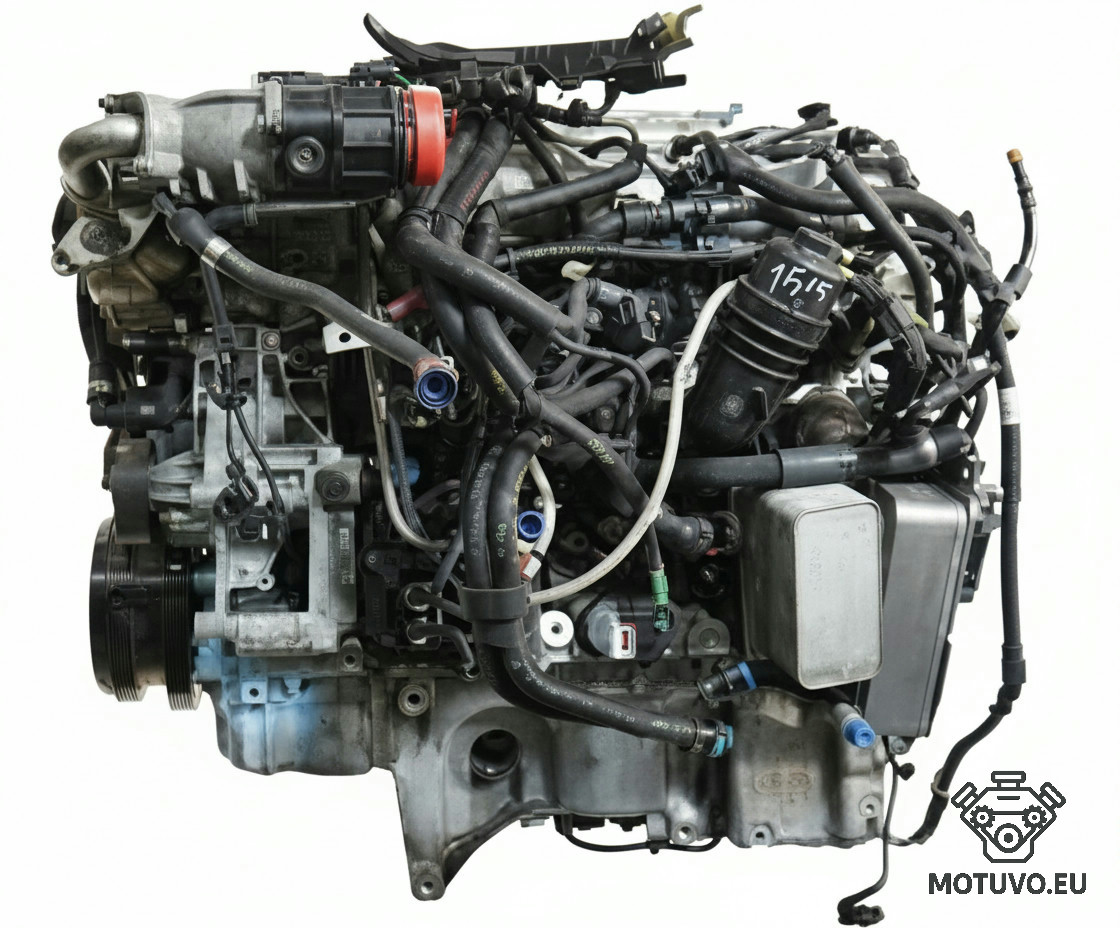
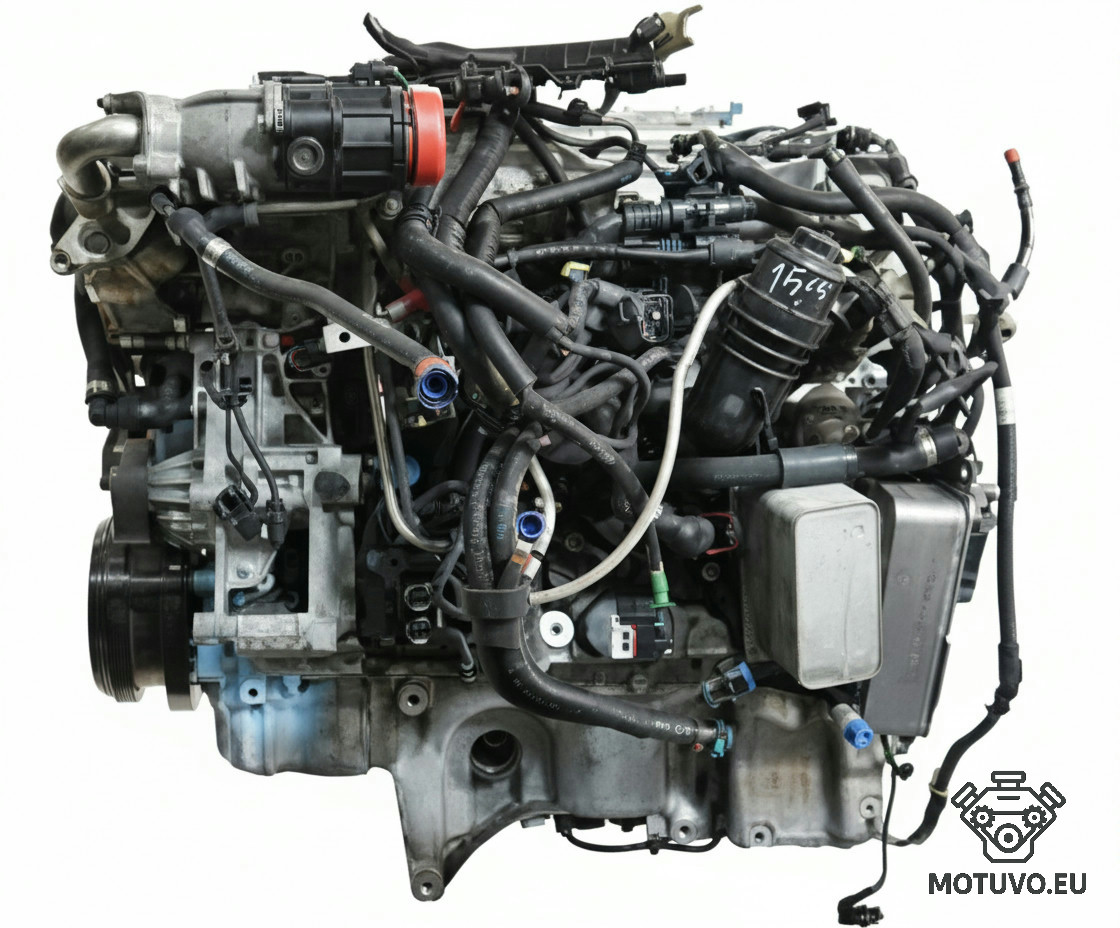
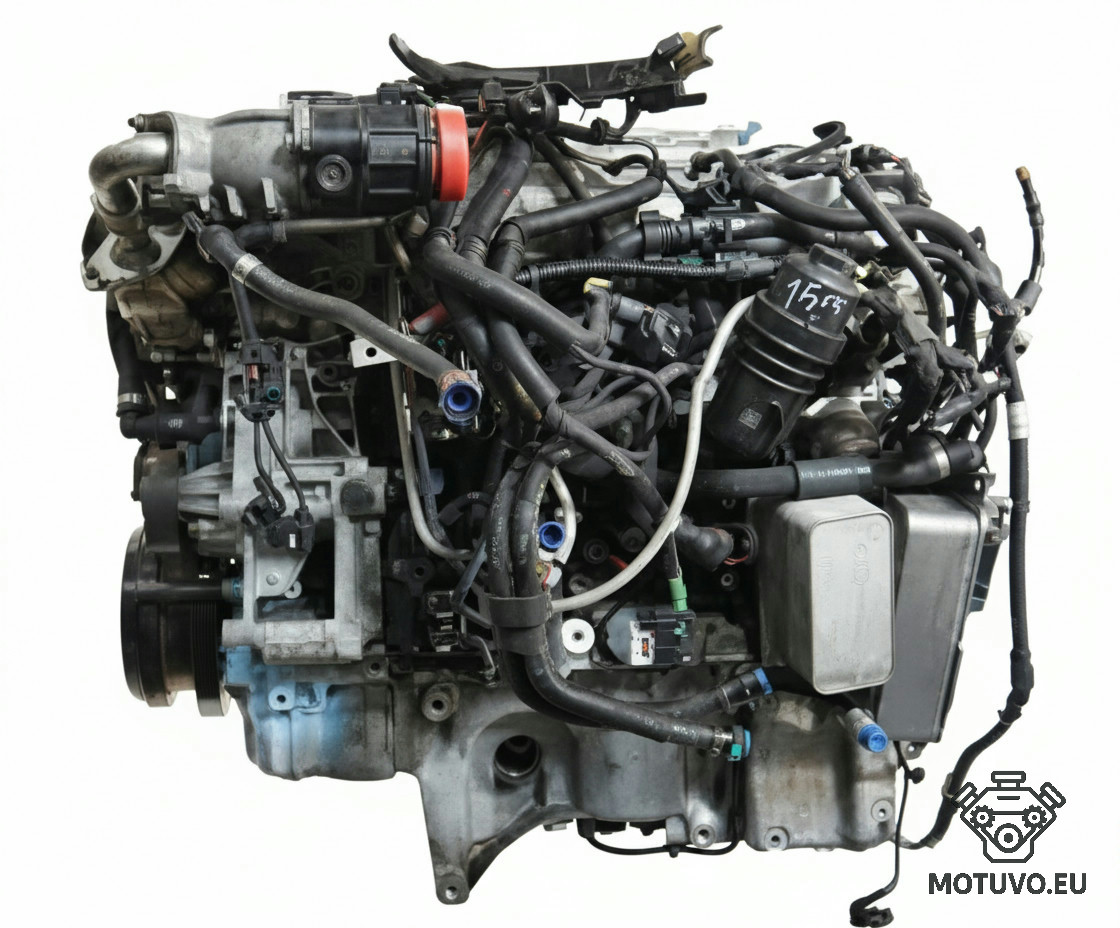
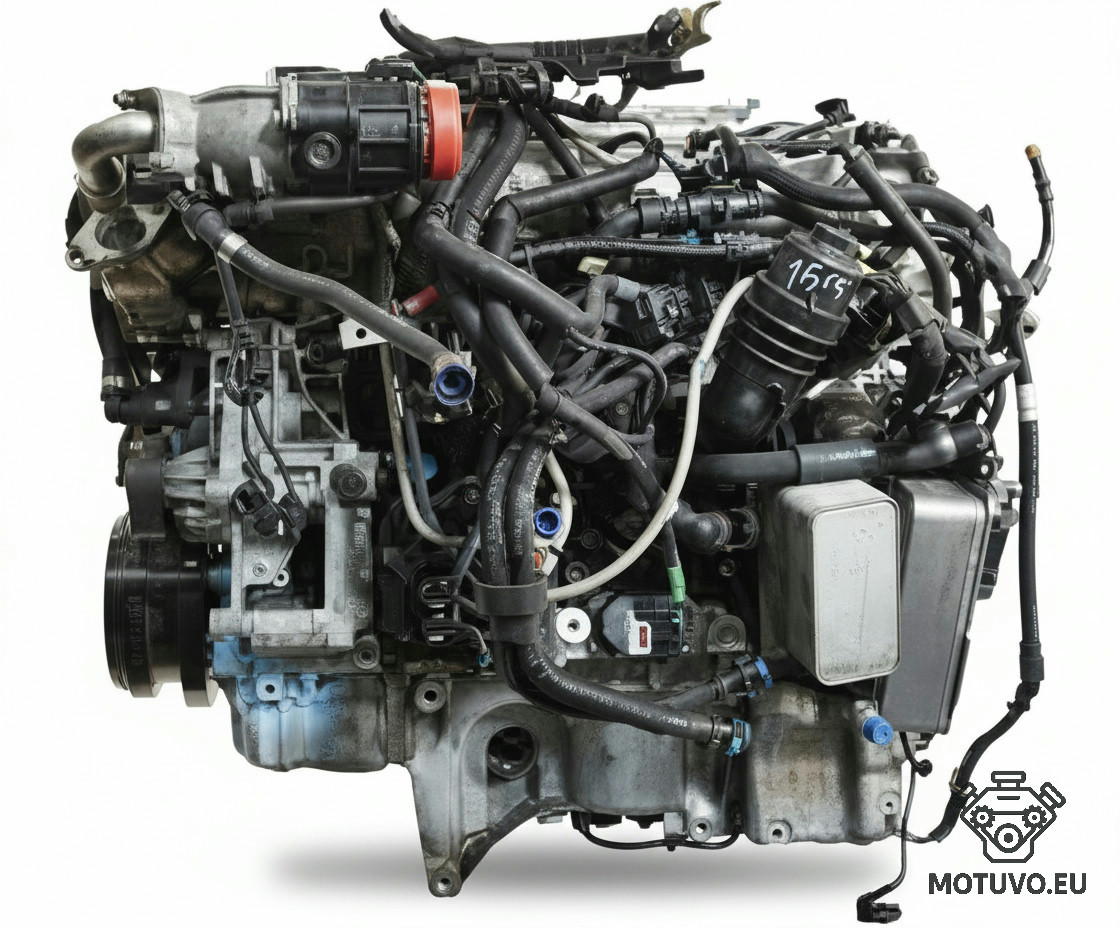
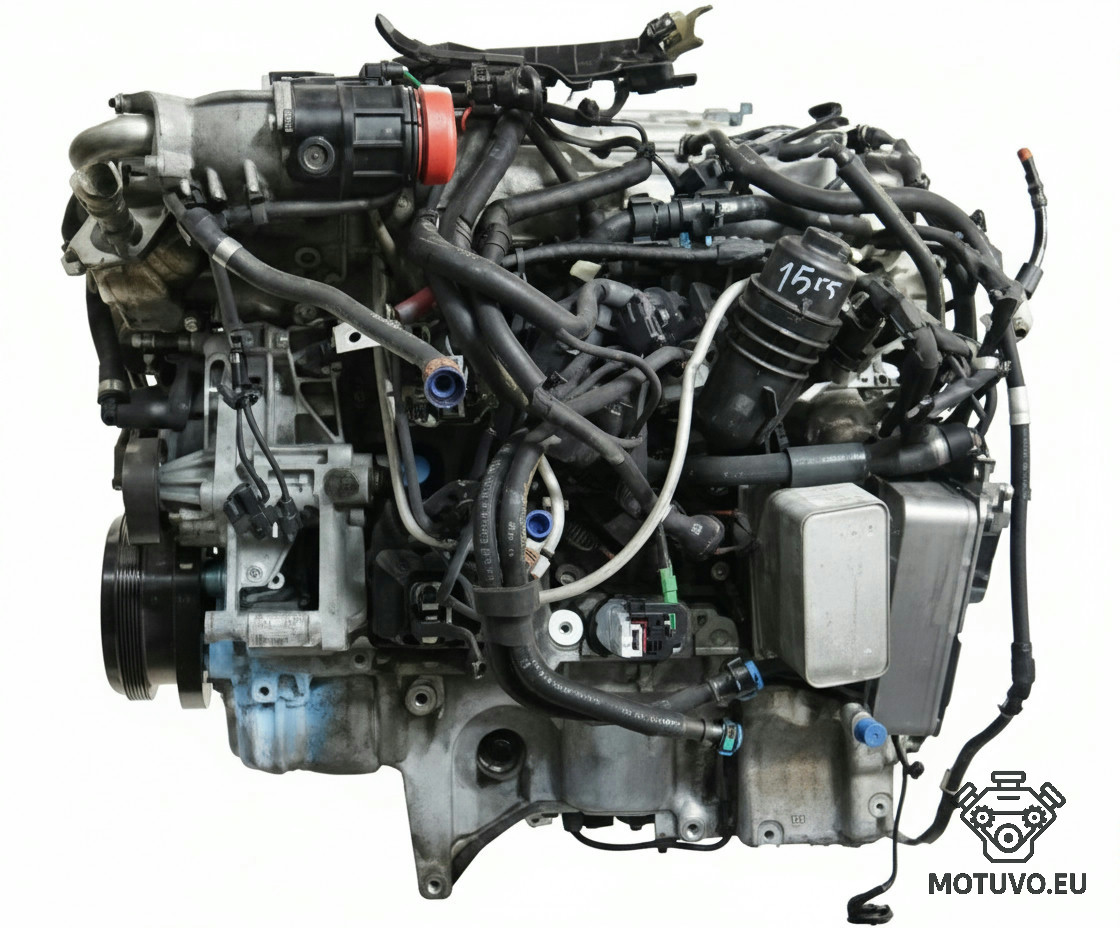
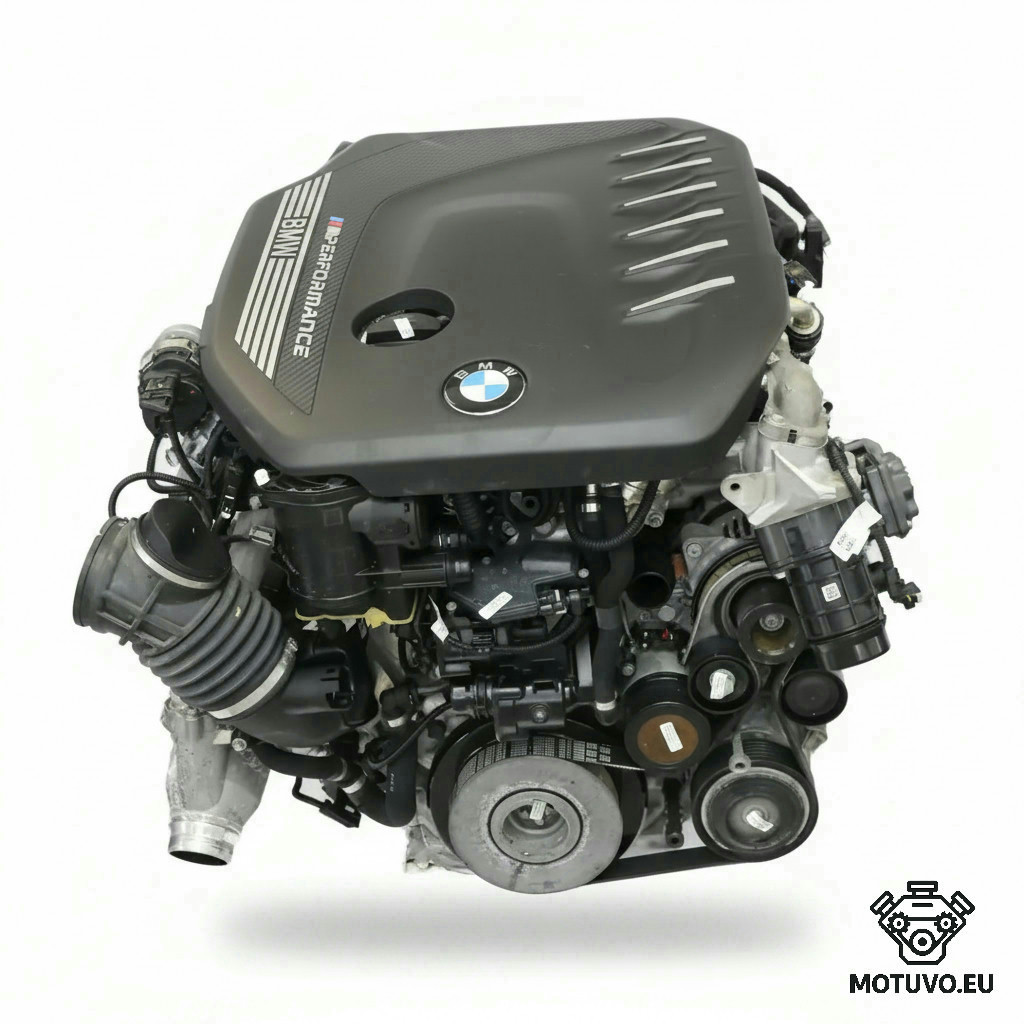
BMW B57 Engine Guide – B57D30A, B57D30B, B57D30C, B57D30D, O0, O2, T0, T2 and S0 Versions
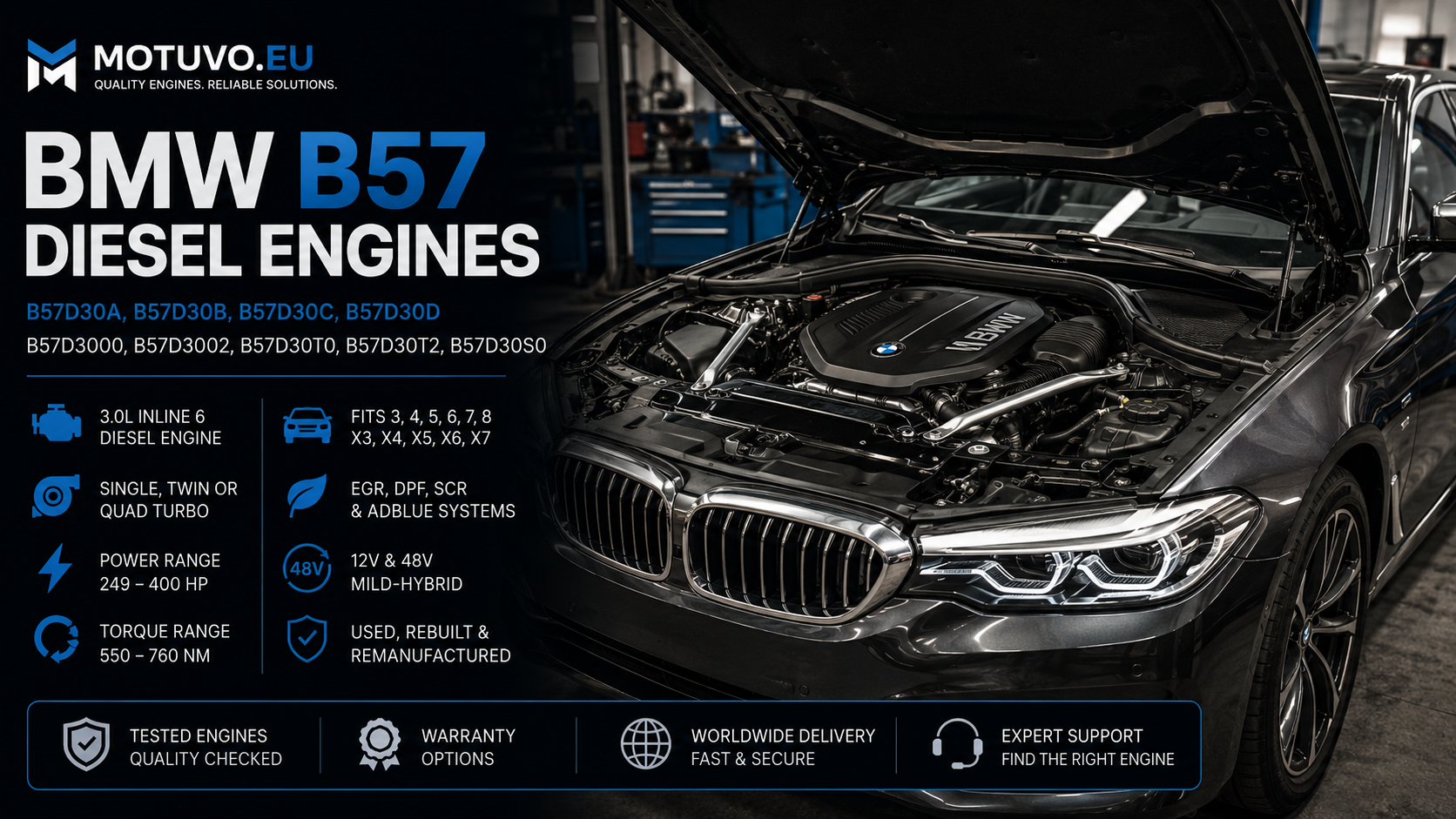
BMW B57 Engine Guide – B57D30A, B57D30B, B57D30C, B57D30D, O0, O2, T0, T2 and S0 Versions
The BMW B57 is a 3.0-litre turbocharged inline-six diesel engine introduced in 2015 as the successor to the BMW N57.
It belongs to BMW’s modular B-series engine family and shares its basic 500 cc-per-cylinder concept with engines such as the B37, B47, B38, B48 and B58. The B57 combines an aluminium block, common-rail direct injection, variable-geometry turbocharging and advanced exhaust treatment with the smoothness and torque delivery of a straight-six layout.
Depending on the version, the B57 was produced with:
- One turbocharger
- Two turbochargers
- Four turbochargers
- Outputs from approximately 249 hp to 400 hp
- Torque from approximately 550 Nm to 760 Nm
- Conventional 12-volt electrical systems
- Later 48-volt mild-hybrid technology
It has been fitted to a very wide range of BMW vehicles, including the 3 Series, 4 Series, 5 Series, 6 Series GT, 7 Series, 8 Series, X3, X4, X5, X6 and X7. A detuned B57 is also used in the Ineos Grenadier.
This guide explains the different B57 engine-code formats, including the familiar replacement-engine codes B57D30A, B57D30B, B57D30C and B57D30D, as well as BMW’s technical designations B57D30O0, B57D30O2, B57D30T0, B57D30T2 and B57D30S0.
BMW B57 Engine Specifications
| Manufacturer | BMW |
|---|---|
| Engine family | B57 |
| Production | From 2015 |
| Configuration | Inline six-cylinder diesel |
| Displacement | 2,993 cc |
| Bore | 84 mm |
| Stroke | 90 mm |
| Engine block | Aluminium alloy |
| Cylinder head | Aluminium |
| Valvetrain | DOHC, four valves per cylinder |
| Fuel system | Common-rail direct injection |
| Turbocharging | Single-stage, two-stage or four-turbo, depending on version |
| Timing system | Timing chain |
| Standard power range | Approximately 249–400 hp |
| Standard torque range | Approximately 550–760 Nm |
| Emissions systems | EGR, DPF, SCR and AdBlue, depending on version |
| Electrical system | 12-volt or later 48-volt mild hybrid |
| Installation | Longitudinal |
Early 30d versions typically used a compression ratio of approximately 16.5:1.
Understanding BMW B57 Engine Codes
The B57 is confusing because two different naming styles appear in workshops, parts catalogues and used-engine advertisements.
BMW Technical Designations
BMW technical documents commonly use codes such as:
- B57D30O0
- B57D30O2
- B57D30T0
- B57D30T2
- B57D30S0
These codes provide useful information about the engine’s output class and technical generation.
A simplified interpretation is:
- B57 – engine family
- D – diesel
- 30 – approximately 3.0-litre displacement
- O – upper-output standard version
- T – higher-output performance version
- S – top-performance version
- 0 or 2 – technical generation or revision
Replacement-Engine and Stamped Codes
The European used-engine trade often lists the same family using shorter codes ending in a letter:
- B57D30A
- B57D30B
- B57D30C
- B57D30D
These letter-ending codes are commonly found in dismantler systems, engine inventories and replacement-engine listings.
They should not be treated as a perfect one-to-one translation of BMW’s O0, O2, T0, T2 and S0 classifications. Depending on the vehicle, production period and catalogue, the same engine may be described using both a letter-ending code and a longer BMW technical designation.
Therefore, the safest identification method always includes:
- Full VIN
- Engine number stamped on the unit
- BMW vehicle data
- Production date
- Power output
- Turbocharger arrangement
- Emissions standard
B57D30A
The B57D30A is one of the most common engine codes in the replacement-engine market.
It is generally associated with standard-output and earlier-generation B57 applications, including many 30d models and some higher-output configurations, depending on production date and market.
Common applications include selected versions of:
- G11 and G12 BMW 730d and 730Ld
- G30 and G31 BMW 530d
- G32 BMW 630d Gran Turismo
- G20 and G21 BMW 330d
- G01 BMW X3 xDrive30d
- G02 BMW X4 xDrive30d
- G05 BMW X5 xDrive30d
- G06 BMW X6 xDrive30d
- G07 BMW X7 xDrive30d
- Selected Alpina diesel models
Typical outputs include:
- 195 kW / 265 hp
- 210 kW / 286 hp on later versions
- Approximately 620–650 Nm
Important B57D30A Warning
Not every B57D30A is identical.
Differences may include:
- 265 hp versus 286 hp
- 12-volt versus 48-volt systems
- Rear-wheel drive versus xDrive
- Oil sump and front differential clearance
- Turbocharger specification
- Exhaust treatment
- ECU calibration
- Vehicle-specific brackets and wiring
B57D30B
The B57D30B is commonly associated with later-generation and higher-output B57 engines.
It appears in replacement-engine catalogues for many 30d, 40d and M Performance diesel applications.
Commonly listed vehicles include selected versions of:
- G11 and G12 BMW 730d and 740d
- G30 and G31 BMW 530d and 540d
- G32 BMW 630d and 640d Gran Turismo
- G20 and G21 BMW 330d and M340d
- G22, G23 and G26 BMW 430d and M440d
- G14, G15 and G16 BMW 840d
- G01 BMW X3 xDrive30d and M40d
- G02 BMW X4 xDrive30d and M40d
- G05 BMW X5 xDrive30d and xDrive40d
- G06 BMW X6 xDrive30d and xDrive40d
- G07 BMW X7 xDrive30d and xDrive40d
- Newer G70 7 Series diesel versions
- Selected Alpina D3, D4, XD3 and XD4 models
Typical power outputs include:
- 210 kW / 286 hp
- 235 kW / 320 hp
- 240 kW / 326 hp
- 250 kW / 340 hp
- Approximately 259 kW / 352 hp in certain later or Alpina-related specifications
A B57D30B listing may correspond to either a later B57D30O2 30d engine or a higher-output B57D30T2 40d or M Performance unit. This is why the final letter alone does not guarantee compatibility.
B57D30C
The B57D30C is most strongly associated with the top-output quad-turbo B57.
It is commonly connected with BMW’s 50d models and the technical designation B57D30S0.
Typical specification:
- Four turbochargers
- 294 kW / 400 hp
- 760 Nm
- Eight-speed automatic transmission
- xDrive all-wheel drive
Common B57D30C applications include:
- G11 and G12 BMW 750d and 750Ld xDrive
- G30 and G31 BMW M550d xDrive
- G05 BMW X5 M50d
- G06 BMW X6 M50d
- G07 BMW X7 M50d
Quad-Turbo System
The B57D30C or B57D30S0 uses four turbochargers arranged to provide:
- Rapid low-rpm response
- Strong mid-range boost
- High airflow at upper engine speeds
- 760 Nm of torque
- Smooth, progressive power delivery
This version is extremely complex and expensive to repair. A complete replacement engine must be checked especially carefully for turbochargers, actuators, exhaust manifolds, oil lines, cooling pipes and electronic controls.
Production of the European quad-turbo B57 ended around 2020.
B57D30D
The B57D30D code appears in used-engine inventories, rebuilding advertisements and parts systems, but it is less consistently documented than B57D30A, B57D30B and B57D30C.
It is generally encountered in connection with later B57 applications and may be used by certain catalogues for revised engine generations or specific vehicle installations.
References to B57D30D appear in connection with vehicles such as:
- G05 BMW X5
- Facelift G01 BMW X3
- Facelift G02 BMW X4
- Later 30d and 40d configurations
However, application data for B57D30D is inconsistent across public catalogues. It should never be assigned to a model solely from the letter D.
For any B57D30D engine, confirm:
- Donor VIN
- BMW engine number
- Technical designation, such as O2 or T2
- Output in kW
- Production date
- Turbocharger arrangement
- 48-volt system
- Drivetrain
- Emissions equipment
B57D30O0 – Original 30d Version
The B57D30O0 was the original standard-output B57.
Typical output:
- 195 kW / 265 hp
- 620 Nm
- Single turbocharger in the conventional BMW description
- 12-volt electrical system in early applications
Common applications include:
- G11 and G12 730d and 730Ld
- G30 and G31 530d
- G32 630d Gran Turismo
- G20 and G21 330d
- G01 X3 xDrive30d
- G02 X4 xDrive30d
- G05 X5 xDrive30d
- G06 X6 xDrive30d
- G07 X7 xDrive30d
B57D30O2 – Updated 30d Mild-Hybrid Version
The B57D30O2 is the later standard-output revision.
Typical output:
- 210 kW / 286 hp
- 650 Nm
- Two-stage turbocharging
- 48-volt mild-hybrid technology in many applications
- Revised emissions equipment
Common applications include selected:
- G20 and G21 330d
- G30 and G31 530d
- G11 and G12 730d
- G01 X3 xDrive30d
- G02 X4 xDrive30d
- G05 X5 xDrive30d
- G06 X6 xDrive30d
- G07 X7 xDrive30d
- Ineos Grenadier in detuned form
Later engines are frequently advertised as both B57D30B and B57D30O2, depending on the supplier’s coding system.
B57D30T0 – Original 40d Version
The B57D30T0 is the original higher-output twin-turbo B57.
Typical output:
- 235 kW / 320 hp
- 680 Nm
- Two-stage turbocharging
Certain versions were rated at approximately 240 kW / 326 hp.
Common applications include:
- G11 and G12 740d and 740Ld
- G30 and G31 540d
- G32 640d Gran Turismo
- G01 X3 M40d
- G02 X4 M40d
- G14, G15 and G16 840d
B57D30T2 – Updated 40d and M Performance Version
The B57D30T2 is the updated higher-output version introduced around 2020.
Typical output:
- 250 kW / 340 hp
- 700 Nm
- Two-stage turbocharging
- 48-volt mild-hybrid assistance in many vehicles
Common applications include:
- G20 and G21 M340d xDrive
- G22, G23 and G26 M440d xDrive
- G30 and G31 540d xDrive
- G01 X3 M40d
- G02 X4 M40d
- G05 X5 xDrive40d
- G06 X6 xDrive40d
- G07 X7 xDrive40d
- G14, G15 and G16 840d xDrive
B57D30S0 – Quad-Turbo 50d Version
The B57D30S0 is the highest-output original B57.
Typical output:
- 294 kW / 400 hp
- 760 Nm
- Four turbochargers
Applications include:
- G11 and G12 750d and 750Ld
- G30 and G31 M550d
- G05 X5 M50d
- G06 X6 M50d
- G07 X7 M50d
BMW B57 Version Summary
| Trade code | BMW technical code commonly associated | Typical output | Turbo system | Common model badges |
|---|---|---|---|---|
| B57D30A | B57D30O0 and some early variants | 265 hp | Single-stage | 30d |
| B57D30A / B | B57D30O2 | 286 hp | Two-stage | Later 30d |
| B57D30B | B57D30T0 | 320–326 hp | Two-stage | 40d, early M40d |
| B57D30B | B57D30T2 | 340 hp | Two-stage, often 48 V | 40d, M340d, M440d, M40d |
| B57D30C | B57D30S0 | 400 hp | Four turbochargers | 50d, M550d |
| B57D30D | Later or catalogue-specific revision | Varies | Varies | Must be checked by VIN |
Which BMW Models Use the B57?
BMW 3 Series
- G20 330d
- G20 330d xDrive
- G21 330d Touring
- G20 M340d xDrive
- G21 M340d Touring xDrive
BMW 4 Series
- G22 430d
- G23 430d Convertible
- G26 430d Gran Coupé
- G22 M440d xDrive
- G23 M440d xDrive
- G26 M440d xDrive
BMW 5 Series
- G30 530d
- G31 530d Touring
- G30 540d xDrive
- G31 540d xDrive Touring
- G30 M550d xDrive
- G31 M550d xDrive Touring
BMW 6 Series Gran Turismo
- G32 630d
- G32 630d xDrive
- G32 640d xDrive
BMW 7 Series
- G11 and G12 730d
- G11 and G12 730Ld
- G11 and G12 740d
- G11 and G12 740Ld
- G11 and G12 750d
- G11 and G12 750Ld
- Later G70 diesel versions
BMW 8 Series
- G14 840d Convertible
- G15 840d Coupé
- G16 840d Gran Coupé
BMW X3
- G01 X3 xDrive30d
- G01 X3 M40d
BMW X4
- G02 X4 xDrive30d
- G02 X4 M40d
BMW X5
- G05 X5 xDrive30d
- G05 X5 xDrive40d
- G05 X5 M50d
BMW X6
- G06 X6 xDrive30d
- G06 X6 xDrive40d
- G06 X6 M50d
BMW X7
- G07 X7 xDrive30d
- G07 X7 xDrive40d
- G07 X7 M50d
BMW B57 Common Problems
The B57 is generally considered one of BMW’s stronger modern diesel engines, but it still has several expensive problem areas.
1. EGR Cooler Problems
The EGR cooler can develop:
- Internal coolant leakage
- Soot accumulation
- Reduced EGR flow
- Intake contamination
- Coolant loss
- Engine warning lights
Possible symptoms include:
- Unexplained coolant loss
- Exhaust smell
- Reduced power
- EGR fault codes
- White vapour
- Intake soot deposits
The EGR valve, cooler and intake system should be inspected together.
2. Intake Manifold and Swirl-Flap Deposits
Oil vapour from crankcase ventilation combines with EGR soot and can build deposits inside the intake system.
Symptoms include:
- Reduced performance
- Uneven acceleration
- Intake-airflow faults
- Swirl-flap faults
- Increased fuel consumption
- Limp-home mode
3. DPF Blockage
The diesel particulate filter can become overloaded when the vehicle is used mainly for:
- Short journeys
- Urban driving
- Frequent cold starts
- Interrupted regenerations
Possible symptoms include:
- Frequent regeneration
- High fuel consumption
- Reduced power
- DPF warning
- Cooling fan operation after shutdown
- Rising oil level from diesel dilution
4. AdBlue and SCR Problems
Common fault areas include:
- NOx sensors
- AdBlue injector
- AdBlue pump
- Heated lines
- Tank heater
- SCR catalyst
- AdBlue quality sensor
Symptoms may include:
- Emissions warning
- Engine-start countdown
- Check-engine light
- Limited performance
- Increased AdBlue consumption
5. Turbocharger Problems
The repair risk depends heavily on the engine version.
A 30d may have a comparatively simple system, while a B57D30C or B57D30S0 has four turbochargers and much more complicated controls.
Possible symptoms include:
- Whistling
- Loss of boost
- Underboost or overboost faults
- Blue smoke
- Black smoke
- Oil consumption
- Limp-home mode
Before replacing a turbocharger, inspect:
- Oil supply
- Oil return
- Crankcase pressure
- DPF backpressure
- Boost hoses
- Intercooler
- Turbo actuators
6. Timing-Chain Wear
The B57 uses a timing chain.
Possible symptoms include:
- Cold-start rattle
- Metallic noise
- Camshaft and crankshaft correlation faults
- Difficult starting
- Reduced performance
Although timing failures are less notorious than on some earlier BMW diesels, unusual chain noise should still be investigated immediately.
7. Injector Problems
Possible symptoms include:
- Difficult starting
- Rough idle
- Diesel knock
- White or grey smoke
- High fuel consumption
- DPF regeneration problems
- Excessive correction values
A leaking injector can damage pistons and cylinders or dilute the engine oil with diesel.
8. Crankcase-Ventilation Faults
A defective breather system can cause:
- Increased oil consumption
- Oil leaks
- Turbocharger contamination
- Intake oil deposits
- Excessive crankcase pressure
- Whistling noises
9. Cooling-System Leaks
Possible sources include:
- Water pump
- Thermostat
- EGR cooler
- Plastic coolant fittings
- Coolant pipes
- Expansion tank
- Auxiliary cooling circuits
10. 48-Volt Mild-Hybrid Faults
Later O2 and T2 engines may use a 48-volt system.
Possible fault areas include:
- Starter-generator
- 48-volt battery
- DC/DC converter
- Belt drive
- Wiring and control modules
A later mild-hybrid B57 is not directly equivalent to an earlier 12-volt engine.
Is the BMW B57 Reliable?
Overall, the B57 has a strong reputation compared with many other modern high-output diesel engines.
Its strengths include:
- Smooth inline-six operation
- Strong low-rpm torque
- Good fuel economy
- High motorway durability
- Strong basic engine construction
- Good performance in heavy vehicles
- Large tuning potential
Reliability still depends on:
- Oil-change intervals
- Correct low-ash oil
- Fuel quality
- DPF regeneration
- Cooling-system condition
- Injector health
- EGR maintenance
- Turbocharger lubrication
- Driving pattern
A well-maintained single- or twin-turbo B57 is generally less complex and cheaper to own than the four-turbo B57D30C or B57D30S0.
Are B57D30A, B57D30B, B57D30C and B57D30D Interchangeable?
They should not be assumed to be interchangeable.
Differences may include:
- Internal engine revision
- Power output
- Turbocharger number
- Pistons
- Compression ratio
- Injectors
- High-pressure fuel pump
- Intake manifold
- Exhaust manifold
- Oil sump
- Engine mounts
- Front differential clearance
- Wiring harness
- ECU
- DPF and SCR system
- 12-volt or 48-volt equipment
- Rear-wheel drive or xDrive
- Transmission version
A B57D30A long block may sometimes be usable in place of another B57 version after transferring original external components. However, a B57D30C quad-turbo engine is not simply a higher-output B57D30A.
Can a 30d B57 Replace a 40d?
Sometimes the base architecture is related, but the complete engine normally differs.
Possible differences include:
- Turbocharger system
- Pistons and compression
- Fuel injectors
- ECU calibration
- Cooling system
- Intake and exhaust manifolds
- Emissions equipment
- Wiring
- Oil and coolant pipes
A direct plug-and-play conversion should not be expected.
Can a 40d Engine Replace a 30d?
The same warning applies.
A 40d engine may be usable as a donor long block in certain situations, but the workshop must compare:
- Full engine code
- Block and cylinder-head numbers
- Pistons
- Turbocharger arrangement
- Injector part numbers
- Oil sump
- Wiring
- Emissions equipment
Can a B57D30C 50d Engine Replace Another B57?
The B57D30C or B57D30S0 is a specialised four-turbo engine.
It should normally be replaced with the same engine specification.
Its turbocharger system, cooling, exhaust equipment, intake system, electronics and fuel calibration differ substantially from standard 30d and 40d engines.
What to Check Before Buying a Used B57 Engine
Request:
- Full engine code
- BMW technical code
- Engine serial number
- Donor VIN
- Donor model
- Production date
- Recorded mileage
- Service history
- Cold-start video
- Oil-pressure data
- Compression results
- Injector correction values
- Turbocharger condition
- DPF history
- EGR history
- Cooling-system condition
- Warranty terms
Also confirm whether the engine is supplied as:
- Bare block
- Short block
- Long block
- Complete engine
- Engine with turbocharger
- Engine with injectors
- Engine with high-pressure pump
- Engine with wiring
- Engine with DPF and SCR components
- Engine with starter-generator
The phrase complete engine is not standardised between suppliers.
Used, Rebuilt or Remanufactured B57?
Used B57 Engine
Advantages:
- Lower cost
- Original BMW components
- Faster availability
- Suitable when donor history is verified
Disadvantages:
- Unknown wear
- Possible hidden EGR, injector or turbo problems
- Limited warranty
- Uncertain DPF history
Rebuilt B57 Engine
A proper rebuild may include:
- Main and connecting-rod bearings
- Piston rings
- Pistons where required
- Cylinder measurement
- Cylinder-head overhaul
- Timing-chain replacement
- Injector testing
- Turbocharger inspection
- Oil-pump testing
- Crankshaft measurement
Remanufactured B57 Engine
A remanufactured engine should be rebuilt to documented technical tolerances.
It may include:
- Complete disassembly
- Crack testing
- Dimensional inspection
- New wear components
- Reconditioned cylinder head
- Updated timing components
- Tested injectors
- Oil-pressure testing
- Longer warranty
BMW B57 Maintenance Recommendations
- Change oil more frequently than the maximum long-life interval
- Use the correct BMW-approved low-ash oil
- Replace the fuel filter on schedule
- Allow the engine to warm before heavy acceleration
- Allow DPF regeneration to complete
- Avoid constant short-distance use
- Investigate coolant loss immediately
- Repair injector correction faults promptly
- Monitor crankcase pressure
- Inspect boost hoses and intercooler connections
- Maintain the AdBlue system
- Diagnose chain noise early
- Verify oil supply after turbocharger failure
- Check the oil level for diesel dilution
Frequently Asked Questions
Is the B57 a six-cylinder engine?
Yes. The B57 is a 3.0-litre inline-six diesel.
What replaced the BMW N57?
The B57 replaced the N57 and first appeared in the G11 7 Series.
What is the difference between B57D30A and B57D30B?
B57D30A is most commonly associated with earlier and standard-output versions, while B57D30B is frequently used for later, mild-hybrid and higher-output engines. The exact technical version must still be checked.
What is B57D30C?
B57D30C is commonly associated with the 400 hp quad-turbo B57 used in 50d and M550d models.
What is B57D30D?
B57D30D is a less consistently documented later or catalogue-specific code. It must be identified using the VIN and complete BMW engine data.
What do O0, O2, T0, T2 and S0 mean?
- O0 – original standard-output version
- O2 – updated standard-output version
- T0 – original higher-output version
- T2 – updated higher-output version
- S0 – top-output quad-turbo version
Which B57 is the most reliable?
The standard 30d versions are generally the least complex. Twin-turbo 40d engines add complexity, while the quad-turbo 50d is the most expensive version to repair.
Does the B57 use a timing chain?
Yes.
Can a B57D30A replace a B57D30B?
Possibly as a compatible long block in some cases, but not automatically. Turbocharging, electronics, mild-hybrid equipment, sump, injectors and emissions systems must be compared.
Can a B57D30B replace a B57D30C?
Normally not directly. The B57D30C is a specialised quad-turbo engine.
Find the Correct BMW B57 Replacement Engine at MOTUVO
If your BMW requires a replacement B57 engine, MOTUVO can help identify the correct version.
The B57 family includes:
- B57D30A
- B57D30B
- B57D30C
- B57D30D
- B57D30O0
- B57D30O2
- B57D30T0
- B57D30T2
- B57D30S0
- 30d versions
- 40d versions
- M Performance diesel versions
- 50d quad-turbo engines
- 12-volt and 48-volt configurations
- Rear-wheel-drive and xDrive installations
Choosing an engine based only on the description “BMW 3.0 diesel” can result in the wrong turbocharger system, sump, injectors, electronics or emissions equipment.
MOTUVO checks compatibility using:
- Vehicle VIN
- Complete engine code
- BMW technical designation
- Engine serial number
- Model and production date
- Power output
- Turbocharger arrangement
- Transmission
- Drivetrain
- Emissions specification
We can help source tested used, rebuilt and remanufactured B57 engines for:
- BMW 3 Series
- BMW 4 Series
- BMW 5 Series
- BMW 6 Series GT
- BMW 7 Series
- BMW 8 Series
- BMW X3
- BMW X4
- BMW X5
- BMW X6
- BMW X7
Send MOTUVO your VIN and full engine number to receive a quote for the correct replacement engine.
Find your BMW B57 replacement engine at MOTUVO.EU.