BMW B58B30M2 280 kW Engine: Applications and Buying Guide
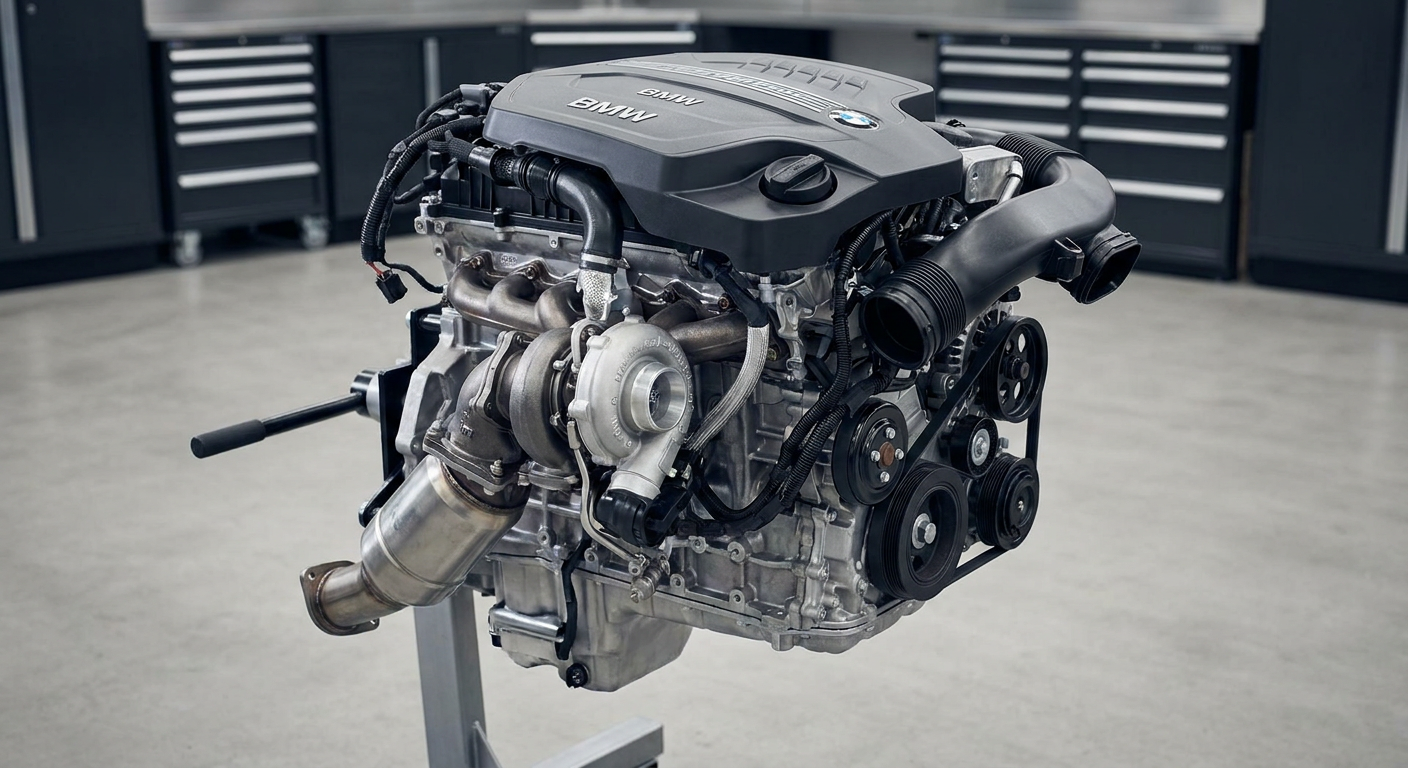
Introduction to the BMW B58B30M2 Engine
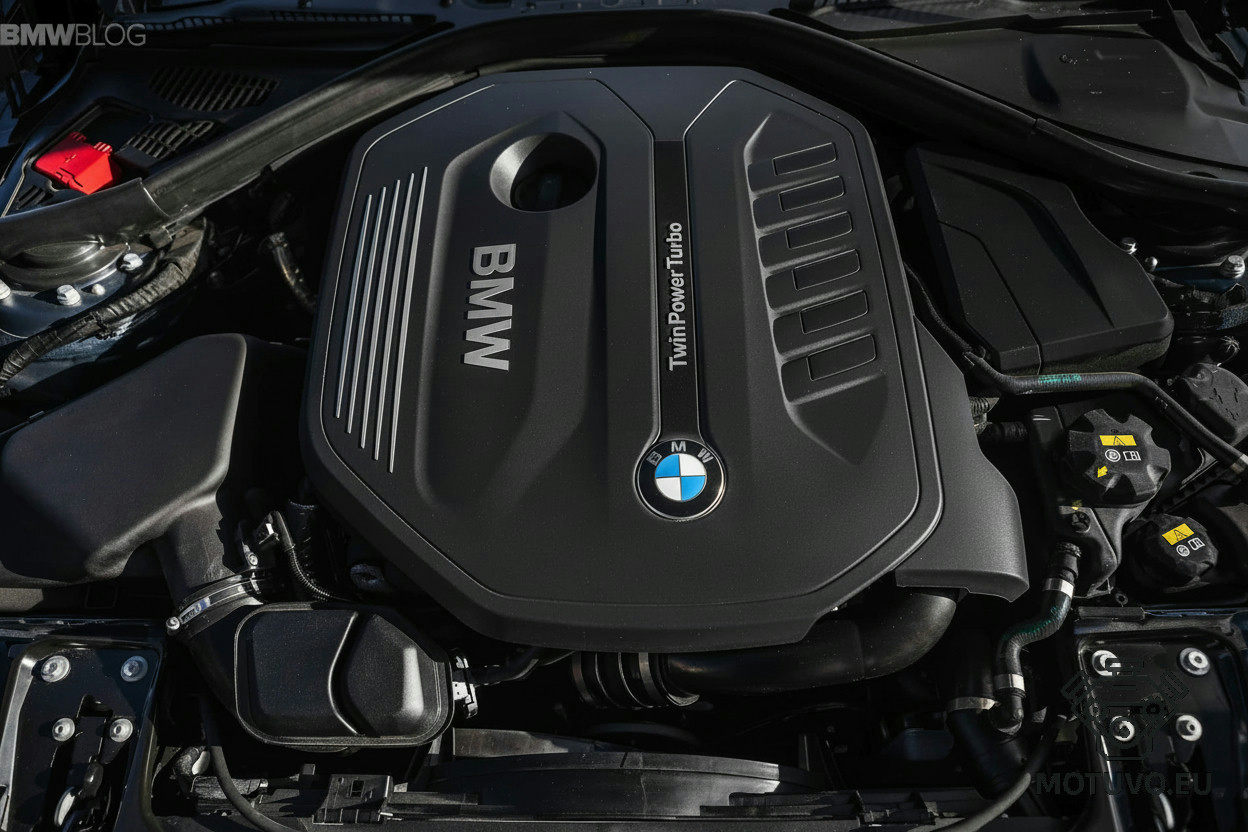
The B58B30M2 is a 3.0-litre petrol engine from BMW’s B58 straight-six family. The Motuvo.eu catalogue lists this version at 280 kW, equivalent to approximately 381 metric horsepower. It appears in the supplied applications across several recent BMW saloons, estates and SUVs, making accurate identification particularly important when sourcing a replacement.
The B58 family combines turbocharging, direct petrol injection and variable valve control with the naturally balanced layout of an inline six-cylinder engine. However, the B58 name covers multiple technical generations and output levels. Matching displacement and advertised power alone is not enough: the full engine designation, vehicle specification and supplied equipment must also agree.
How Popular and Widely Used Is the B58B30M2?
The B58 is a widely used BMW petrol engine family, positioned above the manufacturer’s smaller four-cylinder engines. Its combination of smoothness, strong mid-range performance and suitability for longitudinal installation has supported use across different vehicle classes. The B58B30M2 applications supplied here span the 3 Series through to the X7 and 7 Series.
This breadth of use is useful for buyers because independent workshops are familiar with the wider B58 architecture. Nevertheless, experience with an earlier B58 does not automatically establish compatibility with this later version. Cooling connections, emissions equipment, electrical interfaces and hybrid integration can differ between vehicles and production periods.
The catalogue’s application dates should be treated as identification guidance rather than a universal fitment guarantee. Market availability and production changeovers can differ, so a vehicle identification number check remains essential.
Other Part Numbers and Related Variants
B58B30M2 is an engine designation, not a universal replacement assembly number. BMW service part numbers for complete engines and associated assemblies depend on the specific vehicle and replacement scope. Confirm the designation on the original engine alongside the VIN-based parts information.
B58B30M1 and S58B30T0
The related catalogue entries include B58B30M1, a 3.0-litre petrol engine rated at 250 kW. It belongs to the same broad B58 family, but the different suffix identifies a different version. It should not be assumed to be a direct substitute for B58B30M2.
The catalogue also lists S58B30T0 at 353 kW. The S58 is BMW’s related high-performance engine family, with substantial hardware differences. Shared displacement and six-cylinder architecture do not make it an interchangeable replacement.
Other Engines in the Catalogue
Other related listings are M156B, DCKA / DCJA, DKKA / DKKB, CGWC, DLZA / CWGD, DCHA, DKCA and XFX. These are separate catalogue entries, not verified B58B30M2 alternative numbers. Their presence in a related-products list does not establish compatibility, even where displacement or power is similar.
BMW B58B30M2 Model Applications
The supplied catalogue description identifies the following applications:
- 2022–present BMW G07 X7 xDrive40i
- 2023–present BMW G70 740i
- 2024–present BMW G05 X5 xDrive40i
- 2024–present BMW G06 X6 xDrive40i
- 2024–present BMW G60 540i xDrive
- 2025–present BMW G20/G21 M340i
- 2025–present BMW G45 X3 M50
These dates reproduce the catalogue’s application information. They do not mean that every vehicle carrying one of these model badges uses an identical engine assembly. Confirm production date, destination market and original engine code before ordering. The G70 740i is included because it appears explicitly in the detailed catalogue description, although the shorter model-category list does not name the 7 Series.
Strong Points of the B58B30M2
Smooth Six-Cylinder Operation
An inline-six layout provides inherent primary and secondary balance. This helps deliver refined operation without depending on the balance-shaft arrangements used in some other engine layouts. In a large saloon or SUV, that smoothness is a significant everyday advantage.
Turbocharged Performance
The B58 family uses a single twin-scroll turbocharger rather than two separate turbochargers. Separating exhaust pulse paths helps support turbine response. Combined with variable valve timing and valve lift control, the architecture balances low-speed flexibility with higher-load performance.
Robust Core Architecture
The B58 family is known for its closed-deck aluminium crankcase construction, which supports the cylinder structure under combustion pressure. Its liquid-cooled charge-air system also helps manage intake temperatures. These are sound engineering foundations, although neither eliminates the need for correct lubrication, cooling-system maintenance or careful inspection of a used engine.
Weak Points and Common Failure Checks
The B58B30M2 is a relatively recent version, so older B58 ownership reports should not be treated as proof of identical failure rates. The following are sensible inspection priorities, rather than claims that every M2 engine develops these faults.
Cooling-System Leaks
Inspect coolant connections, hoses, cooling modules and the oil-filter housing area for residue or leakage. Plastic housings and seals can deteriorate with heat cycling. A pressure test is valuable, and any unexplained coolant loss should be investigated before installation. Evidence of previous overheating requires particular caution.
Crankcase Ventilation and Oil Leaks
Check the cylinder-head cover area and crankcase ventilation system. Abnormal crankcase pressure, whistling, rough running or excessive oil consumption can indicate ventilation problems, although these symptoms have other possible causes. Inspect accessible gaskets and seals before the engine goes into the vehicle.
Ignition, Fuel Delivery and Boost Control
Misfires can arise from spark plugs, ignition coils, injectors or mechanical problems. Read fault memory and assess fuel-pressure and mixture data rather than replacing components by guesswork. For boost complaints, inspect charge-air connections, turbocharger condition and control hardware. Intake valve deposits are another possible diagnostic consideration on direct-injection engines, but cleaning should follow evidence rather than assumption.
What to Consider When Replacing This Engine
Verify Compatibility and Delivery Scope
Provide the supplier with the VIN, production date, original engine designation and photographs of identification markings. Confirm sump arrangement, mounting interfaces, transmission connection and relevant emissions specification. Where the vehicle uses a 48-volt mild-hybrid system, its mechanical and electrical interfaces also require verification.
Ask whether the engine is supplied as a bare assembly, long block or more complete unit. Establish whether the turbocharger, injectors, high-pressure fuel pump, intake components, wiring and accessories are included. Never infer delivery scope from a representative photograph.
Assess Condition and Correct the Original Fault
For a used engine, request available mileage evidence, donor information and test results. For a rebuilt engine, ask what was measured, machined and replaced. Clarify warranty conditions and installation requirements before purchase.
The workshop must also identify why the original engine failed. Lubrication contamination, cooling faults or damaged associated components can harm the replacement. Follow the applicable BMW procedures for oil-system preparation, coolant filling, diagnostics and any required adaptations before returning the vehicle to service.
Buy a B58B30M2 Engine at Motuvo.eu
Looking for a B58B30M2 3.0L 280 kW petrol engine? Visit the B58B30M2 engine product page at Motuvo.eu to buy the correct replacement for your BMW. Before ordering, confirm current availability, engine condition, included components and VIN compatibility with the Motuvo.eu team.