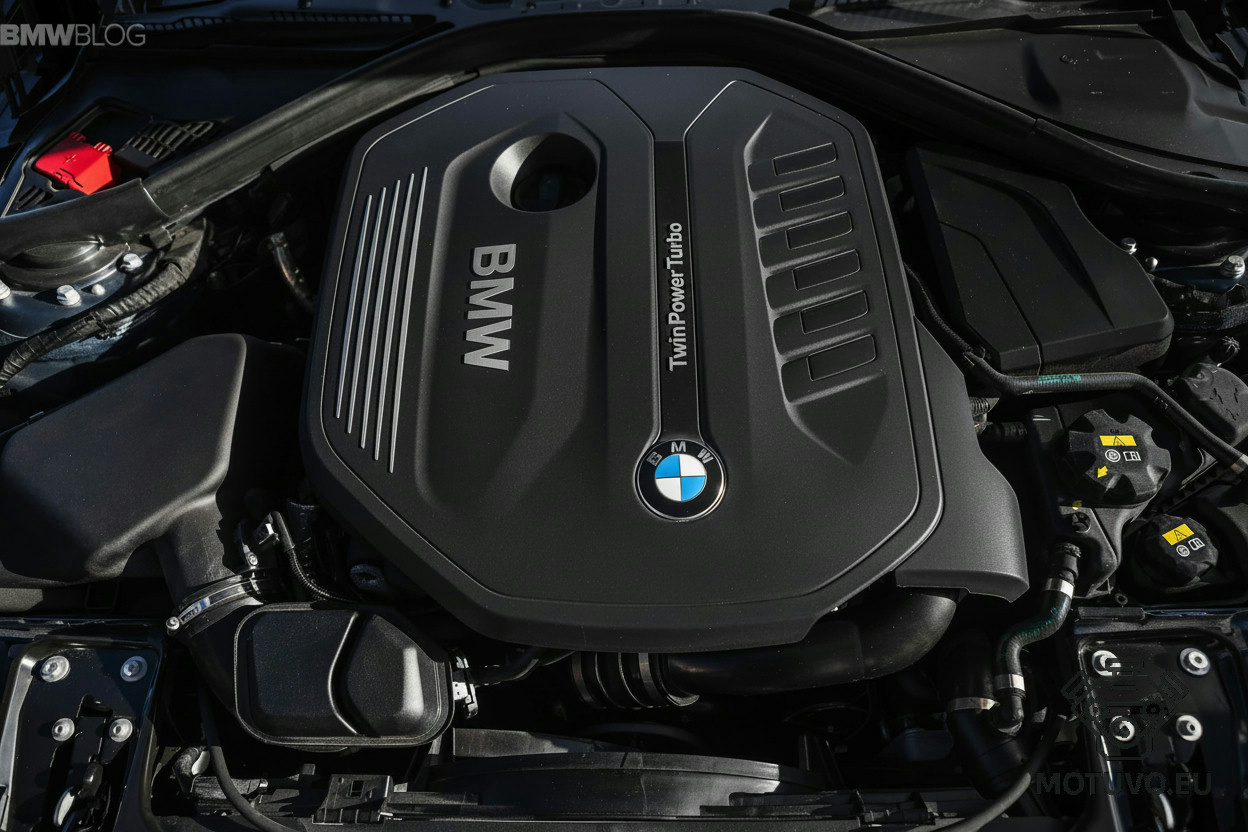
B58B30M1 250 kW Engine: Applications and Buying Guide
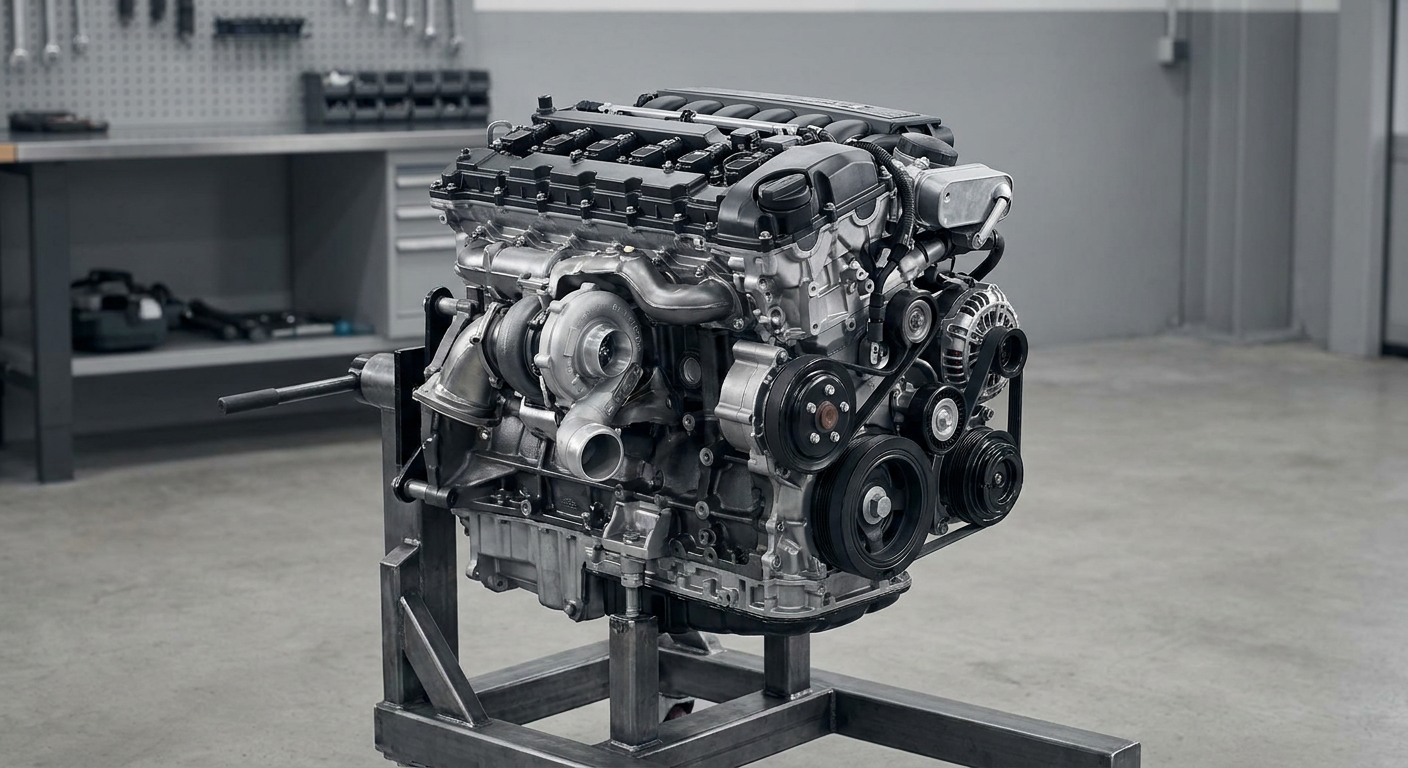
Introduction to the B58B30M1 Engine
The B58B30M1 is a 3.0-litre petrol engine from BMW’s B58 inline-six family. Motuvo.eu lists this B58B30 unit with an output of 250 kW, equivalent to approximately 340 metric horsepower. It combines the smooth running characteristics of a straight-six with turbocharged performance suitable for luxury saloons, sports cars and larger SUVs.
The B58 family uses direct petrol injection, a twin-scroll turbocharger, variable camshaft timing and variable intake valve lift. These technologies support responsive power delivery and efficient operation across a broad load range. However, the B58 name alone does not establish replacement compatibility: engine revision, vehicle specification and supplied equipment must also match.
How Popular and Widely Used Is the B58?
The B58 is a widely used modern six-cylinder engine family, appearing across several BMW vehicle classes and in the Toyota GR Supra. Its adoption reflects the flexibility of the underlying design: a longitudinal inline-six can deliver refined everyday performance while also supporting more demanding sports-car applications.
The supplied catalogue spans roadsters, coupés, saloons, touring models and SUVs. This breadth makes the B58 relevant to both private owners and professional repairers seeking replacement engines. It also creates an important purchasing challenge: units that look similar may differ in their lubrication components, ancillary equipment, emissions hardware or electronic integration.
Popularity does not mean universal interchangeability. A shared engine family and displacement are useful starting points, but a correct replacement requires vehicle-specific checks rather than a decision based solely on model name or advertised power.
Other Part Numbers and Variants
The catalogue identifies this engine as B58B30M1, with the broader engine name B58B30. The full designation is more useful when sourcing a replacement because the B58 family includes different technical revisions and output configurations. Even a matching designation should be checked against the original engine and the vehicle identification number.
An engine designation is not necessarily the same as an orderable manufacturer assembly part number. Replacement assemblies and individual components can have separate numbers, sometimes superseded during production. Confirm the required assembly reference through VIN-based parts information before treating two engines as equivalent.
The related catalogue entries are not alternative part numbers for this unit. For example, S58B30T0 belongs to BMW’s separate high-performance S58 family and should not be treated as a direct B58 replacement. The other related listings, including 276.821, CGWC and DLZA / CWGD, likewise do not establish compatibility. Similar displacement, fuel type or output is not evidence of interchangeability.
Model Applications Listed in the Catalogue
The catalogue description supplies the following application references. These are sourcing leads, not a guarantee that every vehicle within each date range uses the same 250 kW engine configuration. Market, build date and technical updates can affect the required specification.
- BMW X5 G05: xDrive40i and sDrive40i, 2018–2023.
- BMW X7 G07: xDrive40i, 2018–2023.
- BMW Z4 G29: M40i, 2019–2026.
- Toyota GR Supra: listed from 2019 to present; verify the exact 3.0-litre version and engine revision.
- BMW 8 Series G14/G15/G16: 840i, 2019–2026.
- BMW 5 Series G30/G31: 540i, 2020–2023.
- BMW 6 Series G32: 640i, 2020–2023.
- BMW X6 G06: xDrive40i, 2020–2023.
- BMW 7 Series G11/G12: 740i, 2020–2022.
The catalogue’s shorter model filter names X7, X5, 5 Series, 6 Series, Z4 and 8 Series. The description adds the Supra, X6 and 7 Series references. For any of these vehicles, request confirmation against the VIN, original engine identification and donor specification.
Strong Points of the B58B30M1
Smoothness and usable performance
An inline-six layout has inherently balanced primary and secondary reciprocating forces, helping deliver smooth operation without the balancing requirements of some other layouts. Combined with turbocharging, this makes the B58 well suited to relaxed cruising and strong acceleration. At the listed 250 kW output, it offers substantial performance without relying on a large displacement.
Strong underlying architecture
The B58 family uses an aluminium closed-deck block, providing substantial support around the cylinder bores. Its twin-scroll turbocharger separates exhaust pulses to improve turbine operation, while liquid-cooled charge-air cooling helps manage intake temperatures. These are useful engineering strengths, although they do not make the engine immune to overheating, poor lubrication or unsuitable modifications.
Established service knowledge
Broad use has made the B58 familiar to many BMW specialists. Established diagnostic procedures and access to vehicle-specific technical information can help repairers distinguish an internal engine fault from a problem with ignition, fuel delivery, cooling or crankcase ventilation before recommending replacement.
Weak Points and Common Failure Checks
There is no single failure pattern that applies to every B58B30M1. Age, maintenance, operating conditions and previous tuning all influence condition. The following are practical inspection areas rather than a claim that every engine will develop these faults.
- Coolant leaks: inspect the oil filter housing area, coolant connections, hoses and cooling-system components. Pressure testing helps identify leaks that may not be obvious when the engine is cold.
- Oil leaks and crankcase ventilation: check the cam cover and associated ventilation system. Whistling, abnormal crankcase pressure, rough running or excessive oil consumption warrant diagnosis.
- Ignition and injection faults: worn spark plugs, failing coils or injector problems can cause misfires. Fuel-pressure and injector testing may be needed before condemning the engine itself.
- Charge-air and turbocharger problems: inspect pipework, connections and boost control. Reduced power can result from leaks or control faults rather than internal damage.
- Overheating or lubrication damage: low fluid levels and neglected servicing can turn a peripheral fault into major engine damage.
On a running donor, assess cold-start behaviour, fault memory, exhaust smoke and operating temperatures. Compression or leak-down testing can provide useful evidence of cylinder sealing. Where the engine is already removed, ask which tests were performed and what documentation is available.
What to Consider When Replacing It
Confirm compatibility and supply scope
Provide the supplier with the VIN, build date, original engine code and relevant assembly numbers. Compare the sump, mounting points, wiring, sensors, intake and exhaust interfaces, turbocharger arrangement and cooling connections. Drivetrain layout and emissions specification can affect which components must be retained from the original vehicle.
Clarify whether the offer covers a bare assembly, a long block or an engine supplied with ancillaries. Do not assume the turbocharger, injectors, high-pressure fuel pump, wiring harness or control unit are included. For a rebuilt engine, request the documented scope of machining, replacement parts and testing; for a used engine, ask about provenance and available condition evidence.
Resolve the original failure before installation
A replacement engine can suffer the same damage if the initial cause remains. Check cooling performance, lubrication supply, fuel delivery and any contamination in connected systems. After turbocharger or internal engine failure, inspect the intake, charge-air circuit and oil-related components as appropriate.
Installation should follow the correct workshop procedure, including specified fluids, seals, single-use fasteners and lubrication priming. Cooling circuits require proper filling and bleeding. Depending on the components transferred or replaced, diagnostic adaptations or coding may be necessary. Complete the job with leak checks, a controlled warm-up and a diagnostic road test.
Buy a B58B30M1 Engine at Motuvo.eu
Looking for a B58B30M1 3.0L petrol engine rated at 250 kW? Visit the B58B30M1 engine product page at Motuvo.eu to enquire and buy. Confirm compatibility, current availability, included components, condition and warranty terms before ordering, so your workshop receives the right engine for the repair.