BMW B58B30M0 265 kW Engine: Applications and Buying Guide
Introduction to the BMW B58B30M0 engine
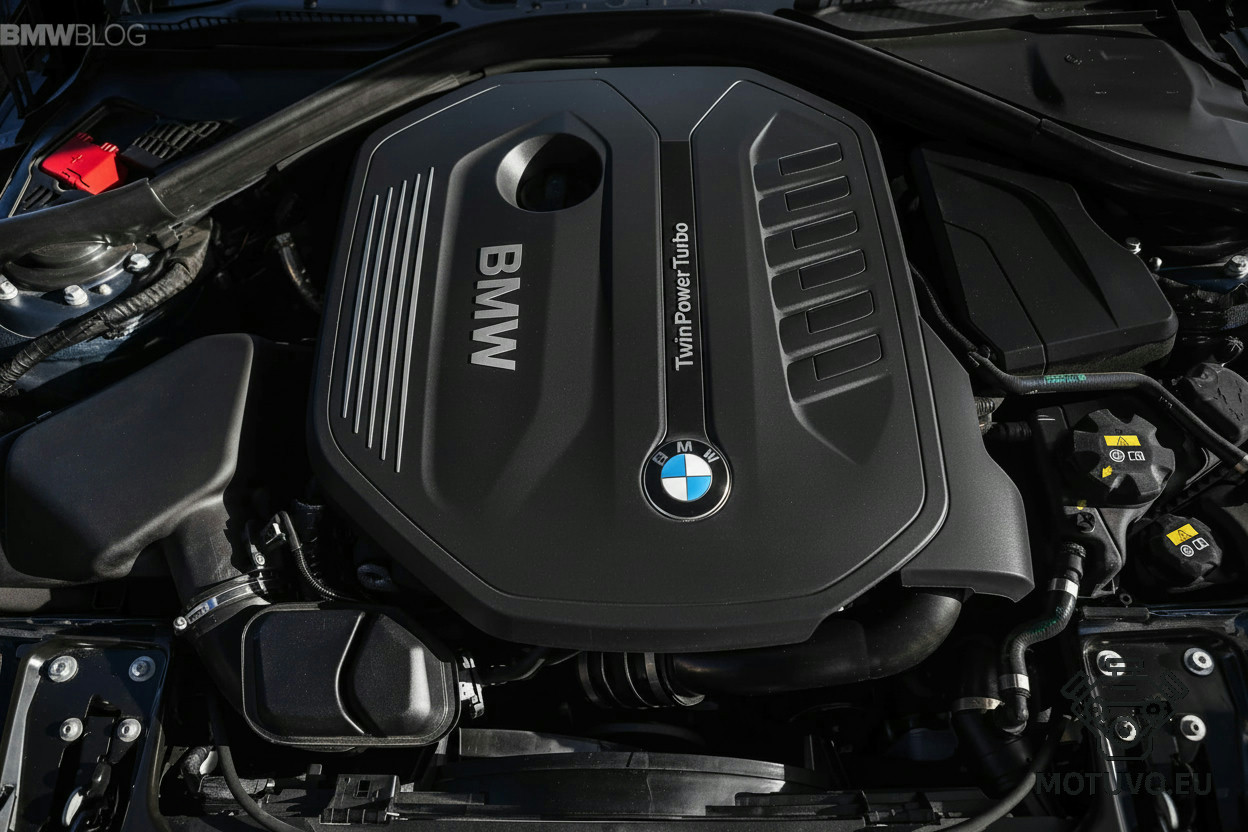
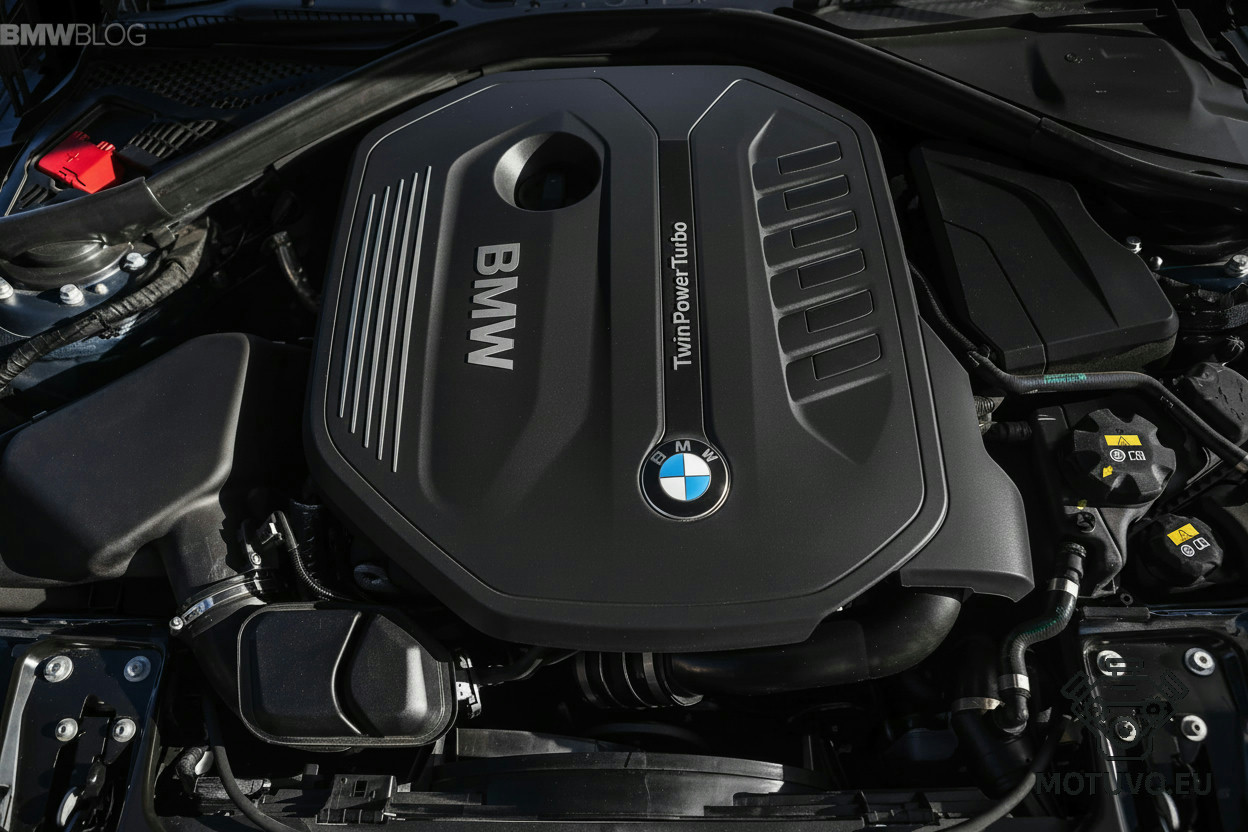
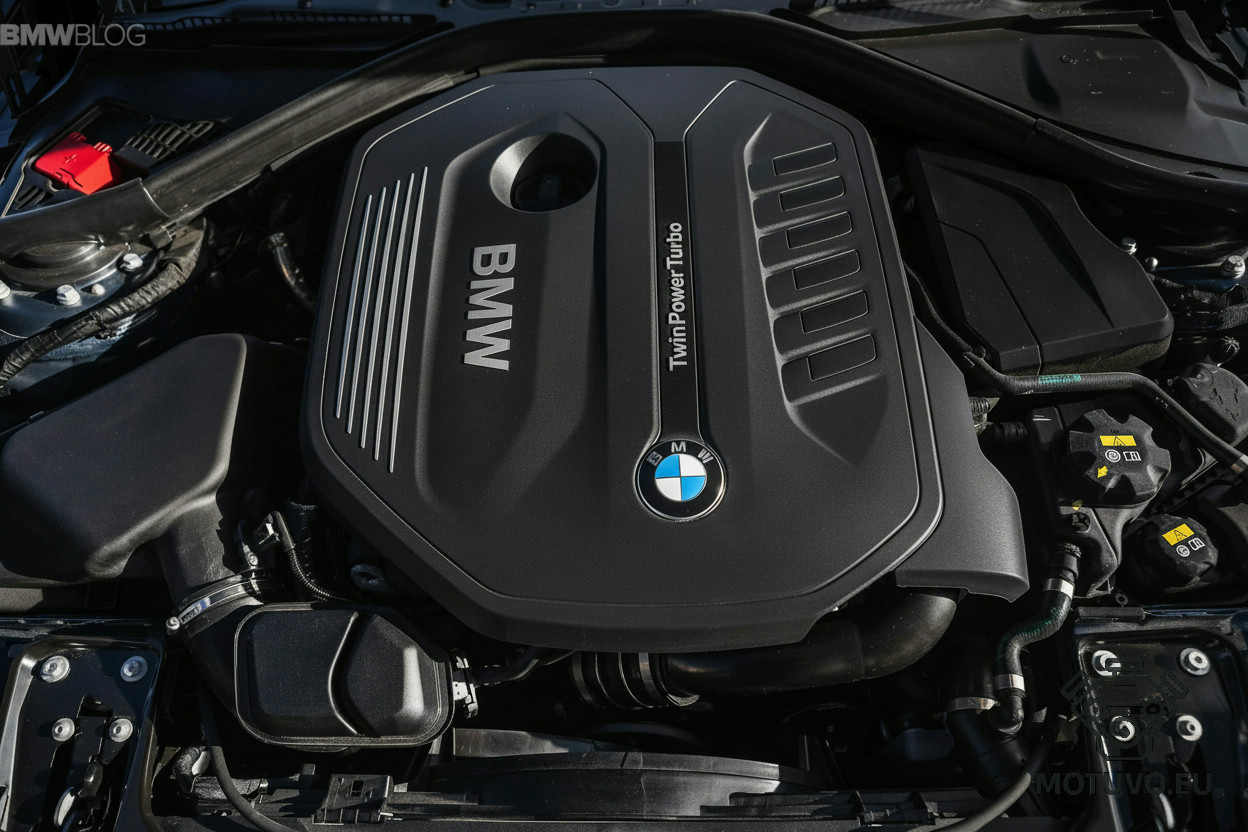
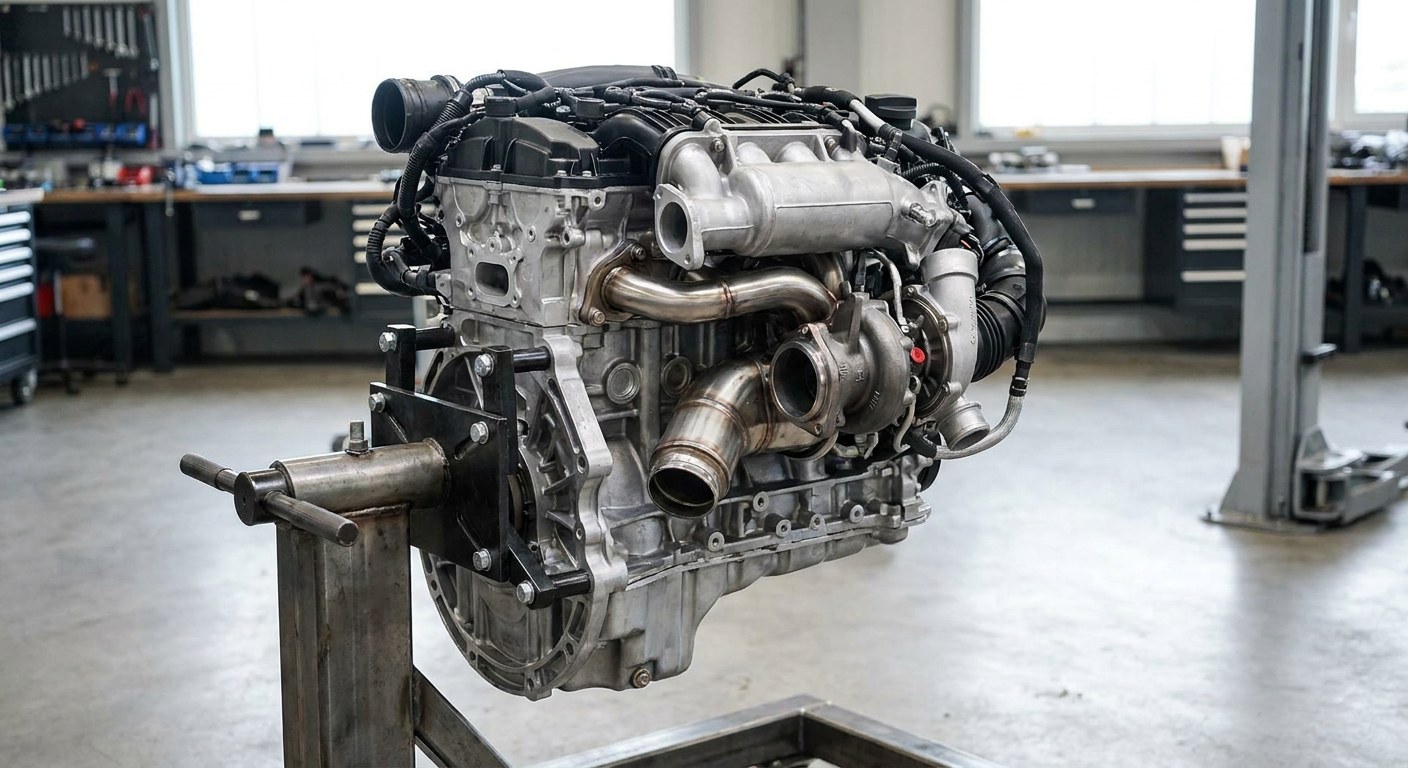
The B58B30M0 is a member of BMW’s B58 family of turbocharged, straight-six petrol engines. This Motuvo.eu listing identifies the engine as a 3.0L B58B30 rated at 265 kW. Its combination of smooth six-cylinder operation, strong torque delivery and efficient combustion makes it an attractive replacement option for a correctly matched BMW.
The B58 family uses direct fuel injection, a twin-scroll turbocharger, variable camshaft timing and Valvetronic variable intake valve lift. These technologies provide responsive performance while allowing precise control of engine load. However, the engine code alone does not establish complete replacement compatibility: production date, vehicle specification, electronics and supplied ancillary components must also be checked.
How popular and widely used is the B58?
The B58 became an important engine family in BMW’s performance-oriented petrol range, succeeding the N55 in many applications. Its modular architecture and broad torque delivery suited both passenger cars and SUVs. Within the supplied catalogue, B58B30M0 applications span the BMW 3 Series, 4 Series, X3 and X4.
This spread across different body styles makes the family familiar to BMW specialists and independent workshops. There is established experience with servicing, diagnosis and replacement work, although familiarity should not substitute for checking the precise engine specification.
Do not assume every listed vehicle originally produced 265 kW. Factory outputs can vary by market, production period and calibration. The 265 kW figure describes this catalogue product; the application list should be treated as a starting point for verification rather than proof that every vehicle uses identical hardware and software.
Other part numbers and engine variants
B58B30 describes the broader engine designation, while B58B30M0 is the more specific identifier supplied for this product. Neither should be confused with a complete BMW service part number for a particular replacement assembly. Engine identification, donor information and vehicle-specific parts data should be compared before ordering.
Related BMW catalogue engines
- B58B30M1 — 3.0L, 250 kW, petrol: another B58 designation in the catalogue. Its shared family name does not establish direct interchangeability with B58B30M0.
- S58B30T0 — 3.0L, 353 kW, petrol: part of BMW’s higher-performance S58 family, which has significant differences from the B58. It is not a like-for-like replacement.
The catalogue also lists M156B, DCKA / DCJA, DKKA / DKKB, CGWC, DLZA / CWGD, DCHA, DKCA and XFX engines. These are separate catalogue entries, not established B58B30M0 alternatives. Similar displacement, fuel type or power output is not evidence of compatible mountings, transmissions, electronics or emissions equipment.
Catalogue model applications
The supplied catalogue description identifies the following applications. Use these details to narrow the search, then confirm suitability against the vehicle’s VIN and original engine identification.
- BMW 3 Series 340i: 2016–2019, F30 / F31 / F34.
- BMW 4 Series 440i: 2016–2019, F32 / F33 / F36.
- BMW X3 M40i: 2017–2019, G01.
- BMW X4 M40i: 2018–2019, G02.
These are the applications supplied for this listing, not a guarantee of universal fitment across each range. Depending on the donor and recipient vehicle, sump configuration, mounting brackets, cooling connections, exhaust connections and accessory layout may differ. Rear-wheel-drive and all-wheel-drive installation requirements also need checking where relevant.
Strong points of the B58B30M0
Robust architecture and smooth operation
The B58 uses a closed-deck aluminium cylinder block, providing substantial support around the cylinders. Its inline-six layout offers inherently balanced operation, contributing to refinement under load and at cruising speeds. These are valuable qualities in both touring cars and heavier SUVs.
Responsive turbocharging
A twin-scroll turbocharger separates exhaust pulse groups on their way to the turbine, helping maintain useful pulse energy and improve response. The B58 also uses indirect, liquid-cooled charge-air cooling, allowing a compact intake arrangement. Correct operation of both the engine cooling and charge-air cooling circuits is essential to consistent performance.
Flexible everyday performance
Direct injection, variable valve timing and variable valve lift help balance torque delivery with efficiency. For a replacement buyer, however, the strongest argument is a healthy, correctly matched engine in standard specification. The family’s popularity for tuning should not be mistaken for evidence that an unknown modified unit has experienced little wear.
Weak points and common failures to investigate
The B58 has a generally favourable reputation, but age, heat cycles, maintenance and operating history still matter. The following are useful inspection areas rather than faults that affect every engine.
Coolant leaks and cooling-system condition
Inspect coolant connections, hoses, plastic housings and the oil filter housing area for leakage. A cooling-system pressure test can reveal problems that are difficult to identify on a cold, stationary engine. Unexplained coolant loss needs diagnosis rather than repeated topping up; overheating can turn an external leak into internal engine damage.
Crankcase ventilation and oil leaks
Problems with the crankcase ventilation system integrated into the cylinder head cover can cause abnormal crankcase pressure, whistling, rough running or increased oil consumption. Check the cover and surrounding seals for leaks. Smoke should be investigated systematically because ventilation faults, turbocharger issues and internal wear can produce overlapping symptoms.
Ignition, fuelling and running quality
Worn spark plugs and faulty ignition coils can cause misfires, especially under boost. Injector or fuel-pressure problems can also affect starting and combustion. Read stored faults and evaluate misfire data and fuel pressures before blaming the basic engine assembly. Avoid continued operation with severe misfires, which can damage the catalytic converter.
Oil history and mechanical noise
Correct oil specification and sensible service intervals are important for the turbocharger, valve-control systems and timing components. Investigate persistent rattling, low oil pressure or metallic debris. Timing-system repairs can be labour-intensive because of the rear-mounted arrangement, although this does not mean timing failure is inevitable or universally common.
What to consider when replacing this engine
Identify why the original engine failed before installing another unit. Overheating, fuel-system faults, oil starvation or debris left in connected systems can damage the replacement if the underlying cause remains unresolved.
- Verify identity: compare the VIN, original engine marking, donor details and relevant BMW parts information.
- Confirm the supplied assembly: ask whether the purchase includes the turbocharger, injectors, pumps, wiring, sensors, manifolds and accessories.
- Check mechanical compatibility: confirm the sump, mounts, transmission interface and cooling and exhaust connections.
- Plan electronics integration: establish which original control units and harnesses must be retained and whether coding or adaptations are required.
- Request condition evidence: ask about documented mileage, test results, inspection findings and any rebuild work where applicable.
- Review purchase terms: clarify warranty conditions, installation requirements and any exchange or core-return arrangements before payment.
During installation, inspect accessible seals and service items, clean contaminated connected systems and follow BMW procedures for lubrication preparation, filling and bleeding. After starting, check oil pressure, leaks, operating temperatures and diagnostic data before applying significant load.
Buy the B58B30M0 engine at Motuvo.eu
Looking for a BMW B58B30M0 3.0L petrol engine rated at 265 kW? Visit the B58B30M0 engine product page at Motuvo.eu to buy this engine and confirm current availability, condition and included components. Provide your VIN and original engine details before ordering so compatibility can be checked for your specific vehicle.