BMW B58B30M0 250 kW Engine: Applications and Buying Guide
Introduction to the BMW B58B30M0 Engine
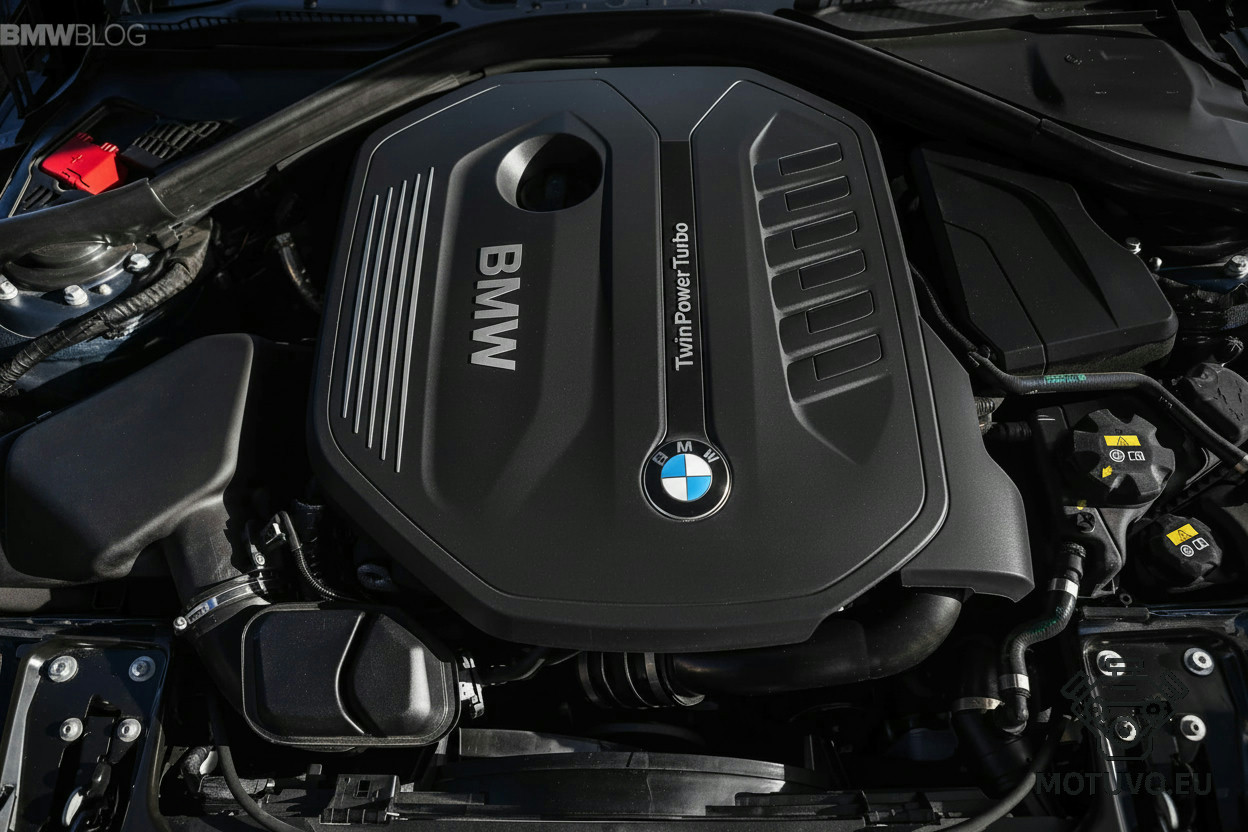
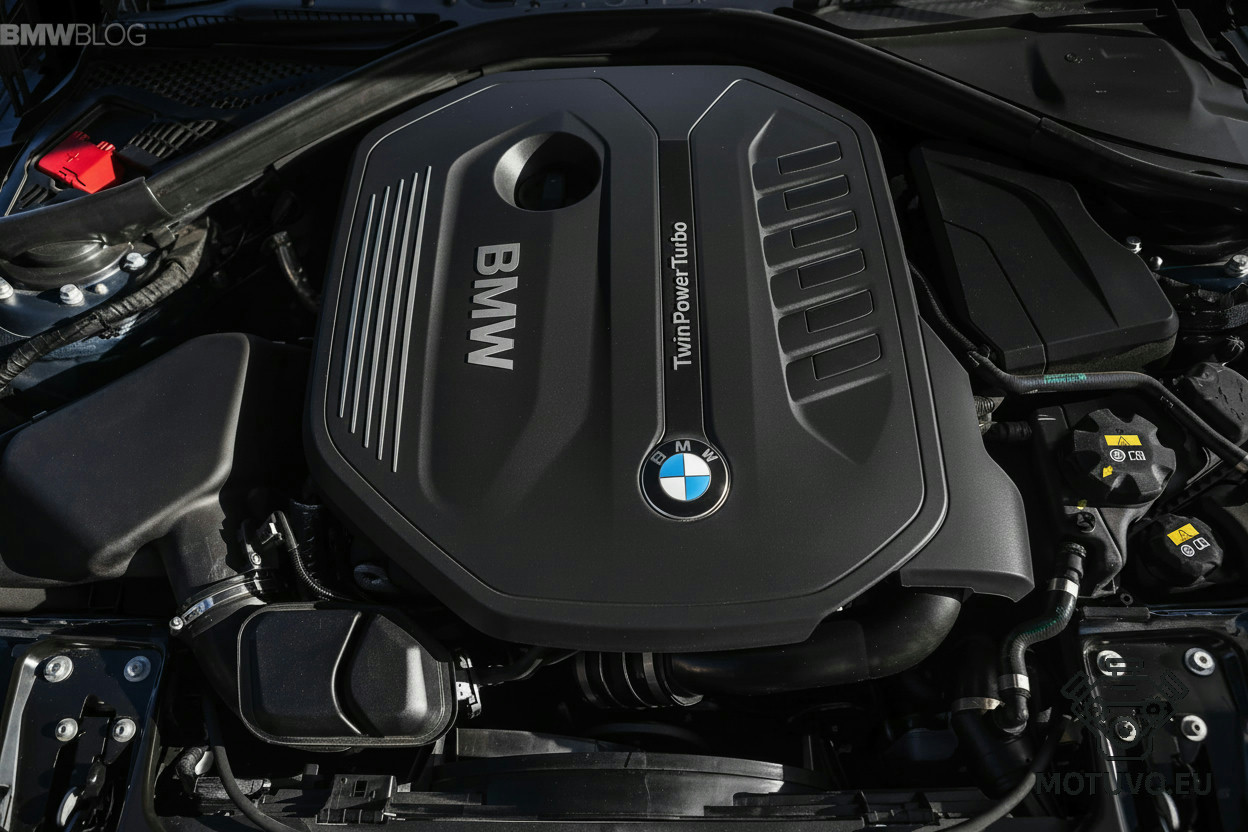
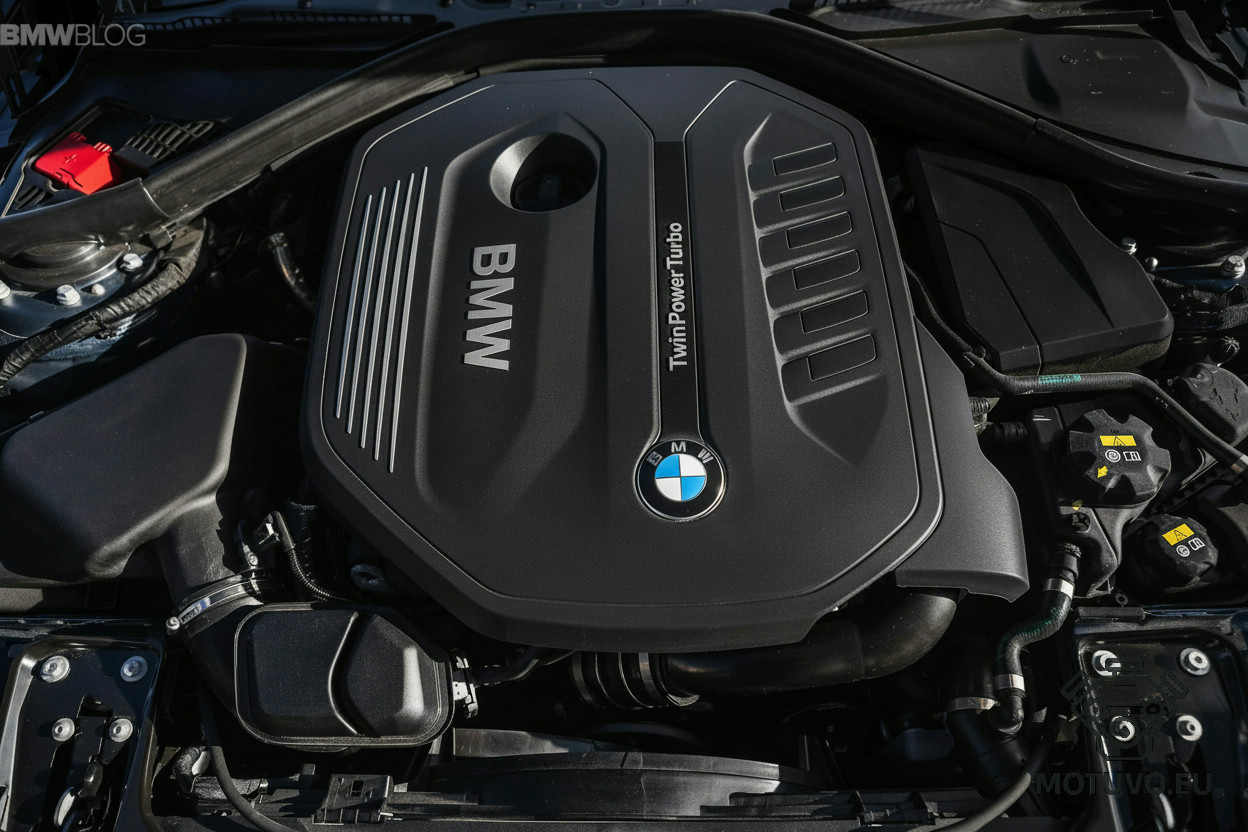
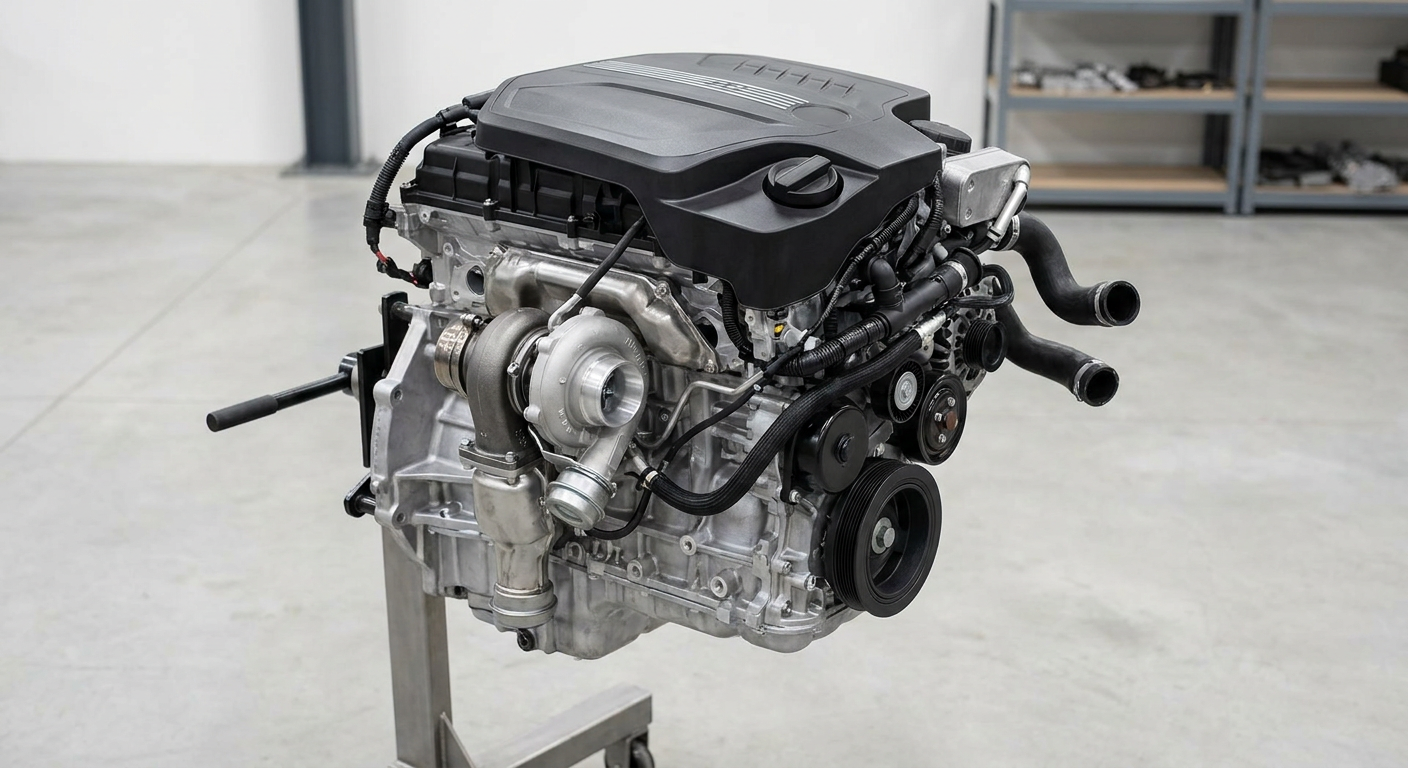
The B58B30M0 is a 3.0-litre petrol engine from BMW’s B58 straight-six family. The Motuvo.eu catalogue lists this version at 250 kW, equivalent to approximately 340 metric horsepower. It combines turbocharged performance with the smooth operation associated with an inline six-cylinder layout, making it well suited to both compact performance cars and larger executive models.
The B58 family uses direct petrol injection, a single twin-scroll turbocharger, variable camshaft timing and Valvetronic variable valve lift. Its aluminium construction and closed-deck block design provide a strong technical foundation. When buying a replacement, however, the family name alone is not enough: the complete engine designation, vehicle specification and supplied equipment must all be checked.
How Popular and Widely Used Is the B58?
The B58 became a significant engine family within BMW’s six-cylinder petrol range, succeeding the N55 in many applications. Its appeal comes from a broad torque delivery, refined running and strong performance without requiring a larger-displacement engine. It is also widely discussed among independent BMW specialists, which helps owners find informed maintenance and diagnostic support.
For this particular catalogue listing, the applications span the BMW 1 Series, 2 Series and 5 Series. That includes hatchback, coupé, convertible, saloon and touring body styles within the specified model codes. This breadth makes the B58B30M0 relevant to both enthusiast-owned cars and everyday long-distance vehicles.
Nevertheless, widespread use does not mean every B58 assembly is interchangeable. Production revisions, installation hardware and emissions equipment can vary, so a replacement must be selected for the individual vehicle rather than simply by displacement or advertised output.
Other Part Numbers and Variants
B58B30 identifies the engine family in this listing, while B58B30M0 is the more specific engine designation. Neither should be confused with a complete BMW service part number for a particular replacement assembly. A VIN-based parts check remains important when identifying the correct engine and any components that must transfer from the original unit.
The catalogue also contains B58B30M1, listed as 3.0L petrol with 250 kW. Although its displacement and listed power match, the different suffix must not be ignored. B58 revisions can involve changes to fuel delivery, cooling, electronics and other hardware. Identical power figures do not establish direct replacement compatibility.
Another catalogue entry is the S58B30T0, a 3.0L petrol engine rated at 353 kW. The S58 is a distinct high-performance engine family related to the B58 architecture, not a like-for-like replacement for this unit. Other 3.0-litre petrol engines appearing alongside the listing are catalogue alternatives, not confirmed cross-references. None should be treated as a substitute without specific technical validation.
Model Applications Listed in the Catalogue
Motuvo.eu supplies the following application information for the B58B30M0 250 kW listing:
- BMW 1 Series M140i, F20/F21: 2016–2019.
- BMW 2 Series M240i, F22/F23: 2016–2021.
- BMW 5 Series 540i, G30/G31: 2017–2019.
These are the catalogue’s stated applications, not a guarantee that every vehicle registered within those years uses an identical assembly. Build date, market specification, drivetrain layout and previous repairs can affect what is fitted. Confirm the VIN, original engine identification and relevant parts references before ordering, especially when a donor engine comes from a different body series.
Strong Points of the B58B30M0
Refinement and Flexible Performance
The straight-six configuration has inherently favourable primary and secondary balance, contributing to smooth running. Combined with turbocharging, it provides useful pulling power across a wide operating range rather than relying exclusively on high engine speeds. The listed 250 kW output gives substantial performance in the supplied applications.
Robust Basic Architecture
The B58’s closed-deck block supports the upper cylinder walls, helping the structure withstand combustion loads. This is a valuable engineering feature, but it does not make the engine immune to overheating, lubrication problems or poor tuning. Condition and maintenance history remain more important than the engine family’s reputation.
Integrated Charge-Air Cooling
The family uses liquid-cooled charge-air cooling integrated into the intake arrangement. This helps manage intake temperatures within a compact package. Together with variable valve control and direct injection, it supports responsive operation and efficient load management. Correct coolant circulation and a properly maintained intake system are essential to preserving those benefits.
Weak Points and Common Failure Checks
The following are useful B58 inspection areas, not a prediction that every B58B30M0 will develop these faults. Age, service intervals, operating conditions and modifications strongly influence reliability.
Coolant Leaks and Cooling-System Condition
Investigate falling coolant levels, dried coolant deposits or recurring temperature warnings. Check the oil-filter housing area, coolant connections, hoses and cooling-system components for leakage. Plastic parts and seals can deteriorate through heat cycling. A pressure test is preferable to replacing parts based solely on visible residue, and an overheating history warrants deeper engine inspection.
Crankcase Ventilation and Oil Leakage
Crankcase ventilation faults associated with the cylinder-head cover assembly can cause whistling, abnormal crankcase vacuum, rough running or smoke. Oil leaks around the cover and other sealing surfaces also deserve attention. Oil consumption should be assessed through measured usage and diagnosis rather than automatically attributed to worn piston rings or a failed turbocharger.
Ignition, Injection and Running Faults
Worn spark plugs and failing ignition coils can produce misfires, particularly under load. Injector faults, fuel-pressure problems and intake leaks can cause similar symptoms. Read fault codes and examine live data before condemning the complete engine. Modified vehicles require particular scrutiny because increased boost and unsuitable calibration can raise thermal and mechanical stress.
Turbocharger and Internal Condition
Check for abnormal turbocharger noise, boost-control faults, persistent exhaust smoke and excessive oil accumulation in the intake tract. Internal engine assessment may include compression, leak-down and oil-pressure testing. Unexplained timing-related noises should also be investigated; the B58’s rear-mounted timing drive can make associated repairs labour-intensive.
What to Consider When Replacing It
Establish why the original engine failed before installing another. An unresolved cooling fault, fuel-delivery problem or contaminated lubrication circuit can damage the replacement. Where a failure has released debris or oil into connected systems, inspect and clean or replace affected components as appropriate.
- Verify compatibility: compare the VIN, full engine designation, production details and applicable BMW parts references.
- Confirm installation hardware: check the sump, mounts, brackets, wiring, sensors and drivetrain-specific components.
- Clarify supply scope: establish whether the turbocharger, injectors, fuel pump, intake assembly and accessories are included.
- Request condition evidence: ask about documented mileage, available test results, service history and any rebuilding work.
- Check purchase terms: confirm warranty coverage, installation requirements, delivery arrangements and any exchange conditions.
A long engine and a fully dressed assembly can require very different installation budgets. Ask the workshop which original parts will be reused and whether they remain serviceable. If electronic modules or injection components change, appropriate programming, coding or adaptations may be required; the exact work depends on the components retained.
Before first start, follow the applicable lubrication priming, filling and cooling-system bleeding procedures. Use the vehicle-specific approved oil and coolant specifications. Finish the installation with leak checks, diagnostic verification and a controlled road test.
Buy a B58B30M0 Engine at Motuvo.eu
If you need a replacement for one of the listed BMW applications, visit Motuvo.eu to buy the B58B30M0 250 kW engine. Provide your VIN and original engine details when enquiring, and confirm availability, assembly contents and purchase terms before ordering. Careful matching helps avoid installation delays and supports a reliable return to service.