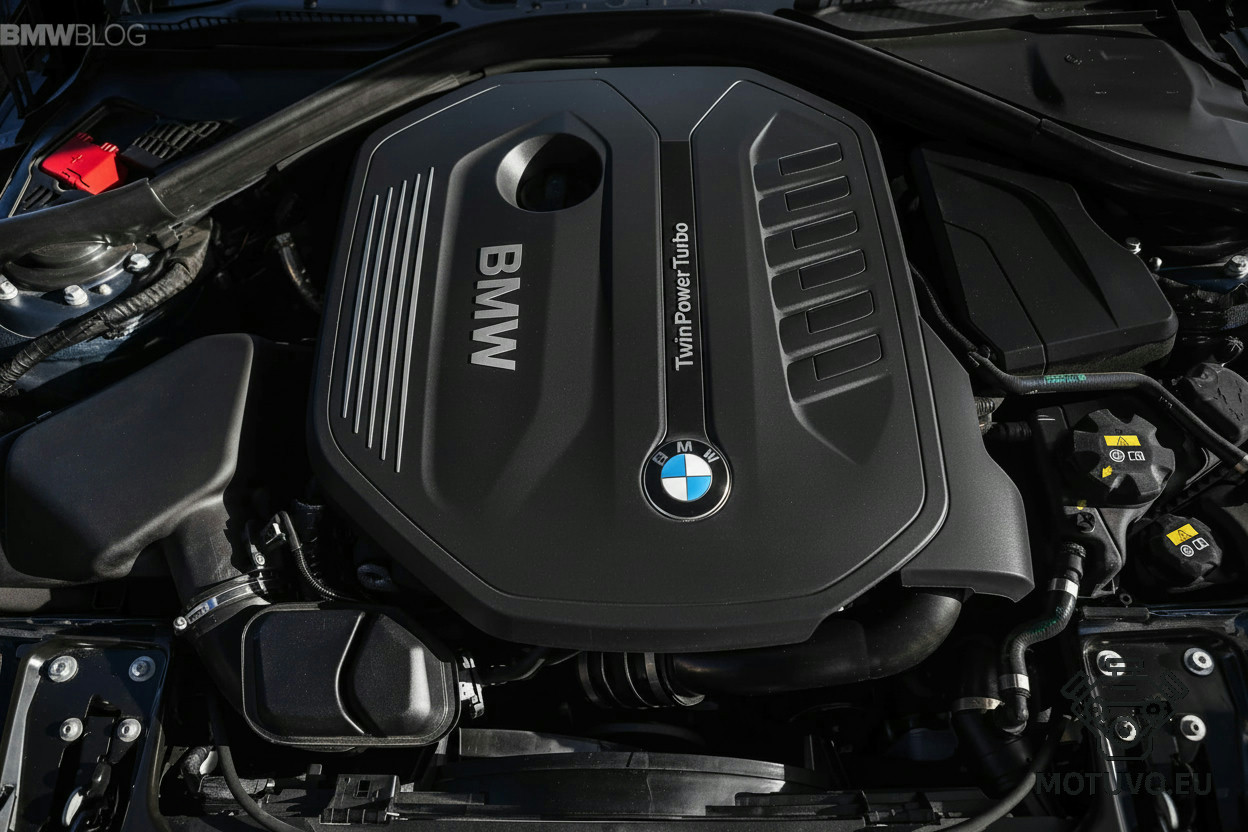
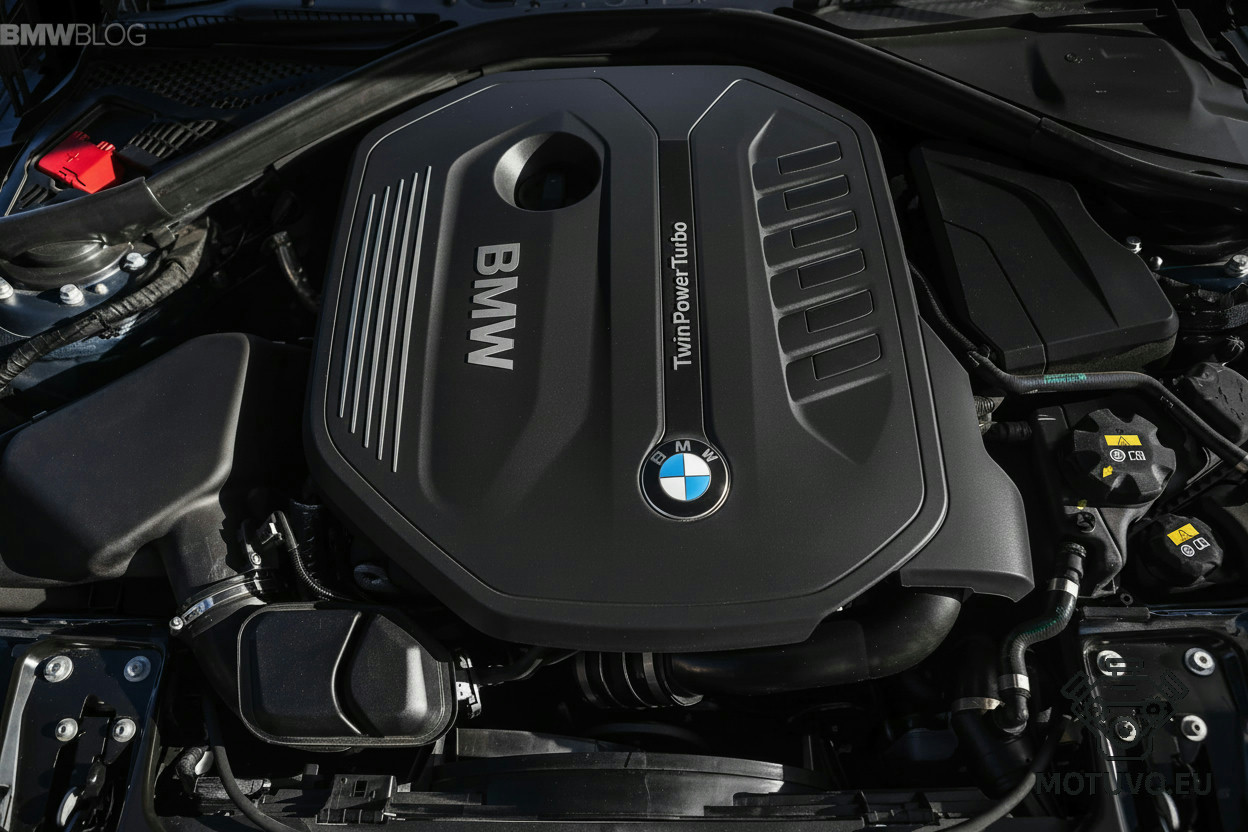
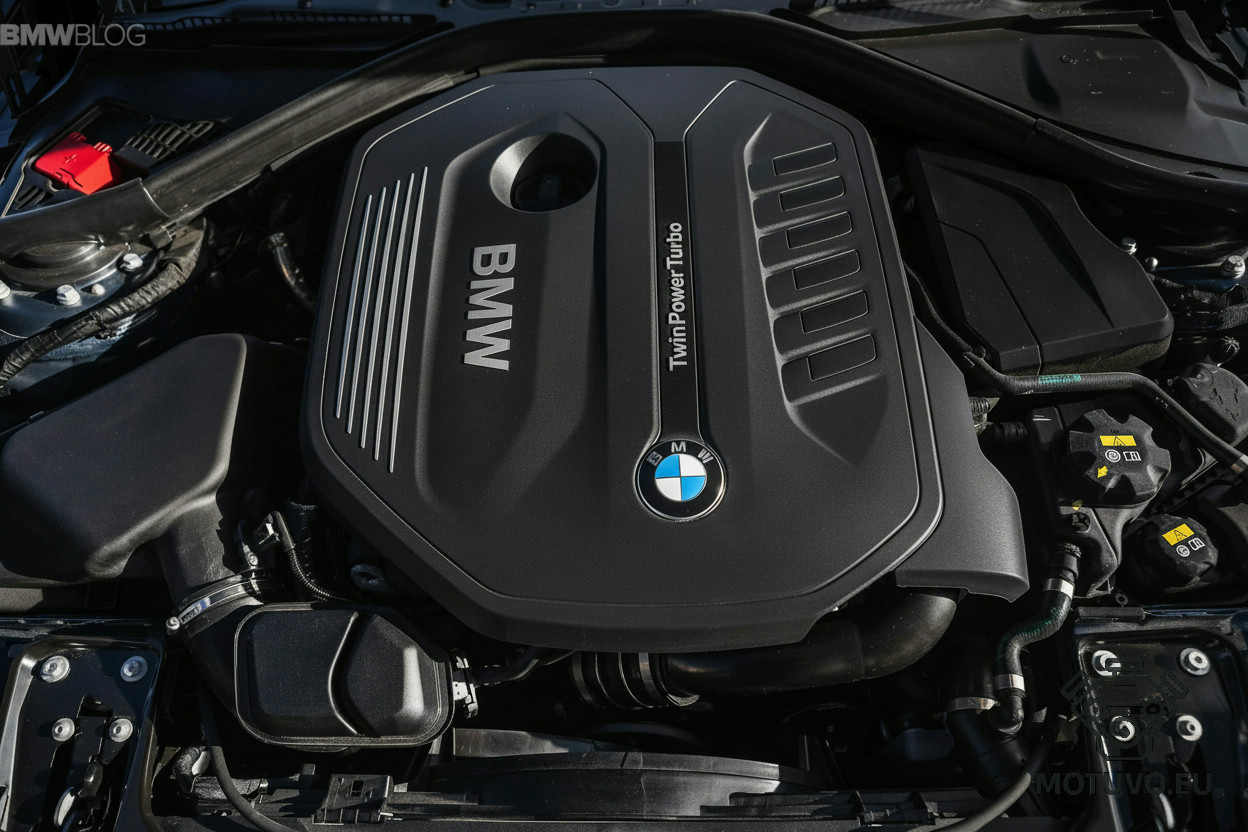
BMW B58B30M0 240 kW Engine: Applications and Buying Guide
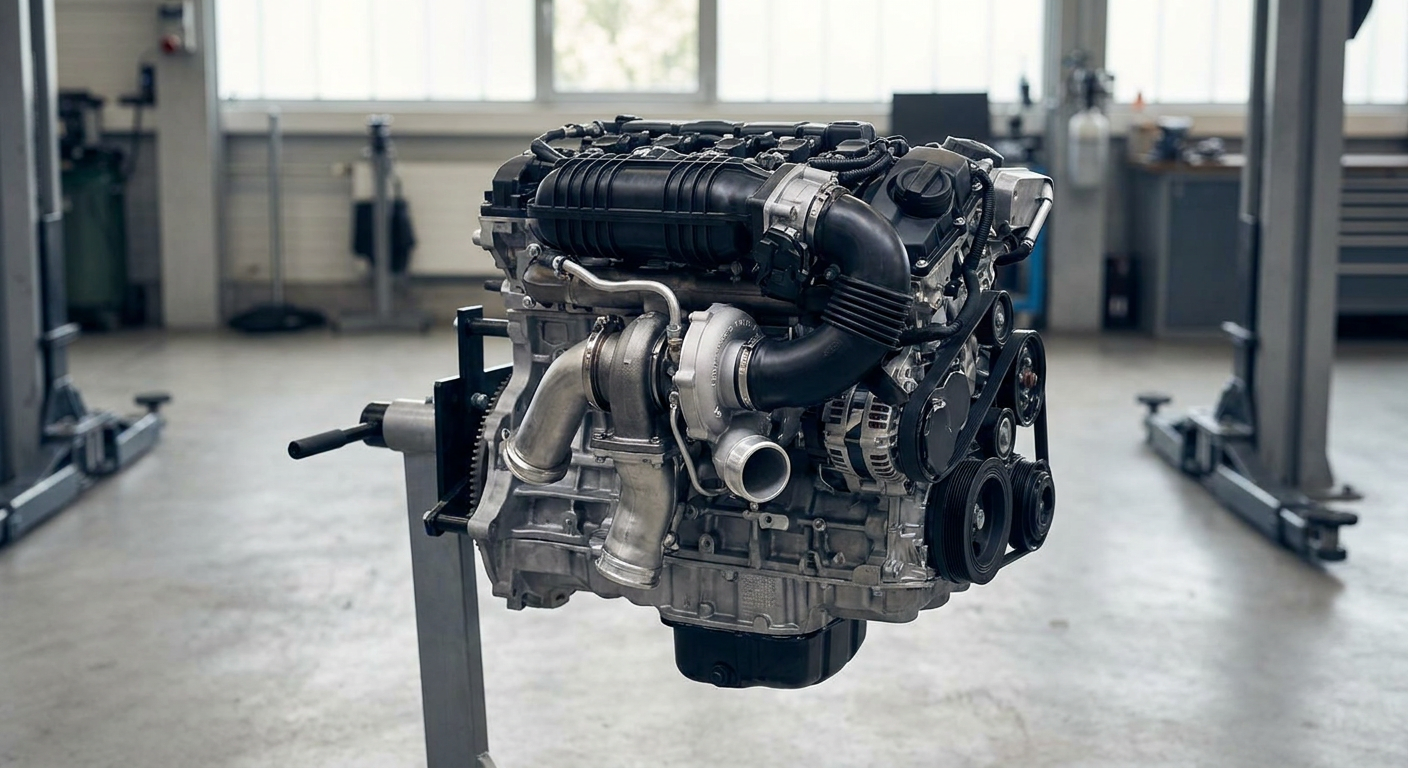
Introduction to the BMW B58B30M0 Engine
The B58B30M0 is a 3.0-litre turbocharged petrol engine from BMW’s B58 inline-six family. The Motuvo.eu catalogue identifies this engine as B5830A, with a rated output of 240 kW, approximately 326 metric horsepower. It combines the smoothness of a straight-six layout with direct fuel injection, variable valve control and turbocharging.
For anyone replacing a damaged engine, the headline specification is only the starting point. Engine generation, vehicle electronics, emissions equipment and supplied accessories all affect compatibility. This guide explains the engine’s characteristics, the applications listed in the catalogue and the checks needed before purchasing a replacement.
How Popular and Widely Used Is the B58?
The B58 became a significant part of BMW’s petrol engine range during the mid-2010s, succeeding the N55 in many six-cylinder applications. Its modular design combines a strong core architecture with technologies intended to improve performance, efficiency and thermal management. The family has developed a substantial service and specialist knowledge base.
The supplied application list shows this 240 kW version spanning three BMW model ranges: the 3 Series, 4 Series and 7 Series. That breadth reflects the engine’s suitability for both relatively compact performance cars and larger luxury saloons. However, widespread use of the B58 family does not mean that every B58 engine is interchangeable. Production revisions and vehicle-specific components remain important when sourcing a replacement.
Other Part Numbers and Variants
B58B30M0 is the engine identifier used for this product, while B5830A is the engine name recorded in the supplied catalogue. These references are useful for searching, but neither should replace a VIN-based compatibility check. Confirm the original engine’s identification and the replacement unit’s markings before ordering.
B58B30M1 and S58B30T0
The catalogue also lists a B58B30M1, 3.0L petrol, 250 kW. This is a different B58 variant, not simply another name for the 240 kW engine. Later revisions can involve changes to fuelling, cooling, cylinder-head design, emissions hardware and electronic control. Matching displacement alone is insufficient.
The listed S58B30T0, 3.0L petrol, 353 kW belongs to BMW’s related high-performance S58 family. Its different engineering and operating requirements mean it should not be treated as a direct replacement for the B58B30M0.
Other Catalogue References
Other related catalogue entries include M156B, DCKA / DCJA, DKKA / DKKB, CGWC, DLZA / CWGD, DCHA, DKCA and XFX. Their appearance alongside this product does not establish mechanical or electronic compatibility. They are not alternative B58B30M0 identifiers and should not be used as substitution references.
Model Applications Listed in the Catalogue
The catalogue supplies the following applications for this engine:
- BMW 3 Series: 2015–2019 F30/F31/F34 340i.
- BMW 4 Series: 2016–2019 F32/F33/F36 440i.
- BMW 7 Series: 2016–2019 G11/G12 740i/Li.
These entries define the catalogue’s application scope, rather than guaranteeing compatibility with every vehicle registered during those years. Build date, market specification, drivetrain configuration and emissions standard can affect the installation. A registration year may also differ from the actual production date.
Provide the supplier with the VIN, original engine identification and vehicle details. Where necessary, compare the sump, mounting brackets, wiring connectors, intake arrangement and exhaust connections against the existing engine.
Strong Points of the B58B30M0
Smooth Inline-Six Operation
An inline-six layout has inherently favourable primary and secondary balance. This contributes to the refined operation associated with BMW’s six-cylinder petrol engines. Combined with turbocharging, it delivers strong everyday performance without requiring frequent high engine speeds.
Robust Core Architecture
The B58 family uses a closed-deck aluminium cylinder block, providing substantial support around the cylinder bores. This is a useful foundation for a turbocharged engine, although it does not make the engine immune to overheating, lubrication failures or damage caused by unsuitable tuning.
Responsive Turbocharging and Valve Control
The original B58 generation uses a single twin-scroll turbocharger, not two separate turbochargers. Its exhaust-flow arrangement helps support responsiveness. BMW’s variable camshaft timing and Valvetronic variable intake-valve lift also help manage airflow across changing operating conditions.
Water-cooled charge-air cooling integrated into the intake assembly helps control intake temperatures in a compact package. These systems support performance and efficiency, provided their cooling circuits, sensors and actuators remain in good condition.
Weak Points and Common Failures
The B58 is generally well regarded, but a used example should be assessed on its actual condition and maintenance history. None of the issues below should be assumed to affect every engine.
Cooling-System Leaks
Coolant loss deserves prompt investigation. Plastic housings, connections, hoses and cooling-system components can deteriorate through age and heat cycling. The oil-filter housing area is one inspection point on B58 engines. Pressure-test the relevant circuits and inspect for dried coolant deposits rather than relying only on the absence of a warning light.
Crankcase Ventilation Problems
Faults in the crankcase ventilation system can produce whistling, abnormal crankcase vacuum, rough running or increased oil consumption. Valve-cover and ventilation components should be checked before concluding that smoke necessarily indicates worn piston rings or a failed turbocharger.
Oil Leaks and Ignition Faults
Inspect the valve-cover perimeter, oil-filter housing area and accessible seals for leakage. Spark plugs and ignition coils are also important diagnostic checks when investigating misfires, particularly under load. Persistent misfires require further testing of injection, fuel pressure and mechanical condition rather than repeated replacement of ignition parts.
Direct-Injection and Repair Complexity
Direct injection does not wash the intake valves with fuel, so intake deposits are a possible diagnostic consideration when symptoms justify inspection. High-pressure fuel-system faults can also affect starting and running. Major timing-drive repairs can be labour-intensive because of the B58’s rear-mounted timing arrangement; this is a service-access consideration, not proof of a universal timing-chain defect.
What to Consider When Replacing It
Confirm Compatibility and Supply Scope
Ask whether the offer covers a bare engine, long block or a more complete assembly. Do not assume that the turbocharger, injectors, high-pressure pump, wiring loom, intake assembly, starter or alternator are included. Obtain a written list and compare the replacement with the original installation.
Confirm which original accessories must be transferred and whether vehicle-specific coding, adaptations or component calibration will be required. An ECU supplied with a donor engine should not be assumed to work directly with the vehicle’s immobiliser and other control modules.
Check Condition and Documentation
- Request documented mileage and service history where available.
- Ask for available compression, leak-down or running-test results.
- Clarify warranty terms, installation requirements and any exchange conditions.
- For a rebuilt engine, request details of machining, measurements and replaced components.
- Check for evidence of overheating, oil contamination or previous modifications.
Resolve the Original Failure
Identify why the old engine failed before fitting another one. Cooling faults, fuel-system problems, turbocharger damage or debris remaining in connected systems can jeopardise the replacement. Inspect affected oil and air paths, replace contaminated components where necessary, and follow the applicable BMW procedures for lubrication-system priming, cooling-system filling and bleeding.
Buy a B58B30M0 Engine at Motuvo.eu
Looking for a BMW B58B30M0 3.0L 240 kW petrol engine? Visit the B58B30M0 engine product page at Motuvo.eu to enquire about purchasing. Supply your VIN and original engine details so compatibility, available condition, included components and warranty terms can be confirmed before you order.