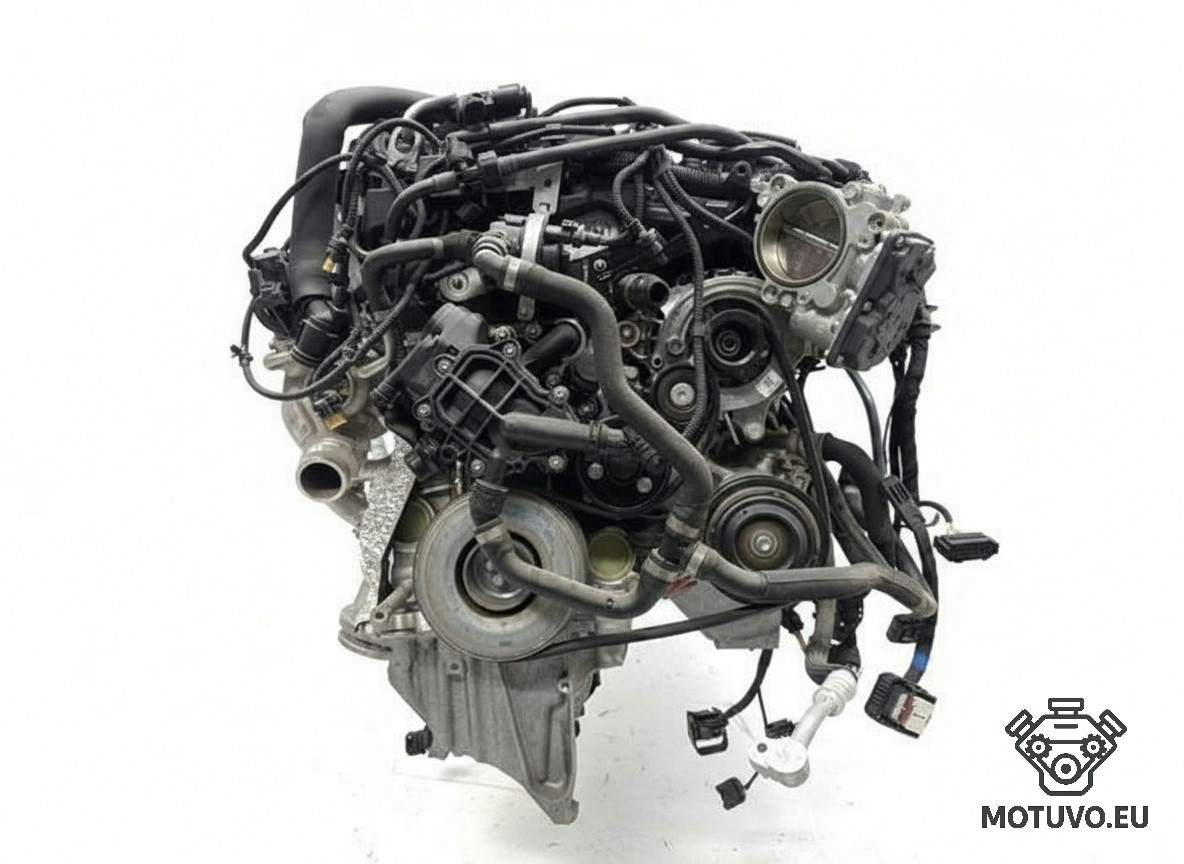
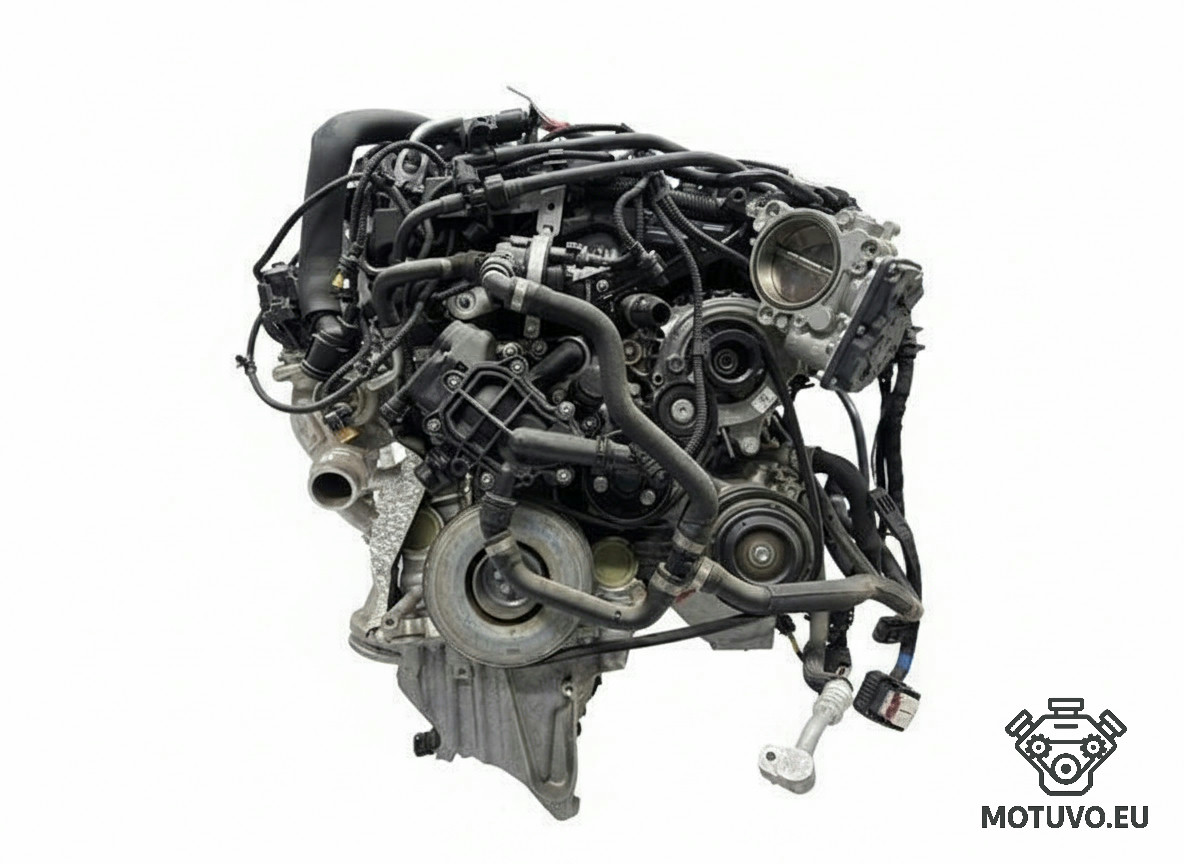
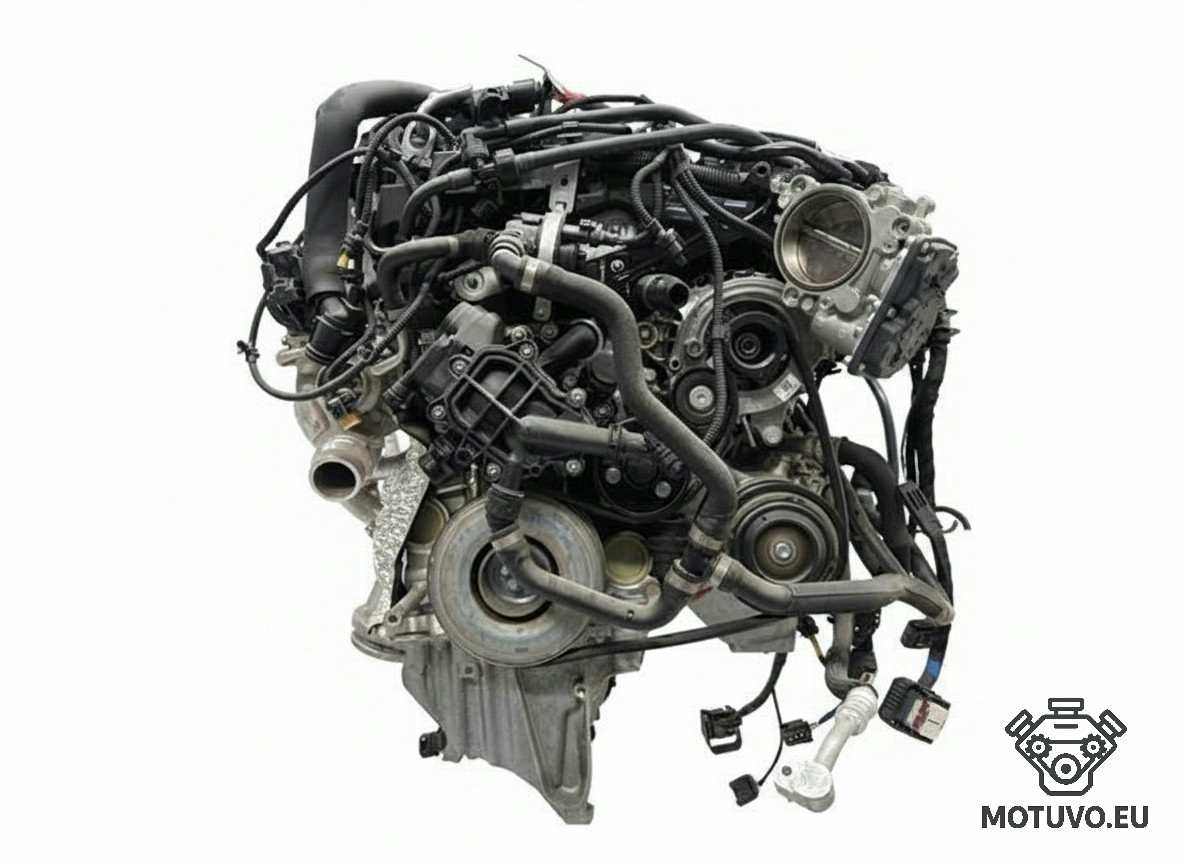
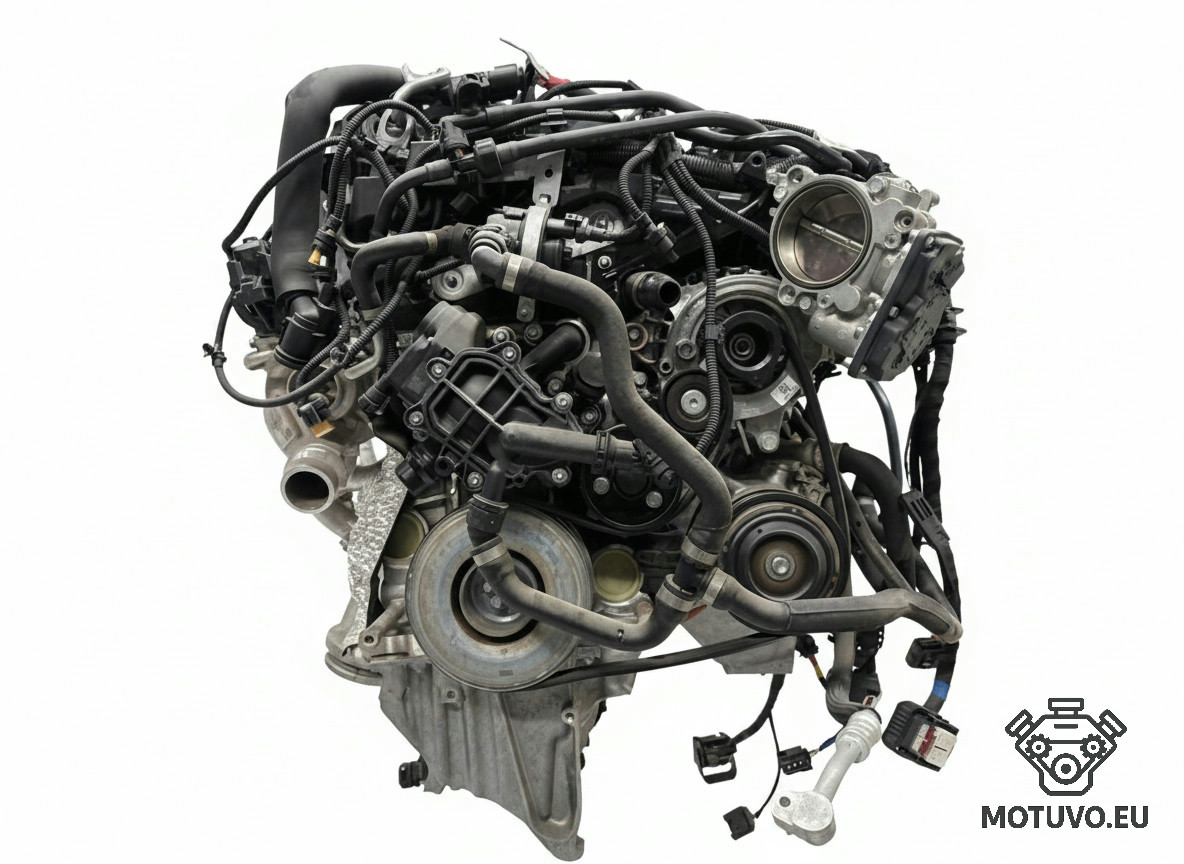
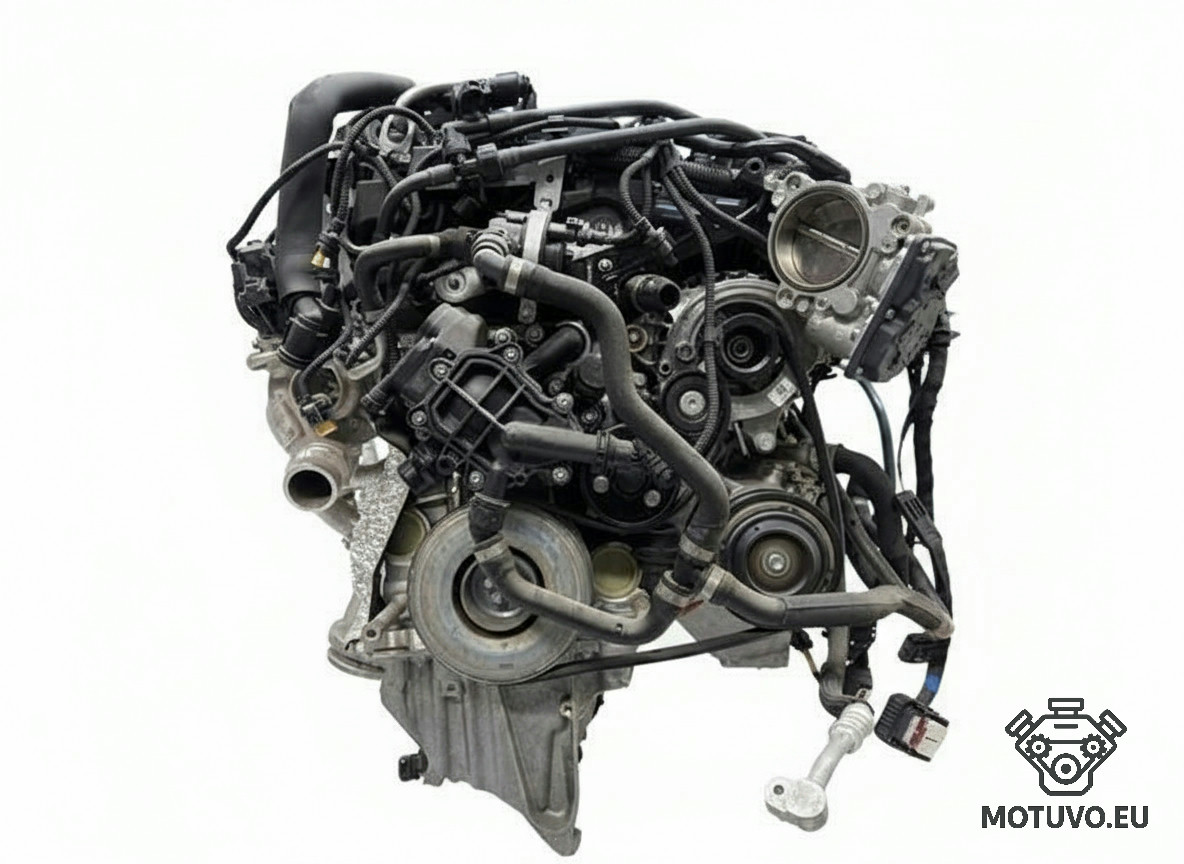
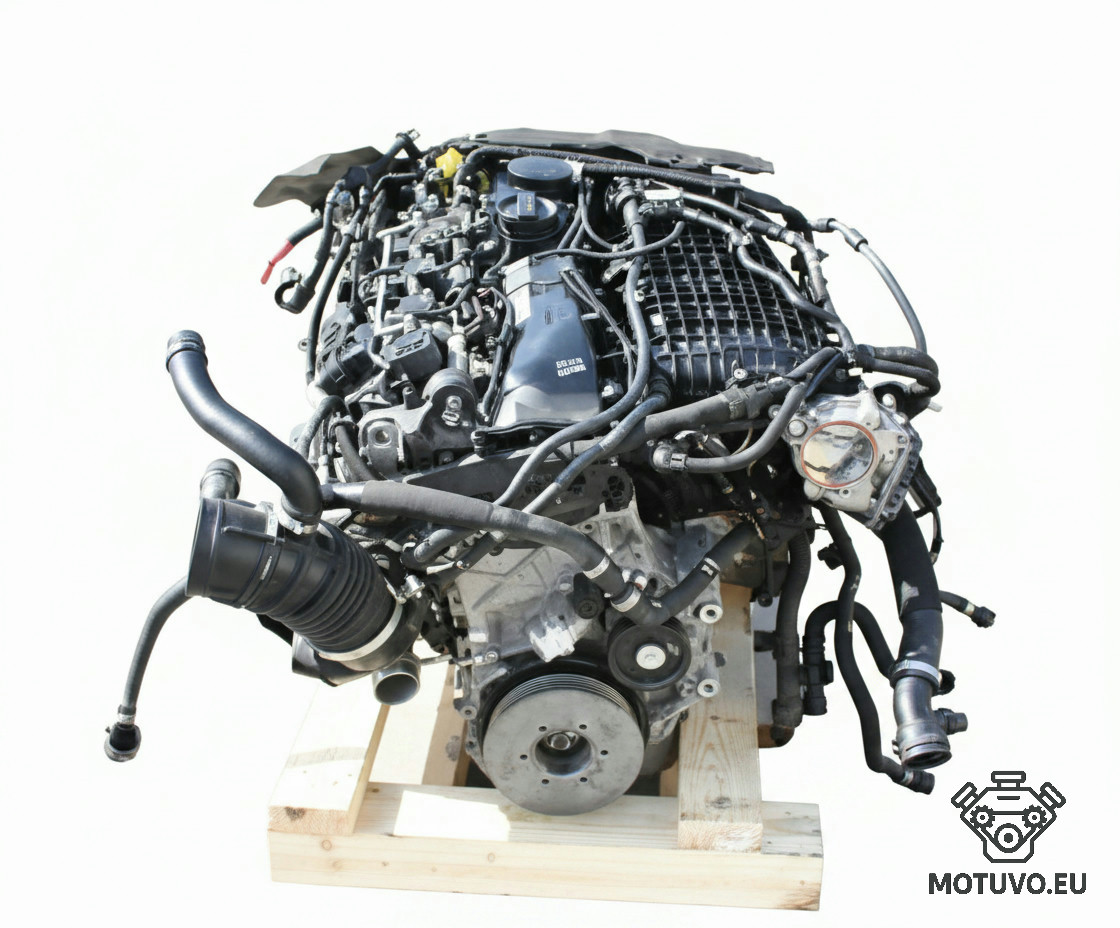
B48B20 225 kW Engine: BMW Applications and Buying Guide
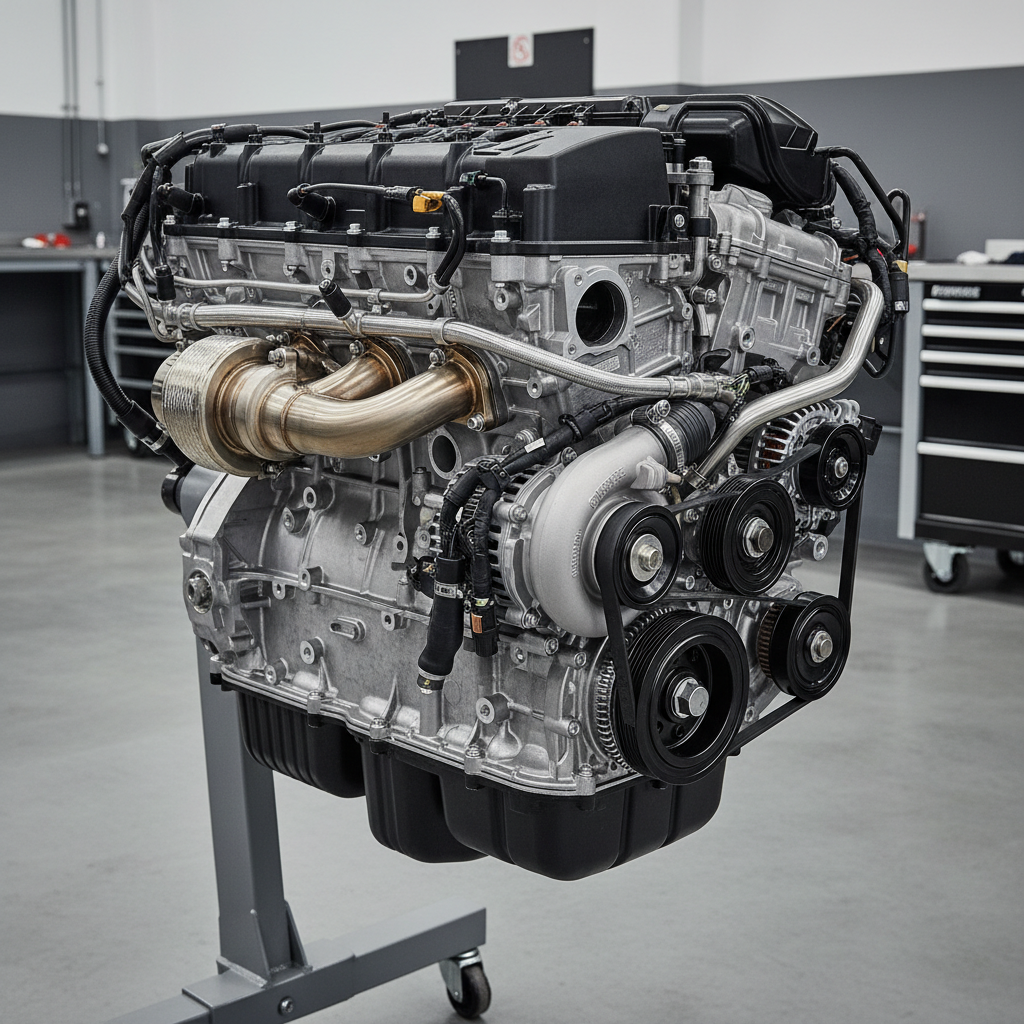
Introduction to the B48B20 225 kW Engine
The B48B20 225 kW engine is listed in the Motuvo.eu catalogue as a 2.0-litre petrol unit for selected BMW M Performance models. Its output corresponds to approximately 306 metric horsepower, placing it among the higher-output versions of BMW's modular four-cylinder petrol engine family.
The B48 family combines turbocharging, direct petrol injection, variable camshaft timing and variable intake valve lift. These technologies provide strong torque from a relatively compact engine while supporting efficient operation at lighter loads. However, a shared family designation does not make every B48 interchangeable. For this catalogue entry, the 225 kW specification and the original vehicle's exact engine identification are essential purchasing references.
How Popular and Widely Used Is This Engine?
The B48 is a widely used BMW petrol engine family, developed around the manufacturer's modular engine architecture. Its broad use means that many independent BMW specialists are familiar with its servicing requirements, diagnostic systems and typical inspection points. Routine service parts are generally well supported, although high-output components require more specific identification.
The 225 kW engine covered here has a narrower application range than the B48 family as a whole. The supplied catalogue places it in three compact BMW performance models across the 2019–2024 period, with the X2 application ending in 2023. These applications use a transverse powertrain layout and xDrive all-wheel drive.
This distinction matters when sourcing a replacement. General B48 popularity can help with technical support, but an engine from a different installation layout or output class should not be assumed to fit these vehicles.
Other Part Numbers and Engine Variants
B48B20 is a catalogue identifier, not a complete interchangeability guarantee. BMW engine descriptions, stamped identifiers and replacement assembly references can contain additional letters, suffixes or revision information. Transverse B48 installations may also appear under B48A20-based designations in technical documentation. Any difference between a listing and the vehicle's documentation should be resolved through VIN-based verification before ordering.
Motuvo.eu also lists a B48B20 2.0L petrol engine rated at 180 kW. Although it shares the catalogue engine name, it must not be treated as a direct substitute for the 225 kW unit. Output differences can involve turbocharging, internal components, cooling arrangements and electronic calibration, depending on the exact version.
The other engines supplied as related catalogue entries are not alternative part numbers for this engine:
- N26B20A and N20B20A, 180 kW: different BMW petrol engine families, not equivalent B48 replacement assemblies.
- BGB, BPY and BWA, 147 kW, and BUL, 162 kW: Volkswagen Group petrol engine identifiers, not BMW B48 variants.
- G4KD, 121 kW; MR20DE, 104 kW; and G4ND, 121 kW: unrelated petrol engines that require entirely different vehicle compatibility checks.
Matching displacement or fuel type alone is never sufficient when choosing a replacement engine.
Model Applications in the Catalogue
The supplied catalogue identifies the following applications for this 2.0L, 225 kW petrol engine:
- BMW 1 Series: 2019–2024 F40 M135i xDrive.
- BMW 2 Series: 2019–2024 F44 M235i xDrive Gran Coupé.
- BMW X2: 2019–2023 F39 X2 M35i xDrive.
These entries should not be extended to every 1 Series, 2 Series or X2. The chassis code, performance designation and production period are all relevant. Even within a listed application, build-date revisions and market-specific emissions equipment can affect the parts needed for installation.
Strong Points of the B48 Engine
Strong Performance from a Compact Package
At 225 kW, this specification delivers substantial power without the size and weight of a larger-displacement engine. Turbocharging provides the airflow needed for high output, while the compact four-cylinder layout suits the transverse installations listed above. Correct boost control and effective charge-air cooling are central to maintaining that performance.
Flexible Valve and Combustion Control
The B48 family's variable camshaft timing and Valvetronic intake valve lift allow the engine to adjust its breathing across different operating conditions. Direct injection supports precise fuel delivery. Together, these systems help balance everyday drivability with strong acceleration, although they also make accurate electronic diagnosis important.
Established Specialist Knowledge
Experienced BMW workshops can assess fuel-pressure control, misfire counts, camshaft adaptation and boost regulation using suitable diagnostic equipment. This established knowledge base is valuable when evaluating a used engine or identifying whether a running fault actually originates in the engine, its ancillaries or the vehicle's electrical systems.
Weak Points and Common Failure Checks
The following are useful B48-family inspection areas, not a claim that every 225 kW engine develops the same faults. Maintenance, operating temperature, mileage and previous tuning all influence condition.
Cooling-System Leaks and Overheating
Inspect coolant housings, hose connections, the water pump area and components around the oil-filter housing for seepage. Plastic cooling components and seals can deteriorate with age and heat cycling. Unexplained coolant loss should be investigated with a pressure test rather than repeatedly topped up. Evidence of serious overheating warrants checks for cylinder-head and sealing damage.
Oil Leaks and Crankcase Ventilation
Check the valve-cover area, accessible seals and oil-filter housing for leakage. Crankcase ventilation faults can contribute to whistling, uneven idle or abnormal oil consumption. Oil use should be assessed alongside external leaks, turbocharger condition and cylinder condition rather than attributed automatically to worn piston rings.
Ignition, Injection and Boost Faults
Spark plugs and ignition coils are important diagnostic checks when investigating misfires under load. Injector faults or inadequate fuel pressure can cause similar symptoms, so replacing parts without testing can become expensive. Boost leaks, wastegate control problems and turbocharger wear should also be considered when performance falls below expectations.
Deposits, Lubrication and Mechanical Noise
Direct-injection engines can accumulate intake-valve deposits because fuel does not wash the valve backs. Cleaning should follow a diagnosis, not a blanket assumption. Investigate persistent timing-system noise, low oil-pressure warnings or metallic debris in the filter. Correct approved oil and sensible service intervals are particularly important in a high-output turbocharged engine.
What to Consider When Replacing This Engine
First establish why the original engine failed. An unresolved cooling fault, contaminated lubrication circuit or defective injector can damage the replacement. A workshop should document the underlying problem before installation begins.
- Confirm identity: match the VIN, original engine markings, production date and BMW assembly references against the offered unit.
- Verify the configuration: check the transverse layout, mounting points, sump, transmission interface, turbocharger and cooling connections.
- Clarify supply scope: establish whether the price includes a bare engine, long block or assembly with ancillaries. Request a written included-parts list.
- Assess condition: ask for available mileage evidence, donor information, running-test results and compression or leak-down findings.
- Check electronics and emissions: confirm sensor compatibility, wiring, fuel-system components and exhaust interfaces. Coding or adaptations may be necessary.
- Plan commissioning: follow the applicable oil-priming, coolant-filling and bleeding procedures, then check oil pressure, leaks and diagnostic faults.
Review the warranty terms and required installation documentation before purchase. Use the opportunity to replace necessary accessible seals and service items, while avoiding unnecessary transfer of damaged or contaminated ancillaries.
Buy the B48B20 225 kW Engine at Motuvo.eu
Looking for a replacement for one of the listed BMW M Performance applications? Visit the B48B20 225 kW engine product page at Motuvo.eu to enquire and buy. Provide your VIN and original engine identification to confirm compatibility, current availability, engine condition and the exact scope of supply before ordering.