B48B20 190 kW Engine: Applications and Replacement Guide
Introduction to the B48B20 190 kW engine
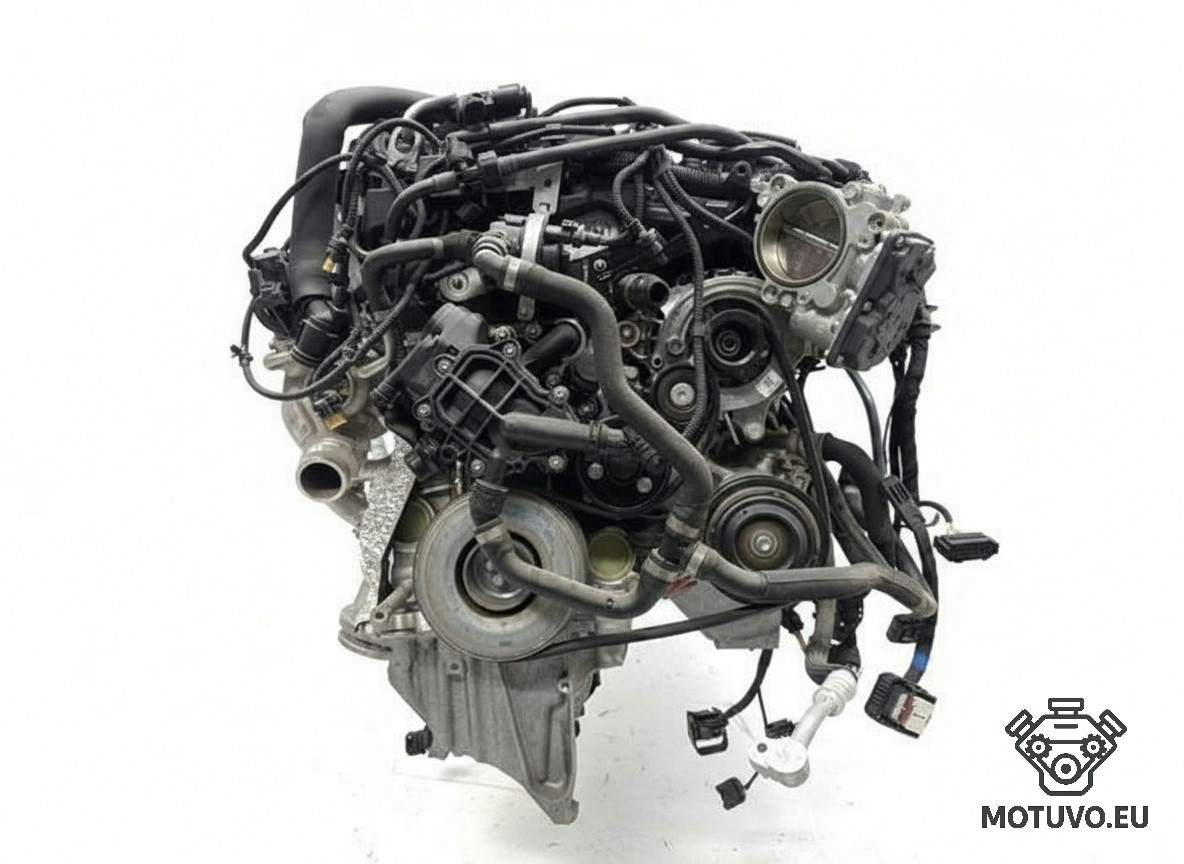
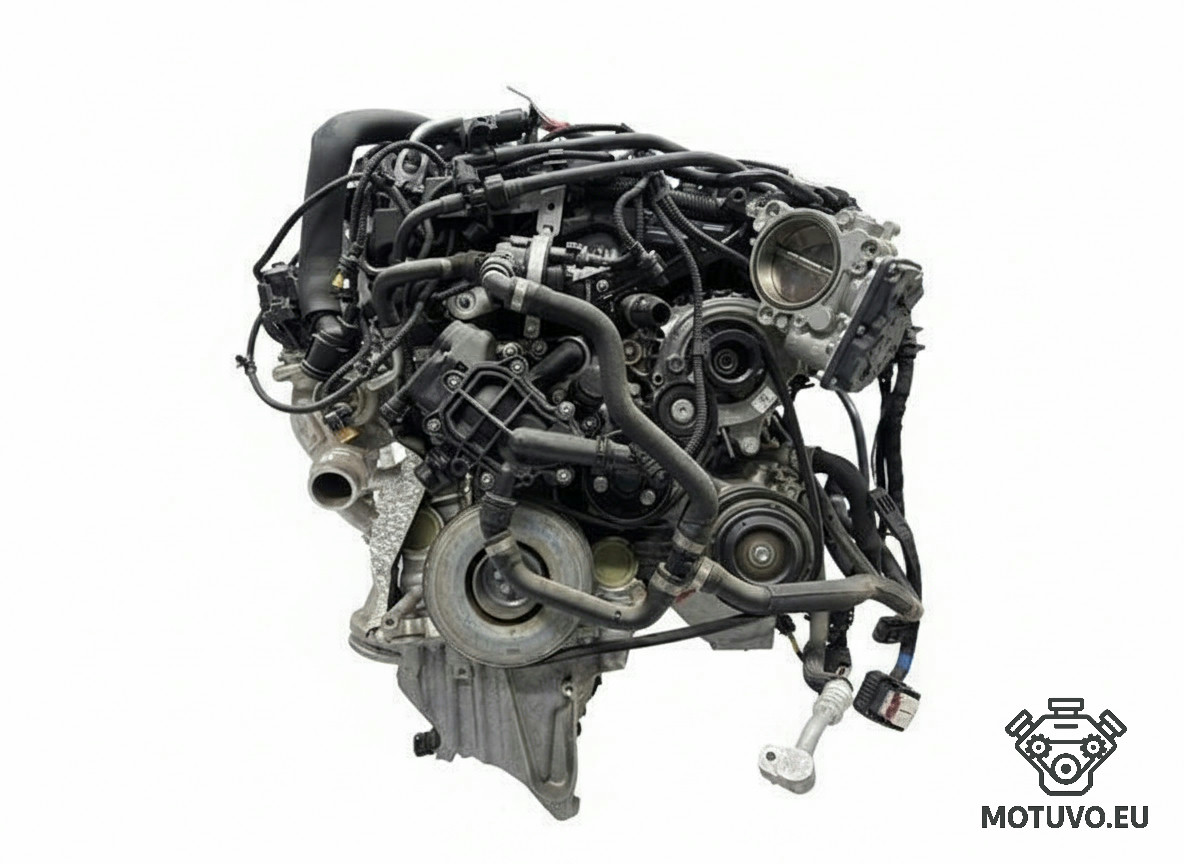
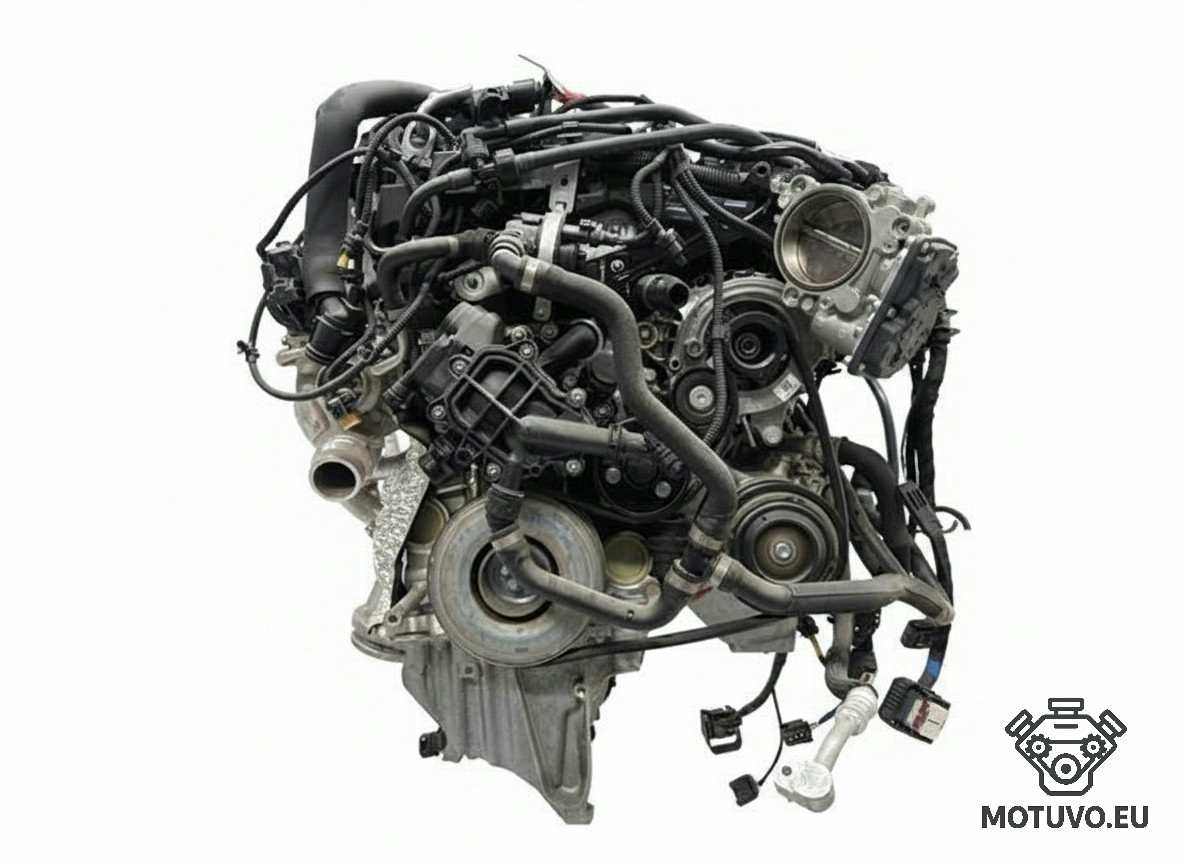
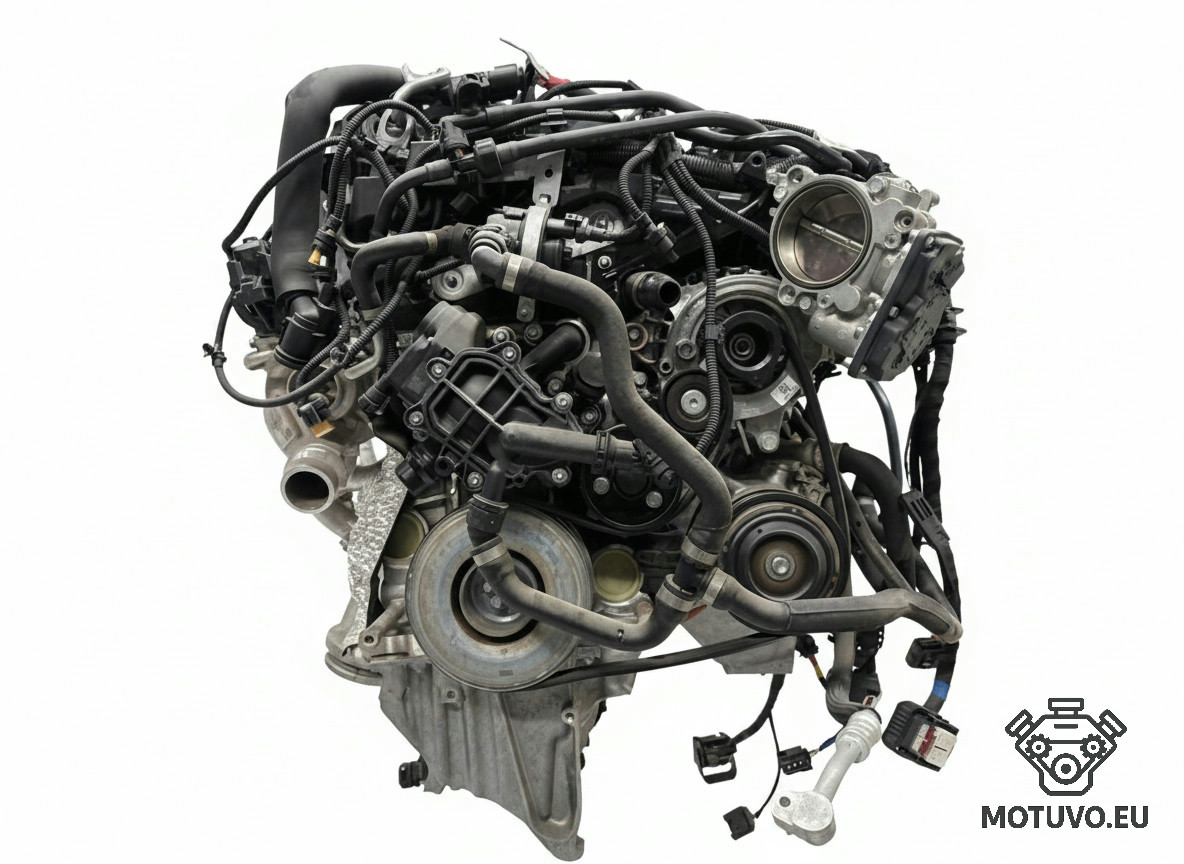
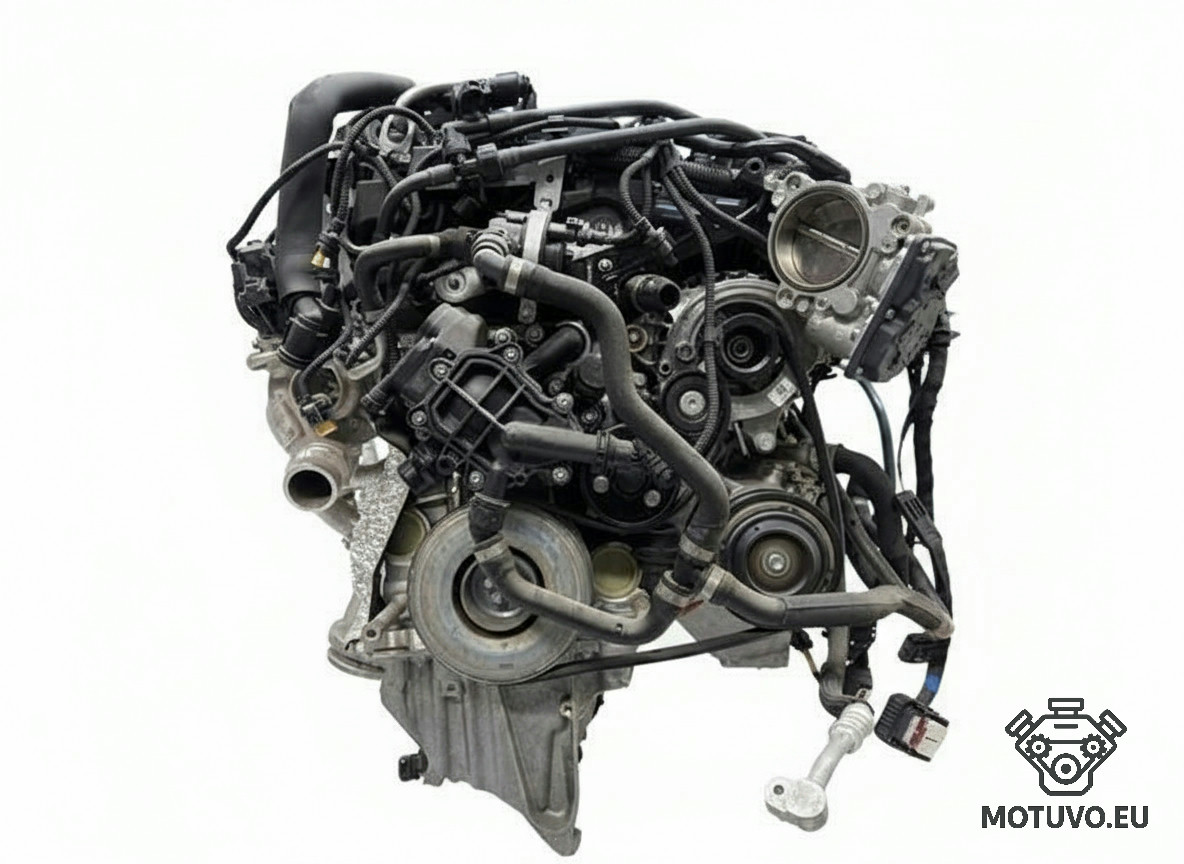
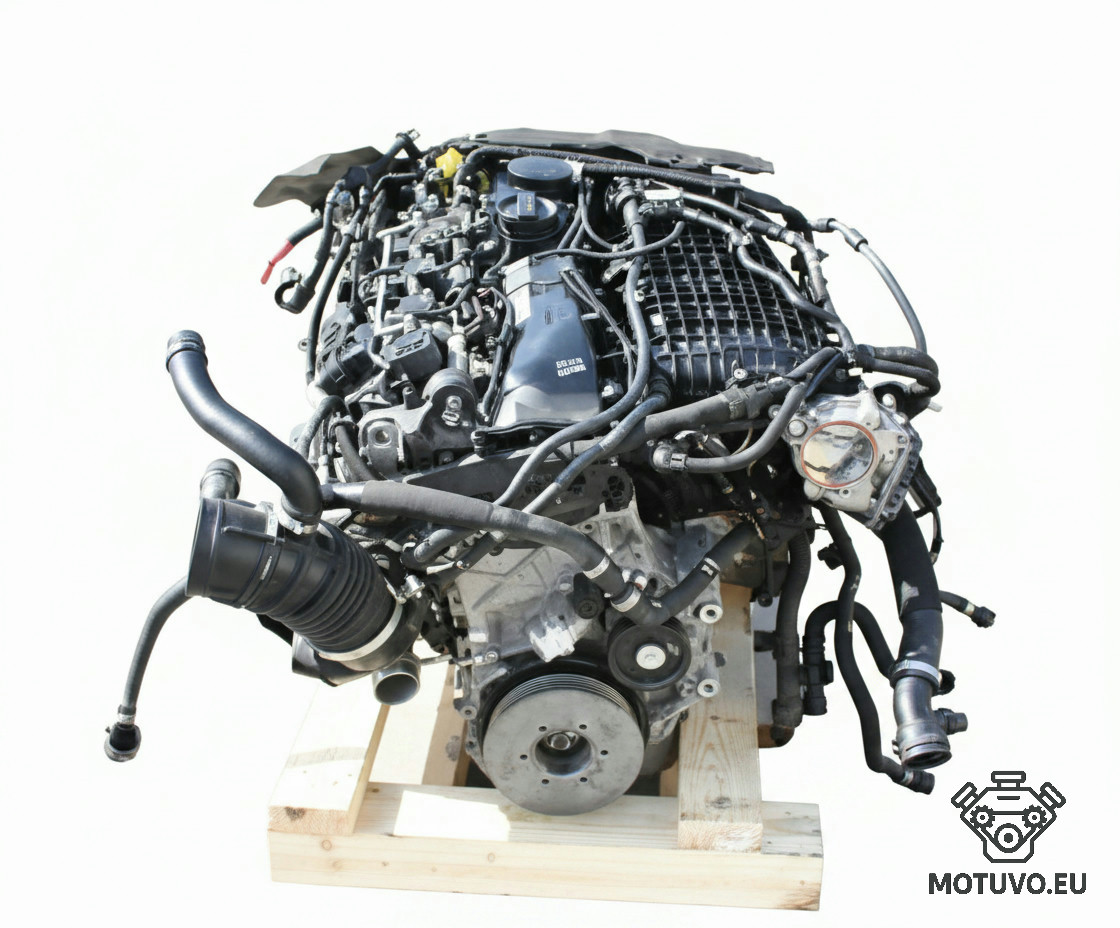
The B48B20 is a 2.0-litre petrol engine from BMW’s modular B48 family. The Motuvo.eu listing covered here specifies 190 kW, equivalent to approximately 258 metric horsepower. It combines a turbocharged four-cylinder layout with direct fuel injection, offering strong performance without the size and weight of a larger engine.
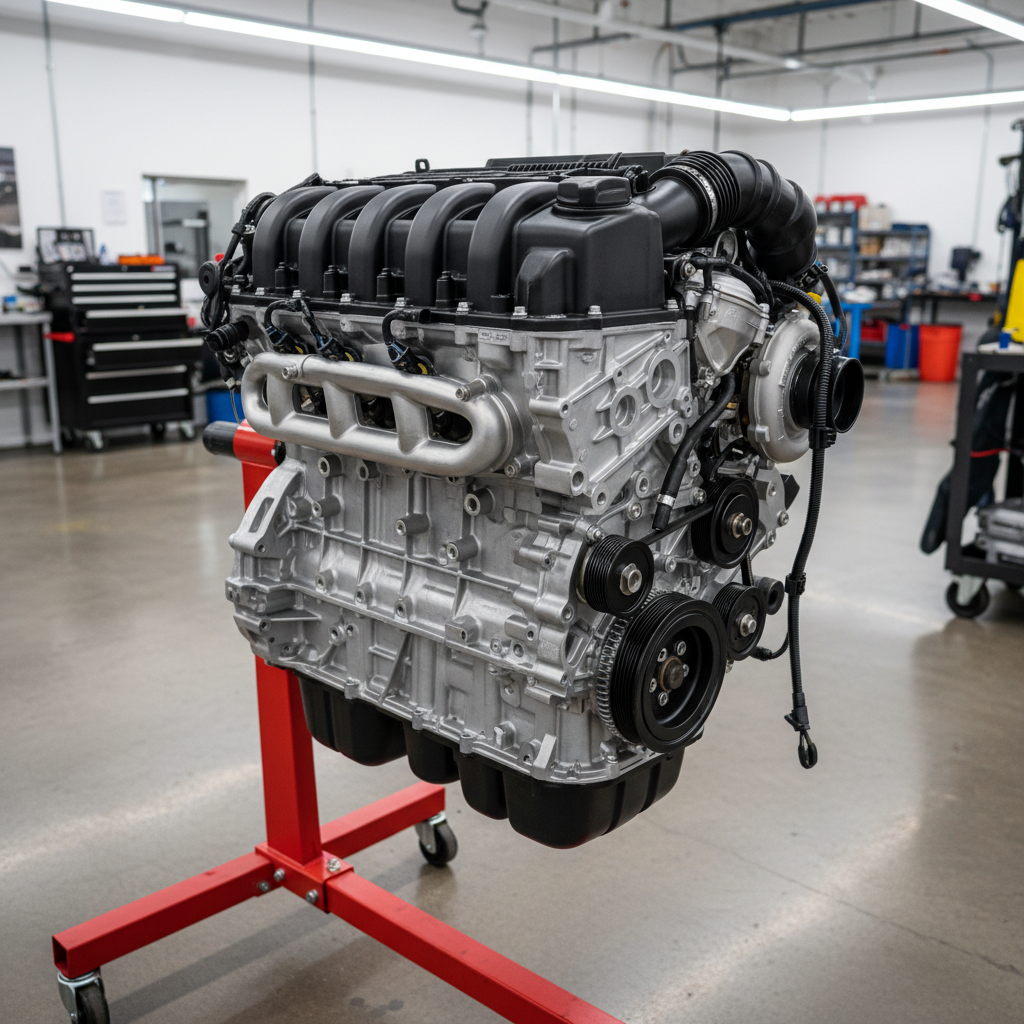
General B48 features include an aluminium engine structure, variable camshaft timing and BMW’s Valvetronic variable intake-valve lift system. A twin-scroll turbocharger helps deliver responsive torque across a useful operating range. However, B48B20 is an engine designation, not a guarantee that every assembly carrying that code will fit every listed vehicle. Production version, installation layout and supplied components must also match.
How popular and widely used is the B48B20?
The B48 is an important engine family within BMW’s modern petrol range. The supplied catalogue associates B48B20 with executive saloons, coupés, an estate, sports cars and a plug-in hybrid application. Its appearance in vehicles from BMW, Toyota and Morgan illustrates the breadth of the engine family’s use.
That broad adoption makes the B48 familiar to many independent specialists and supports access to diagnostic knowledge and service parts. Nevertheless, widespread use does not make all versions interchangeable. Engines can differ in output, emissions equipment, cooling connections and electronic integration. For buyers, identifying the precise donor specification is more valuable than relying on the family’s popularity.
Other part numbers and engine variants
The catalogue also includes a B48B20 rated at 180 kW. This shared designation shows why the basic code alone is insufficient when ordering a replacement. A difference in rated output may accompany changes in calibration or hardware; do not assume that transferring software will make one version equivalent to another.
BMW documentation and identification markings can provide more detailed variant information than a short catalogue heading. Obtain photographs of the donor engine identification, its production details and, where available, the donor vehicle’s VIN. These should be checked against the recipient vehicle and the relevant parts information.
Other engines appearing in the related catalogue list are not alternative B48B20 part numbers:
- N20B20A and N26B20A, 180 kW: earlier BMW four-cylinder turbo petrol engine families, not direct B48 replacements.
- BGB, BPY and BWA, 147 kW, and BUL, 162 kW: Volkswagen Group petrol engine codes with different architecture and installation requirements.
- G4KD and G4ND, 121 kW, and MR20DE, 104 kW: unrelated petrol engines, not compatible substitutes.
Similar displacement, fuel type or power does not establish mechanical or electronic compatibility.
Model applications listed in the catalogue
The catalogue’s main model categories are BMW 7 Series, 3 Series, 6 Series and 4 Series. Its description supplies the following more detailed applications. These are catalogue references, not a confirmed fitment list for every 190 kW assembly:
- BMW 7 Series: 2016–present G11 730i/730Li.
- BMW 7 Series plug-in hybrid: 2017–2019 G11 740e xDrive/740Le xDrive.
- BMW 6 Series: 2017–2021 G32 630i.
- BMW 3 Series: 2019–2022 G20/G21 330i.
- BMW Z4: 2019–present G29 Z4 sDrive30i.
- Toyota Supra: 2019–present J29/DB22.
- Morgan Plus Four: 2020–present.
- BMW 4 Series: 2020–present G22/G23/G26 430i.
Dates ending in “present” reproduce the supplied catalogue wording and should not be read as independently verified current production dates. Availability, output and exact engine versions vary by market and production period. On the 740e/740Le hybrid, combustion-engine output must also be distinguished from combined system output. Confirm every application by VIN before purchase.
Strong points of the B48B20
Useful performance from a compact engine
At 190 kW, the listed B48B20 delivers substantial power from two litres. Turbocharging provides accessible mid-range performance, while the twin-scroll arrangement separates exhaust pulses to help turbine response. This combination suits both everyday driving and more demanding acceleration without requiring a large-capacity engine.
Modern combustion and valve control
Direct injection, variable camshaft timing and variable valve lift allow the engine management system to control combustion and airflow precisely. Valvetronic reduces reliance on intake throttling under many operating conditions, helping limit pumping losses. Actual fuel consumption still depends heavily on vehicle weight, gearing, driving conditions and maintenance.
Established service knowledge
The family’s broad use is helpful when finding an experienced repairer. With correct lubrication, a healthy cooling system and prompt diagnosis of developing faults, a sound B48 can be a practical replacement choice. Condition and documented history remain more important than reputation alone.
Weak points and common failures
Cooling-system leaks
Coolant leaks are a recognised inspection area on B48 engines. Depending on version, sources can include plastic housings, the oil-filter housing and heat-exchanger area, coolant connections and pump-related components. Repeated coolant top-ups, dried residue or a coolant smell require investigation. Pressure-test the system rather than assuming the expansion tank or cap is responsible.
Oil leaks and crankcase ventilation
Inspect the cam cover, oil-filter housing area and accessible seals for leakage. Crankcase ventilation faults can produce whistling, abnormal crankcase vacuum, rough idle or increased oil consumption. Oil loss should be traced carefully: a ventilation problem, an external leak and internal engine wear require different repairs.
Misfires, fuel delivery and intake deposits
Spark plugs and ignition coils are normal diagnostic starting points for misfires. Injectors, fuel-pressure faults, air leaks and mechanical problems can produce similar symptoms, so fault codes should be supported by testing. Direct injection also means fuel does not wash the backs of the intake valves; deposits may become relevant if drivability symptoms develop.
Turbocharger and timing-system checks
Low boost can result from charge-air leaks, actuator faults or turbocharger wear. Smoke or oil in the intake requires diagnosis, not an automatic turbo replacement. Persistent chain noise or camshaft-correlation faults also deserve investigation. These checks matter when assessing a used engine, although they do not mean every B48 will suffer these failures.
What to consider when replacing a B48B20
Start with VIN-based identification. Match the full engine variant, production period, emissions specification and rated output. Check the installation-specific sump, mountings, turbocharger arrangement, cooling connections and wiring. Hybrid installations require particular care because their drivetrain integration differs from a conventional petrol vehicle.
- Clarify the supply scope: establish whether the offer covers a bare engine, long block or assembly with ancillaries. Confirm whether the turbocharger, injectors, pumps, harness and sensors are included.
- Request condition evidence: ask for documented mileage where available, running-test results, compression or leak-down information and inspection findings.
- Check electronics: agree which original control units and accessories will be retained and whether coding or adaptations are required.
- Understand purchase terms: confirm the stated condition, warranty coverage, installation requirements and any exchange-engine obligations.
Identify the cause of the original failure before installing another engine. Overheating, lubrication faults, contaminated oil circuits or debris in the intake system can damage the replacement. Follow the correct installation, lubrication-priming, cooling-system bleeding and initial-start procedures. Use fluids approved for the recipient vehicle rather than selecting oil by viscosity alone.
Buy a B48B20 engine at Motuvo.eu
Looking for a 2.0L B48B20 190 kW petrol engine? Visit the B48B20 190 kW engine product page at Motuvo.eu to buy your replacement or enquire about availability. Provide your VIN and existing engine identification so the offered unit’s fitment, condition and included components can be confirmed before ordering.