BMW B48B20 185 kW Engine: Applications and Replacement Guide
Introducing the BMW B48B20 185 kW engine
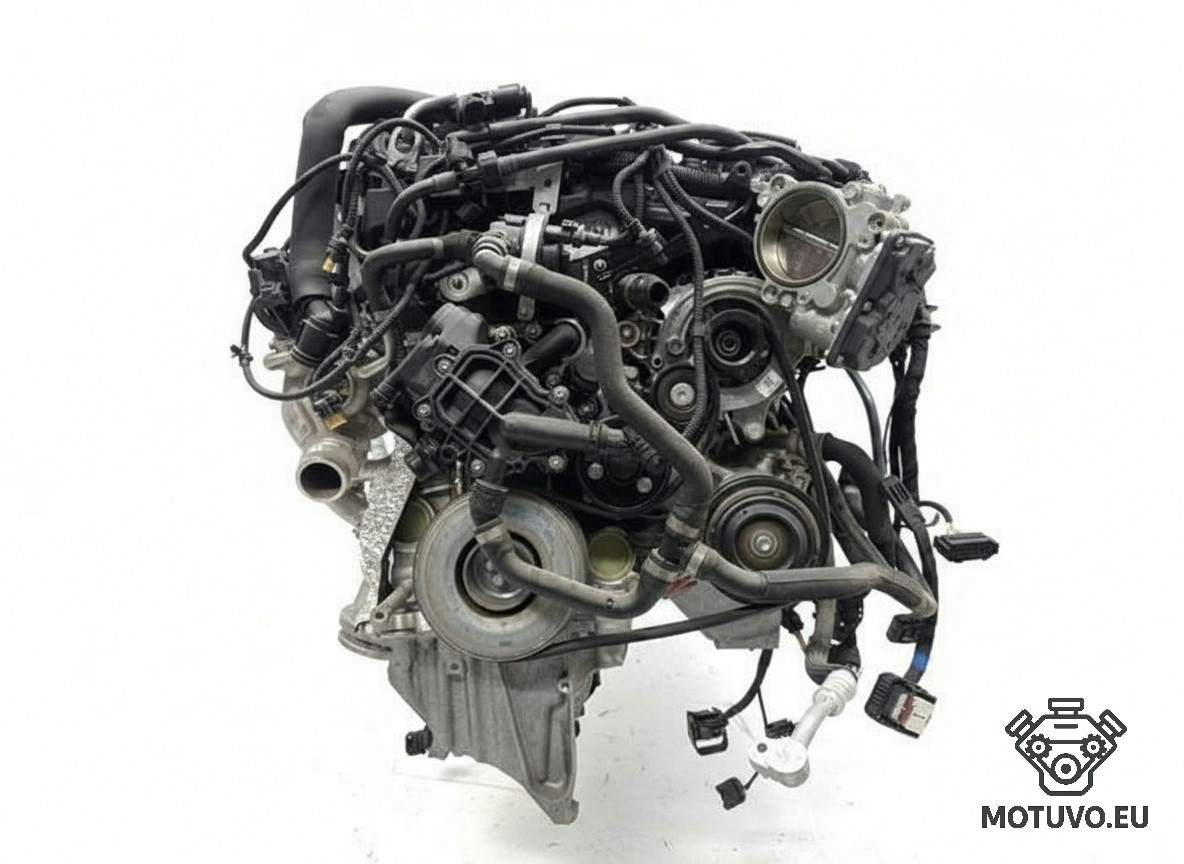
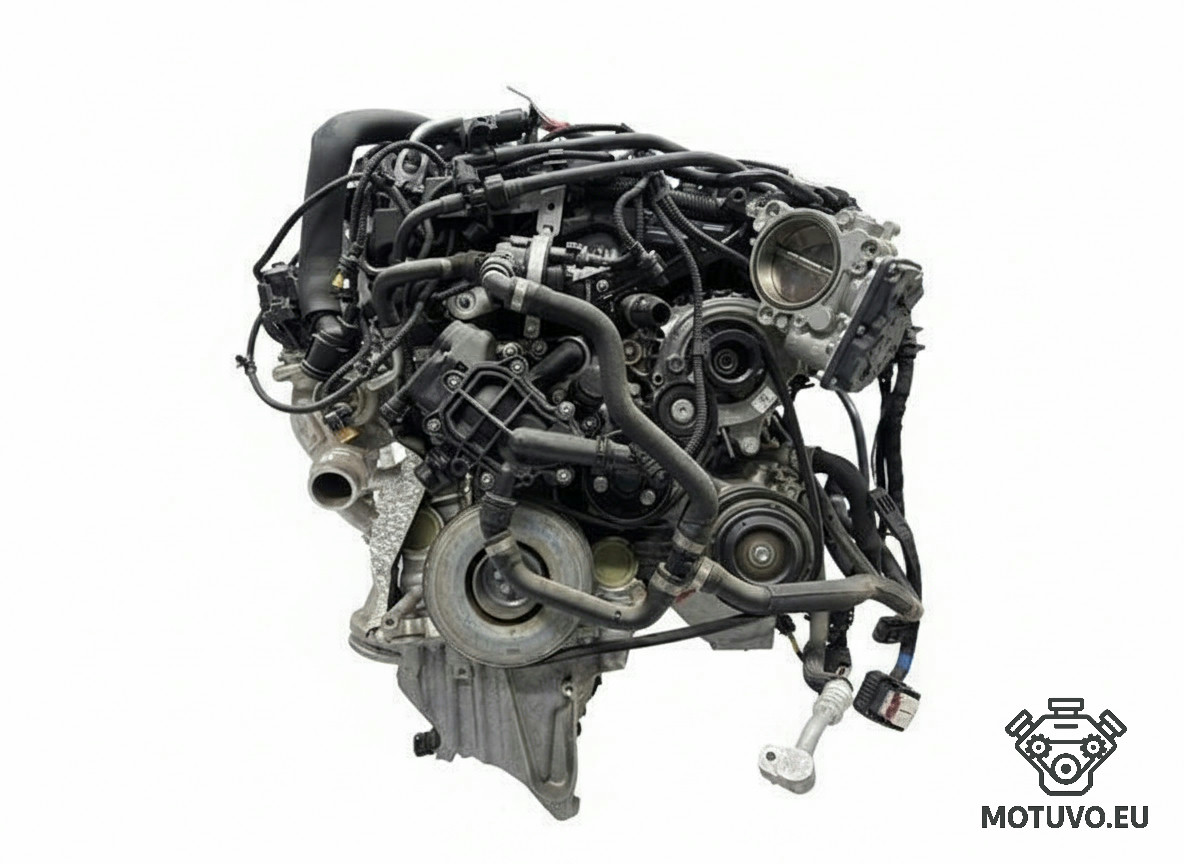
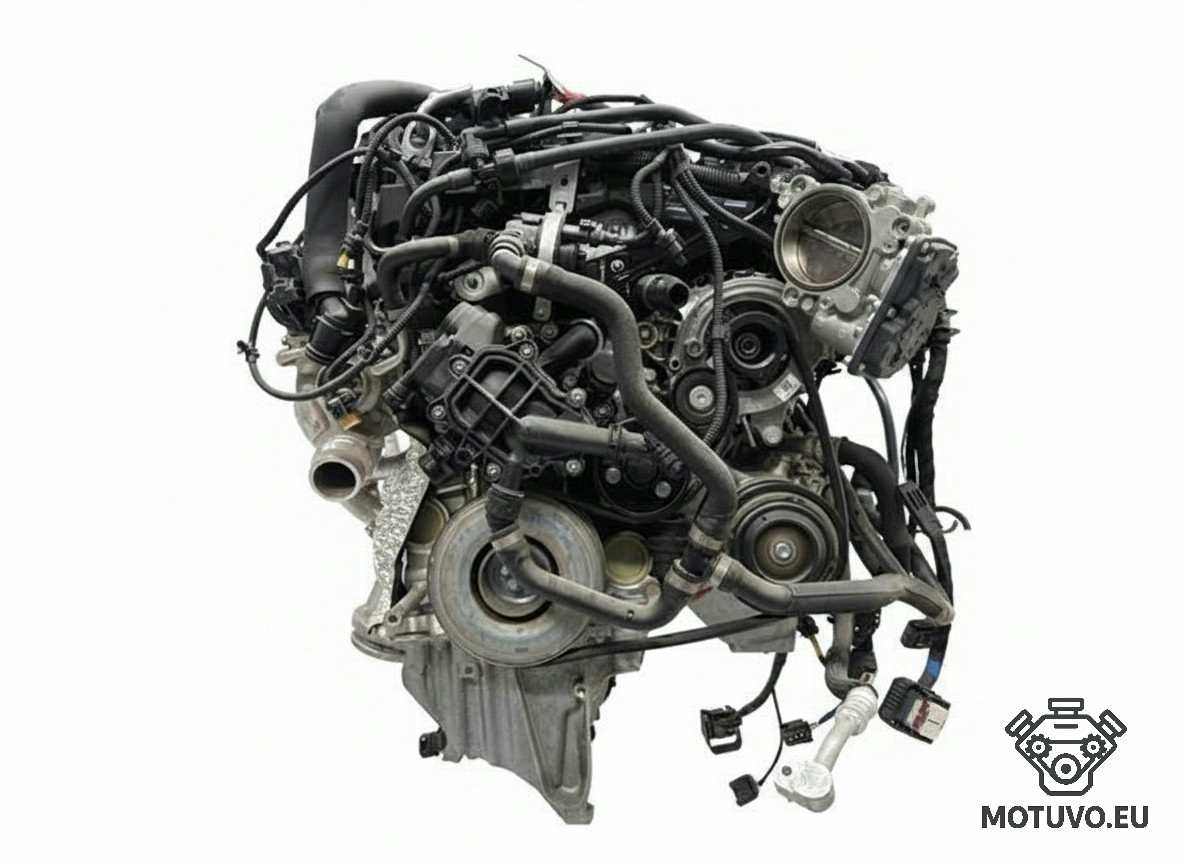
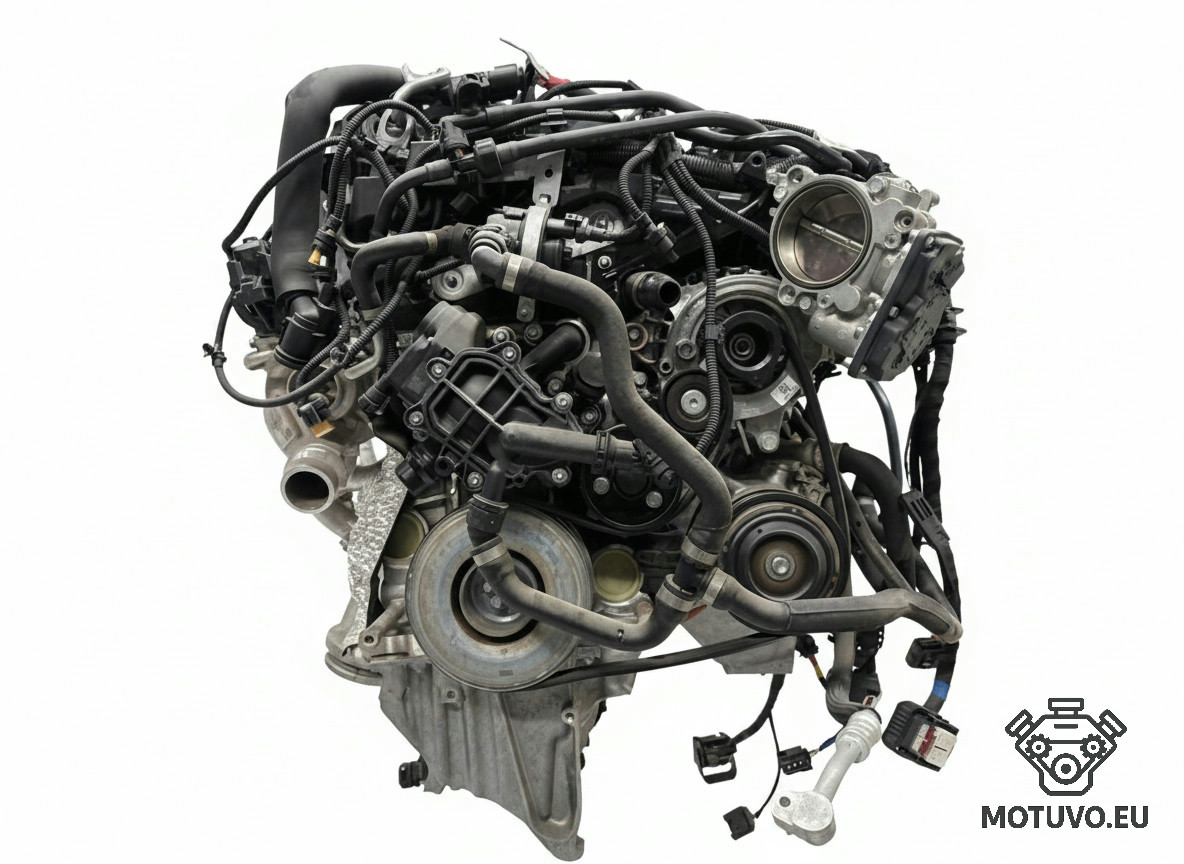
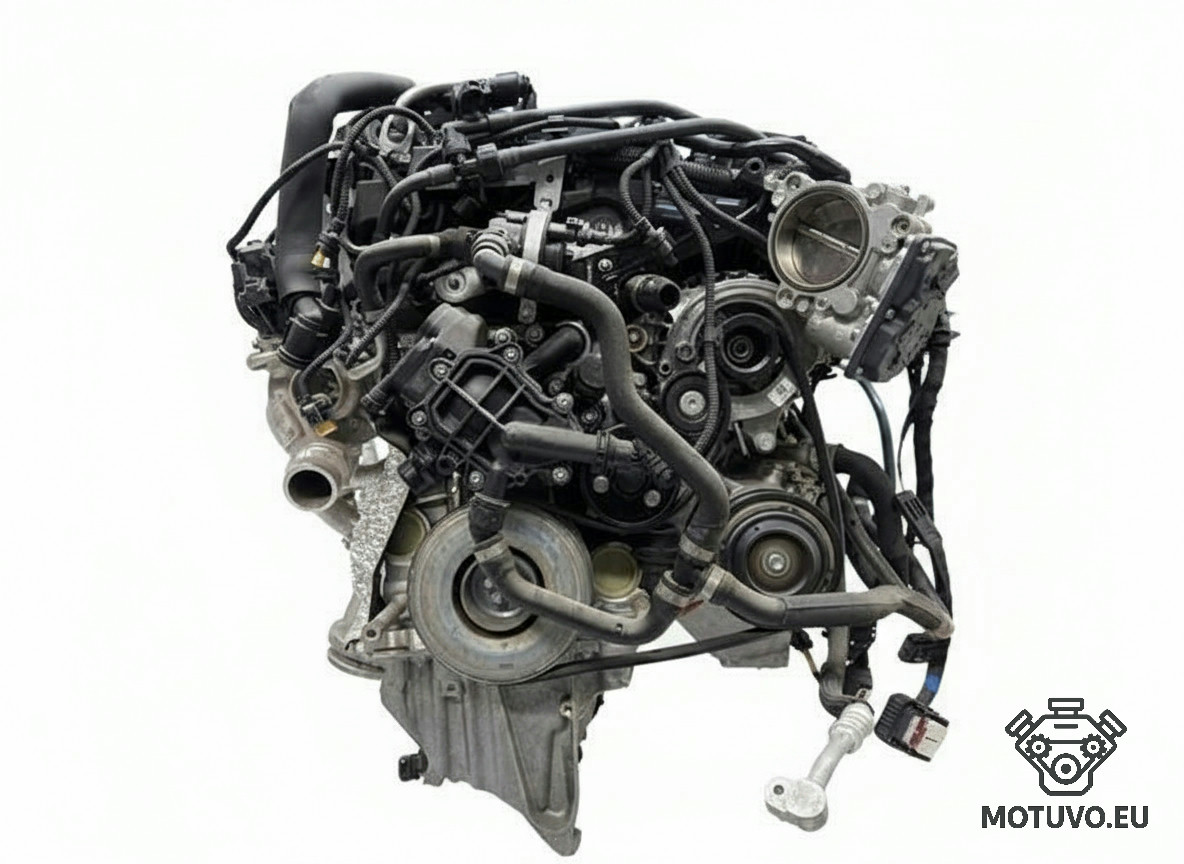
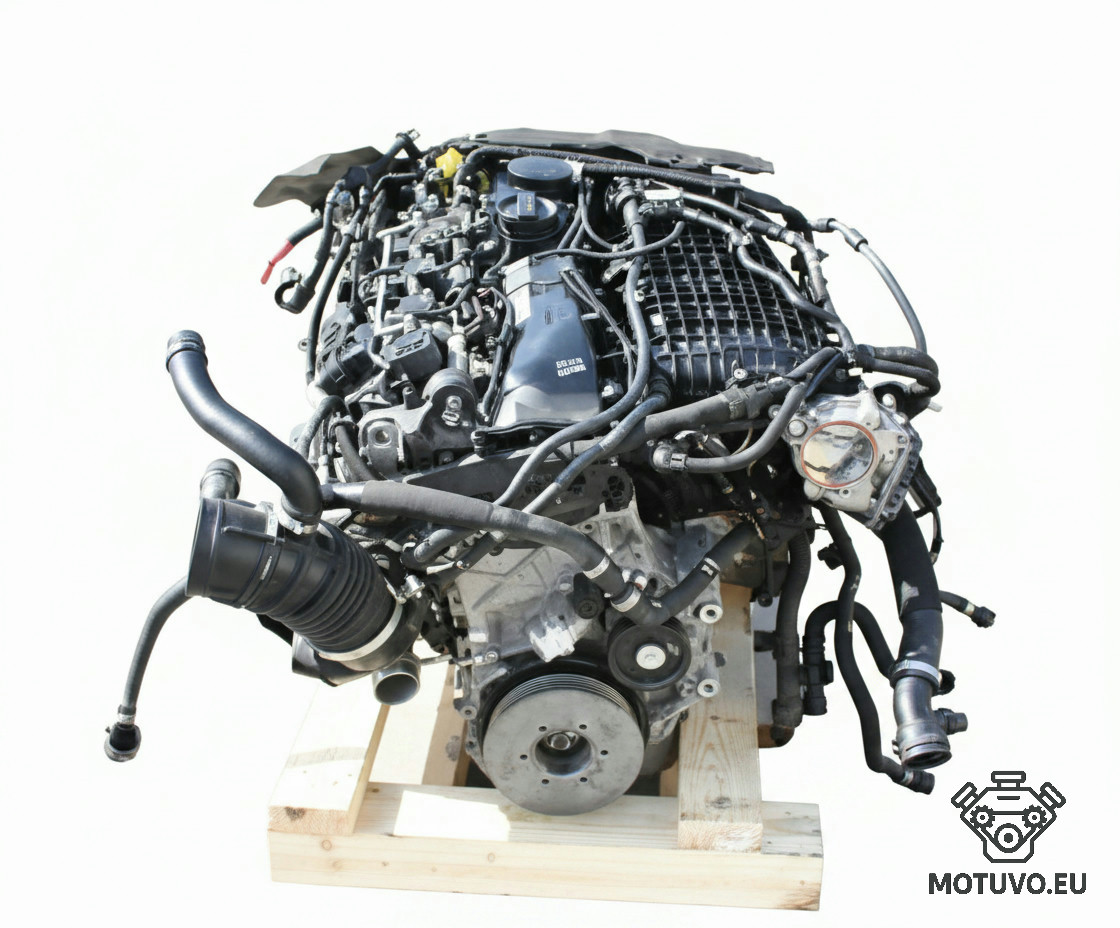
The B48B20 is a 2.0-litre, turbocharged four-cylinder petrol engine from BMW’s modular engine family. The Motuvo.eu listing covered here specifies 185 kW, equivalent to approximately 252 metric horsepower. It combines direct fuel injection, variable valve timing and variable intake valve lift to deliver useful low-speed torque alongside strong performance higher in the rev range.
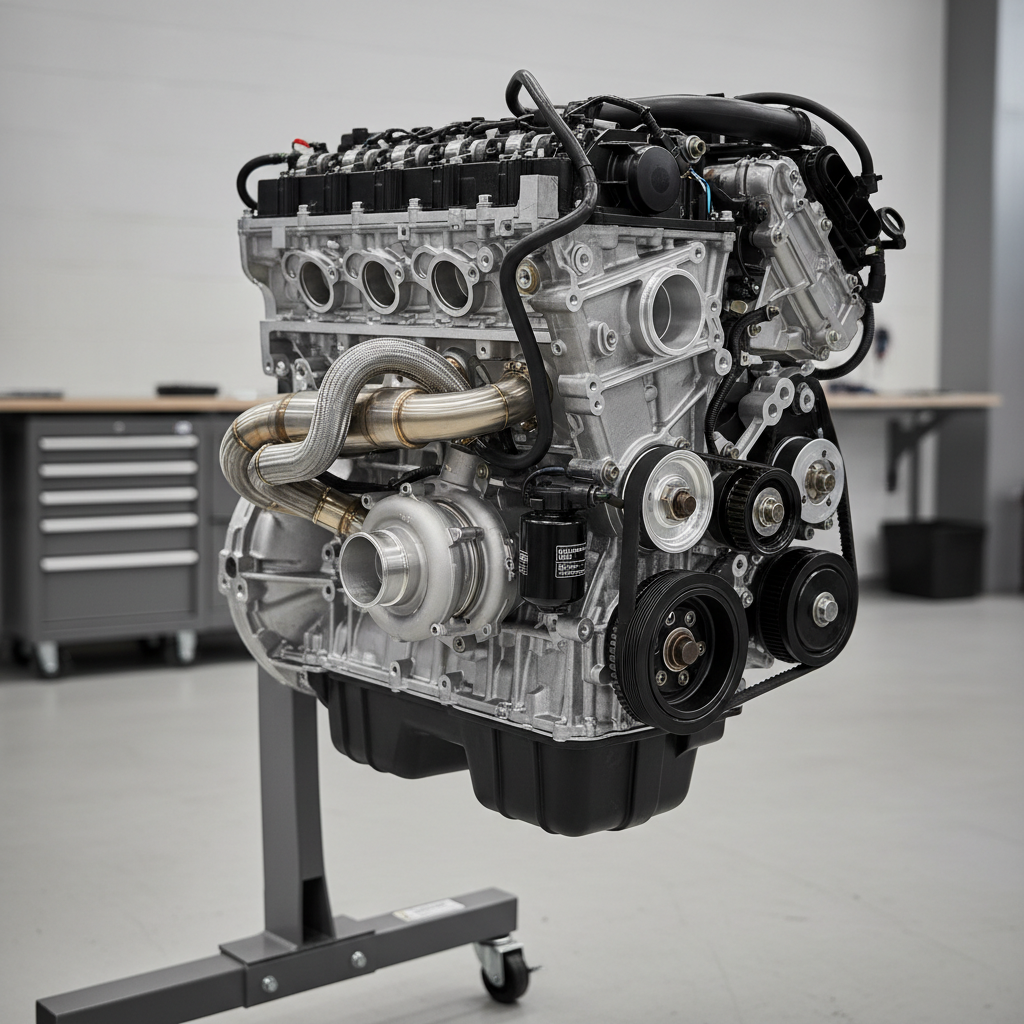
The B48 family uses an aluminium construction and a twin-scroll turbocharger. BMW’s TwinPower Turbo branding does not mean this four-cylinder engine has two turbochargers. Although B48B20 identifies the engine family and displacement, it is not enough on its own to confirm replacement compatibility. Production revision, installation layout, emissions equipment and vehicle electronics must also match.
How popular and widely used is the B48B20?
The B48 became a major part of BMW’s petrol engine range as the manufacturer moved beyond the earlier N20 generation. Its modular design supports different outputs and installation requirements, helping BMW use related engine hardware across several vehicle categories.
The supplied catalogue reflects that breadth, listing applications in the BMW 2 Series, 3 Series, 4 Series, 5 Series, X3 and X4. These cover compact performance models, executive cars and SUVs. This wide presence makes the B48 relevant to independent workshops and owners seeking replacement engines.
However, broad use does not imply universal interchangeability. Two engines bearing the B48B20 designation can differ in ancillaries, sensors, cooling connections or internal specification. Application dates ending in “present” below reproduce the catalogue wording; they should not be treated as independently verified current-production dates.
Other part numbers and variants
The catalogue also contains a B48B20 rated at 180 kW. This is a related listing, not proof that the 180 kW and 185 kW engines can be exchanged without modification. Differences may involve calibration, production updates or hardware, so the precise donor specification matters.
B48B20 is an engine designation rather than a unique BMW replacement assembly number. Before ordering, compare the original engine identification, donor identification and relevant BMW assembly references using the vehicle’s VIN. A more detailed engine code or production identifier may be needed to distinguish versions.
- N20B20A and N26B20A, 180 kW: earlier BMW four-cylinder petrol engine designations appearing in the related catalogue entries. They are not alternative part numbers for this B48.
- BGB, BPY, BUL and BWA: separate engine codes from another manufacturer group, not B48 variants.
- G4KD, G4ND and MR20DE: unrelated engines that must not be considered compatible because they share a nominal 2.0-litre displacement.
Related catalogue results are useful for browsing, but they do not establish mechanical or electronic compatibility.
Model applications listed in the catalogue
The supplied catalogue associates the B48B20 listing with the following vehicles. Duplicate entries have been removed:
- BMW 3 Series 330i: 2015–2019, F30/F31/F34.
- BMW 2 Series 230i: 2016–present, F22/F23.
- BMW 4 Series 430i: 2016–present, F32/F33/F36.
- BMW X3 xDrive30i: 2018–present, G01.
- BMW X4 xDrive30i: 2018–present, G02.
- BMW X3 xDrive30e: 2020–present, G01, plug-in hybrid version.
- BMW 5 Series 530i: 2016–present, G30/G31.
Use this list as a starting point rather than a fitment guarantee. Market-specific outputs, build dates and emissions revisions can vary within one model designation. In particular, the X3 xDrive30e hybrid entry does not establish that its combustion engine has the same 185 kW rating as this product. Hybrid system output and petrol-engine output are different measurements, and hybrid installation requirements need separate verification.
Strong points of the B48B20
Responsive everyday performance
Turbocharging gives the B48 useful torque without requiring a large displacement. The twin-scroll arrangement separates exhaust pulses on their way to the turbine, supporting response. Combined with BMW’s variable valve control systems, this helps provide flexible performance across everyday driving conditions.
Efficient, adaptable engineering
Direct injection and variable valve operation allow precise control of combustion and engine load. These features support a balance of power and fuel efficiency, although actual consumption depends heavily on vehicle weight, gearing, driving style and condition. The engine family’s widespread use also means many BMW specialists are familiar with its diagnostic requirements.
A sound basis when properly maintained
A correctly serviced B48 can be a worthwhile replacement choice. Its condition should nevertheless be judged through maintenance records, diagnostic findings and physical inspection rather than reputation alone. Correct oil specification, a healthy cooling system and prompt attention to faults are particularly important on a turbocharged petrol engine.
Weak points and common failures
Cooling-system leaks
Coolant leaks are an important B48 inspection point. Depending on the version, plastic housings, coolant connections, hoses and the oil-filter housing or heat-exchanger area can develop leaks. Check for dried coolant residue, falling reservoir levels and evidence of previous overheating. A pressure test is more informative than a quick visual inspection.
Oil leaks and crankcase ventilation
Inspect the cam cover and associated seals for oil seepage. Crankcase ventilation faults can contribute to whistling, rough idle or abnormal oil consumption. These symptoms require diagnosis: neither oil consumption nor smoke automatically proves that the complete engine needs replacement.
Ignition, injection and intake deposits
Worn spark plugs, failing ignition coils and fuel-system faults can cause misfires or hesitation. Direct injection also means petrol does not wash the backs of the intake valves, allowing deposits to accumulate under some operating conditions. Read fault codes and assess ignition, fuel pressure and compression before deciding on major repairs.
Turbocharger and mechanical condition
Boost leaks, actuator faults or turbocharger wear can produce reduced performance and warning messages. Persistent mechanical rattles also deserve investigation, including checks of the timing drive where symptoms justify them. These are inspection priorities, not a claim that every B48 suffers the same failures.
What to consider when replacing a B48B20
Start with VIN-based identification. Confirm the vehicle’s build date, exact engine version, output and emissions specification. Check installation-dependent components such as the sump, mounting brackets, wiring, cooling connections and transmission interface rather than assuming they match across all listed vehicles.
- Clarify the supplied assembly: establish whether the purchase includes the turbocharger, injectors, fuel pump, intake components, wiring and other ancillaries.
- Request condition evidence: ask about available mileage records, inspection results, compression or leak-down measurements and warranty terms.
- Identify the original failure: resolve overheating, lubrication problems or fuel-system faults before fitting another engine.
- Check supporting systems: inspect the cooling circuit and check intake and charge-air components for oil or debris from the previous failure.
- Plan commissioning: follow BMW procedures for lubrication priming, coolant filling, diagnostic checks and any required adaptations or coding.
For an xDrive30e application, use a workshop qualified to work on high-voltage vehicles. Hybrid-system safety and compatibility checks go beyond those required for a conventional petrol installation.
Buy your B48B20 engine at Motuvo.eu
Looking for a BMW B48B20 2.0L petrol engine rated at 185 kW? Visit the B48B20 185 kW engine product page at Motuvo.eu to enquire and buy. Provide your VIN and original engine identification so the supplied specification, included components and suitability can be checked before you order.