Mini B38A15A 1.5L 100 kW Engine: Applications and Buying Guide
Introduction to the Mini B38A15A engine
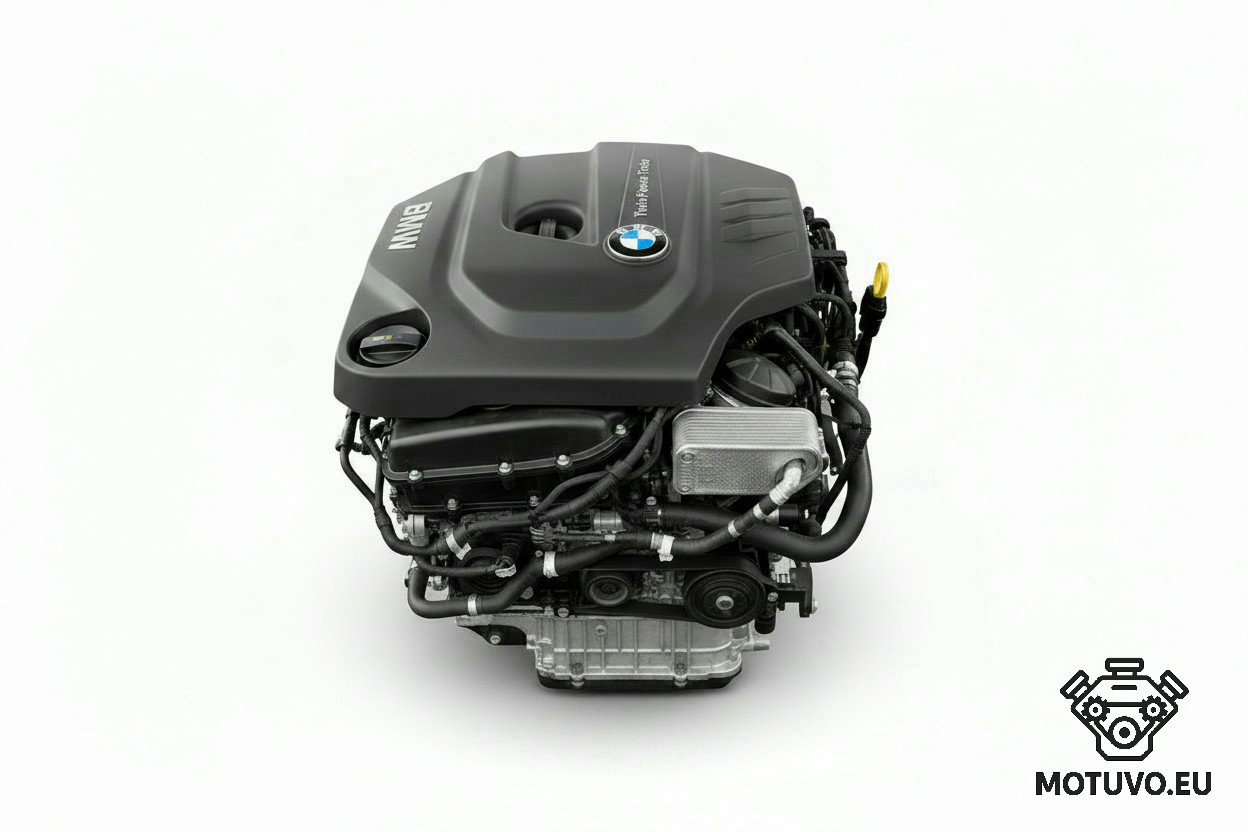
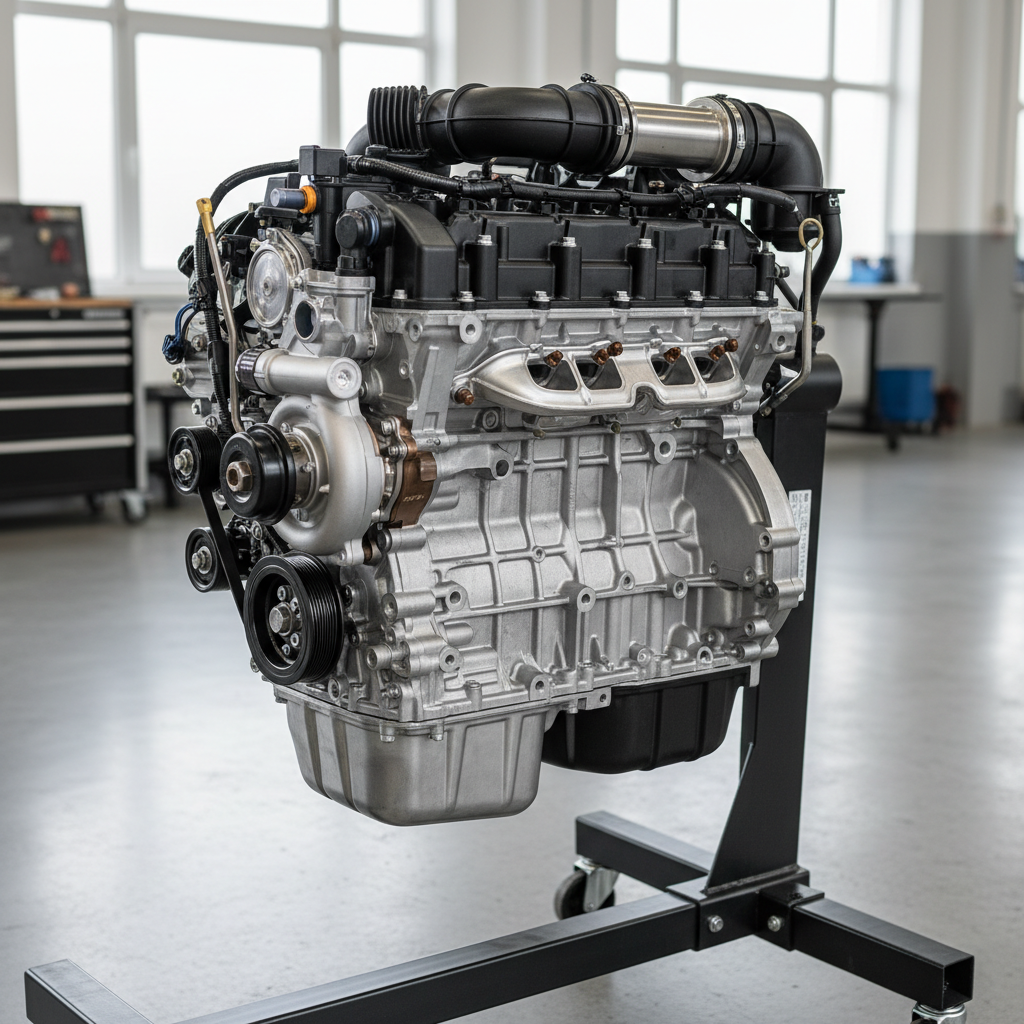
The Mini B38A15A listed here is a 1.5-litre petrol engine rated at 100 kW, equivalent to approximately 136 metric horsepower. It belongs to BMW Group’s B38 modular engine family, which uses a turbocharged three-cylinder layout, direct petrol injection and variable valve control. In these Mini applications, the engine is installed transversely.
Its combination of compact dimensions, useful low-speed torque and relatively modest fuel consumption makes it suitable for everyday driving. However, buying a replacement requires more than matching displacement and power. The engine code, production specification, ancillary equipment and vehicle electronics all matter. This guide explains the supplied catalogue applications and the practical checks that help avoid an unsuitable purchase.
How popular and widely used is the B38A15A?
The B38 family is an established part of BMW Group’s modular engine range. Its basic architecture shares design principles with larger engines in that range, including an approximately 500 cc cylinder displacement. Three cylinders provide the B38’s nominal 1.5-litre capacity while keeping the assembly relatively compact.
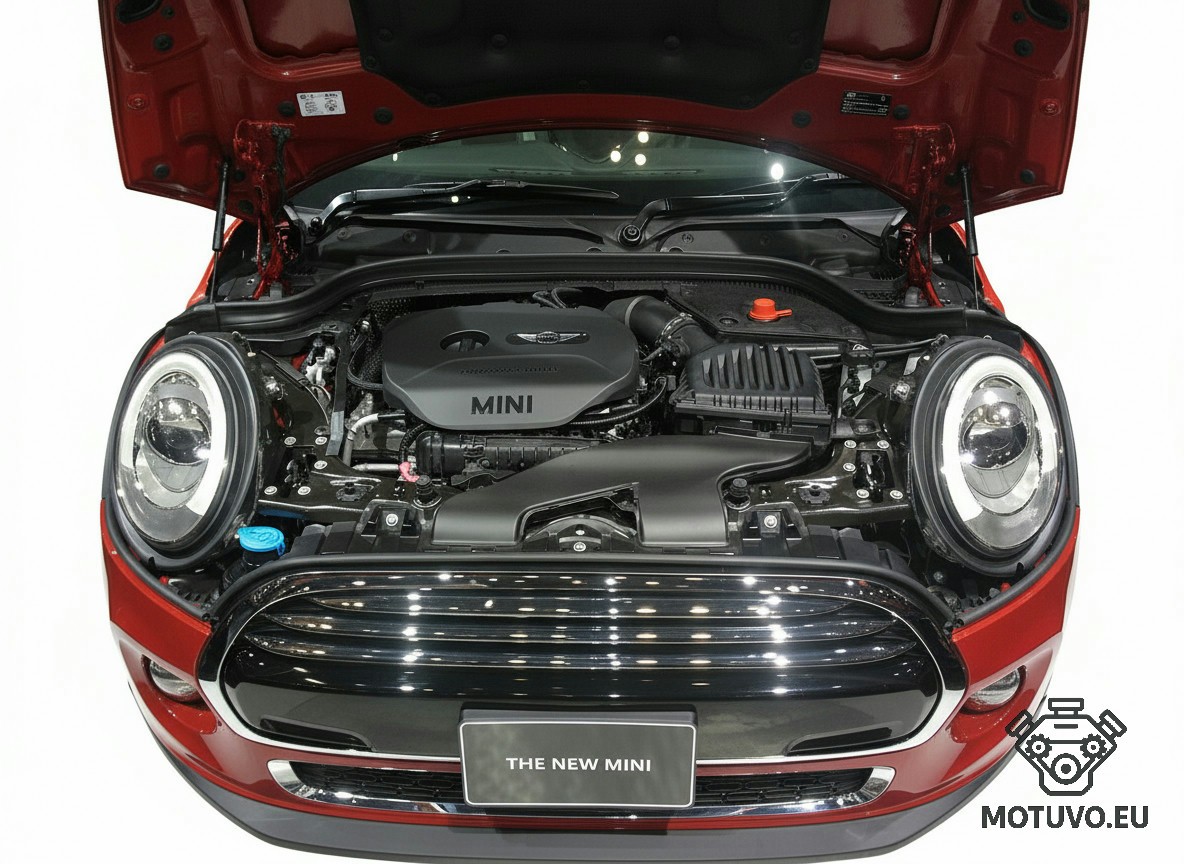
The supplied catalogue places this engine across several Mini body styles: the F55/F56/F57 Cooper, F54 Clubman and F60 Countryman. That spread makes the B38A15A relevant to replacement-engine buyers looking beyond a single hatchback application.
Nevertheless, broad use does not mean universal interchangeability. Engines from different production years or vehicle configurations can differ in external components and control requirements. The catalogue’s date ranges are useful starting points, not proof that every vehicle within those ranges uses this exact 100 kW assembly.
Other part numbers and variants
B38A15A is an engine designation, not a complete list of interchangeable assembly numbers. A replacement may also carry supplier stock references, casting numbers and manufacturer service part numbers. These identify different aspects of the unit and should not be treated as equivalent without verification.
The supplied catalogue also contains these other 1.5-litre petrol engine listings:
- EL15: 79 kW.
- M15A: 75 kW.
- DPC: 110 kW.
- B3154T7: 120 kW.
- C15HDTX: 121 kW.
- B3154T2: 120 kW.
These are catalogue alternatives in the same capacity and fuel category, not confirmed B38A15A aliases or direct substitutes. The repeated B38A15A 100 kW entry identifies the engine specification discussed here. No additional interchangeable manufacturer part numbers have been supplied, so compatibility should be established through vehicle identification and parts data rather than assumed from these listings.
Model applications in the supplied catalogue
The catalogue description gives the following chassis and date references:
- Mini F55/F56/F57 Cooper: 2014–present, as stated in the catalogue.
- Mini F54 Clubman: 2015–2019.
- Mini F60 Countryman: 2017–present, as stated in the catalogue.
The broader application list names Mini Countryman, Mini Clubman, Mini Cooper and Mini One. Mini One appears in that list without a corresponding chassis, date or output specification. It should therefore be treated as an application requiring further confirmation, not evidence that this 100 kW engine fits every Mini One.
Likewise, “present” reproduces the catalogue wording rather than guaranteeing compatibility with current-generation vehicles. Check the recipient car’s VIN, production date, original engine identification and specified output before ordering. Model badges alone are insufficient because specifications can vary by market and production period.
Strong points of the B38A15A
Useful performance from a compact engine
Turbocharging gives this relatively small engine a broad, usable torque delivery. In normal driving, that reduces the need to rely exclusively on high engine speeds for acceleration. The listed 100 kW output provides a practical balance between performance and running costs.
Modern combustion and valve control
Direct injection, variable camshaft timing and variable intake valve lift allow the engine to adapt to changing loads. These technologies support efficiency and response, although real-world consumption still depends on vehicle weight, driving conditions and maintenance.
Established service knowledge
The B38 family’s use across the supplied Mini applications means experienced specialists are familiar with its servicing and diagnostic requirements. Its timing chain avoids a routine timing-belt replacement schedule, but this does not make the timing system maintenance-free. Correct oil specification and sensible service intervals remain important.
Weak points and common failure checks
The following are useful inspection areas for a used B38-family engine. They are not a claim that every B38A15A suffers from each fault, and symptoms should be diagnosed before parts are replaced.
Cooling-system leaks and overheating history
Inspect the coolant pump, thermostat area, hose connections and other coolant housings for leakage or dried residue. A cooling-system pressure test can help reveal faults that are not obvious during a brief visual inspection. Previous overheating is particularly important when assessing a replacement engine because it can affect sealing surfaces and internal condition.
Oil leaks and crankcase ventilation
Check the valve-cover area and accessible oil-system joints for seepage. Crankcase ventilation problems can produce whistling, unstable idle or abnormal oil consumption. These symptoms can overlap with intake leaks and other faults, so a proper diagnosis is preferable to replacing the engine on symptoms alone.
Ignition, injection and intake deposits
Worn spark plugs or failing ignition coils can cause misfires, especially under load. Direct-injection fuel-system faults can also affect starting and combustion. Because petrol is injected into the cylinders rather than over the intake valves, intake-valve deposits are another possible contributor to poor running. Fault-code checks and targeted testing help distinguish these issues.
Timing noise, boost faults and vibration
Investigate persistent metallic rattling at startup rather than assuming all noise is normal three-cylinder operation. Boost leaks, actuator faults or turbocharger wear can cause reduced performance. Excessive vibration may instead come from worn engine mounts. Diagnosis should separate internal engine faults from problems with external equipment.
What to consider when replacing a B38A15A
Confirm compatibility and delivery contents
Provide the supplier with the VIN, original engine code, production date, gearbox type and power rating. Compare relevant assembly numbers and confirm whether external parts must be transferred. Depending on the installation, items such as the sump, brackets, wiring, sensors, intake components and exhaust connections may require particular attention.
Ask exactly what the advertised engine includes. A bare engine, long block and assembly supplied with ancillaries are not equivalent purchases. Confirm whether the turbocharger, injectors, high-pressure fuel pump, starter and alternator are included rather than assuming they appear with every unit.
Assess condition and installation requirements
For a used engine, request available mileage, provenance and testing information. Compression or leak-down results, oil-pressure measurements and running evidence can improve confidence when available. For a rebuilt engine, ask what was measured, machined and renewed. Check warranty terms and any fitting requirements before purchase.
The original failure must also be identified. Reusing a defective cooling component or contaminated ancillary system can damage the replacement. Follow the correct oil-priming, coolant-filling and startup procedures, and establish whether diagnostic adaptations or coding are required for the components being installed.
Buy your Mini B38A15A engine at Motuvo.eu
Looking for a Mini B38A15A 1.5L 100 kW petrol engine? Visit the B38A15A engine product page at Motuvo.eu to check the listing and enquire about purchasing. Share your VIN and existing engine details to confirm compatibility, delivery contents, condition and warranty before ordering your replacement.